Best Seasonal Pattern for Sauger in Minnesota
Trying to consistently catch sauger in Minnesota can feel like chasing a phantom. They're often overshadowed by their flashier walleye cousins, but these delicious, elusive fish have distinct seasonal patterns that, once understood, can lead to incredible fishing experiences. If you've ever found yourself struggling to pinpoint where these finicky fish are hiding throughout the year, this comprehensive guide is here to shed light on their movements and help you crack the code for sauger success.
Understanding Sauger Behavior and Habitat Preferences
Before we dive into the specific seasonal shifts, it's crucial to grasp what makes sauger tick. They're not just "small walleye"; they have their own unique quirks and preferences that dictate their whereabouts. Ignoring these distinct traits is often why anglers miss out on great sauger fishing.
Key Differences Between Walleye and Sauger
Many anglers, especially newcomers, often mistake a sauger for a walleye, or vice versa. While they are closely related and often inhabit the same waters, recognizing the differences is paramount to understanding their behavior. Walleye tend to be more light-sensitive, often preferring deeper, clearer water, or coming shallow only during low-light conditions. Sauger, on the other hand, are a bit more tolerant of murkier, warmer water and often hug the bottom more tightly.
The easiest way to tell them apart, beyond size (sauger are typically smaller), is by looking at their dorsal fin and body. Sauger have distinct dark spots or blotches on their dorsal fin and sides, creating a somewhat mottled appearance, while walleye typically have a more uniform, golden-olive body and a single dark spot at the bottom of their first dorsal fin. You can learn more about this in our guide on how to identify a walleye vs sauger. These visual cues are also hints about their environment: the mottled patterns help sauger camouflage in the silty, rocky bottom structures they often inhabit.
Preferred Depths and Structures
Sauger are bottom-dwellers through and through. They love to hug the contours of lakes and rivers, often found in conjunction with current. Think about areas where rivers flow into lakes, along old river channels within larger bodies of water, or where current sweeps around points and bars. They're less likely to suspend in the water column compared to walleye.
Their depth preference shifts with the seasons, but generally, you'll find them deeper than walleye, especially during the day. They thrive in depths ranging from 15 to 40 feet, sometimes even deeper in large reservoirs or rivers like the Mississippi. Look for distinct changes in bottom composition – rock piles, gravel beds, or subtle humps and breaks. These features provide ambush points and current breaks, which are ideal for sauger to conserve energy while waiting for prey. Unlike walleye that might patrol expansive flats, sauger are often concentrated in smaller, tighter zones dictated by these underwater structures and current.
Spring Sauger Fishing Patterns
Ah, spring! The ice is out (or almost out), and the fish are waking up. For many Minnesota anglers, spring means walleye opener, but don't overlook the incredible sauger bite that happens concurrently. These fish are driven by spawning urges and feeding opportunities after a long winter.
Pre-Spawn and Spawn Tactics
As water temperatures begin to creep into the low to mid-40s (Fahrenheit), sauger will start their pre-spawn movements. Like walleye, they migrate to shallower, current-heavy areas to spawn. This often means river systems or the riverine sections of larger lakes. The Rainy River, for example, is legendary for its spring sauger run, drawing anglers from all over. They congregate in predictable areas: current seams, eddies behind islands or wing dams, and the mouths of tributaries.
During this period, sauger are highly concentrated and relatively aggressive. Vertical jigging with a lead-head jig tipped with a minnow (like a shiner or fathead) is incredibly effective. The goal is to present your bait directly in their face, keeping it close to the bottom where they’re holding. A 1/4 to 3/8 ounce jig is often sufficient, but adjust based on current and depth. Don't be afraid to experiment with brighter colors like chartreuse or orange, especially in stained water. The bite can be subtle, so a sensitive rod is key. Many anglers find the "Jigging for Walleye: Jig & Minnow Basics" techniques translate perfectly to sauger here. The actual spawn happens when water temperatures reach the upper 40s to low 50s, after which they’ll begin to disperse.
Post-Spawn Recovery and Feeding
Once the spawn is complete, sauger, like all fish, need to recover and replenish their energy reserves. They'll start moving out of the shallowest spawning areas but often remain in close proximity, utilizing slightly deeper adjacent current breaks and channels. Water temperatures will be in the mid-50s to low 60s. This is a fantastic time to target them, as they are actively feeding to regain lost weight.
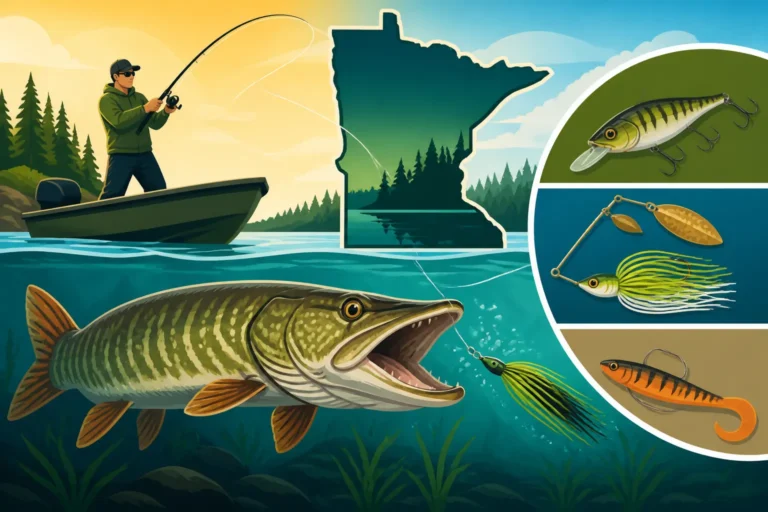
Focus your efforts on the downstream side of sandbars, deeper bends in rivers, or transition areas where river channels merge with lake basins. Trolling crankbaits, particularly those that dive to appropriate depths and mimic baitfish, can be very productive. Shad Raps and Flicker Shads from Berkley are popular choices for their realistic action and dive curves. You'll want to ensure your lure is frequently ticking the bottom. Another great option is a three-way rig with a minnow or a crawler, allowing you to present bait right on the bottom while maintaining a controlled drift. Keep an eye on your fish finder for schools of baitfish, as sauger won't be far behind.
Summer Sauger Fishing Patterns
Summer brings warmer water and more stable conditions, but it also means sauger often retreat to their preferred deeper, cooler haunts. This doesn't mean they stop biting; it just means you need to adjust your approach.
Deep Water Retreat and Thermocline
As surface water temperatures climb into the 70s and beyond, sauger will seek out cooler, more oxygenated water. In many lakes, this means moving to the depths below the thermocline. The thermocline is that invisible layer where water temperature drops rapidly, and it often holds a wealth of baitfish and, consequently, predator fish. Sauger will relate to deep humps, main lake points that drop into deep water, and the edges of old river channels. Depths of 25-50 feet are not uncommon during the heat of summer.
Jigging spoons or blade baits can be very effective when sauger are tightly schooled in deep water. Drop them down, give a sharp rip, and let them flutter back down on a semi-slack line. The erratic action often triggers a reaction strike. Bottom bouncers with spinner rigs tipped with crawlers or leeches are also deadly for covering ground and presenting bait right on the bottom. Focus on slow trolling or drifting over known sauger structures. Brands like Northland Tackle offer excellent spinner rigs designed for this purpose. You can often find a good selection of these on Amazon.
Night Fishing and Low-Light Opportunities
While sauger are generally more tolerant of light than walleye, low-light conditions still present fantastic opportunities. As the sun sets and into the night, sauger might move shallower onto deep flats adjacent to their daytime haunts, or become more active on deep structure. They’re visually oriented predators, and the diminished light allows them to ambush prey more effectively.
Night fishing often involves similar tactics to deep-water daytime fishing but with a focus on specific structure edges rather than broad trolling. Vertical jigging with glow-in-the-dark jigs tipped with minnows or plastics can be incredibly effective. Consider using a lighted bobber if you're fishing shallower edges at night. Casting deep-diving crankbaits along the breaklines can also draw strikes. This is especially true on lakes where the primary forage is cisco or smelt, which often move up in the water column at night. For those who enjoy the solitude and excitement of night fishing, knowing how to catch walleye at night provides transferable skills.
Fall Sauger Fishing Patterns
Fall is a season of transition, marked by cooling water and often some of the most aggressive feeding of the year for sauger as they bulk up for winter. Don't pack away your gear just yet!
Aggressive Feeding Before Winter
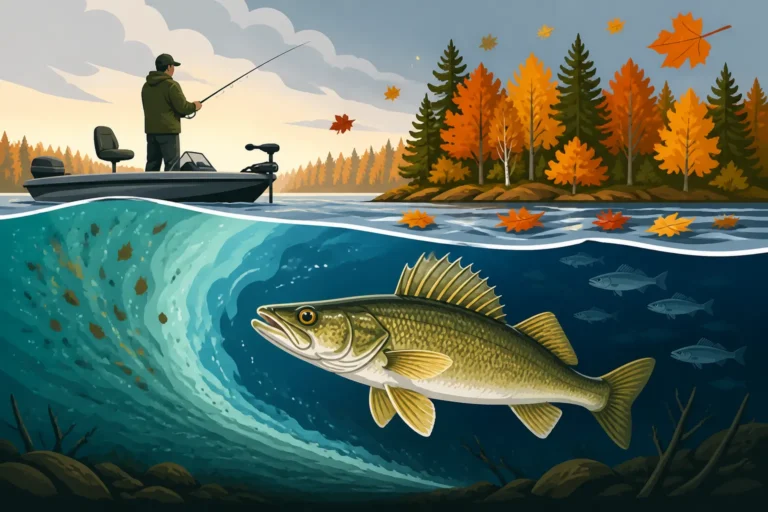
As autumn progresses and water temperatures begin to drop from the 60s into the 50s and 40s, sauger sense the approaching winter. This triggers an intense feeding spree. They become incredibly active, often less finicky about presentation, and willing to chase down a meal. This is a prime time for both quantity and quality.
Focus on the same deep-water structures they used in summer, but don't be afraid to check slightly shallower depths as the cooling water distributes baitfish more widely. River systems, large lake main basins, and the mouths of larger tributaries remain hotspots. Trolling with crankbaits that imitate large baitfish, especially those with a strong wobble and rattle, can be extremely productive. Consider larger profile baits than you might use in summer. Lindy Rigs tipped with large minnows or chubs are also excellent for slowly probing deep contours.
Locating Fall Sauger in Rivers and Lakes
In fall, current becomes even more of a factor in rivers. Sauger will stack up in current seams, behind significant structure, and in deeper holes. On lakes, pay close attention to any remaining green weeds (which act as oxygen factories and hold bait) adjacent to deep breaks. The turnover process, where surface water cools and sinks, can temporarily disrupt fishing, but once the water stabilizes, the bite often turns on aggressively.
Using your electronics to find schools of baitfish and sauger is paramount during the fall. Look for distinct marks hugging the bottom on your fish finder. Once you locate a school, vertical jigging with a jig and minnow or a jigging spoon can lead to multiple hook-ups. Don't be afraid to make multiple passes over productive areas, as sauger often bite in waves. The "Best Fish Finders & Electronics for Minnesota Fishing" guide can help you ensure you're getting the most out of your sonar.
Winter Ice Fishing for Sauger
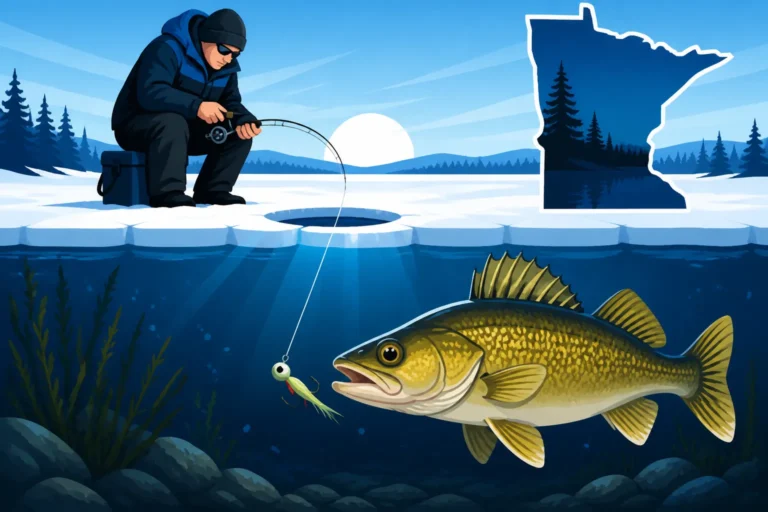
Many anglers consider sauger an ice fishing specialty, and for good reason! When the lakes and rivers freeze over, sauger become highly concentrated and often predictable.
First Ice and Mid-Winter Strategies
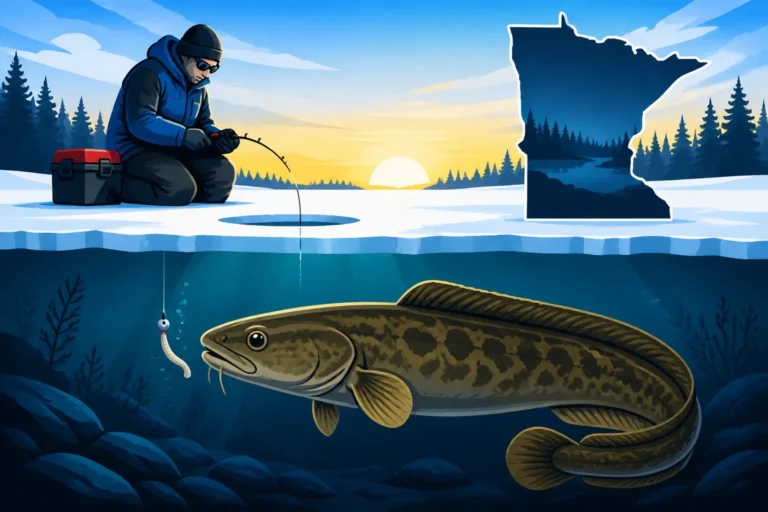
During first ice (when safe ice is just forming), sauger can be found shallower than you might expect, often in 15-25 feet of water, relating to transitional areas between shallow flats and deeper basins. They are still actively feeding and often quite aggressive. Small jigging spoons, like Northland Buck-Shot Rattle Spoons or Lindy Rattl'n Flyer Spoons, tipped with a minnow head or a wax worm, are incredibly effective. Deadsticking a plain hook with a lively minnow a foot or two off the bottom in an adjacent hole can also be lights out.
As mid-winter sets in and ice thickens, sauger often move to deeper main lake basins, river channels, and distinct humps or points in 25-40+ feet of water. They might become a bit more lethargic, so a subtle presentation is key. Small tungsten jigs tipped with plastics or wax worms can be deadly, as can a slow-flickering spoon. A good flasher, such as a Vexilar or Humminbird, is indispensable for showing you their exact depth and how they react to your lure. Many of the strategies detailed in "Ice Fishing for Walleye: Tactics & Setups" are directly applicable to sauger.
Late Ice Opportunities
Late ice, just before spring breakup, can bring another surge of aggressive feeding as sauger prepare for the spawn. They will begin to stage in areas closer to their spring spawning grounds, often moving to the deeper edges of current-laden areas. This is a great time to target them with slightly larger spoons or even small crankbaits fished aggressively.
Keep an eye on river mouths and channels for increased activity. The fish are starting to feel the urge to move and will be actively seeking food. Safety is paramount during late ice, so always check ice conditions diligently. A good portable ice shelter from brands like Clam or Otter can make your late-ice experience much more comfortable. When conditions are right, late ice can offer some of the best sauger action of the entire year.
Essential Gear and Tactics for Sauger
Having the right gear makes a huge difference, especially when you're targeting specific patterns for sauger. It doesn't have to be expensive, but it needs to be appropriate for the task at hand.
Lure Selection and Presentation Tips
For sauger, you want lures that hug the bottom and offer a subtle-to-moderate presentation.
- Jigs: Lead-head jigs (1/8 to 3/8 ounce) are a staple. Tip them with live minnows, plastic grubs, or paddle tails. Colors like chartreuse, orange, and white are often productive, especially in stained water.
- Jigging Spoons: Small to medium jigging spoons (1/4 to 1/2 ounce) with some flash or rattle are fantastic, particularly for vertical jigging over schools. Brands like Northland and Lindy excel here.
- Bottom Bouncers & Rigs: For covering water by drifting or slow trolling, a bottom bouncer paired with a crawler harness or a plain snell with a leech or minnow is incredibly effective. This keeps your bait right in the strike zone.
- Crankbaits: Medium-diving crankbaits (like the Rapala Shad Rap or Berkley Flicker Shad) are great for trolling, especially in fall and post-spawn. Look for models that get down to 10-25 feet. You can often find great multi-packs on Amazon to try different colors and sizes.
Presentation is key: keep your bait near the bottom. Sauger are rarely far from it. Often, a slower, more methodical presentation works best. Subtle jigging motions or a slow, consistent troll are usually more productive than aggressive, erratic retrieves.
Electronics and How They Help
Modern fishing electronics are game-changers for sauger fishing. They allow you to pinpoint subtle structure, mark baitfish, and most importantly, identify individual sauger hugging the bottom.
- Sonar/Fish Finders: A good 2D sonar will show you contours, depths, and fish holding tight to the bottom. Look for those tell-tale arches or horizontal lines just above the bottom.
- Flashers (for ice fishing): A flasher like a Vexilar or a Humminbird Ice Helix is almost a necessity for ice fishing sauger. It gives you a real-time display of your lure and any fish approaching it, allowing you to react instantly to a subtle bite. This immediate feedback is invaluable for figuring out what presentation they prefer that day. Our guide on "How to Read a Flasher (Vexilar/Humminbird)" can get you up to speed.
- GPS/Mapping: Having detailed lake maps on your unit (like those from LakeMaster or Navionics) is crucial for identifying deep-water humps, river channels, and breaklines – all prime sauger habitat. Pre-marking these spots makes finding them much easier, especially when you're on a new lake.
Using these tools means less time searching and more time fishing. When you find one sauger, there are often more nearby, and your electronics will help you stay on the school.
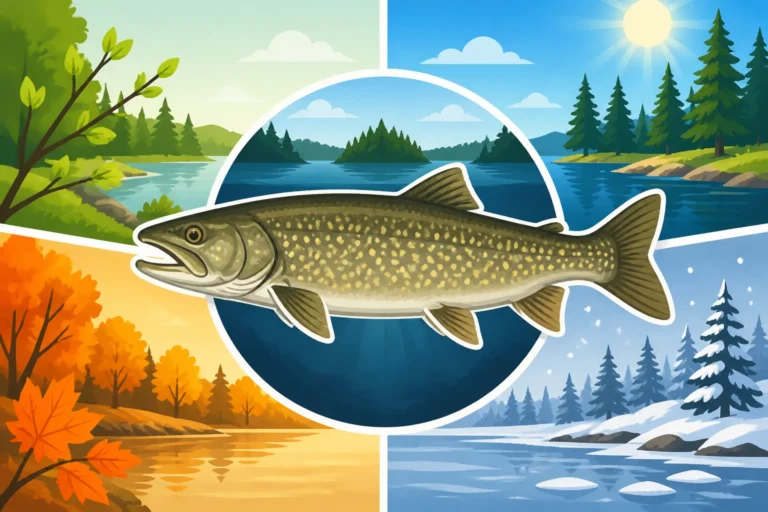
Sauger Seasonal Patterns at a Glance
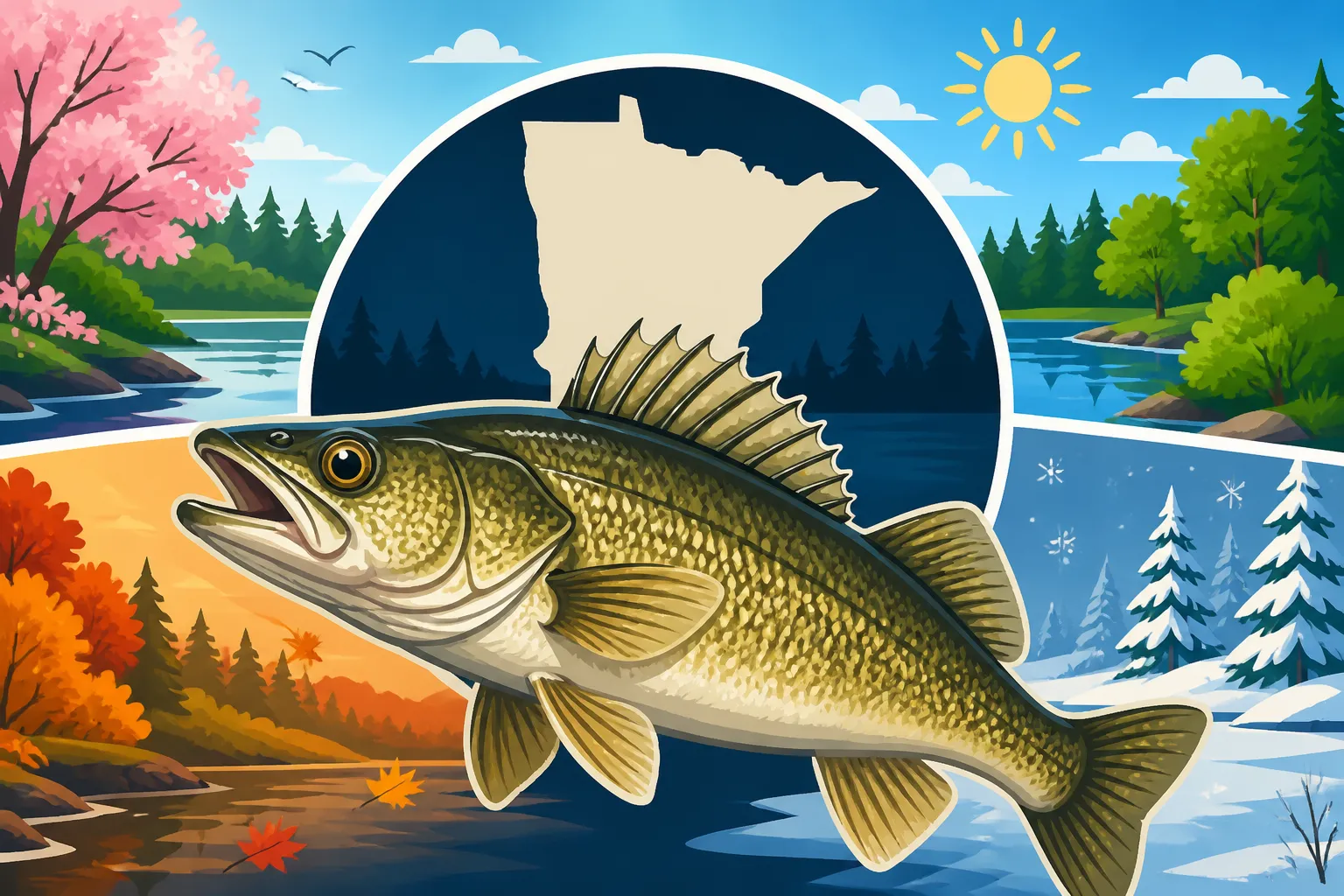
To give you a quick reference, here's a summary of the general seasonal patterns for sauger in Minnesota. Remember, these are guidelines, and conditions can vary from lake to lake and year to year.
| Season | Water Temperature Range (F) | Typical Depths (Feet) | Preferred Habitat | Effective Lures/Tactics |
|---|---|---|---|---|
| Spring | 40s – 50s | 10-25 | River channels, current seams, tributary mouths | Vertical jigs (minnows), three-way rigs, small crankbaits |
| Summer | 60s – 70s+ | 25-50+ | Deep humps, main lake points, river channel edges (below thermocline) | Jigging spoons, blade baits, bottom bouncers (crawlers/leeches) |
| Fall | 50s – 40s | 20-40 | Deep structure, river bends, sharp breaks | Trolling crankbaits (larger profile), Lindy Rigs (chubs/minnows), vertical jigs |
| Winter | Low 30s – 40s | 15-50+ | Deep main lake basins, river channels, humps (first ice shallower) | Small jigging spoons, tungsten jigs (plastics/wax worms), deadsticks (minnows) |
Remember, checking the local fishing regulations for sauger season & limit in Minnesota is always a good idea before you head out, as rules can change annually and vary by body of water.
Final Thoughts on Chasing Minnesota Sauger
Sauger are a fantastic, often overlooked game fish in Minnesota, offering a thrilling challenge and a delicious reward. The key to consistent success lies not in magic lures, but in understanding their seasonal movements and adapting your techniques to where they are and what they're doing. They're often found in the same waters as walleye, but knowing the subtle differences in their preferences can put more sauger in your bucket, and more smiles on your face. So, arm yourself with this knowledge, hit the water, and don't be afraid to experiment. Happy fishing!
Disclaimer
Fishing regulations, seasons, and limits can change frequently. Always consult the most current Minnesota Department of Natural Resources (DNR) fishing regulations before heading out on the water. This guide provides general information and recommendations, but it is the angler's responsibility to comply with all applicable laws and safety guidelines.