How to Catch Brown Trout in Minnesota (Step by Step)
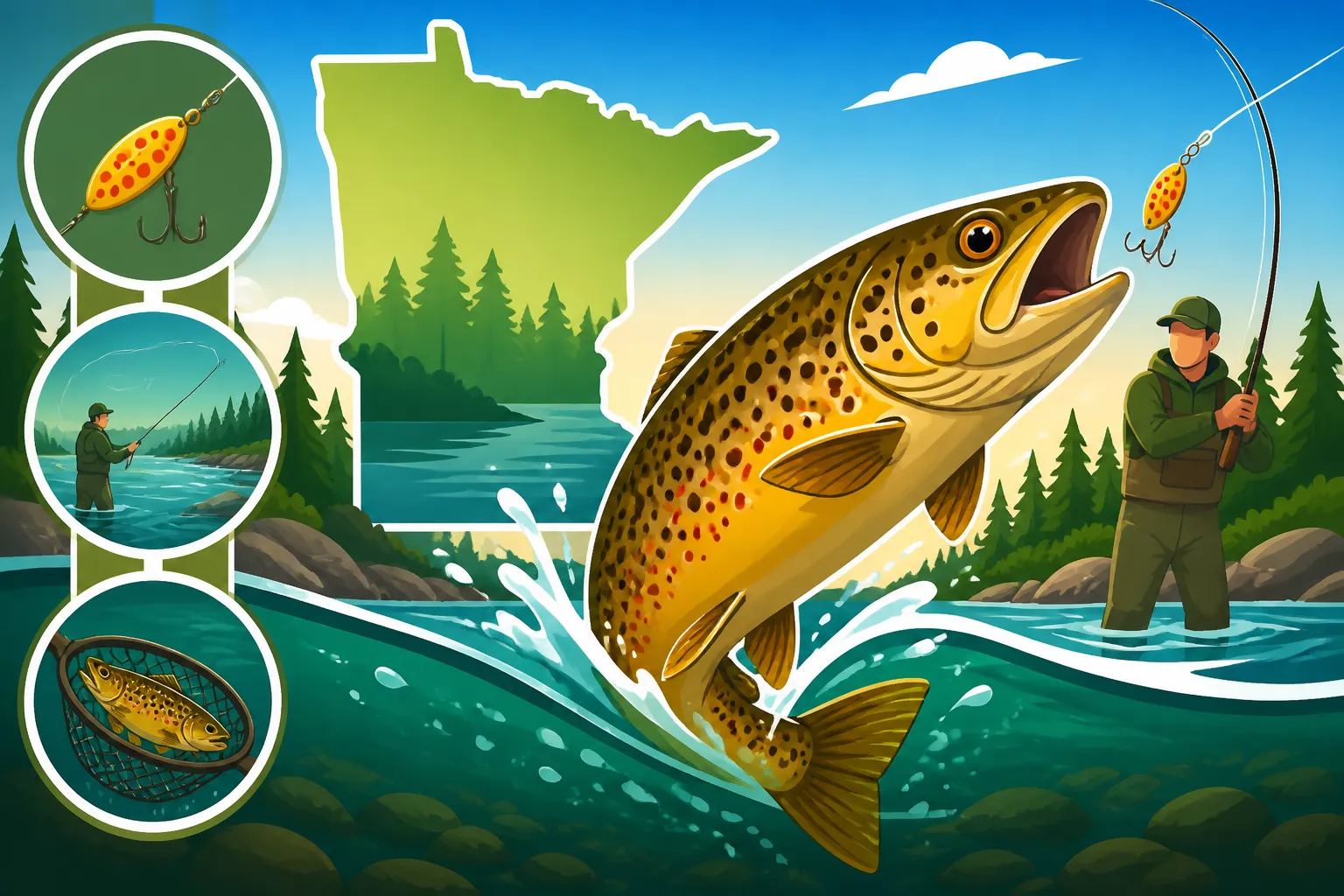
Catching brown trout in Minnesota can feel like trying to solve a puzzle in a fast-moving stream, especially if you're new to trout fishing or accustomed to still water. These notoriously wary fish, particularly the larger ones, demand a thoughtful approach and keen observation. This guide will walk you through everything you need to know, from understanding their habitat and choosing the right gear to mastering the techniques that will put more beautiful brown trout in your net, helping you unlock the secrets of Minnesota's stunning trout streams.
Understanding Brown Trout in Minnesota
Brown trout are a beloved, yet often challenging, species for many Minnesota anglers. Unlike their brook trout cousins, they’re not native to our waters but have established thriving populations, particularly in the southeastern part of the state. They’re known for their beautiful spotted flanks, aggressive strikes, and often, their frustrating elusiveness. Understanding where they live and what makes them tick is your first step to success.
Where Brown Trout Thrive in Minnesota
When we talk about brown trout in Minnesota, one region immediately comes to mind: the Driftless Area. This unique geological region in southeastern Minnesota, along with parts of Wisconsin, Iowa, and Illinois, escaped glaciation during the last ice age. The result is a landscape of deeply incised valleys, spring-fed streams, and cold, clear water – absolutely perfect habitat for trout. These streams, like the Root River system or Hay Creek, maintain stable, cool temperatures year-round, which is crucial for brown trout survival. They prefer streams with plenty of cover, such as undercut banks, fallen logs, deep pools, and overhanging vegetation, all of which offer protection from predators and strong currents. You won't typically find brown trout in large, warm lakes, so focusing your efforts on these specific stream environments is key. For more in-depth information on specific locations, check out our guide on Driftless Area Trout Streams Southeast Minnesota.
Beyond the Driftless Area, you can also find stocked brown trout in some designated trout lakes, often in the Arrowhead region up north. These lakes are typically deep and cold, providing a similar thermal refuge for the trout. However, the quintessential Minnesota brown trout experience truly lies in the winding, rocky streams of the southeast. The stream environment offers a unique challenge and reward, requiring anglers to hone their stealth and presentation skills in a way that lake fishing often doesn't.
Brown Trout Behavior and Diet
Brown trout are opportunistic feeders, meaning they'll eat whatever is readily available in their environment. Their diet can shift dramatically based on the season and the specific stream they inhabit. Larval and adult aquatic insects like caddisflies, mayflies, stoneflies, and midges form a large part of their diet. Terrestrial insects, such as grasshoppers, ants, and beetles, that fall into the water also become easy meals, especially during summer months. This broad diet is why a diverse fly box or a selection of small spinners and jigs can be so effective.
Larger brown trout, however, are notorious for their piscivorous (fish-eating) tendencies. As they grow, they often become more predatory, targeting smaller baitfish like sculpins, dace, and even smaller trout. This shift in diet is why streamers and larger lures can be incredibly effective for targeting those trophy browns. They are also primarily nocturnal feeders, especially the larger, more wary individuals. While you can certainly catch them during the day, fishing during low-light conditions at dawn, dusk, or even into the night can significantly increase your chances of hooking a true monster brown. Their wary nature means they're easily spooked by shadows, vibrations, or sudden movements, making a stealthy approach absolutely critical.
Essential Gear for Brown Trout Success
Having the right gear makes all the difference when you're targeting brown trout. It's not about having the most expensive stuff, but rather the appropriate stuff for the conditions you'll face in Minnesota's trout streams. Think lightweight, versatile, and stealth-oriented.
Rods, Reels, and Line Choices
For stream trout, a lighter setup is almost always the way to go.
- Fly Fishing Setup: If you're going the fly fishing route, a 7.5 to 9-foot, 3 to 5-weight fly rod is perfect. A 9-foot 5-weight is a versatile choice for most conditions, capable of casting dry flies, nymphs, and small streamers. Pair this with a matching reel that balances the rod well and has a smooth drag. Weight-forward floating fly line is standard, with a 9-foot tapered leader ending in 4x to 6x tippet, depending on the fly size and water clarity. Many reputable brands offer excellent fly rod and reel combos for beginners. You can often find a good starter kit on Amazon that includes everything you need to get going.
- Spin Fishing Setup: For spin fishing, a light or ultralight spinning rod between 5.5 and 6.5 feet long is ideal. This length allows for accurate casting in tight quarters often found on trout streams, while still offering enough leverage to handle a decent fish. Match it with a small spinning reel (1000 or 2000 size) spooled with 4-6 pound test monofilament or fluorocarbon line. Some anglers prefer braided line with a fluorocarbon leader for increased sensitivity and casting distance. Remember, light line is crucial for finicky trout; heavy line will spook them.
Regardless of your chosen method, having a quality landing net with a rubberized mesh is a game-changer. It protects the fish's slime coat and fins, making catch and release much safer. Nobody wants to lose a beautiful brown trout at the bank because they couldn't net it properly.
Waders and Boots Safety and Comfort
Trout fishing in Minnesota streams means you're going to get wet, and cold if you're not prepared. Investing in good waders and wading boots isn't just about comfort; it's about safety, especially when navigating slippery rocks and varying water depths. Chest waders made from breathable material like Gore-Tex or similar synthetics are fantastic, allowing you to stay dry without overheating. Neoprene waders are better for colder weather, but can be too warm in summer.
Pair your waders with sturdy wading boots that offer excellent ankle support and grip. Felt soles are traditional and provide amazing traction on slick rocks, but they can be problematic for carrying aquatic invasive species (AIS). Many anglers now opt for rubber soles with studs for improved grip and easier cleaning to prevent the spread of invasives. Always remember the AIS rules for boaters, which also apply to waders and gear used in different bodies of water. Make sure to clean, drain, and dry your gear thoroughly between fishing trips. A good wading staff is also highly recommended, providing crucial stability when crossing swift currents or uneven streambeds.
Must-Have Terminal Tackle and Lures
Your tackle box or fly vest should be well-stocked with a variety of options to match different conditions and trout preferences.
-
For Fly Anglers:
- Dry Flies: Caddis, Mayflies (Elk Hair Caddis, Adams, Parachute Adams, Blue-Winged Olive), Hoppers. Focus on sizes 12-18.
- Nymphs: Pheasant Tail, Hare's Ear, Prince Nymph, Zebra Midge. Sizes 12-20 are your bread and butter. Having a good selection of tungsten-beaded nymphs is essential for getting down quickly in current.
- Streamers: Woolly Bugger (black, olive, brown), Zonker. Sizes 6-10 for targeting larger, predatory browns.
- Split Shot: Non-toxic split shot in various sizes to get nymphs down to the fish.
- Strike Indicators: Small, sensitive indicators for nymphing.
- Floatant: For keeping your dry flies riding high.
- Hemostats/Forceps: For easy hook removal, especially from smaller fish.
- Nippers: For clean line cuts.
- Many of these specialized fly fishing items can be found at local fly shops or through online retailers like Amazon.
-
For Spin Anglers:
- Spinners: Small inline spinners are incredibly effective for brown trout. Brands like Mepps (Aglia, Black Fury) and Rooster Tail in sizes 0-2 (1/32 oz to 1/8 oz) are perennial favorites. Silver, gold, copper, and black blades with various skirt colors work well.
- Small Spoons: Tiny Kastmasters or similar spoons can imitate baitfish.
- Jigs: Small marabou jigs or plastic grub jigs (1/32 oz to 1/8 oz) tipped with a small piece of live bait (worm, minnow head) or scented artificial bait can be deadly.
- Crankbaits: Ultralight crankbaits (e.g., Rapala Countdown or F7 Floating Minnow) in natural baitfish patterns can entice aggressive strikes, especially from larger fish.
- Live Bait: Worms (nightcrawlers, red wigglers), small minnows. Rig these on a small hook (size 8-12) with minimal weight.
- Split Shot: Essential for presenting live bait or small jigs.
- Swivels: Small barrel swivels to prevent line twist, especially with spinners.
Step-by-Step Tactics for Catching Brown Trout
Successfully catching brown trout involves more than just having the right gear; it's about understanding how to approach the water, read its nuances, and present your offering naturally. These steps will guide you through effective brown trout strategies.
Reading the Water and Approaching a Hole
Before you even make a cast, take a moment to read the water. Brown trout are ambush predators and will hold in areas that provide cover, current breaks, and access to food. Look for:
- Deep Pools: Obvious holding spots, especially for larger fish. Cast upstream and let your lure or fly drift through the deepest part of the pool.
- Undercut Banks: These are prime hiding spots. The current carves out a pocket under the bank, providing excellent overhead cover. Fish will often sit right at the edge of the undercut, ready to dart out for food.
- Riffles and Runs: While trout won't typically hold in the fastest part of a riffle, the turbulent water at the head or tail of a riffle breaks up the surface, providing cover, and also washes food downstream. The deeper, faster runs can also hold fish.
- Seams: The transition zone between fast and slow water is a feeding highway. Trout often sit in the slower water, conserving energy, and dart into the faster current to grab passing food.
- Fallen Logs and Boulders: Any structure that breaks the current or offers shade and cover is a potential fish lie. Cast your offering to drift just past these structures.
When approaching a hole, remember that trout are incredibly wary. Move slowly and deliberately. Wear natural colors that blend with the surroundings. Stay low to the ground and avoid casting a shadow over the water. Always try to approach from downstream, casting upstream, so that you're less likely to spook fish and your retrieve moves naturally with the current. This downstream approach also helps ensure that any silt you stir up while wading won't drift over the fish you're trying to catch.
Fly Fishing Techniques Nymphing and Dry Flies
Fly fishing for brown trout is an art form, offering both challenging and incredibly rewarding experiences.
-
Nymphing: This is often the most productive method, as trout feed underwater the vast majority of the time. The goal is to present your nymph naturally, drifting along the bottom where trout are feeding.
- Indicator Nymphing: Rig one or two weighted nymphs under a strike indicator. Cast upstream and mend your line to ensure a drag-free drift. Watch your indicator for any hesitation or subtle movement – that's often a bite. The indicator helps you control depth and detect strikes, which can be incredibly subtle.
- Euro Nymphing (Tight-Line Nymphing): This technique uses no indicator, relying on a colored leader section and direct line contact to detect strikes. It requires a more active fishing style, keeping your rod tip high and following the drift closely. It's incredibly effective in faster, broken water where indicators are hard to see. Learning to read your line for subtle bumps and pauses is key to this technique, and it allows for a very precise presentation of your fly.
-
Dry Fly Fishing: The most visually exciting form of fly fishing, dry fly fishing involves presenting an imitation of an adult insect on the water's surface. This method is highly dependent on insect hatches.
- Matching the Hatch: Observe what insects are flying around or floating on the water. Try to match your fly to the size, shape, and color of the natural insects. When trout are actively rising, this can be incredibly effective.
- Presentation: Cast your dry fly upstream, aiming for a soft landing that doesn't spook the fish. Allow it to drift naturally downstream without any drag. Drag is when your fly moves unnaturally due to current pulling on your fly line, and it will immediately turn off a wary brown trout. Focus on making accurate casts to rising fish or likely holding lies.
-
Streamer Fishing: For those aggressive, larger brown trout, streamers are the ticket. These flies imitate baitfish.
- Retrieval: Cast across or slightly downstream and retrieve with a series of strips and pauses, mimicking a wounded baitfish. Vary your retrieve speed and depth until you find what triggers a strike. This technique can be especially effective when fish are not actively feeding on insects, or during low-light conditions.
Spin Fishing Strategies Casting and Presentation
Spin fishing offers a different set of advantages for brown trout, particularly its ease of use and ability to cover water efficiently.
-
Spinners and Spoons: These are workhorses for trout. Cast them upstream or up-and-across and retrieve just fast enough to get the blade spinning. The flash and vibration are highly attractive.
- Varying Retrieve: Experiment with retrieve speed and depth. Sometimes a faster retrieve triggers a reaction strike, other times a slower, deeper presentation is better. If fishing a pool, let the spinner sink a bit before starting your retrieve. These lures are fantastic for searching new water or covering a wide area quickly, especially when you're trying to locate actively feeding fish.
- Current Control: When casting upstream, reel just fast enough to keep slack out of your line and maintain contact with the lure. Let the current do some of the work, bringing the spinner naturally through the holding water.
-
Jigs and Ultralight Crankbaits: These can be incredibly effective, especially when brown trout are holding deep or are less aggressive.
- Jigging: Cast a small jig upstream, let it sink, and use a series of short lifts and drops of your rod tip to impart action as it drifts downstream. Tipping with a small minnow or a piece of nightcrawler can add scent and appeal. This is an excellent technique for probing deep holes or around submerged structure where fish are likely to be hunkered down.
- Crankbait Precision: Ultralight crankbaits are great for targeting specific structure. Cast them to undercut banks, around logs, or through deep pools. Many crankbaits dive to a specific depth, which can be useful for targeting fish holding at a particular level in the water column. The Rapala Countdown series, for instance, sinks at a consistent rate, allowing for precise depth control.
-
Live Bait Fishing: For many anglers, live bait is a go-to.
- Worms: A small piece of nightcrawler or a red wiggler fished on a small hook (size 8-12) with minimal split shot to get it down can be irresistible. Allow it to drift naturally with the current.
- Minnows: Small shiner or fathead minnows (check regulations for bait restrictions) can be deadly, especially for larger browns. Hook them lightly through the lips or dorsal fin and drift them through promising water.
- Presentation is Key: No matter the bait, a natural, drag-free drift is paramount. You want your bait to tumble and move as if it were naturally dislodged from the streambed.
Seasonal Considerations for Brown Trout Fishing
Minnesota offers brown trout fishing opportunities throughout much of the year, but the strategies you employ will need to adapt to the changing seasons and water conditions. Understanding these shifts is vital for consistent success. Make sure you check the specific Minnesota Fishing Seasons & Opener Dates 2026 for trout streams, as these can vary. And don't forget to grab your Minnesota Trout Stamp & Trout Regulations before heading out.
Spring Tactics Post-Spawn and Hungry Fish
Spring, especially right after the stream trout opener, can be an excellent time to target brown trout. The fish are often recovering from their fall spawn and are aggressively feeding to regain energy. Water levels are typically higher due to snowmelt and spring rains, and temperatures are still cool, keeping the trout active throughout the day.
- High Water Strategies: In higher, slightly off-color water, brown trout feel more secure and will often move out of their deepest holding lies. Larger, more visible flies like Woolly Buggers or larger nymphs are effective. Spin anglers can do well with larger spinners (size 2-3) or ultralight crankbaits that create more vibration and flash. Don't be afraid to fish closer to the banks, as the higher water creates new holding lies.
- Insect Hatches: As the weather warms, you'll start to see early spring hatches of mayflies (like Blue-Winged Olives) and caddisflies. This is when dry fly fishing can really pick up, but be prepared for cold fingers! Nymphing will likely remain your most consistent producer, as many insects are still in their larval stages.
- Targeting Transition Zones: Focus on areas where fast water transitions into slower pools, or where tributaries meet the main stream. These convergence points are natural food funnels where hungry trout will congregate.
Summer Challenges Low Water and Wary Fish
Summer brown trout fishing in Minnesota's Driftless Area presents a unique set of challenges. Water levels typically drop, and temperatures rise, especially during prolonged heatwaves. Brown trout become much more wary and are often concentrated in cooler, deeper pools or near spring seepages.
- Stealth is Paramount: With clearer, lower water, your presence is much more obvious to the fish. Approach quietly, stay low, and make long, accurate casts to avoid spooking fish. This is where your light line and refined presentation really come into play.
- Low-Light Fishing: Daytime fishing can be tough, especially midday. Focus your efforts on early mornings, late evenings, or even night fishing. During these times, larger browns become more active and are less cautious.
- Terrestrial Insects: When grasshoppers, crickets, and ants are abundant in streamside vegetation, dry flies imitating these terrestrials can be incredibly effective, especially when dropped near overhanging branches or grassy banks.
- Smaller Lures and Flies: Downsize your offerings. Tiny nymphs (size 18-22), small dry flies (size 16-20), and micro-spinners (size 0-1) are often more productive. Presentation needs to be flawless – a natural, drag-free drift is critical to entice a bite from a spooky summer brown.
Fall Opportunities Pre-Spawn Aggression
Fall is arguably the most exciting time to target large brown trout in Minnesota. As water temperatures begin to cool and days shorten, brown trout become incredibly aggressive as they prepare for their annual spawn. They're bulking up and are less hesitant to strike larger offerings.
- Aggressive Feeding: This is prime time for streamers and larger lures. Fish are less concerned about subtlety and more focused on caloric intake. Think big Woolly Buggers, articulated streamers, or larger ultralight crankbaits.
- Focus on Spawning Areas (Respectfully): Brown trout spawn in the fall, often in shallow, gravelly areas of the stream. While it can be tempting to target fish on redds (spawning beds), it's highly encouraged to avoid disturbing spawning fish. Instead, target fish in deeper pools and runs adjacent to these areas, where they'll be staging before or recuperating after spawning.
- Varying Water Conditions: Fall can bring fluctuating weather, from warm Indian summer days to crisp, cold snaps. Be prepared to adapt your tactics. On warmer days, you might still see some dry fly action, while colder days will lean towards nymphing or streamer fishing.
- Late Season Access: Many smaller streams may become difficult to access once snow falls, so capitalize on the fall window. The vibrant autumn foliage also makes for some truly breathtaking scenery while you're out on the water.
Remember to always consult the current Minnesota DNR fishing regulations for specific seasons, limits, and any special regulations for the stream you plan to fish.
Brown Trout Gear Comparison: Fly vs. Spin Fishing
To help you decide which setup might be best for your brown trout adventure, here’s a quick comparison of the typical gear for both fly fishing and spin fishing.
| Gear Category | Fly Fishing Setup (Typical) | Spin Fishing Setup (Typical) |
|---|---|---|
| Rod | 7.5-9 ft, 3-5 weight (e.g., 9' 5wt for versatility) | 5.5-6.5 ft, ultralight to light action |
| Reel | Single action, matching rod weight, smooth drag | 1000-2000 size spinning reel |
| Line | Weight-forward floating fly line, 9ft tapered leader, 4x-6x tippet | 4-6 lb monofilament, fluorocarbon, or braided with fluoro leader |
| Primary Lures/Bait | Dry flies, nymphs, streamers | Inline spinners, small spoons, ultralight jigs, crankbaits, live bait |
| Key Advantage | Natural presentation, subtle strikes, precise fly matching | Ease of casting, covering water, effective with live bait |
| Typical Cost | Moderate to high (entry combos available on Amazon) | Entry-level to moderate (many options available on Amazon) |
| Learning Curve | Higher, requires practice for casting | Lower, generally easier for beginners |
Choosing between fly and spin fishing often comes down to personal preference and comfort level. Both methods are incredibly effective for catching brown trout in Minnesota, provided you learn and apply the appropriate techniques. If you're looking to dive deep into fly fishing, our guide on How to Catch Stream Trout Nymphs & Dries offers more detailed insights.
Disclaimer
Fishing regulations can change frequently. Always consult the official Minnesota Department of Natural Resources (DNR) website or the current Minnesota Fishing Regulations handbook before heading out on the water. This guide is for informational purposes only and does not supersede state regulations. Be safe, ethical, and practice responsible catch and release.