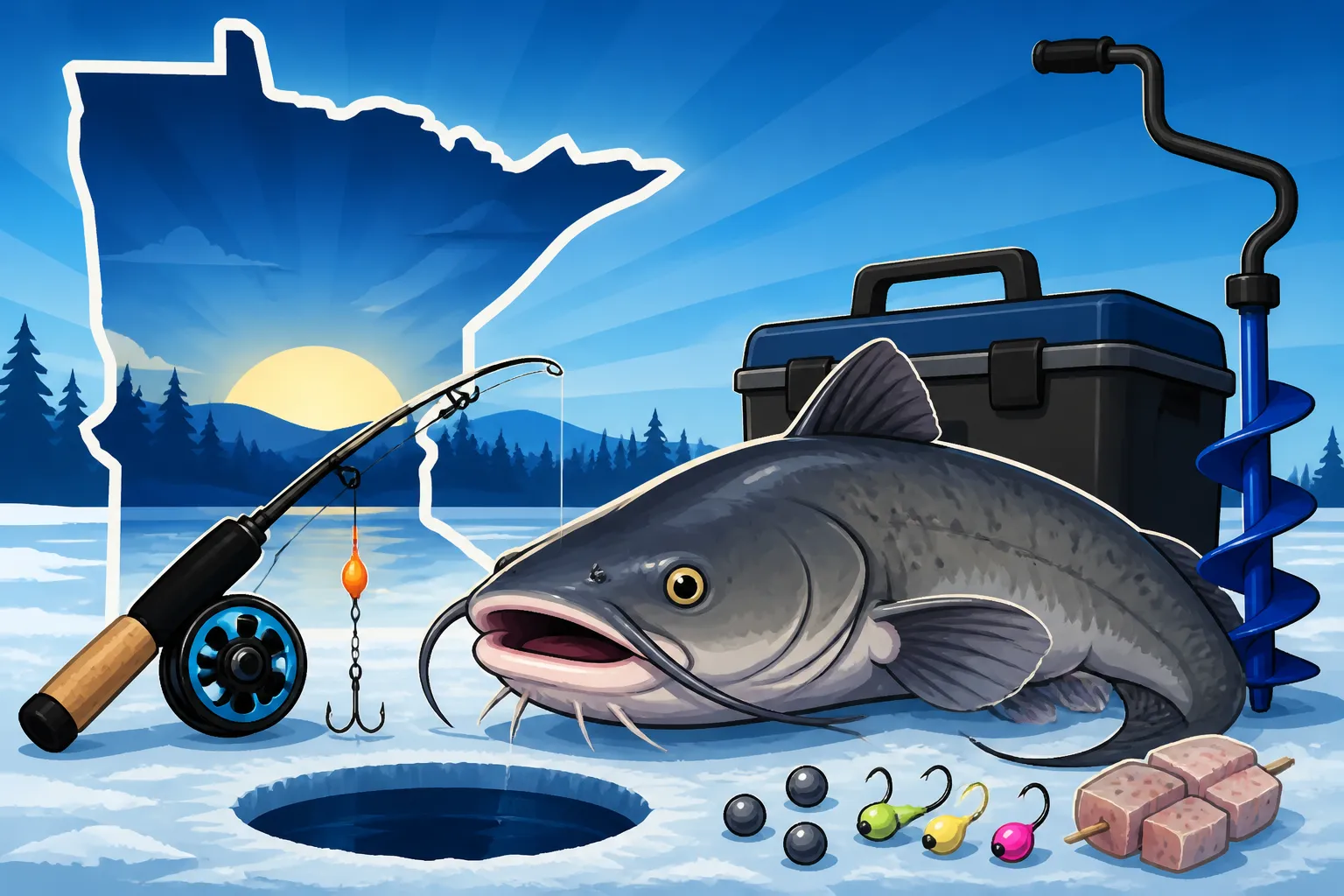
Best Gear for Ice Fishing Channel Catfish in Minnesota
Ice fishing for channel catfish in Minnesota can feel like a bit of a mystery, right? You're out there on the hard water, usually targeting walleye or panfish, and the idea of hooking into a powerful, whiskered giant through a tiny hole can seem daunting. Many anglers get frustrated trying to use their typical panfish jigs or walleye combos, only to find themselves outmatched or unable to even detect a bite. This guide is here to demystify the process and equip you with the best gear to confidently target and land channel catfish during Minnesota's frosty winters.
Rods and Reels for Ice Catfish
When you’re setting your sights on channel catfish through the ice, you need to understand that these aren't your average panfish. They’re strong, tenacious fighters, even in cold water. Using inadequate gear is a surefire way to break lines, snap rods, or lose the fish of a lifetime. Forget your ultralight panfish setups; we're talking about serious horsepower here.
Rod Power and Action for Cold Water Battles
For ice fishing channel catfish, your rod needs to be a workhorse. I'd lean heavily towards a medium-heavy to heavy power rod. This power rating gives you the backbone required to manage a hard-pulling catfish. Think about a 30-inch channel cat trying to dive back down the hole; a flimsy rod simply won't cut it. The longer length you can get away with for an ice rod, the better, typically in the 30 to 40-inch range. This extra length helps absorb runs and keeps the fish's head up as you try to guide it through the hole.
As for action, a fast to moderate-fast action is usually ideal. A fast action means the rod bends mostly in the tip, giving you excellent sensitivity to detect subtle bites, which can be crucial for sluggish winter catfish. However, it still transitions quickly into that heavy backbone. A moderate-fast action gives a bit more bend further down the blank, offering a little more forgiveness and shock absorption for those sudden, powerful headshakes common with big cats. Some anglers even prefer a moderate action for a more parabolic bend that acts like a big shock absorber. The key is finding a balance that lets you feel the bite but also has the muscle to haul in a big fish. Brands like Fenwick, especially their HMG or Elite series ice rods, offer excellent options, readily available at places like Bass Pro Shops.
Reel Size and Type for Strong Runs
Matching your powerful rod with an equally capable reel is non-negotiable. For ice fishing channel catfish, a good quality spinning reel in the 2500 to 4000 series is usually the sweet spot. A larger spool diameter on these reels helps manage heavier lines, and the larger gearing provides more cranking power when you're battling a stubborn fish.
The most critical feature of your reel, perhaps even more so than for summer fishing, is a smooth and robust drag system. When a big catfish decides to run under the ice, you need a drag that pays out line without sticking or jerking, which can easily lead to break-offs. Test your drag regularly, and make sure it’s set properly before you ever drop a line. Cold weather can sometimes affect lubricants, so a reel known for its reliable cold-weather performance is a huge plus. Shimano's Sedona or Daiwa's Revros series are great examples of reels that offer excellent drag performance and durability without breaking the bank, and you can often find them with good deals on Amazon.
Line and Terminal Tackle Essentials
Having the right rod and reel is just the beginning. What connects you directly to that fish – your line and terminal tackle – needs to be robust and reliable. Winter conditions are unforgiving, and weak links in your setup will be exposed quickly by a thrashing channel cat.
Fishing Line for Durability and Sensitivity
For ice fishing catfish, I highly recommend a braided main line. Braid has almost no stretch, which gives you exceptional sensitivity to feel those light bites and instant hook-sets, even when fishing in deeper water or with a lot of line out. Plus, it's incredibly strong for its diameter. I typically spool up with 20 to 30-pound test braided line. While braid is fantastic, it can absorb water and freeze, so using a high-quality, water-resistant braid is important.
However, tying directly to braid isn't always the best idea. I always recommend a fluorocarbon leader. Fluoro is nearly invisible underwater, which can be an advantage in clear winter water, and it offers excellent abrasion resistance against sharp fins, teeth, or rough ice edges. A 15 to 25-pound test fluorocarbon leader, about 2 to 3 feet long, tied to your braid with a strong knot like an FG or Alberto knot, is a fantastic combination. Some anglers might opt for a monofilament leader for a little more stretch, acting as a shock absorber, but the abrasion resistance of fluoro usually wins out for me.
Hooks and Weights for Big Bites
Your hooks need to be strong enough to handle a powerful bite and not straighten out under pressure. Size 1/0 to 4/0 circle hooks or J-hooks are generally suitable for channel catfish. Circle hooks are often preferred because they are designed to hook fish in the corner of the mouth, reducing gut-hooking and making for easier release if you're practicing catch and release. They also tend to stay put once the fish takes the bait. If using J-hooks, make sure they are heavy-duty and chemically sharpened for optimal penetration.
When it comes to weights, you'll need something substantial to get your bait down through the current (especially if you're on a river like the Mississippi River pools, which can hold fantastic winter catfishing) or simply to anchor your bait effectively. Egg sinkers or bell sinkers ranging from ½ ounce up to 2 ounces or more are common. The exact weight will depend on the depth and current. For a more subtle presentation, a slip sinker rig, where the line runs freely through the sinker, is often effective. This allows the fish to pick up the bait without feeling the weight immediately, which can be crucial for finicky winter fish. Remember to include a bead between your sinker and swivel to protect the knot.
Bobbers and Leaders for Precise Presentations
While not always necessary if you're deadsticking or jigging directly, a good slip bobber setup can be incredibly effective for ice fishing catfish. A heavy-duty slip bobber, large enough to support your bait and sinker without submerging, will allow you to present your bait at a precise depth. Look for bobbers with high visibility for easy bite detection, especially in low light. For information on how many lines you can use ice fishing in Minnesota, it’s always good to consult the regulations before setting up multiple rigs.
Your leader material, as mentioned before, should be fluorocarbon for its stealth and abrasion resistance. Some anglers opt for pre-tied steel leaders, especially if there's a chance of incidental northern pike encounters, but typically a heavy fluorocarbon is sufficient for channel catfish and often results in more bites due to its lower visibility.
Essential Baits and Attractants
Winter catfish might not be as active as their summer counterparts, but they still need to eat. The right bait, presented correctly, is paramount to success. Forget the worms and tiny minnows you use for crappies; channel catfish have different preferences, even when the water is cold.
Preferred Catfish Baits for Cold Water
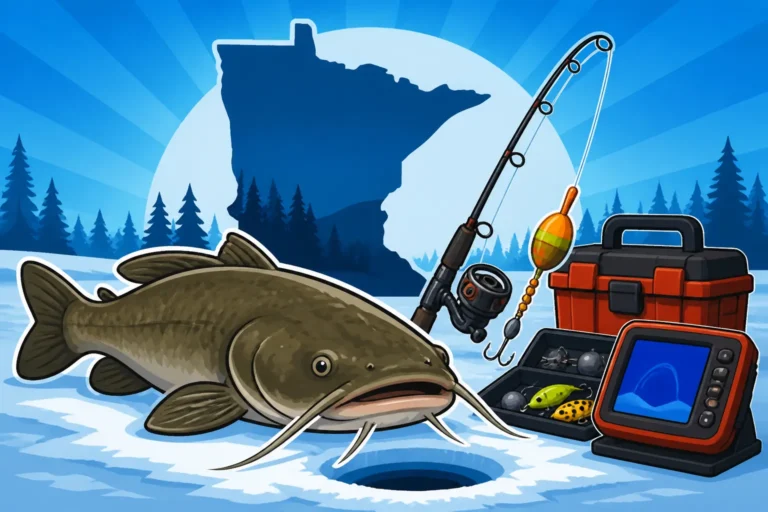
The number one bait for ice fishing channel catfish is almost always cut bait. Fresh cut bait from oily fish like shad, suckers, or even substantial chunks of bluegill or perch can be incredibly effective. The scent trail that oily cut bait releases into the water is a powerful attractant, drawing in catfish from a distance. Cut the bait into chunks roughly 1 to 2 inches square, or use strips. Larger pieces often deter smaller panfish, allowing your bait to remain appealing to the target species. You can buy whole frozen suckers or use smaller panfish you've caught legally.
Prepared "stink baits" can also work, though they are often more effective in warmer water. However, some anglers swear by specific commercial catfish baits even in winter. Chicken livers are another classic catfish bait that can be surprisingly potent through the ice. Their soft texture allows for excellent scent dispersion, but they can be a challenge to keep on the hook, especially with aggressive bites. Consider netting around the hook with some bait netting or a small piece of pantyhose to keep the liver intact.
Scent and Chumming Strategies
In the cold, catfish metabolism slows down, and their activity levels drop. This means you need to work harder to get their attention. Scent is your ally. Using additional fish attractants, applied directly to your cut bait or artificial offerings, can significantly boost your chances. Products like those from Pro-Cure or Mike's Goo are popular choices. They release strong, long-lasting scent trails that can coax a lethargic catfish into biting.
Chumming can also be a game-changer, but always check local regulations as it's not allowed everywhere. If permitted, dropping small amounts of chopped bait, ground fish, or even commercial chum pellets down your hole can create a scent plume that attracts catfish to your fishing area. Just be careful not to over-chum, which can quickly fill them up without a hook. A slow, steady release of scent is usually more effective. Knowing how to catch Channel Catfish in Minnesota (Step by Step) includes mastering these bait and scent techniques.
Electronics and Accessories for Success
While ice fishing for channel catfish might seem old-school, leveraging modern electronics and having the right accessories can drastically improve your odds and comfort on the ice. Minnesota ice fishing offers some truly incredible experiences, but proper preparation makes all the difference. For a more general overview, check out our guide on Ice Fishing in Minnesota: Complete Beginner-to-Pro Guide.
Fish Finders and Flashers
Even if catfish don't always "mark" as clearly as walleye or panfish on your screen, a good fish finder or flasher is still incredibly valuable. Units like a Vexilar FLX-28, Humminbird Ice Helix, or Garmin Striker series will help you understand the bottom contour, identify potential structure where catfish might be holding, and tell you the depth of the water. While you might not see individual catfish schools, you can certainly see baitfish or other species that catfish prey on. More importantly, it helps you verify your bait is at the desired depth and detect if other fish are investigating your offering. This is especially true if you are fishing in an area with a lot of current; seeing your bait on the screen ensures it's where you want it to be.
If you're looking to dive deeper into electronics, you can find a comprehensive comparison in our article on the Best Ice Fishing Flashers: Vexilar vs Humminbird vs Garmin. These tools give you an undeniable edge in locating optimal fishing spots and understanding what’s happening beneath the ice.
Ice Augers and Shelters
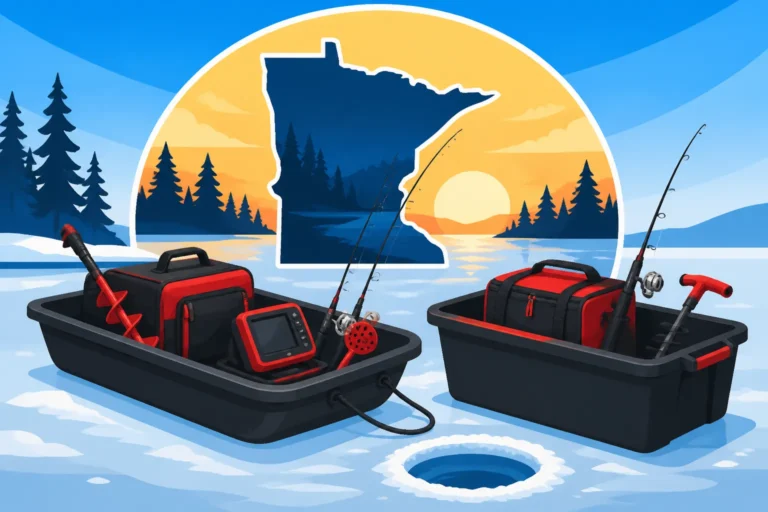
Don't skimp on your ice auger. Channel catfish often prefer deeper water, and you might need to drill multiple holes to find them. Moreover, thick Minnesota ice demands a powerful and reliable auger. An 8 or 10-inch auger is recommended for catfish, as it gives you a larger hole to work with when landing a big fish. Trying to squeeze a 15-pound cat through a 6-inch hole is a recipe for disaster and frustration. Electric augers, like the StrikeMaster Lithium 40V, or gas augers from brands like Eskimo, are excellent choices, offering power and efficiency. For more options, explore our guide on the Best Ice Augers for Minnesota: Electric vs Gas.
A comfortable and warm ice shelter is non-negotiable, especially when targeting a less active species like winter catfish. Whether you prefer a portable flip-over from Clam or Otter or a hub-style shelter, having a warm enclosure keeps you comfortable, focused, and able to fish longer. A sturdy shelter helps reduce noise and visual disturbance that might spook finicky fish. You can learn more about choosing the right one in Best Ice Shelters: Clam vs Otter (Flip vs Hub).
Other Must-Have Accessories
Beyond the core fishing gear, several accessories will make your ice fishing catfish experience much more enjoyable and successful:
- Rod Holders: When deadsticking or using multiple lines (within legal limits, of course), a sturdy rod holder keeps your rod secure and allows for hands-free fishing.
- Long-nose Pliers or Jaw Spreaders: Catfish have tough mouths and can swallow hooks deep. Pliers are essential for safe and efficient hook removal.
- Heater: A portable propane heater is a lifesaver in an ice shelter, keeping you warm even on the coldest days.
- Warm Clothing: Layering is key for Minnesota ice fishing. Don't forget insulated boots, gloves, and a good ice fishing suit. You can find more recommendations in our guide to the Best Ice Fishing Gear for Minnesota (2027 Guide).
- Headlamp or Lantern: For early morning or late evening fishing, good lighting is essential for rigging up and safely navigating the ice.
- Spud Bar or Ice Picks: Always prioritize safety on the ice. A spud bar helps you check ice thickness as you move, and ice picks are crucial safety gear for self-rescue.
Remember to always check the specific Channel Catfish Season & Limits in Minnesota before heading out, as regulations can change. Being well-prepared and respectful of the rules ensures a great and responsible fishing trip.
Disclaimer
Fishing conditions and regulations in Minnesota can change. Always consult the most current Minnesota Department of Natural Resources (DNR) fishing regulations before heading out on the water. This guide is for informational purposes only and does not constitute legal advice.