Best Bluegill Fishing Tactics in Minnesota
Bluegill fishing in Minnesota is a cherished pastime, offering accessible fun for anglers of all ages. Yet, many of us find ourselves struggling to consistently land those truly "jumbo" bluegill, often getting bogged down in smaller fish or missing out on prime opportunities. This comprehensive guide is dedicated to equipping you with the specialized tactics and understanding needed to elevate your bluegill game, ensuring you find more success and bigger smiles on the water.
Understanding Minnesota Bluegill Behavior and Habitat
To truly master bluegill fishing, you've got to think like a bluegill. These little dynamos aren't just random swimmers; they have specific preferences that dictate where they live, what they eat, and how they react to changes in their environment. Knowing these nuances is your first step to consistent success on Minnesota's vast waterways.
Bluegill Life Cycles and Spawning Patterns
Bluegill are prolific spawners, and understanding their reproductive cycle is a huge advantage. Typically, in Minnesota, the bluegill spawn kicks off in late spring to early summer, usually when water temperatures consistently hit the high 60s Fahrenheit. This means anywhere from late May through July, depending on how quickly the spring warms up. You'll find them moving into incredibly shallow water, often as little as 1-3 feet deep, seeking out protected bays, coves, and shorelines with sandy, gravelly, or even mucky bottoms.
During this time, male bluegill will fan out circular nests, often grouped together in colonies that look like a honeycomb from above. They become incredibly aggressive, defending their nests from any perceived threat, including your bait. This is a prime time to target them, but remember to practice responsible catch-and-release, especially with larger males, to ensure healthy populations for future generations. Once the spawn is over, bluegill typically retreat to slightly deeper water, often holding along the first break lines or near dense cover.
Preferred Forage and Structural Hideouts
Bluegill are opportunistic feeders with a diet that primarily consists of aquatic insects, larvae, small crustaceans, and even tiny minnows or fish eggs. This diverse menu means they're often found wherever these food sources are abundant. Think about the bustling underwater world: weed beds, lily pad fields, submerged brush piles, old docks, fallen trees, and even pontoon lifts provide not only food but also crucial protection from predators like northern pike and bass.
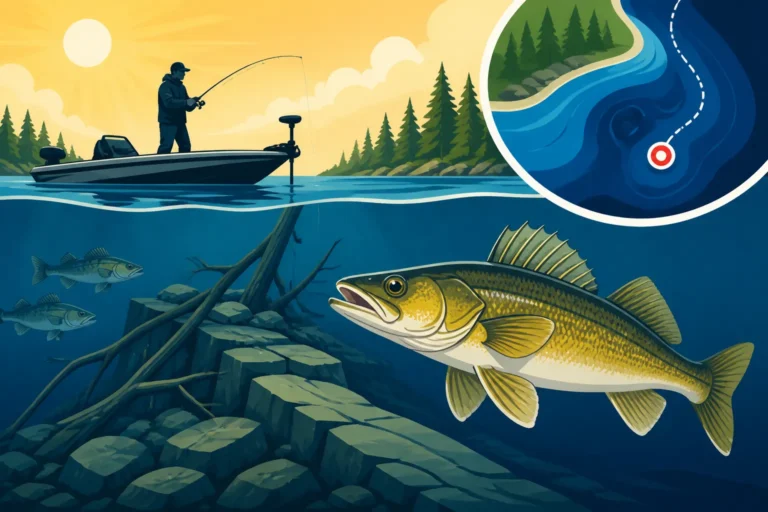
In Minnesota lakes, especially those with clear water, bluegill will hug these structures tightly. A dense weed line, for example, isn't just cover; it's a buffet of insect life. Drop a small bait near the edge of a coontail bed, and you're likely to get a bite. During the warmer parts of summer, when the shallower waters might get a bit too toasty or pressured, bluegill often transition to deeper weed edges or even suspend over deeper basins, following schools of plankton or hunting for invertebrates. Learning to read lake maps and identify these key structural elements is invaluable.
Essential Gear for Successful Bluegill Angling
You don't need a boatload of expensive equipment to catch bluegill, but having the right tools for the job can make a world of difference, especially when you're trying to coax out those larger, warier fish. It's about finesse and matching your tackle to these smaller, yet spirited, fighters.
Rods, Reels, and Line Selection
For bluegill, sensitivity is paramount. You want to feel even the most subtle bite, which often feels like just a slight tick or extra weight on your line. That's why an ultralight spinning combo is the absolute best choice. Look for a rod in the 5 to 6.5-foot range with a fast action tip and a light power rating. This setup allows for casting tiny lures and baits while still providing enough backbone to handle a feisty slab bluegill.
Pair your ultralight rod with a small spinning reel, something in the 500 or 1000 size class. These reels are lightweight and designed to balance well with ultralight rods. Spool it up with 2 to 4-pound test monofilament or fluorocarbon line. Monofilament offers good knot strength and stretch, which can be forgiving on light hooks. Fluorocarbon is nearly invisible underwater and has less stretch, offering increased sensitivity, which can be a game-changer when targeting finicky fish. Some anglers even opt for 4-pound braided line with a short fluorocarbon leader for maximum sensitivity and casting distance, especially when you can find specific braided lines for sale on platforms like Amazon. For those just starting out, a quality ultralight spinning combo can be a fantastic entry point into Best Fishing Gear for Beginners in Minnesota By Budget without breaking the bank.
Baits and Lures That Bluegill Can't Resist
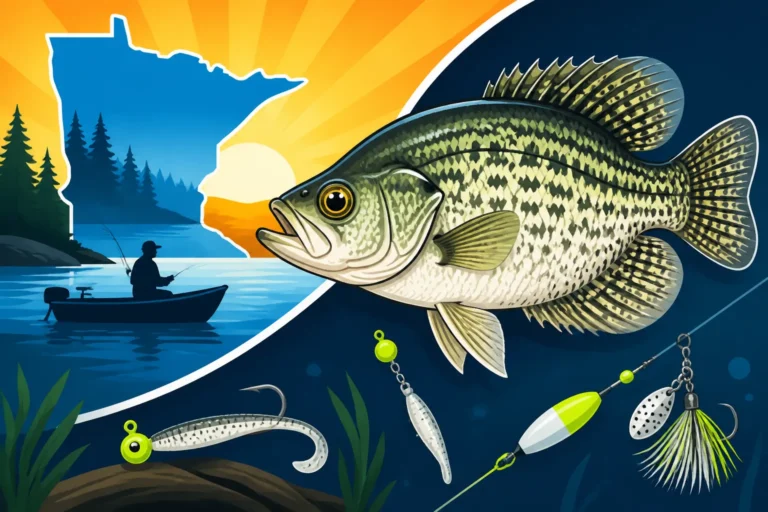
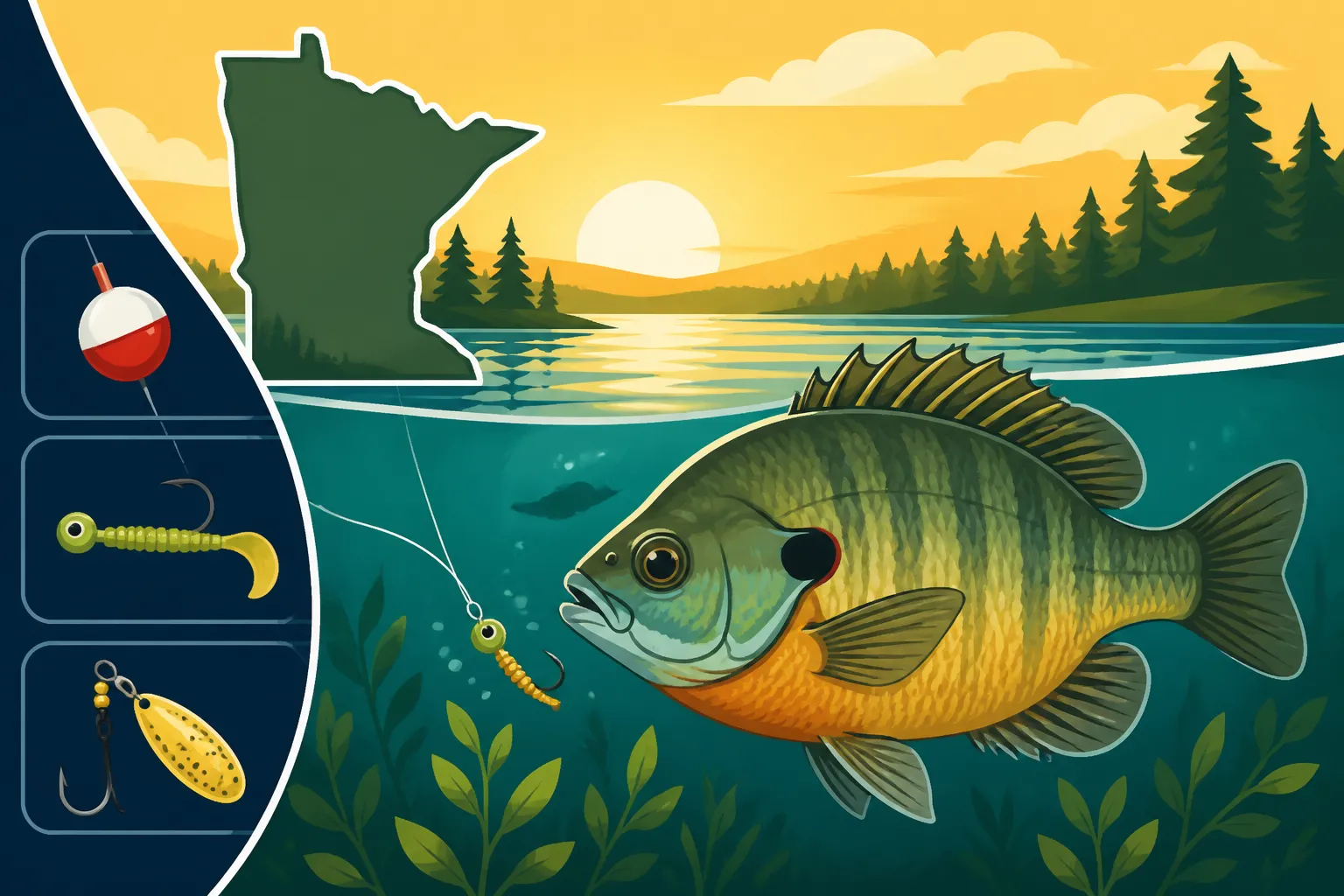
Bluegill are not overly picky eaters, but they do have favorites. Live bait is almost always a surefire bet. Waxworms, maggots (spikes), and small red worms or pieces of nightcrawler are bluegill candy. Tiny leeches can also be incredibly effective, especially for larger bluegill. Present these on small hooks, usually sizes 8 to 14, to match the small mouth of a bluegill.
When it comes to artificials, think small, subtle, and shiny. Tiny jigs, often 1/64 to 1/32 ounce, tipped with a small soft plastic or even just the jig itself, can be deadly. Colors like chartreuse, pink, white, and black often work well. Micro-spoons, small inline spinners, and even tiny soft plastic tubes or grub bodies on a jig head are also excellent options. For those looking to stock up on these specialized, small offerings, you can often find a wide selection of Best Tungsten Jigs for Panfish or other micro-lures. The key is to match the hatch – if you see a lot of small insects or minnows around, try to imitate them. Remember that having a variety of options allows you to adapt to changing bluegill preferences throughout the day.
Top Bluegill Fishing Tactics for Minnesota Waters
Catching bluegill isn't just about showing up with a hook and worm. It's about presentation, depth, and understanding how these fish relate to their environment. Minnesota offers diverse fishing opportunities, and these tactics will help you capitalize on them.
Mastering the Slip Bobber Rig
The slip bobber rig is arguably one of the most effective and versatile ways to fish for bluegill, especially when they're holding at a specific depth or around structure. Unlike a fixed bobber, a slip bobber slides freely on your line, allowing you to easily adjust your bait's depth with a small bobber stop. This means you can fish in 15 feet of water with only 2 feet of line hanging below your bobber when you cast, making accurate presentations much simpler.
To set up a slip bobber rig, you'll need a bobber stop (thread or rubber), a small bead, the slip bobber itself, a small split shot or two (just enough to make the bobber sit upright), and a tiny hook. The process is straightforward: slide the bobber stop onto your main line, then the bead, then the slip bobber, then tie on your hook. Crimp a split shot a few inches above the hook. You can learn exactly How to Set Up a Slip Bobber Rig Step by Step. The beauty of this rig is its versatility: fish it over weed beds, along dock pilings, or near fallen trees. When that bobber disappears, set the hook with a gentle, swift motion.
Light Jigging and Presentation
When bluegill are a bit deeper, or when you're looking for a more active approach, light jigging can be incredibly productive. This technique involves using a small jig, often tipped with live bait or a micro-plastic, and working it vertically or with subtle casts and retrieves. Through the open water season, this means fan-casting small jigs around cover and letting them slowly fall, or using your boat's electronics to find schools of fish and dropping jigs directly on them.
The key to successful jigging for bluegill is subtlety. You're not looking for big, aggressive movements. Instead, think about tiny twitches, slow lifts, and pauses. Often, a bluegill will hit the bait on the fall, so pay close attention to your line for any hesitation or unnatural movement. This technique is particularly effective in transition areas where shallow water drops off into deeper troughs, or around submerged timber. Many anglers use a small piece of bait like a waxworm on their jig to add scent and visual appeal.
Bluegill Tactics for Ice Fishing
When Minnesota lakes freeze over, the bluegill action doesn't stop. In fact, ice fishing for bluegill can be some of the most rewarding fishing of the year. The principle remains similar to open water: small baits, sensitive gear, and finding the right depth and structure. Bluegill tend to school up in predictable areas during winter, often in deeper basins near historical weed lines or drop-offs, or suspended over open water if there's an abundance of zooplankton.
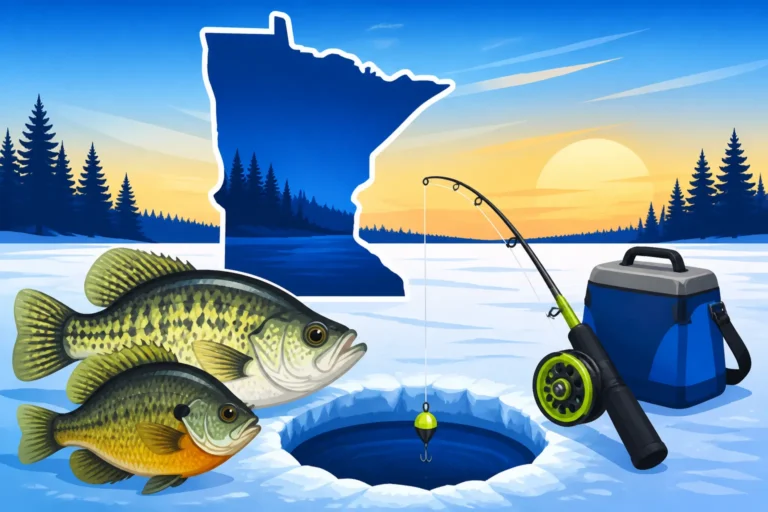
For ice fishing, tiny tungsten jigs are king. Their density allows them to sink quickly despite their small size, getting your bait down to the fish efficiently. Tip these jigs with a couple of waxworms, maggots, or even a small plastic "micro-noodle." Use an ultralight ice fishing rod, typically 24-30 inches long, with a sensitive spring bobber or a very soft tip to detect the light bites. A small spinning reel spooled with 2-pound monofilament or fluorocarbon is ideal. Many anglers rely on electronics, like a Vexilar or Humminbird flasher, to see their jig and the fish, allowing for precise depth control and immediate feedback on bites. If you want to dive deeper into this, check out How to Catch Bluegill Through the Ice in Minnesota.
Seasonal Strategies for Consistent Catches
Minnesota's fishing calendar is defined by its distinct seasons, and bluegill behavior changes significantly with water temperature and daylight. Adapting your tactics to the time of year is crucial for year-round bluegill success.
Spring and Early Summer: The Spawning Frenzy
This is prime time for many bluegill anglers. As mentioned, bluegill move shallow to spawn when water temperatures reach the high 60s. Your strategy here is simple: find those shallow, protected bays with dark bottoms that warm up quickly. Look for visible nests or concentrations of fish. During the spawn, bluegill are aggressive and territorial, making them easier to catch.
However, anglers must be mindful of the impact of harvesting large spawning males. While catching them is exciting, it can negatively affect future generations. Consider releasing the larger "bull" bluegill and only keeping a few smaller ones for the pan. Always check the current Minnesota Crappie & Sunfish Limits, as regulations can vary by lake, and the Minnesota DNR often implements special regulations, including reduced bag limits or slot limits, to protect and enhance panfish populations. Knowing your Minnesota Fishing Seasons & Opener Dates (2026) for panfish will keep you legal and informed.
Summer: Deeper Structure and Weed Lines
As summer progresses and water temperatures climb into the 70s and 80s, bluegill will transition out of their shallow spawning beds. They'll typically move to deeper weed lines, the outer edges of lily pad fields, submerged brush piles, humps, and points. These areas offer cooler water, cover from predators, and a consistent food supply.
Your approach during summer should focus on locating these deeper structures. Use your electronics to find healthy weed growth or schools of fish. A slip bobber is still very effective here, allowing you to present bait precisely at the depth fish are holding. Pay attention to how deep the fish are – sometimes they're right on the bottom, other times they might be suspended 5-10 feet off the bottom in deeper water. Small jigs tipped with plastics or live bait, slowly retrieved or vertically jigged, are also highly effective. Consider fishing during low-light conditions (early morning, late evening) or on overcast days when bluegill might move shallower to feed more aggressively.
Fall and Winter: Basin Fishing and Ice Action
As autumn chills the water, bluegill begin to move from summer haunts towards deeper water, often congregating in large schools in the basin areas of lakes, particularly those with soft bottoms where insect larvae reside. This can be a challenging time for open-water bluegill, as they are less active, but finding a school can lead to a banner day. Small jigs, fished slowly, are usually the ticket.
Once the ice forms, these basin areas and deeper weed edges become prime ice fishing spots. Bluegill will often suspend at various depths, so using a flasher to pinpoint their exact location is incredibly helpful. Focus on using tiny tungsten jigs, tipped with a waxworm or a cluster of maggots. A subtle jigging motion is usually best, often just barely moving the bait. If the bite is particularly tough, a deadstick rod (a rod with a plain hook and live bait sitting still in a separate hole) can often pick up hesitant fish while you actively jig another hole. Understanding Seasonal Fishing Patterns in Minnesota for all species can provide a broader context for how bluegill fit into the larger ecosystem throughout the year.
| Tactic/Condition | Ideal Season | Preferred Habitat | Best Baits/Lures | Key Considerations |
|---|---|---|---|---|
| Slip Bobber | Spring, Summer | Shallow weeds, docks, break lines | Waxworms, maggots, leeches, small plastics | Versatile, precise depth control |
| Light Jigging | Summer, Fall, Winter | Deeper weed lines, basin humps, open water | Tungsten jigs, micro-plastics, tipping with live bait | Active presentation, sensitive rod required |
| Ice Fishing | Winter | Deep basins, historical weed lines | Tungsten jigs, plastics, waxworms, maggots | Electronics (flasher) highly recommended, specialized gear |
| Shore Fishing | Spring, Early Summer | Spawning beds, docks, brush piles | Worms under bobber, small spinners | Accessibility, targeting visible cover |
Finding the Best Bluegill Waters in Minnesota
While bluegill are common, some lakes truly stand out for producing quality fish. Knowing where to focus your efforts can save you a lot of time and lead to much more rewarding days on the water.
Utilizing Online Resources and Lake Maps
The Minnesota Department of Natural Resources (DNR) website is an absolute goldmine of information for anglers. Their LakeFinder tool provides detailed reports for thousands of lakes, including fish population assessments, depth maps, stocking information, and even fishing tips. You can often find data on panfish catch rates and average sizes, which can point you towards lakes known for bigger bluegill.
Beyond the DNR, various online forums, fishing reports from local bait shops, and apps like Navionics or Fishbrain can offer real-time insights into what's biting and where. These resources are invaluable for discovering local hotspots or understanding general trends. For example, some lakes might have reduced sunfish limits (which includes bluegill) to protect trophy populations, so always double-check specific lake regulations. Don't forget to review What Is the Sunfish Limit on My Lake? before heading out.
Targeting Quality Lakes for Jumbo Bluegill
While almost any Minnesota lake with panfish will have bluegill, some are consistently better for those prized "jumbo" specimens. Generally, lakes with a good balance of predator species (like bass and pike) tend to have healthier panfish populations with a better size structure, as predators help keep smaller bluegill numbers in check, allowing the remaining fish to grow larger.
Some well-known lakes across Minnesota that often produce quality bluegill include Lake Minnetonka in the metro, Gull Lake near Brainerd, Lake Osakis, and many of the smaller, less pressured lakes throughout central and northern Minnesota. Even some of the larger, more famous lakes like Lake Mille Lacs or Leech Lake can have excellent bluegill populations in specific bays or backwaters. Exploring lesser-known public accesses or looking for deeper, less disturbed areas on popular lakes can also reveal hidden gems. A great place to start your research for productive waters is with a list of Best Panfish Lakes in Minnesota. Don't be afraid to try new waters; sometimes the best spots are those that don't get as much attention.
Responsible Angling and Conservation
Finally, it's critical to remember that bluegill populations are delicate. While they reproduce quickly, overharvesting large bluegill can lead to "stunting," where the average size of fish in a lake decreases dramatically. Practices like selective harvest, where you keep a few smaller bluegill for a meal and release the larger breeding stock, are essential for maintaining healthy fisheries.
Being knowledgeable about Minnesota Crappie & Sunfish Limits and adhering to them is not just about legality; it's about stewardship. Taking only what you need, being careful with fish you release, and properly disposing of bait and line are all part of being a responsible angler in the Land of 10,000 Lakes. We want these amazing fishing opportunities to be there for generations to come.
Disclaimer
Fishing regulations, seasons, and limits are subject to change. Always consult the most current Minnesota Department of Natural Resources (DNR) fishing regulations handbook or website before heading out on the water. This guide is for informational purposes only and does not constitute legal advice.