Lake Sturgeon Season & Limits in Minnesota
There's nothing quite like the thrill of targeting Lake Sturgeon in Minnesota. These prehistoric giants are truly magnificent, but let's be honest, figuring out the ever-changing seasons, daily limits, and specific regulations can feel like trying to untangle a bird's nest of fishing line. It’s frustrating when you just want to get out on the water and enjoy your passion without constantly second-guessing if you’re compliant. This comprehensive guide is here to clear up all that confusion, breaking down the Lake Sturgeon season and limits in Minnesota so you can fish with confidence and contribute to the conservation of these incredible fish.
The Enduring Allure of Minnesota's Lake Sturgeon
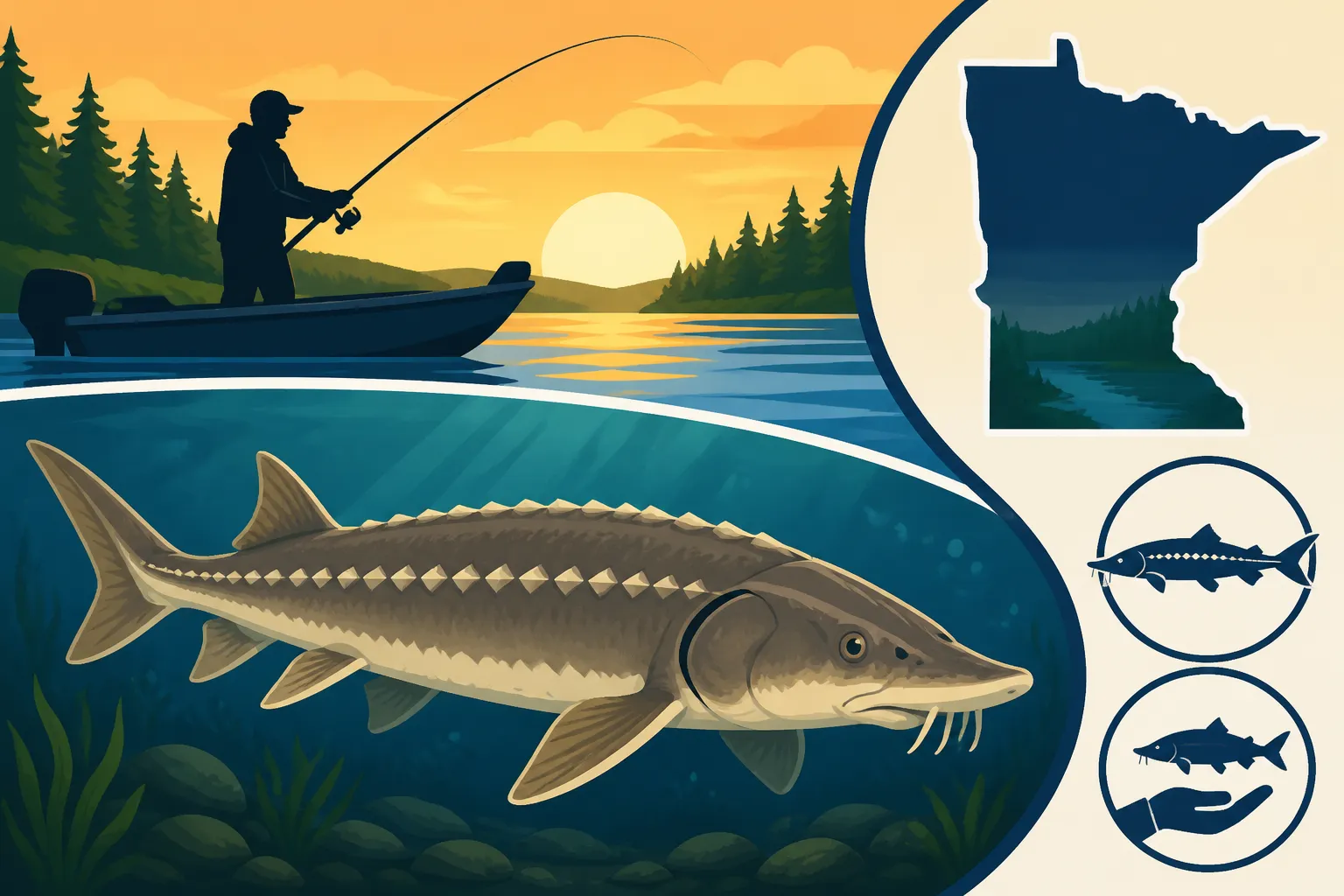
Lake Sturgeon are living fossils, fish that have roamed our waters since the time of dinosaurs. Their sheer size, powerful fight, and ancient appearance make them a truly bucket-list species for many anglers. But their journey to recovery in Minnesota has been a long one, marked by past overharvesting and habitat loss. Today, thanks to dedicated conservation efforts by the Minnesota Department of Natural Resources (DNR) and responsible anglers, their populations are slowly but surely rebounding, particularly in key river systems. This recovery is why the regulations are so specific and critical – they protect these slow-growing, late-maturing fish for future generations.
Understanding Lake Sturgeon Ecology and Recovery Efforts
Lake Sturgeon are characterized by their long lifespan, sometimes living over 100 years, and their slow reproductive cycle. Females might not spawn until they are 20-25 years old, and then only every few years after that. This unique biology makes them particularly vulnerable to overfishing, and it's why every single regulation exists: to safeguard their future. The DNR actively monitors sturgeon populations, studies their movements, and implements stocking programs in certain areas to aid in their recovery. Their efforts mean that the robust populations we see today in places like the Rainy River are a testament to successful conservation, and our adherence to regulations plays a direct part in that ongoing success.
Prime Waters for These Prehistoric Giants
When you think of Lake Sturgeon fishing in Minnesota, a few legendary waters immediately come to mind. The Rainy River, which forms part of the border with Canada, is undoubtedly the crown jewel, famous for its incredible numbers of large sturgeon, especially during the spring and fall migrations. But don't overlook other fantastic opportunities! The St. Croix River, a National Scenic Riverway, also boasts a healthy sturgeon population, offering fantastic fishing from Taylors Falls downstream. Even stretches of the Mississippi River, particularly below dams and in deeper pools, hold these magnificent fish. Understanding these specific locations is key because regulations can sometimes vary slightly depending on the body of water, especially in border water scenarios. For specific details, you might want to look into Border Water Fishing Rules Minnesota-Ontario, Wisconsin as they apply to shared waters like the Rainy River.
Deciphering Minnesota's Lake Sturgeon Seasons
Unlike many other fish species with straightforward open seasons, Lake Sturgeon have a tiered system of seasons that combine catch-and-release with very specific, limited harvest opportunities. This approach is designed to balance angling enjoyment with robust conservation measures. It’s absolutely crucial to know which season applies to which body of water and during what time of year, as violating these can carry significant penalties.
Catch-and-Release Seasons
For much of the year, and in many locations, Lake Sturgeon fishing operates under strict catch-and-release rules. This means you can target these fish, enjoy the incredible fight, but you must immediately return them to the water unharmed. These seasons are generally longer and allow anglers ample opportunity to experience sturgeon fishing without impacting the population. The primary catch-and-release season on the Rainy River, for instance, typically runs from mid-May through mid-October, and then again from early December through mid-April. This long window allows for incredible fishing during various conditions, from open water to ice fishing.
During a catch-and-release season, the emphasis is entirely on the welfare of the fish. This means using appropriate gear to minimize fight time, handling the fish gently, and releasing it quickly. Avoid taking the fish out of the water for extended periods, especially large ones. If you're serious about protecting these magnificent creatures, understanding Catch and Release Best Practices in Minnesota is non-negotiable.
Harvest Seasons and Tags
Minnesota does offer very limited opportunities to harvest a Lake Sturgeon, but these are highly regulated and often short windows. The most prominent harvest season typically occurs on the Rainy River and Lake of the Woods during a specific period in late April to mid-May, and then again for a shorter period in early October. On the St. Croix River, a harvest season also occurs but usually in the fall.
To participate in a harvest season, you must obtain a special Lake Sturgeon tag in addition to your regular Minnesota Fishing License Cost, Types & How to Buy 2026. These tags are issued on a "one fish per angler per season" basis, and they are not always available over the counter, depending on demand and management goals. For instance, the Rainy River's harvest tag system usually requires anglers to purchase a tag before heading out. It's essential to check the current Minnesota DNR fishing regulations pamphlet or website every year as these dates and tag requirements can change to reflect population dynamics and management objectives. Always confirm before you plan your trip.
Navigating Lake Sturgeon Limits and Size Restrictions
Beyond just knowing when you can fish, understanding what size fish you can keep (if any) and how many is paramount. Lake Sturgeon limits are designed to protect the breeding stock and allow younger fish to mature, ensuring the long-term health of the species.
Daily and Annual Limits
For Lake Sturgeon, the concept of a "daily limit" often merges with an "annual limit" during harvest seasons. If you're lucky enough to fish during a harvest window and successfully land a legal-sized sturgeon, the limit is typically one fish per angler per calendar year. This means once you've harvested a sturgeon, your season for keeping one is over, regardless of whether other harvest seasons open later in the year. This strict annual limit underscores the conservation focus for these vulnerable fish. During catch-and-release seasons, of course, the limit is zero — all fish must be immediately released.
Slot Limits and Protected Sizes
Lake Sturgeon regulations frequently include slot limits, which specify a range of lengths within which a fish can be legally harvested. Fish shorter than the slot and longer than the slot must be immediately released. These protected sizes are critical for ensuring that both juvenile fish (to allow them to grow and mature) and large, mature breeding adults (to ensure they continue to reproduce) are conserved.
For example, a common slot limit might be "28 to 45 inches." This means if you catch a sturgeon that is 27 inches or 46 inches, it must go back. Only fish measuring within that precise 28-45 inch range can be kept, assuming you have a valid tag and are fishing during an open harvest season. The specific slot limits can vary by river and by year, so always consult the most current regulations. For the Rainy River and Lake of the Woods, for example, the current harvest slot is generally between 45 and 50 inches, inclusive, with one fish per season. Again, these details are subject to change by the DNR.
Here's a simplified overview of common Lake Sturgeon regulations in Minnesota for 2026, but always refer to the official DNR regulations for the most up-to-date information:
| Water Body | Season Type | Season Dates (Typical) | Daily/Annual Limit | Size Restrictions (Slot) | Special Requirements |
|---|---|---|---|---|---|
| Rainy River | Catch-and-Release (Winter) | Dec 1 – Apr 23 | 0 | N/A (all released) | Valid MN Fishing License |
| Catch-and-Release (Spring) | May 8 – May 14 | 0 | N/A (all released) | Valid MN Fishing License | |
| Harvest Season | May 15 – May 24 | 1 per year | 45-50 inches, inclusive | MN Fishing License + Sturgeon Tag | |
| Catch-and-Release (Summer) | May 25 – Oct 1 | 0 | N/A (all released) | Valid MN Fishing License | |
| Harvest Season | Oct 2 – Oct 14 | 1 per year | 45-50 inches, inclusive | MN Fishing License + Sturgeon Tag | |
| Catch-and-Release (Fall) | Oct 15 – Apr 23 (following year) | 0 | N/A (all released) | Valid MN Fishing License | |
| St. Croix River | Catch-and-Release | Generally open most of the year | 0 | N/A (all released) | Valid MN Fishing License |
| Harvest Season | Limited Fall Season (e.g., mid-Sept to mid-Oct) | 1 per year | Specific slot (check DNR for current) | MN Fishing License + Sturgeon Tag | |
| Mississippi River | Catch-and-Release | Generally open most of the year | 0 | N/A (all released) | Valid MN Fishing License |
| Harvest Season | Limited Fall Season in specific pools | 1 per year | Specific slot (check DNR for current) | MN Fishing License + Sturgeon Tag |
*Note: The dates and slot limits provided are illustrative and based on typical patterns. *Always verify with the current year's Minnesota Fishing Regulations before planning your trip, especially for Minnesota Fishing Seasons & Opener Dates 2026 and species-specific rules.
Essential Gear and Responsible Angling for Sturgeon
Successfully catching a Lake Sturgeon is an incredible experience, but it requires specialized gear and a commitment to responsible angling. These fish are powerful, and using inadequate tackle can lead to prolonged fights that exhaust the fish, making successful release difficult. Investing in the right equipment isn't just about your success; it's about the fish's survival.
Recommended Tackle and Bait for Giants
When targeting Lake Sturgeon, you need gear that can handle a serious fight. Think heavy-duty. A medium-heavy to heavy action rod, at least 7 to 9 feet long, paired with a stout baitcasting or large spinning reel is ideal. Your reel should have a good drag system and hold plenty of line. Speaking of line, don't skimp here; 50 to 80-pound braided line is common, often with a fluorocarbon or monofilament leader of similar strength to absorb shock. A strong leader is crucial because sturgeon have abrasive mouths and powerful tails that can wear through weaker lines.
Terminal tackle should match the size of the fish and the strength of your main line. Use strong, sharp circle hooks in sizes ranging from 5/0 to 9/0. Circle hooks are generally preferred because they are less likely to gut-hook a fish, leading to easier and safer releases. For weights, you'll need heavy sinkers, sometimes 3 to 8 ounces or more, to hold your bait on the bottom in strong currents. A lot of anglers find great deals on these heavier rigs, including stout rods and reliable reels, on platforms like Amazon, ensuring they're well-equipped for the task.
As for bait, Lake Sturgeon are primarily bottom feeders, so fresh dead bait or chunks of cut bait are excellent choices. Large nightcrawlers, often presented in a gob, are a perennial favorite. Other effective baits include chunks of suckers, goldeyes, or even commercially prepared sturgeon baits. The key is to present a scent-rich offering directly on the bottom where they forage.
Responsible Angling and Conservation Practices
Catching a Lake Sturgeon is a privilege, and with that comes a responsibility to handle them with the utmost care, especially during catch-and-release seasons.
- Use Appropriate Gear: As mentioned, heavy tackle minimizes fight time, reducing stress on the fish.
- Prompt Landing: Don't play the fish to exhaustion. Once hooked, try to land it as efficiently as possible.
- Proper Handling: Keep the fish in the water as much as possible. If you must remove it for a quick photo, support its body horizontally and avoid holding it vertically by the head or tail. Large fish can easily damage their internal organs if not supported properly. A large, rubberized landing net is invaluable for safely corralling and handling these giants.
- Quick Release: Remove the hook quickly and gently. If using circle hooks, they often hook in the corner of the mouth, making removal easier.
- Rejuvenation: If the fish seems stressed, hold it upright in the water, facing into the current, until it regains its strength and swims off on its own.
- Report Tagged Fish: Occasionally, you might catch a sturgeon with a tag (often near the dorsal fin). Report these tag numbers to the DNR, as this data is vital for their research and management efforts. This information helps the DNR understand sturgeon movements, growth rates, and population health, directly contributing to future regulations and conservation successes for species like Lake Sturgeon in Minnesota Rainy River Giants.
Being a responsible sturgeon angler not only ensures these incredible fish continue to thrive in Minnesota's waters but also sets a positive example for the entire angling community.
Navigating the Rainy River's Unique Sturgeon Opportunities
The Rainy River is a prime example of successful Lake Sturgeon recovery, offering some of the best fishing opportunities in North America. Its border water status means that understanding the nuances of the regulations here is especially important. The river acts as a critical spawning ground and migration corridor, attracting massive numbers of sturgeon, particularly in spring and fall.
Spring Sturgeon Fishing on the Rainy River
Spring on the Rainy River is legendary for its sturgeon run. As the ice melts and water temperatures rise, sturgeon migrate upstream from Lake of the Woods into the river to spawn. This period, typically from late March through May, offers intense action. However, it’s a time when regulations are particularly dynamic. There are specific catch-and-release windows, often followed by a short harvest season, and then back to catch-and-release as the fish complete their spawning. For instance, you might have a period where all sturgeon must be released, then a narrow window opens for harvest with a specific slot limit, then it reverts to catch-and-release. Always check the DNR website or their official printed regulations for the exact dates each year. This is not a time to guess! Many anglers planning a spring trip will purchase their Minnesota Fishing License Online well in advance and double-check all regulations before heading north.
Fall Sturgeon Fishing on the Rainy River
Fall offers another fantastic opportunity for Lake Sturgeon on the Rainy River, often considered a bit more relaxed than the intense spring rush, though the fishing can be equally rewarding. As water temperatures drop, sturgeon begin their migration back towards Lake of the Woods, feeding heavily along the way. This season also typically features a short harvest window, usually in October, sandwiched between longer catch-and-release periods. The regulations for the fall harvest season are often similar to spring, involving a one-fish annual limit and a specific slot size. Just like spring, preparation is key. Having your specialized sturgeon tackle ready – heavy rods, robust reels, and strong line – will ensure you're prepared for the potential fight of a lifetime. Many anglers stock up on large circle hooks and heavy sinkers on Amazon before their trip, ensuring they have everything they need for these formidable fish.
Disclaimer
Please remember that fishing regulations, including seasons, limits, and size restrictions, can change. Always consult the most current official Minnesota Department of Natural Resources (DNR) fishing regulations pamphlet or their website before heading out on the water. This guide is intended for informational purposes only and should not be considered a substitute for the official regulations.