Lake Trout Season & Limits in Minnesota
Trying to keep track of all the fishing regulations in Minnesota can feel like a full-time job, especially when you’re targeting a specific species like the majestic lake trout. The rules aren't always a simple one-size-fits-all, varying not just by species, but often by lake or even by specific zones within a single body of water. This guide is here to break down the ins and outs of Minnesota's lake trout season and limits, helping you stay legal and responsible on the water.
Understanding Minnesota Lake Trout Regulations
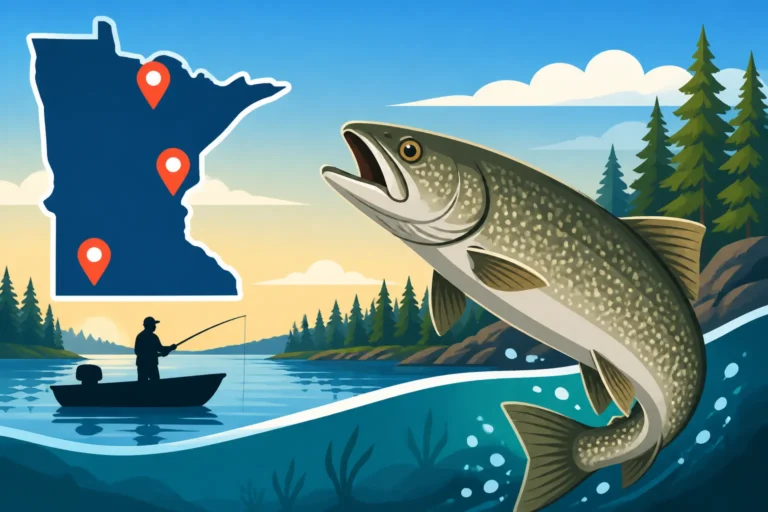
Lake trout are a unique and cherished game fish in Minnesota, often found in the deep, cold, clear waters of our northern lakes and, of course, the mighty Lake Superior. Because they are slower growing and often susceptible to overfishing, their management is carefully handled by the Minnesota Department of Natural Resources (DNR) to ensure healthy populations for future generations.
The Importance of Knowing the Rules
It's easy to get caught up in the excitement of planning a fishing trip, especially when you're dreaming of landing a big lake trout. However, overlooking the specific regulations can quickly turn a fantastic outing into a frustrating one, potentially leading to fines or losing your fishing privileges. These rules aren't just arbitrary lines drawn in a book; they're vital tools for conservation. Lake trout fisheries, particularly in inland lakes, are often fragile ecosystems. Their slow growth rate and specific habitat requirements mean that they can be easily impacted by angler pressure. By understanding and adhering to the regulations, you're directly contributing to the sustainability of this incredible fishery. It's about respecting the resource and ensuring that these beautiful fish continue to thrive. This commitment is why resources like the official Minnesota DNR website are so crucial for anglers.
General Inland Lake Trout Seasons and Limits
For most inland lakes in Minnesota, the lake trout season typically runs from early to mid-January through October. This allows for a winter ice fishing season and then an open water season stretching into fall. The specific dates can shift slightly year to year, so always double-check the current regulations. Generally, the daily bag limit for lake trout on inland waters is relatively low, often set at one or two fish per day, and there might be specific size restrictions or slot limits in place for certain lakes. A common inland lake trout regulation might be a daily limit of two fish, with only one over a certain length, say 20 inches, or a protected slot where fish between certain sizes must be immediately released. This is designed to protect prime breeding-size fish.
For instance, if you're planning a trip to a lake known for its lake trout, like Ten Mile Lake, you'd need to verify the specific entry in the DNR's fishing regulations book or website. These individual lake regulations often supersede the general statewide rules, so never assume. Many avid anglers even pick up their annual copy of the "Minnesota Fishing Regulations PDF: Where to Find It" from their local bait shop or via platforms like Amazon to ensure they always have the most current information at hand.
Defining Daily Bag and Possession Limits
Understanding the difference between daily bag limits and possession limits is absolutely critical. The daily bag limit refers to the maximum number of fish of a specific species that you can keep in a single day, from midnight to midnight. So, if the daily bag limit for lake trout is two, you can only harvest two fish within that 24-hour period.
The possession limit, on the other hand, refers to the maximum number of fish of a specific species you can have in your possession at any given time, regardless of when they were caught. This includes fish at your campsite, in your vehicle, or back at your cabin. The possession limit is often twice the daily bag limit, but not always. If the possession limit for lake trout is four, and the daily limit is two, you could hypothetically keep two fish today and two fish tomorrow, and have all four in your cooler at the cabin. However, if you already have four fish in your possession, you cannot keep any more, even if it's a new fishing day. Getting this wrong is a common mistake that can lead to significant penalties, so it's paramount to be crystal clear on both limits before you head out.
Lake Trout Hotspots with Unique Rules
While some general rules apply, many of Minnesota's prime lake trout fisheries have their own specific set of regulations designed to manage their unique populations. These special rules are often more restrictive, aiming to preserve these precious resources.
Lake Superior's Distinct Lake Trout Zones
Lake Superior is a beast of its own, and its lake trout regulations reflect that. The lake is vast, and its fishery is managed collaboratively by Minnesota, Wisconsin, Michigan, and Ontario. For Minnesota anglers, Lake Superior's lake trout regulations are often more complex than inland lakes, sometimes involving different seasons or limits for specific zones within the lake. For example, there can be designated areas or periods for specific harvest criteria, sometimes differentiating between wild lake trout and stocked fish. The season typically runs year-round for many areas, but pay close attention to the bag limits, which are usually a combination of lake trout and splake (a brook trout/lake trout hybrid) with specific length restrictions.
Often, Lake Superior's daily bag limit for lake trout and splake combined is three, but only one of those fish can be a true lake trout over 25 inches, or sometimes only one can be a splake. These rules are put in place to protect the larger, older lake trout that are critical for natural reproduction. Before launching your boat on the big lake, make sure you've consulted the specific Lake Superior fishing guide section of the DNR regulations, paying particular attention to any special regulations for zones like the North Shore or the Apostle Islands area, even if you’re just skimming the Minnesota portion.
Navigating the Boundary Waters and Other Special Regulations
When you venture into the Boundary Waters Canoe Area Wilderness (BWCAW), you're entering a realm of wild fishing that demands extra care and adherence to regulations. Many BWCAW lakes and other pristine inland lake trout lakes have very specific and often more restrictive rules. These lakes are often managed as "designated trout lakes," and their rules are tailored to the unique biology of their fish populations.
For example, on some BWCAW lakes, the lake trout season might be entirely catch-and-release, or the daily limit might be just one fish with a very narrow slot limit, meaning only fish within a specific size range can be kept. This protects both the young, growing fish and the large, reproductive trophy fish. It's not uncommon to see regulations like "Possession limit one lake trout, 20-25 inches only, all others must be immediately released." These rules are critical for maintaining the pristine nature of these fisheries. Always, and I mean always, check the specific regulations for each individual lake you plan to fish in the BWCAW, as they can vary drastically from one bay to the next. The "Boundary Waters (BWCA) Fishing Guide" is an invaluable resource for anyone planning a trip into this wilderness.
Identifying Lake Trout Accurately
It might sound basic, but correctly identifying your catch is fundamental to following regulations, especially when it comes to lake trout. Lake trout can sometimes be confused with other salmonids, particularly splake, brook trout, or even large rainbow trout. Each of these species can have different seasons and limits, so a misidentification could lead to an unintentional violation.
Lake trout typically have a deeply forked tail, a lighter body color that can range from grey to olive, and irregular, light spots on a darker background that often extend onto the dorsal fin and tail. Splake, being a hybrid, will exhibit characteristics of both brook and lake trout, often having a slightly less forked tail than a pure lake trout and more pronounced spots. Brook trout generally have a squarer tail, worm-like markings on their back (vermiform patterns), and vibrant red or orange spots with blue halos. Knowing these key differences is vital. If there’s any doubt, it’s always best to practice Catch and Release Best Practices in Minnesota and let the fish go.
Your Guide to Minnesota DNR Resources and Responsible Angling
The best way to ensure you're always compliant with Minnesota's ever-evolving fishing regulations is to know where to find the most current and accurate information. The DNR is your ultimate authority.
Accessing the Latest Regulations
The Minnesota Department of Natural Resources (DNR) website is, without a doubt, your single best resource for up-to-date fishing regulations. They publish an annual fishing regulations booklet, available online as a PDF and in print at bait shops, sporting goods stores, and often available for purchase through general retailers like Amazon. This booklet details all statewide regulations, special lake regulations, and any important changes for the upcoming season.
I can't stress this enough: always check the current year's regulations. Rules can and do change. What was legal last year might not be this year, especially for sensitive fisheries like lake trout. On the DNR website, you can use their "Lake Finder" tool to search for specific lakes and view their unique regulations, including Minnesota Walleye Limit & Size Rules, Minnesota Northern Pike Limits by Zone, and even down to the minute details for lake trout. It's far better to spend a few minutes reading than to risk a fine or, worse, harm a fragile fish population.
Here's a quick reference table for general lake trout regulations versus Lake Superior specifics:
| Regulation Type | Inland Lakes (General) | Lake Superior (Minnesota Waters) |
|---|---|---|
| Season Dates | Typically mid-January to mid-October | Generally open year-round |
| Daily Bag Limit | 1-2 fish (often with length restrictions) | 3 fish (combined Lake Trout & Splake) |
| Possession Limit | Usually twice the daily bag limit | Usually 3 fish (combined Lake Trout & Splake) |
| Length Restrictions | Varies widely by lake; common protected slots | Often 1 over 25 inches, or other specific rules |
| Special Notes | Check specific lake regulations; BWCA rules apply | Differentiated management zones may exist |
Avoiding Common Pitfalls and Understanding Penalties
One of the most common pitfalls anglers encounter is assuming general regulations apply to all lakes. This is especially dangerous with lake trout, where many lakes have specific, often stricter, rules. Another mistake is not accounting for possession limits when traveling. For example, if you caught your daily limit on day one of a multi-day trip and have those fish cleaned and stored, you need to be mindful of your overall possession limit when catching fish on subsequent days.
The penalties for violating fishing regulations in Minnesota can range from modest fines to significant ones, forfeiture of fishing gear, and even loss of fishing privileges. Keeping over-limit fish or fishing out of season are serious offenses. Conservation officers take their role very seriously, and ignorance of the law is generally not considered a valid excuse. A simple check of the current regulations, perhaps even linking to the Minnesota Fishing Seasons & Opener Dates (2026) or Minnesota Fishing Limits: Bag & Possession (2026), before each trip can save you a lot of headache and expense down the road.
Practicing Ethical Catch and Release for Lake Trout
Lake trout are magnificent fish, often slow to grow and long-lived. This makes them particularly vulnerable, and practicing ethical catch and release, especially for larger, older fish, is vital for maintaining healthy populations. If you're targeting lake trout and plan to release some or all of your catch, be prepared. Use appropriate gear to land fish quickly, minimize air exposure, and handle them gently. Wet your hands before touching the fish to protect its slime coat, and consider using barbless hooks to make unhooking easier.
For deep-water fish like lake trout, special considerations are necessary to minimize barotrauma (injuries caused by rapid pressure changes when bringing fish up from deep water). If a fish shows signs of barotrauma and cannot swim down on its own, consider using a descending device to help it recompress and return to depth. Releasing fish responsibly ensures they have the best chance of survival, contributing to the health and vitality of Minnesota's incredible lake trout fisheries for years to come. Remember, every angler plays a role in conservation.
Disclaimer
The information provided in this guide is for general informational purposes only and is subject to change. Always consult the official Minnesota Department of Natural Resources (DNR) regulations for the most current and specific fishing rules before heading out on the water.