Where to Catch White Crappie in Minnesota
It’s a common frustration in Minnesota to head out for a day of panfishing, only to find yourself struggling to locate a specific species. While black crappie seem to be almost everywhere, finding their equally delicious cousin, the white crappie, can sometimes feel like chasing a ghost. This comprehensive guide is here to unravel the mystery, showing you exactly where to cast your line for some of the best white crappie action across the Land of 10,000 Lakes.
Understanding White Crappie in Minnesota Waters
Before we dive into specific locations, let's get a handle on what makes white crappie tick. Knowing their preferences and habits is half the battle when you're trying to consistently put them in the livewell. These fish aren't just smaller versions of black crappie; they have distinct characteristics that influence where and how you'll find them.
Identifying White Crappie Versus Black Crappie
Many anglers, especially beginners, often mistake white crappie for black crappie, or vice-versa. While they are both excellent table fare and belong to the same genus, Pomoxis, there are some key differences that can help you distinguish them and, more importantly, understand their preferred environments.
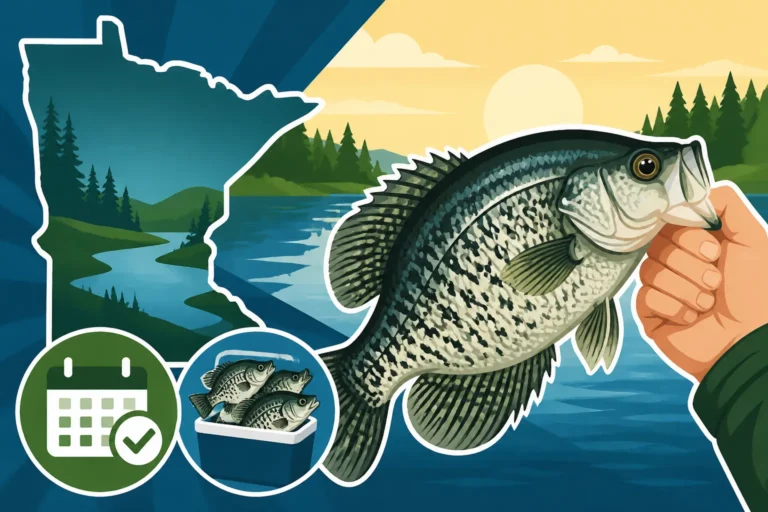
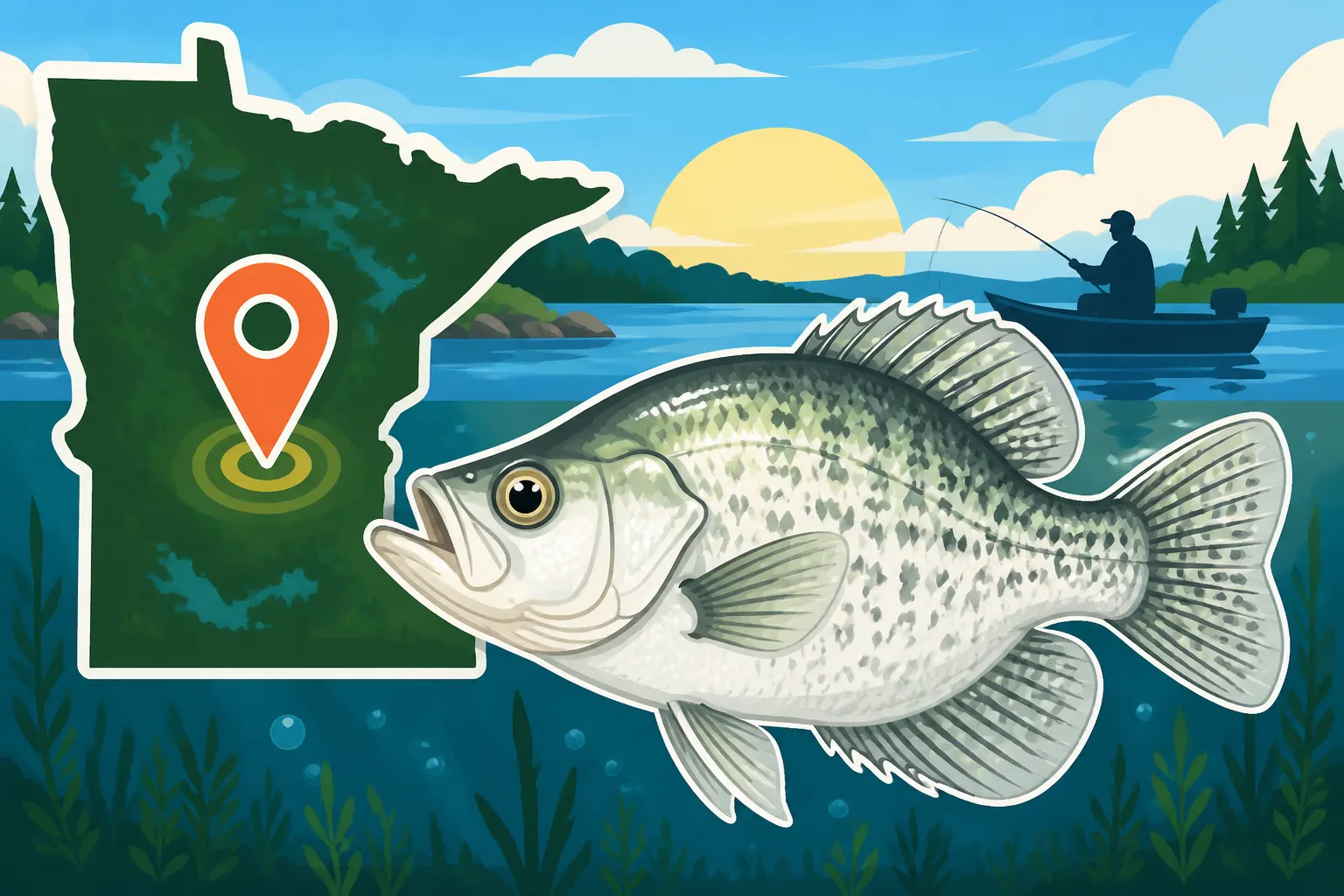
White crappie (Pomoxis annularis) typically have a more elongated body shape compared to the rounder, "dinner plate" look of a black crappie. The most reliable way to tell them apart, however, is to count the dorsal fin spines. White crappie will almost always have 5 or 6 dorsal spines, arranged in a fairly even progression. Black crappie (Pomoxis nigromaculatus), on the other hand, will have 7 or 8 dorsal spines, and often appear more randomly scattered with blotches. Their vertical barring pattern is also a big giveaway. White crappie usually have distinct, somewhat faint vertical bars running down their sides, whereas black crappie are covered in irregular black spots and blotches that don't form clear patterns. Knowing these differences can help you target the right habitats. You can learn more about these distinctions in our guide on Black Crappie vs White Crappie.
| Feature | White Crappie (Pomoxis annularis) | Black Crappie (Pomoxis nigromaculatus) |
|---|---|---|
| Body Shape | More elongated, somewhat torpedo-shaped | Deeper body, more disk-like or "dinner plate" |
| Dorsal Fin Spines | 5-6 spines, typically evenly spaced | 7-8 spines, often appearing more irregular |
| Coloration/Markings | Faint, often distinct, vertical bars on sides | Irregular black spots/blotches, no distinct bars |
| Snout | Longer, more pointed | Shorter, more blunt |
| Preferred Water | More tolerant of turbid (murky) water, larger rivers | Prefers clear water, abundant vegetation in lakes |
Preferred Habitats and Behavior
White crappie have a reputation for preferring slightly different digs than their black crappie cousins. While black crappie often seek out clearer waters with abundant submerged vegetation, white crappie tend to be more at home in turbid or murkier environments. This makes large river systems, shallow, stained lakes, and reservoirs prime hunting grounds. They love to relate to some kind of structure, whether it's fallen trees, brush piles, submerged logs, docks, or bridge pilings. They use these structures for ambush points and protection from predators.
During the warmer months, especially in summer, you'll often find white crappie suspending in open water over deeper flats or cruising along the edges of channels and humps. They are schooling fish, so when you find one, there are often many more close by. Their feeding habits are also influenced by light; they are particularly active during low-light conditions like dawn, dusk, and even into the night. This makes targeting them at these times incredibly productive, especially with small minnows or jigs.
Top Minnesota Waters for White Crappie
Now for the exciting part! While black crappie are widely distributed across Minnesota, white crappie populations tend to be more concentrated in certain areas, particularly in larger, often shallower, and sometimes murkier bodies of water. Don't expect to find them in every crystal-clear northern lake; they prefer environments that suit their specific biological needs.
Southern and Central Minnesota Hotspots
If you're serious about targeting white crappie, your best bet will often be in the southern and central regions of the state. These areas have many of the larger, shallower, and nutrient-rich lakes that white crappie thrive in.
One of the most renowned white crappie fisheries in Minnesota is without a doubt Lake Pepin. This wide spot on the Mississippi River, bordering Wisconsin, is an absolute crappie factory. The extensive backwaters, numerous submerged timber, and varying depths provide ideal habitat. Anglers flock here during spring and fall for incredible catches. It's not uncommon to find massive schools suspended in the deeper channels or tucked tight to laydowns in the bays. Check out our detailed Lake Pepin Fishing Guide for more insights on this fantastic fishery.
Another solid option, especially for metro anglers, is Prior Lake in Scott County. While known for its bass and walleye, Prior Lake also holds a very respectable population of white crappie. The lake has diverse structure, including plenty of docks, weed lines, and deeper holes where crappie can be found suspending. Early spring around the shallow bays and late fall in deeper areas near structure are key times.
Other notable lakes in central and southern Minnesota include portions of Lake Waconia in Carver County, which offers good crappie opportunities, and some of the larger, shallower lakes in the Fairmont Chain of Lakes down south. These lakes often have the slightly stained water and abundant forage that white crappie prefer. It pays to check local fishing reports or talk to bait shop owners in these regions, as they often have the most up-to-date information on where the white crappie are biting.
River Systems and Reservoirs
As mentioned earlier, river systems are prime real estate for white crappie. The Mississippi River itself, particularly the pools south of the Twin Cities, is absolutely teeming with them. From Pool 2 all the way down to Pool 8 (which includes Lake Pepin), you'll find incredible opportunities. The lock and dam systems create varied current breaks, deep channels, and vast backwater areas with standing timber and submerged brush. These are all magnets for white crappie.
Fishing the Mississippi River is a different ballgame than fishing a lake. Current is a major factor, and crappie will often position themselves out of the main flow, seeking eddies, wing dams, or the quiet waters of sloughs and backwaters. Look for areas with slower current adjacent to deeper channels. A small boat or even a kayak can open up a lot of productive backwater territory.
Reservoirs, though less common in Minnesota than in some other states, can also be productive. Any impoundment that has significant submerged structure and slightly murkier water could hold white crappie. These often offer deeper water and strong current breaks that appeal to these fish.
Effective Strategies for Finding and Catching White Crappie
Catching white crappie isn't overly complicated, but a few strategic tweaks can dramatically increase your success, especially when targeting them specifically. Understanding their seasonal movements and employing the right gear are crucial.
Seasonal Movements and Key Locating Tactics
White crappie, like most fish, follow distinct seasonal patterns.
- Spring (Pre-spawn & Spawn): This is arguably the easiest time to find white crappie. As water temperatures rise into the 50s and low 60s Fahrenheit, they move into shallow bays, channels, and along shorelines with submerged wood, brush, or emergent vegetation to spawn. Look for them in 2-6 feet of water. Docks and bridge pilings also become hot spots. A stealthy approach with a slip bobber and a small minnow or jig is deadly. Our guide on Minnesota Fishing Seasons & Opener Dates (2026) will give you the general timeframe for crappie activity.
- Summer: Once the spawn is over and water temperatures really heat up, white crappie tend to move to deeper, cooler water. They'll often suspend over open water humps, deep points, or along channel edges, particularly near baitfish schools. This is when a good fish finder becomes invaluable. Look for schools suspending anywhere from 10 to 25 feet down, often over 20-40 feet of water. Trolling small crankbaits or vertically jigging small spoons or soft plastics can be effective.
- Fall: As water temperatures cool, white crappie often make a return to shallower areas, sometimes revisiting the deeper edges of spring spawning grounds or concentrating in larger schools on main lake basins, especially around prominent structure. They feed aggressively to fatten up for winter. This is a fantastic time for both numbers and size.
- Winter (Ice Fishing): White crappie can be fantastic ice fishing targets. They'll school up in deep holes, basin areas, or along the edges of main lake structure like humps and points. Look for them suspending anywhere from 5 to 25 feet down over deeper water. Small tungsten jigs tipped with wax worms, plastics, or a tiny minnow are hard to beat. Check out How to Catch Crappie Through the Ice in Minnesota for detailed tips.
A good portable fish finder, like those available on Amazon, can make all the difference in locating these nomadic schools, especially in deeper water.
Essential Gear and Tactics
You don't need a massive tackle box to catch white crappie, but having the right tools makes the job much easier and more enjoyable.
- Rods and Reels: Light to ultralight spinning gear is ideal. A 6 to 7-foot rod with a fast or moderate-fast action will allow for delicate presentations and still have enough backbone to handle a good-sized crappie. Pair it with a small spinning reel spooled with 4-6 pound monofilament or fluorocarbon line. Braided line can also be used, especially with a fluorocarbon leader, for increased sensitivity.
- Baits and Lures:
- Live Bait: Small minnows are consistently the best bait for white crappie, especially when fished under a slip bobber. Fathead minnows are readily available and highly effective. Leeches and even small pieces of nightcrawler can also work.
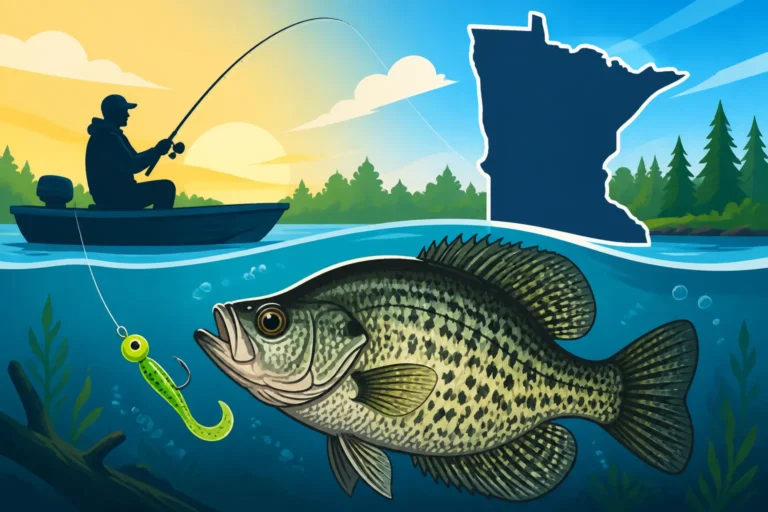
- Jigs: Tiny jigs (1/32 to 1/16 ounce) are a crappie angler's best friend. Tipping them with a small soft plastic grub, tube, or a minnow is a deadly combination. Popular colors include chartreuse, white, pink, and black. For deeper water or when fish are less active, consider slightly heavier jigs or small jigging spoons.
- Crankbaits/Trolling Rigs: In open water, especially in summer, very small crankbaits like Rapalas or custom crappie crankbaits can be trolled effectively. Spinner rigs with a small blade and a minnow or piece of plastic are also productive, particularly when fished with a bottom bouncer in current situations.
- Bobbers: Slip bobbers are critical for presenting baits at precise depths, especially when crappie are suspending. They allow you to cast easily even with deep presentations. Fixed bobbers work well in very shallow water.
- Electronics: A quality fish finder is a game-changer for crappie fishing. It helps you quickly identify structure, locate schools of baitfish, and spot crappie suspending in the water column. Many excellent options, from portable units to full-featured boat electronics, can be found on Amazon.
White Crappie Regulations and Conservation
Minnesota is committed to maintaining healthy fish populations, and that includes white crappie. Always be aware of the current regulations before you head out, as they can vary by lake and change from year to year.
Statewide and Special Regulations
The statewide daily bag limit for crappie (which includes both white and black crappie combined) in Minnesota is generally 10. However, this is a general rule, and it's absolutely critical to check the Minnesota DNR fishing regulations book or website for specific lake regulations. Many lakes have special or experimental regulations in place to manage crappie populations, such as reduced bag limits, protected slot limits, or increased size minimums. For instance, a lake might have a 5-fish bag limit, or a regulation stating only one fish over a certain length can be kept.
These regulations are put in place for a reason: to ensure sustainable fishing for everyone for years to come. Ignoring them can lead to significant penalties, not to mention harming the fishery itself. Always carry a copy of the current regulations, whether it's a physical booklet or the official DNR app on your phone. Our article on Minnesota Crappie & Sunfish Limits provides more general information, but always double-check for your specific body of water.
Practicing Responsible Angling
Beyond adhering to limits, responsible angling practices are essential for preserving Minnesota's fantastic white crappie fisheries.
- Catch and Release Best Practices: If you're not keeping your catch, handle crappie gently. Minimize their time out of the water, use wet hands to avoid removing their protective slime layer, and release them quickly. This is especially important for larger, older fish which are vital for reproduction.
- Aquatic Invasive Species (AIS) Prevention: This is paramount in Minnesota. Always clean, drain, and dry your boat, trailer, and all fishing gear before moving between lakes. White crappie habitats are often susceptible to AIS, and we all play a role in preventing their spread. Learn more about prevention in our guide to Aquatic Invasive Species (AIS) Rules for Boaters.
- Respecting Private Property and Public Access: Always be mindful of property lines and use designated public access points. This helps maintain good relationships between anglers and landowners, ensuring continued access for everyone.
By understanding their habits, knowing where to find them, and fishing responsibly, you can enjoy some truly memorable days chasing white crappie in Minnesota. They might be a bit more elusive than their black-spotted counterparts, but the reward of a fresh crappie fillet is well worth the effort.
Disclaimer
The information provided in this guide is for general informational purposes only and is subject to change. Fishing regulations in Minnesota can vary significantly by species, body of water, and season, and are updated periodically by the Minnesota Department of Natural Resources (DNR). It is the angler's responsibility to consult the most current official Minnesota Fishing Regulations handbook or the DNR website before engaging in any fishing activity. Reliance on any information in this guide is solely at your own risk.