Are Muskie Hard to Catch? (Beginner Reality)
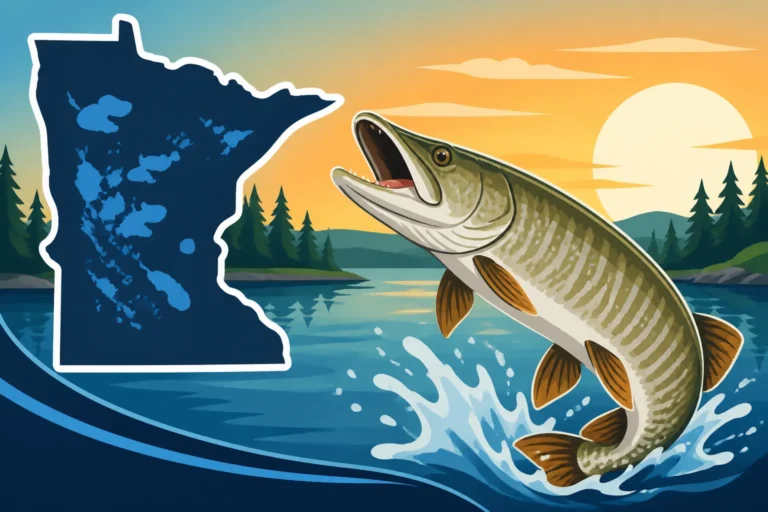
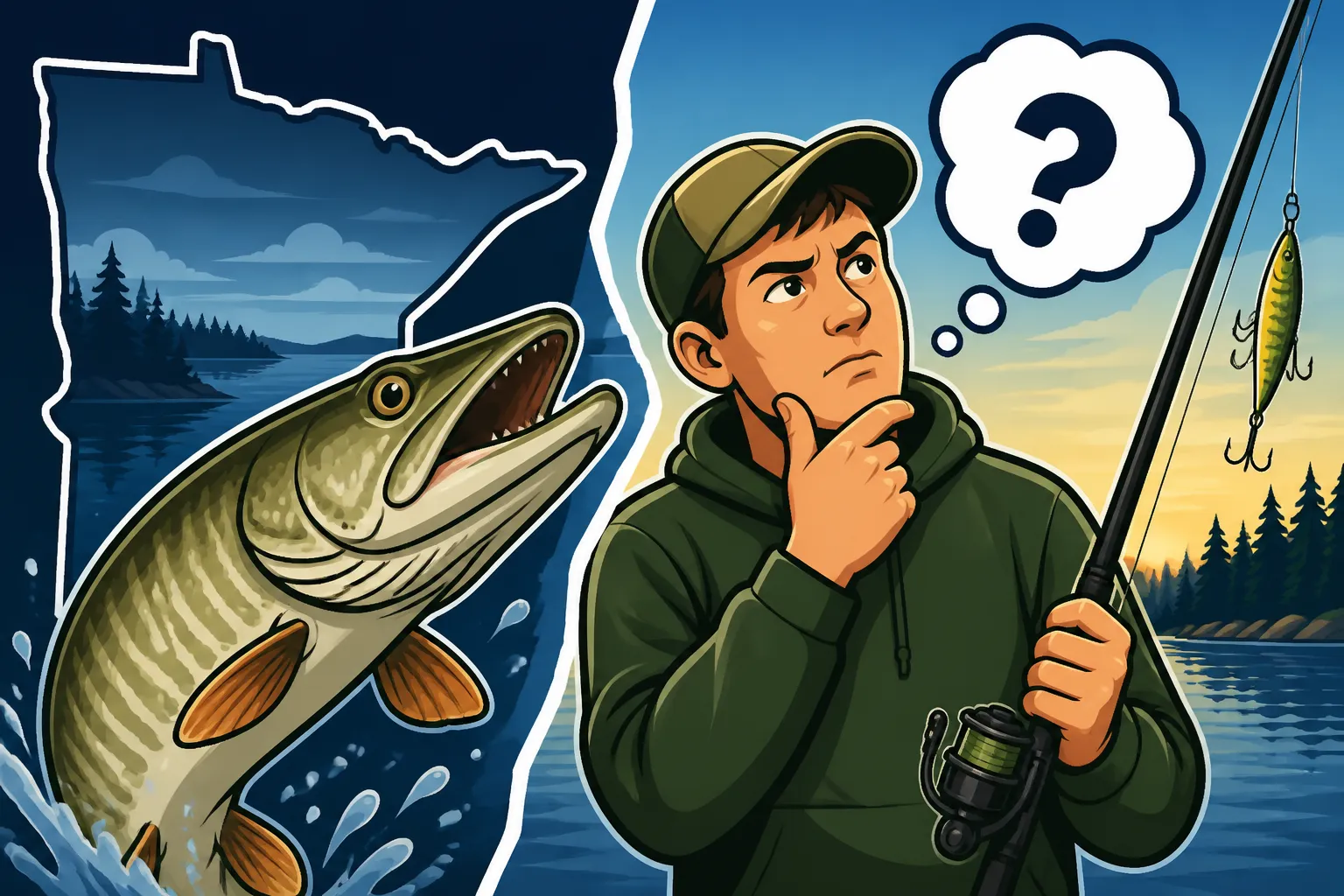
Let's be honest, the thought of fishing for muskie can be daunting. You've probably heard the legendary tales of the "fish of 10,000 casts," and it can leave you wondering if it's even worth the effort for a beginner. The good news is that while muskie fishing certainly has its challenges, it's not an impossible endeavor, even for those just starting out. This guide will peel back the mystique surrounding muskie, offering a realistic look at what makes them hard to catch and how you can increase your odds of success in Minnesota's waters.
The Truth About Muskie Fishing Difficulty
It's easy to get discouraged before you even start when you hear muskie referred to as the "fish of 10,000 casts." This moniker isn't entirely a myth, but it doesn't tell the whole story either. Muskie fishing is a commitment, a test of patience, and a lesson in persistence, but it's also incredibly rewarding.
Why the "Fish of 10,000 Casts" Reputation Lingers
The reputation isn't just about how many casts you make; it's about the sheer elusiveness of these apex predators. Muskie are often solitary, territorial, and incredibly intelligent. They don't just bite any lure thrown their way, and they certainly don't follow predictable patterns like some other species. You might spend hours, even an entire day, casting large, heavy lures, only to have a muskie follow your bait right to the boat, stare at it, and then simply turn away. It's enough to make even the most seasoned angler question their life choices!
Their large size means they don't need to eat as frequently as smaller fish, making them less aggressive feeders at times. They are ambush predators, often holding tight to cover like dense weed beds, submerged timber, or rocky points, waiting for the perfect moment. Finding them is half the battle, and even when you do, convincing them to strike is another challenge entirely. The combination of their selective nature, their preferred habitats, and their sheer power once hooked all contribute to the well-earned legend of their difficulty.
The Learning Curve for New Muskie Anglers
For someone new to fishing, jumping straight into muskie can feel like trying to run a marathon before you've learned to walk. The gear is specialized, the techniques are unique, and the mental fortitude required is significant. Unlike panfish or even some bass fishing where a general spinning rod and a handful of lures will get you by, muskie demand purpose-built tackle that can handle their size and the heavy baits required to attract them. This initial investment in equipment can be a hurdle, but it's a necessary one.
Beyond the gear, there's a different rhythm to muskie fishing. You're not necessarily looking for constant action; you're looking for that one explosive strike that makes all the waiting worthwhile. This means learning to read the water differently, understanding various presentations, and committing to long periods of focused casting. Many beginners might feel disheartened by the lack of immediate gratification, but those who push through find a passion that's truly unmatched. Thankfully, resources like a comprehensive guide on Muskie Fishing in Minnesota: The Fish of 10,000 Casts can help demystify some of these initial learning hurdles.
Essential Factors That Influence Muskie Success
While muskie fishing has a steep learning curve, understanding the fundamental principles can significantly shorten your path to success. It's not just about luck; it's about preparation, knowledge, and smart angling.
Understanding Muskie Behavior and Habitat
Muskie are creatures of habit, but their habits change with the seasons and even the time of day. Knowing where to look for them is paramount. In spring, after the spawn, they often relate to shallow, warming bays and new weed growth. As summer progresses, they'll often move to deeper offshore structure, like humps, points, and transition areas where weeds meet open water. On large, fertile lakes like Lake Vermilion or Leech Lake, you'll often find them lurking in expansive weed flats or near prominent rocky reefs.
They love cover, whether it's the thick cabbage beds that provide ambush points or the rocky ledges where baitfish congregate. They are also incredibly sensitive to changes in weather and light. Overcast days or periods of stable weather often present better opportunities than bright, sunny, high-pressure days. Understanding their forage—what they're eating—is also key. If a lake has a strong tullibee or whitefish population, muskie might be found deeper, targeting those schools. If perch are abundant, they'll likely be shallower in weedier areas. Mastering the art of finding these fish is an ongoing journey, but a rewarding one.
The Right Gear Makes a Difference But Isn't Everything
You simply cannot show up to a muskie hunt with your crappie rod. It just won't cut it. Muskie fishing demands heavy-duty equipment capable of casting large, often heavy, lures and handling the immense power of a fighting muskie. Think of it this way: you're trying to subdue a freshwater freight train. You'll need stout rods, reels with excellent drag systems, and strong line. Check out guides on Best Baitcasting Reels for Muskie & Pike and Best Gear for Muskie Fishing in Minnesota to get a clear picture of what you need.
However, having the most expensive rod and reel won't guarantee a muskie. It's merely the tools of the trade. Proper lure selection, presentation, and knowing when and where to use that gear is far more important. A beginner can certainly start with a more modest setup, focusing on a versatile casting rod (around 7'6" to 9' in medium-heavy or heavy power) and a reliable baitcasting reel. The key is to choose gear that can handle the specific baits you'll be throwing and has the backbone to land a trophy fish.
Here's a quick comparison of typical muskie gear versus general walleye gear:
| Gear Component | Typical Muskie Setup | Typical Walleye Setup |
|---|---|---|
| Rod Length/Power | 7'6" – 9'+, Heavy to Extra Heavy, Fast Action | 6'6" – 7'6", Medium Light to Medium, Fast Action |
| Reel Type | Heavy-Duty Baitcaster (e.g., Shimano Tranx, Abu Garcia Revo Toro Beast) | Spinning Reel (2000-3000 series) or smaller Baitcaster |
| Line Weight | 65-100 lb Braided Line | 8-20 lb Braided or Monofilament |
| Leader | 100-150 lb Fluorocarbon or Titanium/Steel | 10-20 lb Fluorocarbon or lighter wire |
| Lure Size | 6-16+ inches, 2-10+ oz | 2-6 inches, 1/8 – 1 oz |
| Net Size | Large, Muskie-specific (40"+ hoop) | Medium Walleye/Bass Net (20-30" hoop) |
Developing Your Muskie Angling Skills
The journey to becoming a proficient muskie angler is continuous, marked by learning, adapting, and celebrating small victories. It’s not about instant gratification; it’s about the hunt itself.
Mastering Key Muskie Fishing Techniques
Muskie fishing isn't just one technique; it's a diverse array of approaches tailored to different conditions and situations. For beginners, starting with casting bucktails or large crankbaits is often a good entry point. Bucktails like those from Musky Mayhem Tackle or Cowgirl brands, for instance, are classic muskie catchers that are relatively easy to cast and retrieve, creating a lot of flash and vibration. You want to cast these lures near cover, retrieve them steadily, and be prepared for a strike at any moment. You can dive deeper into these methods by reading about Muskie Fishing Techniques for Beginners.
Another crucial skill to develop is the "figure-8" or "L-turn" at the boat. Muskie are notorious for following a lure right up to the boat and then just sitting there, staring. This is your chance! Instead of pulling your lure out of the water, perform a wide, sweeping figure-8 motion with your rod tip, keeping the lure in the water. This sudden change in direction can often trigger a follow to strike. It's an adrenaline-pumping moment, and it often accounts for a significant percentage of muskie catches. Understanding the Muskie Figure-8 Technique can make all the difference between a frustrating follow and a fish in the net. Trolling large crankbaits is another highly effective method, especially on bigger waters or when targeting specific depths.
Patience, Persistence, and Learning from Every Outing
If there's one trait every successful muskie angler possesses, it's patience. You will make thousands of casts without a bite. You will have fish follow your lure right to the boat and simply swim away. You will miss fish, and you will have them throw the hook. These are all part of the game. What separates successful muskie anglers is their ability to keep casting, to maintain focus, and to learn from every single experience.
Keeping a fishing log can be incredibly beneficial. Note down details like weather conditions, water temperature, moon phase, the lures you used, the retrieve speed, the location, and whether you had follows or strikes. Over time, these observations will help you identify patterns and make more informed decisions on the water. Every follow, every flash, every missed strike is a piece of the puzzle that helps you understand these magnificent fish better. Don't be afraid to experiment with different baits, retrieve speeds, and presentations. Sometimes, a subtle change is all it takes to trigger that elusive strike.
Is Muskie Fishing Worth the Effort for a Beginner?
After all the talk about difficulty, specialized gear, and endless casting, you might be asking: "Is this really for me?" For many, the answer is a resounding yes. The challenge is precisely what makes it so rewarding.
The Unique Thrill of Chasing a Trophy
There's nothing quite like it. The strike of a muskie is often explosive, violent, and unforgettable. Imagine a 40-inch fish appearing out of nowhere, engulfing your lure, and then peeling line off your reel with incredible power. It's an instant shot of adrenaline that few other freshwater species can deliver. The sheer size and power of these fish make every encounter feel like a monumental achievement. When you finally land your first muskie, especially after putting in the time and effort, the satisfaction is immense. It's a true trophy fish, often admired and released to fight another day, leaving you with memories that last a lifetime. Knowing the Muskie Season & Limit in Minnesota will help you manage your expectations and ensure you're fishing legally while chasing these giants.
It's a testament to your persistence and skill, and it validates every single cast you made. While it might take a long time to get that first one, the journey itself—the beautiful lakes, the anticipation, the challenge—becomes a part of the joy.
Finding Mentors and Community Support
You don't have to go it alone. The muskie fishing community, particularly in places like Minnesota, is passionate and often very welcoming. Joining a local muskie club, attending fishing seminars, or simply striking up conversations with other anglers at the boat launch can be a fantastic way to accelerate your learning. Many experienced muskie anglers are eager to share their knowledge and tips, often helping newcomers navigate the initial learning curve. Don't hesitate to ask questions; most muskie guys love talking about their obsession.
Consider hiring a reputable muskie guide for your first few trips. A good guide can teach you invaluable lessons in a single day that would take months or years to learn on your own. They'll show you how to properly cast the big lures, how to work them effectively, what structures to target on specific lakes, and crucially, how to handle and release these magnificent fish safely. Lakes like Lake Vermilion and Leech Lake have excellent guides available, offering a fantastic opportunity to learn from the best and get a true taste of muskie fishing. Remember, understanding the difference between Muskie vs Northern Pike: How to Tell the Difference is also crucial for proper identification and adherence to regulations.
Disclaimer
Fishing regulations, seasons, and limits can change. Always consult the latest Minnesota Department of Natural Resources (DNR) fishing regulations before heading out on the water. This guide is for informational purposes only and does not supersede official regulations.