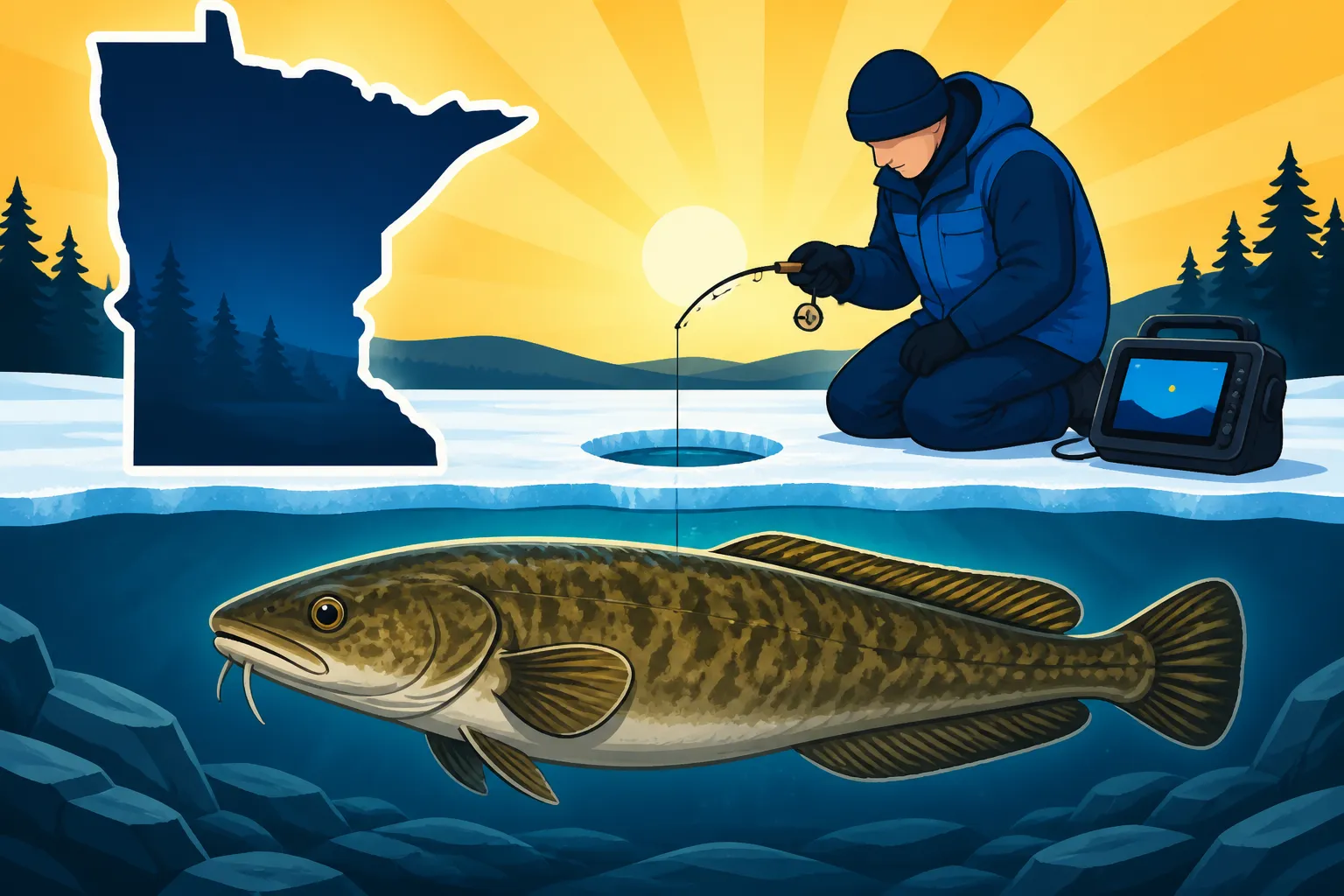
How to Catch Burbot in Minnesota
It's easy to dismiss a fish when its looks aren't exactly winning any beauty contests, and for many Minnesota anglers, the burbot, or "eelpout" as it's often called, falls squarely into that category. Often seen as an incidental catch or even a nuisance, this unique freshwater cod is frequently misunderstood. If you've ever wondered how to intentionally target these bottom-dwellers, or if they're even worth the effort, this guide is for you. We're going to dive deep into how to catch burbot in Minnesota, uncovering their habits, preferred environments, and the best techniques to land them.
Understanding Minnesota's Burbot: The Freshwater Cod
Before you can catch 'em, you've got to know 'em. Burbot are a fascinating, if not aesthetically challenged, species that thrive in Minnesota's deeper, colder waters. They're the only freshwater member of the cod family in North America, and once you understand their unique characteristics and habitats, you'll have a much better chance of putting them on the ice or in your boat.
Burbot Identification and Unique Characteristics
Let's be honest, burbot aren't winning any beauty pageants. They have an elongated, snake-like body, often mottled with dark spots and blotches over a yellowish-brown or olive-green background, which provides excellent camouflage against rocky or muddy lake bottoms. One of their most distinctive features is a single, prominent barbel (a whisker-like appendage) located on the tip of their lower jaw, which they use to forage for food in low light. They also have two dorsal fins, with the second one being exceptionally long, almost running to their rounded caudal (tail) fin. Their skin is smooth and slimy, lacking the obvious scales of many other fish, which can make them quite a handful to grip.
Many anglers might confuse them with other bottom-dwellers or even perceive them as trash fish due to their unusual appearance and slimy feel. However, beneath that unconventional exterior lies a surprisingly strong fighter and a genuinely delicious meal, earning them the nickname "poor man's lobster." They're built for deep-water survival, with small eyes adapted for low-light conditions, perfectly suited for their preferred dark, cold environments. Understanding these traits is the first step in appreciating what they bring to the Minnesota fishing scene.
Where to Find Burbot in Minnesota
Burbot are cold-water specialists, meaning they prefer deep, oxygen-rich lakes and large river systems. You won't find them basking in shallow, warm bays. Instead, they gravitate towards the deepest parts of lakes, often seeking out specific structures. In Minnesota, prime burbot waters include the mighty Lake Superior, where they can be found in significant numbers, as well as large northern lakes like Rainy Lake Fishing Guide, Lake of the Woods Fishing Guide, Leech Lake, Lake Vermilion, and even some of the deeper, oligotrophic (nutrient-poor) lakes in the Boundary Waters Canoe Area Wilderness. They also inhabit parts of the Mississippi River system.
When targeting burbot, think deep. They're often found hugging the bottom in 30 to 80 feet of water, sometimes even deeper. Look for areas with distinct underwater structure such as deep basins, submerged rock piles, humps, sharp breaks, and old river channels. In rivers, they'll congregate in deep pools and eddies with slower currents. These locations offer both refuge from warmer surface waters and a buffet of their preferred forage, which includes small fish like ciscoes, smelt, perch, and even other smaller burbot, as well as crustaceans and insect larvae. Knowing these key locations will drastically increase your chances, especially during the colder months when they become more active.
When to Target Burbot for Best Results
Timing is everything when it comes to burbot. Unlike many popular game fish that are active year-round, burbot truly shine during the coldest parts of the year, making them an incredible target for dedicated winter anglers. If you've been looking for a reason to extend your ice fishing season, burbot are it!
Prime Season: Winter and Ice Fishing
There's no sugar-coating it: winter, particularly mid-winter to late-winter, is hands-down the best time to target burbot in Minnesota. As lake temperatures drop and ice thickens, burbot become much more active and move into areas accessible to ice anglers. This coincides with their spawning period, which typically occurs from late December through February in Minnesota. During this time, they often move shallower onto mud flats, sand bars, or even rocky reefs adjacent to deep water to spawn, making them more concentrated and easier to intercept.
The sheer thrill of ice fishing for these robust creatures in the dead of winter is unmatched. While other species might slow down considerably under the ice, burbot are just hitting their stride. The cold, dark conditions are precisely what they thrive in, and they'll aggressively feed to fuel their reproductive cycle. This makes them a fantastic target for those who aren't afraid of bundling up and braving the elements. For more on the season, check out Minnesota Fishing Seasons & Opener Dates (2026).
Day vs. Night Fishing for Burbot
While you can catch burbot during the day, their activity levels really ramp up after sundown. Burbot are primarily nocturnal predators, using their excellent sense of smell and their barbel to find food in the dark. This means that if you're serious about catching burbot, especially larger ones, you'll need to embrace night fishing. This can be a significant commitment, requiring proper lighting, warmth, and safety precautions, but the rewards can be substantial.
Imagine being out on the ice under a blanket of stars, the only sounds the creak of the ice and the occasional whisper of wind. Then, suddenly, your line goes taut with a heavy, deliberate pull. That's the magic of night fishing for burbot. They are much more confident and aggressive feeders in the cloak of darkness, often moving into shallower areas than they would during daylight hours. This shift in activity makes a huge difference, often turning a slow day into a memorable night. Don't let the idea of night fishing intimidate you; with a good portable shelter and a buddy, it can be an incredibly rewarding experience. Be sure to understand Minnesota Ice Fishing & Shelter Rules before heading out.
Essential Gear and Techniques for Catching Burbot
You don't need highly specialized gear to catch burbot, but understanding their habits will help you tailor your setup for maximum effectiveness. They're not particularly finicky, but they are strong, and they're often found deep, which impacts your gear choices.
Rods, Reels, and Line Selection
When it comes to burbot, think sturdy. These aren't delicate panfish. You'll want a medium-heavy to heavy power ice rod, typically 28 to 36 inches long, with a strong backbone and a sensitive tip to detect those subtle bites. Brands like St. Croix or Clam offer excellent ice rods that can handle the deep tug of a burbot. For your reel, a sturdy spinning reel in the 2000-3000 size range is appropriate, capable of handling cold temperatures and providing smooth drag.
Line choice is critical, especially when fishing deep and battling strong fish. Many anglers opt for braided line as their main line (10-20 lb test) due to its zero stretch and sensitivity, which helps detect bites and maintain control in deep water. Pair this with a 6-10 lb fluorocarbon leader. Fluorocarbon is nearly invisible underwater and is more abrasion-resistant, a crucial factor when fishing over rocky bottoms or through ice holes. The combination offers the best of both worlds: sensitivity and strength.
Baits, Lures, and Scents that Attract Burbot
Burbot are scent-driven predators, and this is perhaps the most important tip for catching them. They're not looking for a flashy presentation as much as a stinky one. The absolute best baits for burbot are fresh, oily cut baits. Cisco, smelt, sucker, or even oily portions of a northern pike or walleye fillet work wonders. Cut the bait into strips or chunks about 1-2 inches long. Present these on a jig or spoon.
When it comes to lures, glow-in-the-dark jigs and spoons are incredibly effective. Think heavy metal jigs, jigging spoons, or even rattling spoons that can get down to the depths quickly and create some noise. Tip these lures generously with your cut bait. The glow attracts their attention in the dark, and the scent seals the deal. Brands like Northland Tackle offer various glow jigs and spoons perfect for this application. For a similar deep-water species, you might find some crossover tips in How to Catch Lake Trout Through the Ice in Minnesota.
Table: Burbot Gear & Bait Recommendations
| Category | Recommendation | Why it Works |
|---|---|---|
| Rod | Medium-Heavy to Heavy Ice Rod (28-36 inches) | Strong backbone for deep fights, sensitive tip for subtle bites. |
| Reel | Spinning Reel (2000-3000 size) | Durable, smooth drag, handles cold. |
| Main Line | 10-20 lb Braided Line | No stretch, high sensitivity, strong for deep water. |
| Leader | 6-10 lb Fluorocarbon (18-36 inches) | Nearly invisible, abrasion-resistant. |
| Baits | Fresh, Oily Cut Bait (Cisco, Smelt, Sucker) | High scent appeal, their primary food source. |
| Lures | Glow Jigs, Jigging Spoons, Rattling Spoons (1/4 – 1 oz) | Attracts attention in low light, creates noise/vibration. |
| Scent | Pro-Cure, Smelly Jelly (Garlic/Anise) | Enhances natural bait scent, crucial for nocturnal feeders. |
| Fish Finder | Flasher or Forward-Facing Sonar (Vexilar, Humminbird) | Locates bottom-hugging fish, monitors bait presentation in deep water. |
Beyond natural bait, commercial scents like Pro-Cure or Smelly Jelly in garlic or anise flavors can be applied directly to your lures or cut bait to amplify the scent trail. Remember, burbot use their noses more than their eyes, especially in the dark depths.
Setting Up for Success: Hole Placement and Presentation
When you're out on the ice, don't just drill one hole and call it a day. Burbot are often found in specific pockets, so drilling a series of holes over a suspected structure—a deep hump, a breakline, or a rock pile—can help you locate them. Start shallow on the break and work your way deeper, or vice versa, until you find their preferred depth. Use a good Best Ice Fishing Flashers: Vexilar vs Humminbird vs Garmin or a LiveScope to mark fish and monitor your bait. Burbot typically appear as thick, hard signals right on the bottom.
Your presentation is key. Drop your lure or bait all the way to the bottom. Once it hits, lift it a few feet and then drop it back down, letting it hit the bottom with a puff of sediment. This action often draws their attention. Then, hold your bait still or give it small, subtle lifts and drops, always keeping it within a foot or two of the bottom. Don't be afraid to "pound the bottom" with your jig or spoon—this can create noise and stir up the substrate, mimicking a foraging critter and drawing in burbot from a distance. Patience is a virtue, especially when waiting for those nocturnal bites. Sometimes, letting the bait sit for a few minutes before jigging again can also trigger a strike.
Handling Burbot and Regulations in Minnesota
So, you've battled a burbot through the ice or from the deep. Now what? Knowing how to handle them properly and understanding the local regulations are crucial for a responsible angler.
Safe Handling and Release Practices
Once you've landed a burbot, you'll immediately notice its unique characteristics. The slimy skin is perhaps the most prominent. It's often best to handle them with wet hands or a wet cloth to protect their delicate slime coat, especially if you plan to release them. A lip gripper can also be useful for control. Be mindful of their mouth; while not toothy like a northern pike, they have small, rasping teeth that can abrade your skin if you're not careful. Their bodies are quite flexible, making them a bit like wrestling a wet noodle.
If you intend to release the fish, do so quickly and gently. Minimize air exposure, especially in freezing temperatures. For those planning to keep burbot for the table, a quick, humane dispatch is important. They are often less resilient out of the water than some other species. Many anglers find it easiest to unhook them quickly and get them into a pail or cooler right away.
Understanding Minnesota Burbot Regulations
Minnesota has specific regulations for burbot, and it's essential to consult the current year's fishing regulations booklet from the Minnesota Department of Natural Resources (DNR). These regulations can change, and specific lakes may have unique rules, so always double-check before you hit the water.
Generally, burbot are considered an underutilized species, and as such, limits are often quite generous, or there might be no possession limit at all on many bodies of water. For example, in most inland waters, there's often no daily bag or possession limit for burbot, which means you can keep as many as you'd like. However, for Lake Superior, there are usually specific bag and possession limits in place, typically around 10 fish. Size restrictions are less common for burbot than for other popular game fish, but again, always consult the official DNR regulations. You can find detailed information on species-specific regulations and how to find the official PDF in the "Regulations & Licenses" section of the Minnesota DNR website. This ensures you're always fishing legally and responsibly.
Why You Should Give Burbot a Try (Beyond the Looks)
It's easy to look at a burbot and think, "Ew." But if you can get past their unconventional appearance, you'll discover a truly rewarding fish to catch and eat. They offer a unique angling experience, especially in the heart of winter.
Culinary Delights: The "Poor Man's Lobster"
This is where burbot truly shines. Despite their less-than-glamorous exterior, burbot are often referred to as "poor man's lobster" for a very good reason. Their firm, white, flaky flesh, particularly from the tail sections, has a sweet, delicate flavor and texture remarkably similar to lobster or crab when cooked properly.
The easiest way to prepare burbot for eating is to fillet them, removing the skin, and then cube the flesh. Many anglers prefer to boil or steam these cubes, then serve them with melted butter, just like you would with lobster or crab. You can also fry, bake, or grill them, and they hold up well to various seasoning profiles. Don't let their appearance fool you; a fresh burbot dinner is a true winter delicacy. If you're curious about other table fare, check out Best Eating Fish in Minnesota Lakes. Trust me, once you try it, you'll understand why dedicated burbot anglers brave the cold for these fantastic fish.
The Thrill of the Fight and Winter Opportunity
Beyond the table fare, burbot offer an exhilarating fight. They are strong, deep-diving fish that pull hard. When you hook into a good-sized burbot, expect a heavy, determined tug that will test your rod and reel, especially on ice fishing gear. They might not jump like a bass or make screaming runs like a lake trout, but their powerful, deep pulls are undeniably exciting.
For the passionate angler, burbot represent an incredible opportunity to extend the fishing season into the coldest months. When other species become sluggish, burbot are active and eager to bite, providing a fantastic challenge and a rewarding catch during a time when many boats are put away for the year. Learning How to Catch Burbot Through the Ice in Minnesota can open up a whole new dimension of winter angling. It's a chance to experience a unique fishery, refine your deep-water techniques, and enjoy the peace and solitude of a Minnesota winter while waiting for that tell-tale, heavy tug on your line. For the adventurous spirit, targeting burbot is a truly unique and satisfying fishing experience that many overlook. You'll also want to be properly equipped, so consider reviewing resources like Best Ice Fishing Gear for Minnesota (2027 Guide) to ensure you have everything you need.
Disclaimer
Fishing regulations, seasons, and limits can change frequently. Always consult the most current Minnesota Department of Natural Resources (DNR) fishing regulations booklet or website before heading out on the water to ensure you are compliant with all local rules and laws. This guide is for informational purposes only.