How to Catch Channel Catfish in Minnesota (Step by Step)
There's nothing quite like the thrill of a rod bending violently, signaling that you've hooked into a powerful fighter that might just spool your reel. If you've ever felt that frustration of trying to land something substantial, only to find you're under-gunned, then you know the challenge – especially when targeting tough, hard-pulling fish like Channel Catfish in Minnesota. This guide is dedicated to helping you master the art of catching these whiskered beauties, from understanding their habits to the best gear and techniques.
Understanding Minnesota’s Channel Catfish
Before we dive into the nitty-gritty of hooks and bait, let's get to know our quarry. Channel catfish are incredibly abundant in Minnesota, especially in our major river systems, offering fantastic fishing opportunities. They're not just strong fighters; they're also quite tasty, making them a popular target for many anglers. But what makes them tick?
Where Channel Catfish Call Home
In Minnesota, channel catfish are primarily river dwellers. Think about the mighty Mississippi River, the Minnesota River, and especially the Red River of the North – these are absolute hotspots. While they do inhabit some larger lakes, their true kingdom lies in moving water. They love areas with current, especially those deeper holes, bends, and slack water pockets that offer both food and refuge.
You'll often find them lurking near structures like fallen trees, log jams, and rock piles, which provide cover and ambush points for prey. They’re bottom feeders, using their sensitive barbels (whiskers) to detect food by smell and touch, even in murky waters. Unlike some other species that might prefer crystal-clear lakes, channel cats thrive in a variety of water conditions, often favoring those that are a bit more turbid. This is a crucial detail, as it informs your bait choices and fishing strategy. If you're looking to understand more about Catfish in Minnesota: Channel & Flathead, it’s important to know the subtle differences in their habitats.
Channel Catfish Behavior and Feeding Habits
Channel catfish are largely nocturnal, meaning they're most active and feed heavily during the low light of dawn, dusk, and especially throughout the night. This doesn't mean you can't catch them during the day – you absolutely can, especially on overcast days or in deeper, darker waters – but if you're serious about targeting bigger numbers or trophy fish, embracing the night bite is key. If you've ever tried Night Fishing for Walleye in Minnesota, you'll find some similarities in approach, albeit with different bait preferences.
They're opportunistic omnivores, meaning they'll eat just about anything they can get their barbels on. Their diet includes small fish, crustaceans, insects, and even plant matter. This diverse diet is fantastic news for anglers because it means a wide variety of baits can be effective. They rely heavily on their sense of smell, which is why stinky baits are so popular. They're also extremely resilient fighters; once hooked, they'll pull hard, often diving for cover, which makes them a blast to catch on appropriate gear.
Essential Gear for Channel Catfish Angling
Fishing for channel catfish doesn't require the most expensive, high-tech setup, but it does demand gear that can handle a serious fight. You want strength and reliability over finesse. If you’re just getting started, don’t stress too much about breaking the bank; effective gear is readily available.
Rods and Reels for Heavy Duty Action
For channel catfish, you'll want a medium-heavy to heavy action spinning or baitcasting rod, typically in the 7 to 9-foot range. A longer rod provides better casting distance and leverage when fighting a large fish, especially from shore or in strong currents. The backbone of a heavy rod is crucial for setting hooks into their tough mouths and for muscling them away from snags.
Pair that rod with a sturdy spinning reel in the 4000 to 6000 size range, or a baitcasting reel designed for larger lines and heavier lures. Look for reels with a smooth, reliable drag system, as you'll definitely be putting it to the test. Brands like Penn, Shimano, or Abu Garcia offer excellent options. You can often find great value on these setups on Amazon if you're looking for a convenient way to shop. For those looking for a general setup, understanding the Best Rod and Reel Combo for Beginners can be a great starting point, just remember to scale up for catfish.
Lines, Hooks, and Weights
Your fishing line is your direct connection to the fish, so don't skimp here. Monofilament line in the 15-30 lb test range is a good all-around choice. It has some stretch, which can act as a shock absorber during powerful runs. Braided line, in a similar test range (20-40 lb), is also a popular option, offering superior strength, sensitivity, and smaller diameter for its breaking strength. The lack of stretch in braid means a more direct feel for the bite and powerful hooksets, which can be advantageous.
For hooks, circle hooks are your best friend when targeting channel catfish, especially if you plan on catch and release. They dramatically reduce gut hooking, as they're designed to hook in the corner of the fish's mouth as it tries to swallow the bait and pulls away. Sizes 2/0 to 6/0 are typically appropriate, depending on the size of fish you expect to encounter and your bait. For weights, you'll need enough to hold your bait on the bottom, especially in current. Egg sinkers, pyramid sinkers, or flat bank sinkers in 1/2 oz to 3 oz are common choices. Always carry a variety!
Baits: The Scent is the Secret
This is where catfish fishing gets really fun! Channel catfish are scent-driven predators, so the stinkier the better. Forget delicate presentations; these fish want a strong aroma.
Here’s a table outlining some of the most effective baits for Minnesota channel catfish:
| Bait Type | Description | Pros | Cons | Ideal Conditions |
|---|---|---|---|---|
| Cut Bait | Chunks of oily fish (suckers, shad, carp, bullheads) | Extremely effective, natural scent trail, durable | Can be messy, needs refrigeration/freezing | Rivers, lakes, any time catfish are feeding |
| Chicken Liver | Readily available, strong scent | Very attractive to catfish, inexpensive | Extremely soft, easily comes off hook, messy | Slower currents, calmer waters |
| Prepared Stink Baits | Dough balls or dips specifically formulated for catfish | Super strong, concentrated scent, easy to use | Can be messy, less natural, often requires special holders | Any condition, great for passive fishing |
| Nightcrawlers | Classic worm bait | Easy to find, familiar scent, attracts other fish too | Less targeted for catfish, smaller profile | Versatile, good for smaller catfish or scouting |
| Shrimp | Raw, peeled shrimp (often marinated) | Strong scent, fairly durable | Can be more expensive, less common | Versatile, can be surprisingly effective |
While Best Live Bait for Walleye (Leeches, Minnows, Crawlers) are great for other species, for channel catfish, the smellier, the better. You can experiment with different baits to see what the fish are keying in on in your specific fishing spot. Many anglers swear by a good prepared bait, like those from Ugly Joe's or Sonny's, which you can also find easily on Amazon.
Finding Catfish Hotspots in Minnesota
Knowing where to cast your line is half the battle. Channel catfish aren't usually cruising open water; they prefer specific types of structure and depth. Understanding these preferences will significantly increase your success rate.
Riverine Environments
Minnesota's rivers, especially the Mississippi and Minnesota Rivers, are prime channel catfish territory. When fishing these rivers, focus your efforts on:
- Deep River Bends and Holes: Catfish love to sit in deeper water, especially where the current creates scour holes on the outside bends of a river. These spots offer sanctuary from strong currents and are natural collection points for food.
- Current Seams and Eddies: Look for areas where fast-moving water meets slower, slack water. These "seams" are perfect ambush points for catfish as food washes by. Eddies, which are circular currents, also concentrate food and provide comfortable resting areas.
- Log Jams and Fallen Trees: Wood structure in the water creates current breaks and cover, making them irresistible to catfish. Be prepared for snags when fishing these areas, but the reward can be worth the risk.
- Dam Tailwaters: Below dams, the churning water is highly oxygenated and creates feeding frenzies for many fish, including catfish. Always be mindful of safety and regulations when fishing near dams. The Mississippi River Pool Fishing in Minnesota offers a wealth of opportunities for targeting catfish, particularly in these types of spots.
Lake and Reservoir Catfish Locations
While not as prevalent as in rivers, channel catfish do inhabit many of Minnesota's larger lakes and reservoirs, especially those with river inlets or outlets.
- River Mouths and Inlets: Where a river flows into a lake, it carries nutrients and baitfish, creating a feeding zone that catfish readily utilize. The transition from moving water to still water is a key area.
- Deep Flats and Drop-offs: In lakes, channel catfish will often hold on deep flats adjacent to sharp drop-offs or humps. They might move up onto the flats to feed during low light conditions and retreat to deeper water during the day.
- Main Lake Basin Areas: Some lakes, particularly those with a strong current influence or deep, murky sections, will hold channel catfish throughout the main basin. You might find them suspended over deeper water if there's a thermocline or active baitfish schools.
Step-by-Step Fishing Techniques for Channel Catfish
Now that you know what they like to eat and where they live, let's get down to the actual fishing. This approach focuses on a basic, highly effective bottom-fishing rig.
Setting Up Your Catfish Rig
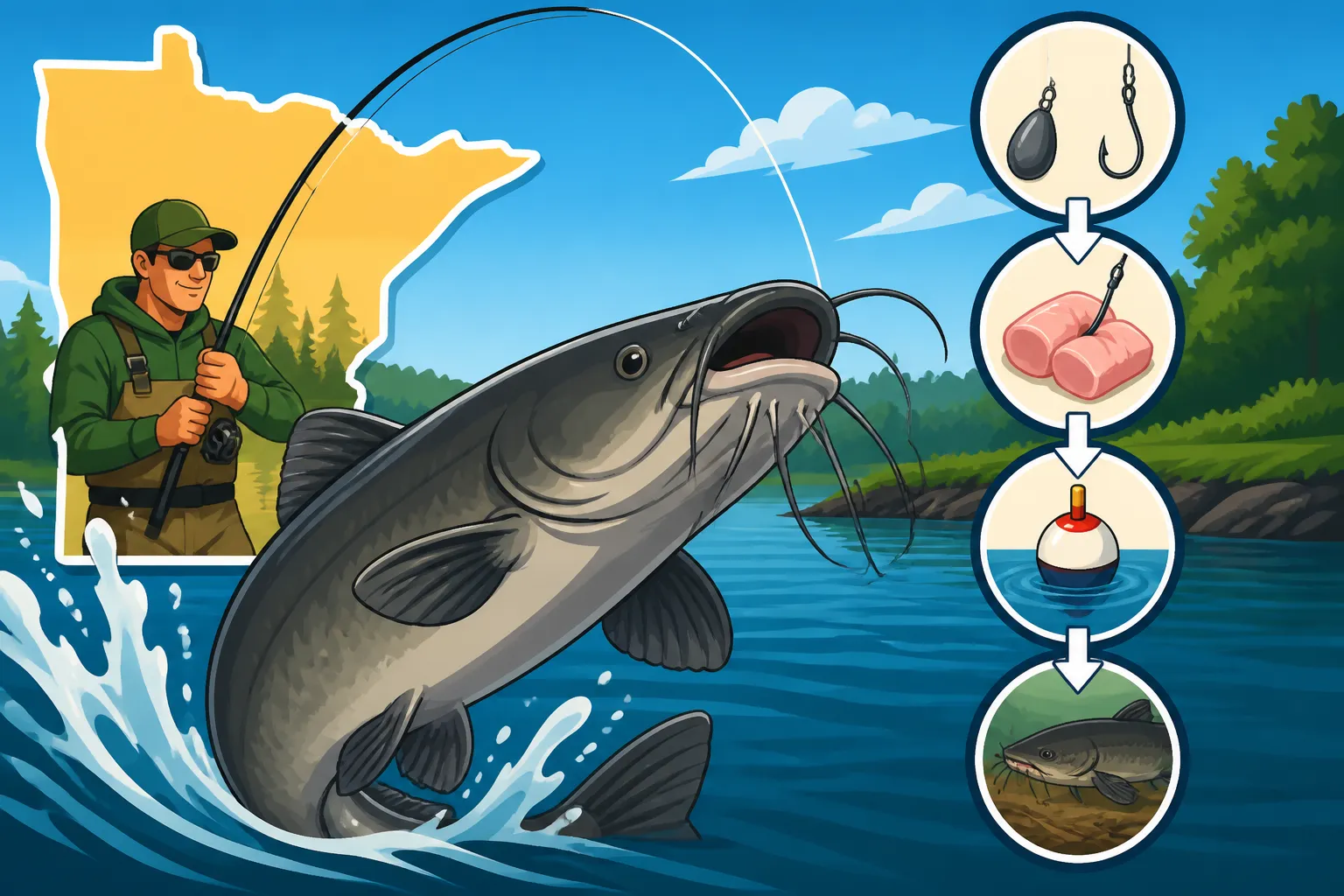
The most common and effective rig for channel catfish is a simple slip-sinker rig. Here’s how to put it together:
- Main Line First: Thread your main line (from your reel) through a slip sinker (egg sinker or no-roll sinker). The weight of the sinker will depend on the current and depth; start with 1/2 to 1 ounce and adjust as needed.
- Bead for Protection: After the sinker, slide a small plastic or glass bead onto your main line. This bead protects your knot from the sinker constantly banging against it.
- Tie on a Swivel: Tie a strong barrel swivel to the end of your main line using a reliable knot like a Palomar or improved clinch knot. This swivel prevents line twist and is a crucial connection point.
- Leader Line: To the other end of the swivel, tie a leader line. This leader should be 12-24 inches long and can be the same test as your main line or slightly lighter. Using a lighter leader means if you get snagged, you might only lose your hook and leader, not your entire rig.
- Attach Your Hook: Finally, tie your chosen circle hook (2/0 to 6/0) to the end of your leader.
This setup allows the fish to pick up the bait and move off with it without feeling the full weight of the sinker immediately, which can lead to more confident bites.
Casting, Presentation, and Waiting for the Bite
Once your rig is ready and baited, cast it out to your chosen spot. If you're fishing a river, try to cast slightly upstream and allow the current to carry your bait naturally downstream into the target area, letting it settle on the bottom. In lakes, simply cast to your desired depth and structure.
Once your bait is on the bottom, tighten your line just enough to take out any slack. You want a relatively tight line so you can feel bites, but not so tight that the fish feels excessive resistance. Place your rod in a sturdy rod holder – a bank stick or a specialized catfish rod holder is essential, especially if fishing with multiple rods. Channel catfish hit hard, and you don't want your rod pulled into the water! For How Many Lines Can You Fish in Minnesota, remember to always check current regulations, as this varies by water body and time of year.
Now, you wait. Catfish bites can range from subtle taps to a violent, rod-bending smash. With a circle hook, resist the urge to set the hook hard. Instead, when you feel a bite and the rod starts to load up, simply reel steadily or lift the rod tip gently. The circle hook will do its job and set itself in the corner of the fish's mouth.
Fighting and Landing Your Catch
When you've got a channel catfish on the line, be prepared for a fight. These fish are strong and will often make powerful, head-shaking runs. Keep your rod tip up, let your drag do its job, and slowly work the fish towards you. If it runs for cover (like a log jam), try to steer it away with side pressure on the rod.
For landing, a large net is invaluable, especially for bigger fish. Grabbing a channel catfish by hand can be tricky due to their pectoral and dorsal fins, which have sharp spines. If you must handle them, be cautious. Support the fish horizontally and handle it gently, especially if you plan to release it. Proper Catch and Release Best Practices in Minnesota are important for the health of our fisheries.
Best Times to Fish for Channel Catfish
Timing can make a huge difference in your catfish success. While you can catch them year-round, certain seasons and times of day are significantly more productive.
Seasonal Patterns and Prime Months
The absolute prime time for catching channel catfish in Minnesota is during the warmer months, roughly from late May through September. This aligns perfectly with the Channel Catfish Season & Limits in Minnesota, which are quite generous throughout the open water period.
- Late Spring (May-June): As water temperatures rise, catfish become very active after their more lethargic winter. They'll be feeding heavily to prepare for spawning. This is an excellent time to target them, especially in river systems.
- Summer (July-August): This is peak catfish season. The warm water makes them incredibly active, and they're often found in their preferred deeper holes or cruising current breaks. This is when the night bite really shines.
- Early Fall (September): Catfish continue to feed aggressively as water temperatures begin to drop, stocking up for the colder months. Fishing can remain excellent until the water gets truly cold.
For a broader understanding of how fish react to changing conditions, you might want to look into Seasonal Fishing Patterns in Minnesota.
Time of Day and Weather Considerations
As mentioned, channel catfish are largely nocturnal, so don't be afraid to fish after dark.
- Night Fishing: From dusk until dawn is often the most productive time. Their excellent sense of smell gives them an advantage in low light, and they'll actively cruise for food. Arm yourself with a good headlamp (also easily found on Amazon) and bug spray.
- Low Light Periods: Early morning (pre-dawn to an hour or two after sunrise) and late evening (an hour or two before sunset) can also be very productive.
- Overcast Days: If you're fishing during the day, look for overcast skies or days with a gentle rain. This reduces light penetration and can encourage catfish to be more active.
- Rising or Falling Water: In rivers, a rising or falling water level, especially after a rain, can trigger a strong bite as new food sources are washed into the river.
Channel Catfish Regulations in Minnesota
Before you head out, always make sure you're up-to-date on the latest Minnesota fishing regulations. These rules are put in place to protect our fisheries and ensure sustainable fishing for generations to come. You can find detailed information in the annual Minnesota Fishing Regulations handbook, usually available online through the DNR website or at license vendors.
The Minnesota Fishing Limits: Bag & Possession (2026) for channel catfish are generally quite liberal across most of the state, especially compared to species like walleye. However, there are exceptions, particularly on specific border waters or in certain areas that might have unique management plans. For example, some sections of the Red River of the North might have different regulations than the Mississippi.
It’s crucial to know the daily limit (how many you can keep in one day) and the possession limit (how many you can have in your possession, including those at home). These limits can vary, so a quick check before each season is always a good habit. You can find your current fishing license information and purchase new ones at various locations across the state, including local bait shops, sporting goods stores, and online through the Minnesota DNR's website. If you're unsure about buying licenses, How to Get a Minnesota Fishing License Online is a helpful resource.
Remember, fishing without a valid license or exceeding catch limits can result in significant penalties, so it’s always better to be safe than sorry.
Final Thoughts on Catfish Success
Channel catfish are an incredible resource for Minnesota anglers. They're accessible, they fight hard, and they taste great! Don't let their reputation as "trash fish" fool you; they are worthy opponents that provide some of the most exciting battles on the water. By understanding their habits, using the right gear, and focusing on productive spots and times, you'll be well on your way to consistent success. So grab your sturdy rod, load up on some stinky bait, and get ready for some serious tugs – you won't regret it! For those interested in Best Gear for Catfish Fishing in Minnesota, a visit to your local bait shop or a browse through Amazon will set you up perfectly.
Disclaimer
Fishing conditions, regulations, and fish behavior can change rapidly. Always consult the most current Minnesota Department of Natural Resources (DNR) fishing regulations before heading out on the water. This guide provides general information and recommendations, but it is the angler's responsibility to know and follow all applicable laws and safety guidelines.