Best Seasonal Pattern for Brown Trout in Minnesota
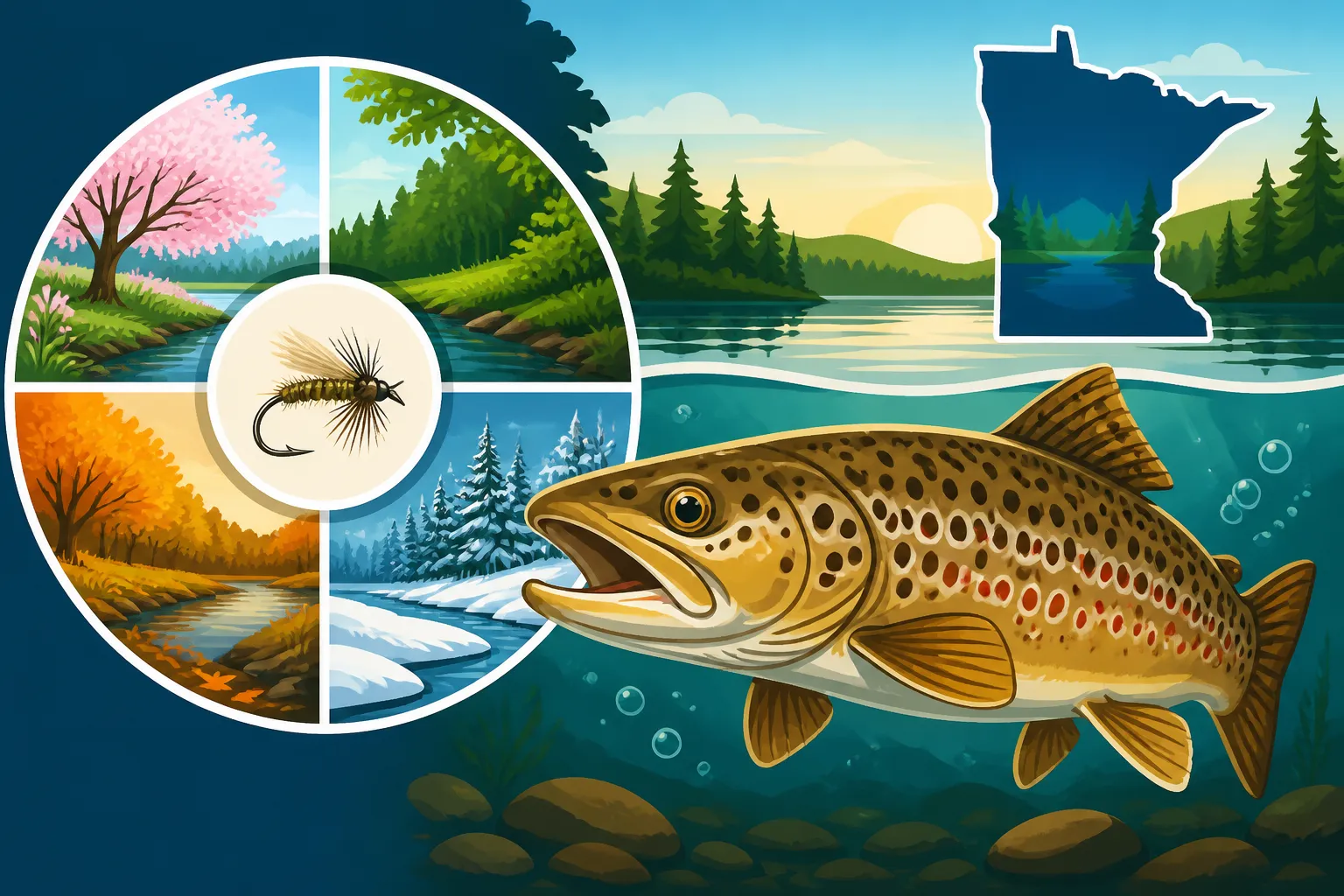
There’s nothing quite like the thrill of chasing brown trout in Minnesota’s beautiful streams and rivers, but boy, can they be finicky! It often feels like you’re doing everything right, yet the fish just aren't biting. That's because brown trout, more than many other species, are highly tuned into the subtle shifts in their environment, which means their behavior changes dramatically with the seasons. Understanding these seasonal patterns is crucial for consistent success, and this guide will break down exactly how these wily fish behave year-round, helping you unlock their secrets.
Understanding Brown Trout Behavior Throughout the Year
Brown trout are incredibly adaptable, but their activity levels and preferred locations shift significantly from season to season. What works like magic in spring might completely strike out in summer. Knowing these broad patterns is your first step to becoming a more successful angler.
Spring: Post-Spawn Recovery and Rising Activity
Spring in Minnesota is a season of awakening, and brown trout are definitely feeling it. They've just come off their fall spawning run, so early spring can find them a bit sluggish, recovering their energy. But as the ice melts and the water begins to warm, a whole new world opens up.
Early Spring: Cold Water and Recovery
When the snow is still melting and water temperatures hover in the low 40s (Fahrenheit), brown trout are often found in deeper, slower pools. They're not expending a lot of energy, and their metabolism is still quite low. They're looking for easy meals close to cover, whether that's an undercut bank, a submerged log, or a rock pile. Think about those first few weeks after the ice is off the larger rivers, or when the smaller streams are just flowing freely. They might not be aggressive, but they're there, recuperating. You'll often find them schooled up in these deeper pockets, waiting for a significant warm-up. This is a time for subtle presentations and patience.
Mid-Spring: Water Warming and Insect Hatches
As late April and May roll around, the water warms into the 50s and low 60s, and everything changes. This is arguably one of the best times to target brown trout. Major insect hatches, like caddis and mayflies, start to pop, bringing a massive influx of food. The trout become incredibly active and aggressive, moving into riffles, runs, and the heads of pools to feed voraciously. They’re putting on weight, regaining strength, and taking advantage of the abundant food. You’ll see them rising to dry flies, chasing streamers, and actively searching for nymphs. The increased flows from spring runoff can also spread them out, but they’ll be concentrated in areas where food is readily available and the current is comfortable. For more on this, check out our guide on Stream Trout Season Dates & Streams.
Late Spring: Pre-Summer Patterns and Territoriality
By late May and early June, before the dog days of summer really set in, the water is at a comfortable temperature, and hatches are still strong. Brown trout are well-fed and often very territorial. They'll hold strong positions in prime feeding lies, defending them from other fish. This is a great time for targeting larger browns with streamers or even small baitfish imitations, as they're actively patrolling their zones. The combination of good water levels and consistent insect activity makes for fantastic fishing. They're in peak condition and will often hit with aggressive takes.
Summer: Low Water, High Temperatures, and Nocturnal Hunts
Summer fishing for brown trout in Minnesota can be a challenge, especially during heat waves. Brown trout are cold-water fish, and high water temperatures can stress them significantly. Their activity often shifts dramatically to the cooler parts of the day, or even to nighttime.
Early Summer: Strong Flows and Good Fishing
The beginning of summer, especially in June, can still offer excellent brown trout fishing. Runoff has usually subsided, water levels are stable, and temperatures are still within their comfort zone. Hatches continue, though perhaps with less intensity than in mid-spring. Trout are active and can be found throughout the stream. This is a transition period, where you can still use many of your spring tactics with good success before the full heat of July and August arrives.
Mid-Summer: Warm Water and Seeking Cold Refuges
By July and August, when stream temperatures often creep into the upper 60s or even low 70s, brown trout become much harder to catch during the day. They’ll seek out thermal refuges – deep pools, groundwater springs, areas with heavy shade, or places where cold feeder creeks enter the main stream. Their metabolism slows, and they become lethargic. Fishing during midday can be unproductive and even harmful to the fish if you're practicing catch and release, as the warm water reduces oxygen levels and increases stress. This is often when anglers shift to early mornings, late evenings, or even night fishing. For more on handling fish in these conditions, consider our advice on Catch and Release Best Practices in Minnesota.
Late Summer: Recovering and Looking for Cooler Evenings
As August transitions into September, nights get longer and cooler, signaling the impending fall. While daytime temperatures might still be warm, the cooling evening air helps drop water temperatures, especially overnight. Brown trout start to perk up, becoming more active in the evenings and mornings. They're still wary and often in their deep, cool spots during the brightest parts of the day, but their feeding windows expand. Terrestrial insects like grasshoppers and ants become a key food source, especially if they fall into the water from overhanging vegetation.
Fall: Pre-Spawn Frenzy and Aggressive Feeding
Fall is arguably the season for trophy brown trout in Minnesota. As water temperatures drop, brown trout become incredibly active and aggressive, preparing for their annual spawn.
Early Fall: Cooling Water and Increased Activity
When September arrives and the leaves begin to turn, stream temperatures consistently drop into the ideal range (low 50s). This triggers a significant increase in brown trout activity. They'll move out of their summer refuges and begin to spread throughout the stream, actively feeding to build up energy reserves for spawning. Hatches of smaller mayflies and caddis can still occur, but the trout also key in on baitfish, sculpins, and other protein-rich meals. This is a fantastic time for streamer fishing, as the trout are eager to chase down a meal.
Mid-Fall: Peak Spawning Activity and Aggressive Males
October and November are prime spawning months for brown trout. They move into shallower riffles and gravel beds, known as redds, to lay and fertilize eggs. During this time, male brown trout develop hooked jaws (kypes) and brilliant spawning colors, becoming extremely aggressive and territorial. They'll strike at anything they perceive as a threat to their redd or a competitor for a mate. While it can be tempting to target these actively spawning fish, it's often best practice to avoid disturbing them to ensure future generations. Instead, focus on fish in deeper runs and pools nearby that are either pre-spawn or post-spawn and still feeding heavily. Some anglers argue that targeting active spawners can harm the future of the fishery, so exercising restraint is often recommended.
Late Fall: Post-Spawn Recovery and Preparing for Winter
After the intense energy expenditure of spawning, brown trout are typically exhausted and hungry. They’ll drop back into deeper pools and runs, feeding aggressively to recover and bulk up for the lean winter months. Water temperatures continue to drop, and insect activity diminishes, making larger, meaty offerings like streamers or nymphs mimicking baitfish highly effective. This period often lasts until the water becomes too cold and icy, pushing them into their winter holding patterns. Many anglers find success with larger patterns that offer a substantial meal, as the trout are looking to maximize caloric intake.
Winter: Slow Metabolism and Deep Lies
Winter fishing for brown trout is often a niche pursuit, but it can be incredibly rewarding for those who brave the cold. Success relies on understanding their significantly reduced metabolism and locating their deep-water sanctuaries.
Early Winter: Post-Spawn Residuals and Deep Pools
As winter sets in and stream banks begin to freeze, brown trout remain in deeper pools and runs. There might still be some residual post-spawn feeding, especially on warmer, sunny days. They're not as active as in fall, but they can still be enticed with a slow, deliberate presentation. Look for areas with slower current and consistent depth, providing them with a comfortable resting place.
Mid-Winter: Very Cold, Sluggish, and Hard to Find
In the coldest parts of January and February, when water temperatures are near freezing, brown trout are at their most lethargic. They'll hold tight to the bottom in the deepest, slowest pools, conserving energy. Their feeding windows are minimal, and they require extremely delicate presentations. This is often a time for very small nymphs or midge patterns, fished with painstaking slowness. Persistence and knowing exactly where the fish are holding are key during this challenging period.
Late Winter: Pre-Spring Stirrings and Slight Increase in Activity
Towards the end of February and into early March, as the days lengthen and the first hints of spring arrive, brown trout might show a slight increase in activity. Water temperatures might barely budge, but the increased photoperiod can trigger a subtle shift. They'll still be in their deep winter lies, but a slightly more active presentation, or a slightly larger nymph, might get their attention. This is a bridge period before the full awakening of spring.
Key Environmental Factors Influencing Brown Trout Seasons
Brown trout are incredibly sensitive to their environment. Understanding the major factors that dictate their behavior is just as important as knowing the calendar month.
Water Temperature: The Master Control
Water temperature is the single most critical factor influencing brown trout behavior. These fish thrive in cold, oxygen-rich water.
Optimal Temperature Ranges
Brown trout are most active and comfortable when water temperatures are between 45°F and 65°F (7°C – 18°C). Within this range, their metabolism is high, they digest food efficiently, and they are generally aggressive feeders. When you find water in this range, you’re likely to find active fish. For example, during a spring or fall day on a North Shore stream like the Brule River, if the water hits these temps, the fishing can be phenomenal.
How Extreme Temperatures Affect Activity and Location
Temperatures outside this range cause stress. Below 40°F, trout become sluggish and conserve energy, hunkering down in deep pools. Above 68°F (and certainly above 70°F), they become highly stressed. They'll seek out any available cold water, often near groundwater seeps or in the deepest, shadiest sections of a river. Their feeding slows dramatically, and they are much more susceptible to post-release mortality. Fishing when water temperatures exceed 70°F is generally discouraged for the health of the fish. Always carry a thermometer when trout fishing, especially in warmer months.
Water Levels and Flow Rates
The volume and speed of water in a stream also significantly impact where brown trout hold and how they feed.
Impact of High Flows in Spring Runoff
During spring runoff, high water levels and strong currents can make fishing challenging. Trout will move out of fast-moving main currents and seek refuge in slower pockets along the banks, behind large boulders, or in eddies. They still need to feed, but they won't expend excessive energy fighting the current. Knowing how to fish these seams and slower areas is crucial. High water also brings a lot of suspended sediment, which can reduce visibility and push fish deeper. Our comprehensive guide on How to Catch Stream Trout: Nymphs & Dries details some effective tactics for these conditions.
Impact of Low Flows in Summer Droughts
Conversely, prolonged periods of low water in summer can make brown trout extremely wary. With less water, they have fewer places to hide, and predators (including anglers) have an easier time spotting them. They'll become very skittish, requiring longer leaders, lighter tippets, and stealthier approaches. Low water also means higher water temperatures, exacerbating the stress on the fish. Fishing during very low water often requires pinpoint casts and long-distance presentations to avoid spooking fish.
How Stable Flows Create Predictable Patterns
Stable water levels and consistent flows are ideal. When the water isn't fluctuating wildly, trout can establish predictable feeding lies and patterns. They know where to find food, where to hide, and where to rest without constantly expending energy to adjust to changing currents. Many anglers prefer fishing a stable river after a rain, once the high water has dropped back to a fishable level, and the water has a slight stain but isn't raging.
Insect Hatches and Forage Availability
What brown trout are eating, or expecting to eat, drives much of their daily behavior. This food availability fluctuates seasonally.
Role of Aquatic Insects
Aquatic insects like mayflies, caddisflies, and stoneflies are the backbone of a brown trout's diet. Their life cycles are highly seasonal. Spring and fall see major hatches that bring trout to the surface for dry fly fishing. Knowing the common insect species in a particular Minnesota stream and their hatch times can unlock incredible fishing opportunities. Matching the hatch, or at least presenting a fly or lure that mimics the prevalent insect, is often key. You can find excellent fly patterns and insect guides on Amazon to help you prepare.
Impact of Terrestrial Insects
In summer, especially during warmer months, terrestrial insects become very important. Grasshoppers, ants, beetles, and crickets accidentally falling into the water can provide a significant meal for a hungry trout. This is when fishing with hopper patterns or small beetle imitations can be highly effective, especially near grassy banks or overhanging vegetation.
Importance of Baitfish
Larger brown trout, particularly those over 15 inches, become increasingly piscivorous, meaning they feed on other fish. Sculpins, various minnow species, and even smaller trout are prime targets. This feeding behavior is prevalent year-round but becomes especially important in fall as trout bulk up for winter and spawning. Streamer patterns that imitate these baitfish are incredibly effective, especially when fished aggressively.
Targeting Brown Trout with Seasonal Strategies
Now that we understand the seasonal behaviors and environmental factors, let's talk tactics. Adapting your approach to the season is paramount.
Spring Strategies: Matching the Hatch and Streamers
Spring is a time of renewal and increased feeding, offering diverse fishing opportunities.
Lure and Bait Choices
In early spring, focus on subsurface presentations. Heavy nymphs like stoneflies or large caddis larvae can be effective, drifted slowly through deep pools. Small, subtle spinners or minnow imitations can also work. As water warms, mid-spring calls for a wider array:
- Nymphs: Pheasant Tails, Hare's Ears, Prince Nymphs in sizes #12-18.
- Wet Flies: Soft Hackles swung through runs.
- Streamers: Woolly Buggers, Sculpin patterns in olive or black, especially after a good rain.
- Spinners: Small Mepps Aglia or Panther Martin spinners in silver or gold, fished with a slow retrieve.
- Live Bait: Garden worms or small minnows, fished under a bobber or drift-fished in slower currents.
Techniques
When the water is still cold, a dead drift is often best, presenting your offering naturally with the current. As fish become more active, swinging flies or retrieving streamers with short strips can induce aggressive strikes. In areas with significant insect activity, paying attention to rising fish and trying to match the hatch with a dry fly can be thrilling. Focus on seams where slower water meets faster water, and the heads of pools where food washes in. Remember, brown trout can be skittish, even in spring, so careful wading and casting are important.
Summer Strategies: Dawn, Dusk, and Deep Water
Summer demands stealth, patience, and often a shift to low-light conditions.
Lure and Bait Choices
During the heat of the day, trout are less likely to chase. Focus on getting your offering deep and enticing a reluctant bite.
- Terrestrials: Hopper patterns, ant imitations, and beetle patterns are excellent choices for dry flies, fished close to vegetated banks.
- Small Streamers: Fished slowly and deep, especially during low light or after dark.
- Nocturnal Patterns: Large, dark streamers or mice patterns can be incredibly effective when fishing at night.
- Small Nymphs: Midge patterns or small caddis larvae fished deep and slow.
- Live Bait: Nightcrawlers, often fished with minimal weight to allow for a natural drift into deep holes.
Techniques
Fish at dawn, dusk, or even well into the night. During the day, seek out deep pools, undercut banks, and spring-fed areas. Use long leaders and light tippets to avoid spooking fish in clearer, lower water. Stealth is paramount – avoid loud movements, wear natural colors, and keep a low profile. When fishing terrestrials, often a "plop" on the water that mimics a falling insect can trigger a strike. For night fishing, use heavy streamers or topwater mice patterns, casting to known holding water and retrieving slowly. This kind of fishing can yield some of the largest browns, as they feel more secure under the cloak of darkness.
Fall Strategies: Big Flies, Big Fish, and Spawning Runs
Fall is about capitalizing on the trout's pre-spawn and spawning aggression.
Lure and Bait Choices
This is the time to throw bigger, more aggressive patterns.
- Streamers: Large articulated streamers, Zonkers, and classic Woolly Buggers in olive, black, or natural baitfish colors.
- Egg Patterns: While targeting actively spawning fish is often discouraged, egg patterns fished below redds can sometimes catch post-spawn fish that are feeding on dislodged eggs.
- Large Nymphs: Stonefly patterns, San Juan Worms, or larger caddis larvae to imitate substantial meals.
- Minnow Imitations: Larger stickbaits or soft plastic minnows for spin fishing, mimicking sculpins or shiners. Popular brands like Rapala offer excellent minnow imitations suitable for fall browns, often found on Amazon.
Techniques
Aggressive retrieves with streamers are highly effective. Cast across and down, allowing the streamer to swing and then strip it back with varied speeds. Target larger pools, deeper runs, and any structure that might hold a predatory brown. When brown trout are on their redds, it's best to fish areas upstream or downstream from these spawning beds to target non-spawning or post-spawn fish. Remember, while males can be very aggressive, handling them during the spawn can be highly detrimental. Observe and admire, but minimize disturbance.
Winter Strategies: Slow and Deep Presentations
Winter requires a minimalist approach and extreme patience.
Lure and Bait Choices
Less is often more in winter. Think small, subtle, and nutrient-dense.
- Small Nymphs: Midge patterns (#20-24), tiny Pheasant Tails, or Zebra Midges.
- Egg Patterns: Still effective if fished precisely below known spawning areas where eggs might be present.
- Tiny Jigs: Micro jigs tipped with a wax worm or a small soft plastic bait can be deadly for spin anglers. Brands like Northland Fishing Tackle offer some great micro jigs.
- Live Bait: Small red worms or wax worms, fished very slowly and naturally.
Techniques
Dead drifting is the primary technique. Use a sensitive rod and strike indicator, focusing on detecting the slightest tap. Your presentation needs to be incredibly slow and natural, mimicking an insect drifting lifelessly in the cold water. Target the deepest, slowest pools and sections of the river. Fish during the warmest part of the day, usually mid-afternoon, when any slight temperature increase might spur a brief feeding window. Patience is your greatest virtue in winter brown trout fishing. Remember, Minnesota offers a unique opportunity to experience Ice Fishing in Minnesota: Complete Beginner-to-Pro Guide if stream fishing gets too cold.
Here's a quick overview of seasonal patterns and tactics:
| Season | Water Temperature Range | Brown Trout Behavior | Key Locations | Recommended Tactics & Lures |
|---|---|---|---|---|
| Spring | 45-65°F | Post-spawn recovery, increasing activity, strong feeding on hatches | Riffles, runs, heads of pools, slower seams | Nymphs (Pheasant Tail), Wet Flies (Soft Hackles), Streamers (Woolly Bugger), Small Spinners, Worms |
| Summer | 60-70°F (stress above 68°F) | Seeking cold refuges, reduced daytime activity, nocturnal | Deep pools, undercut banks, spring seams, shaded areas | Terrestrials (Hoppers, Ants), Small Nymphs (Midges), Large Streamers (Night), Worms |
| Fall | 45-58°F | Pre-spawn frenzy, aggressive feeding, spawning runs | Larger pools, deeper runs, gravel beds (redds), structure | Large Streamers (Zonkers), Egg Patterns, Large Nymphs (Stoneflies), Minnow Imitations, Spinners |
| Winter | 32-40°F | Lethargic, conserving energy, minimal feeding | Deepest, slowest pools, heavy cover | Small Nymphs (Midges), Tiny Jigs, Egg Patterns, Wax Worms |
For additional guidance on targeting specific species like brown trout, our article on How to Catch Stream Trout in the Driftless Area provides regional insights that apply well to Minnesota's brown trout fisheries. When planning your trips, understanding Minnesota Fishing Seasons & Opener Dates (2026) is always a good idea, as trout streams often have specific regulations. Remember to check the Minnesota Fishing Regulations PDF: Where to Find It before heading out, as rules can vary by water body. You can also find great deals on essential gear like durable waders and boots on Amazon, ensuring you're comfortable in all seasons. Always have a good pair of polarized sunglasses, available from various brands on Amazon, to spot fish and read the water, regardless of the season.
Ultimately, brown trout fishing in Minnesota is a year-round pursuit, but it demands adaptability. By understanding their seasonal patterns, their responses to water temperature and flow, and their feeding habits, you can greatly increase your chances of success and truly appreciate the challenge these beautiful fish present.
Disclaimer
Fishing conditions and regulations in Minnesota are subject to change. Always consult the latest Minnesota Department of Natural Resources (DNR) fishing regulations before heading out on the water. This guide is for informational purposes only and should not be considered legal advice.