How to Catch Lake Trout in Minnesota (Step by Step)
Catching lake trout in Minnesota can feel like chasing a ghost in the deep, especially if you're used to casting for walleye or bass closer to shore. These powerful, cold-water dwellers are known for their elusive nature and their preference for the deepest, clearest waters, making them a unique challenge for any angler. This comprehensive guide is here to demystify lake trout fishing, breaking down exactly how to find, target, and land these incredible fish in the Land of 10,000 Lakes, step by step.
Understanding Minnesota's Lake Trout: Habitat, Behavior, and Prime Waters
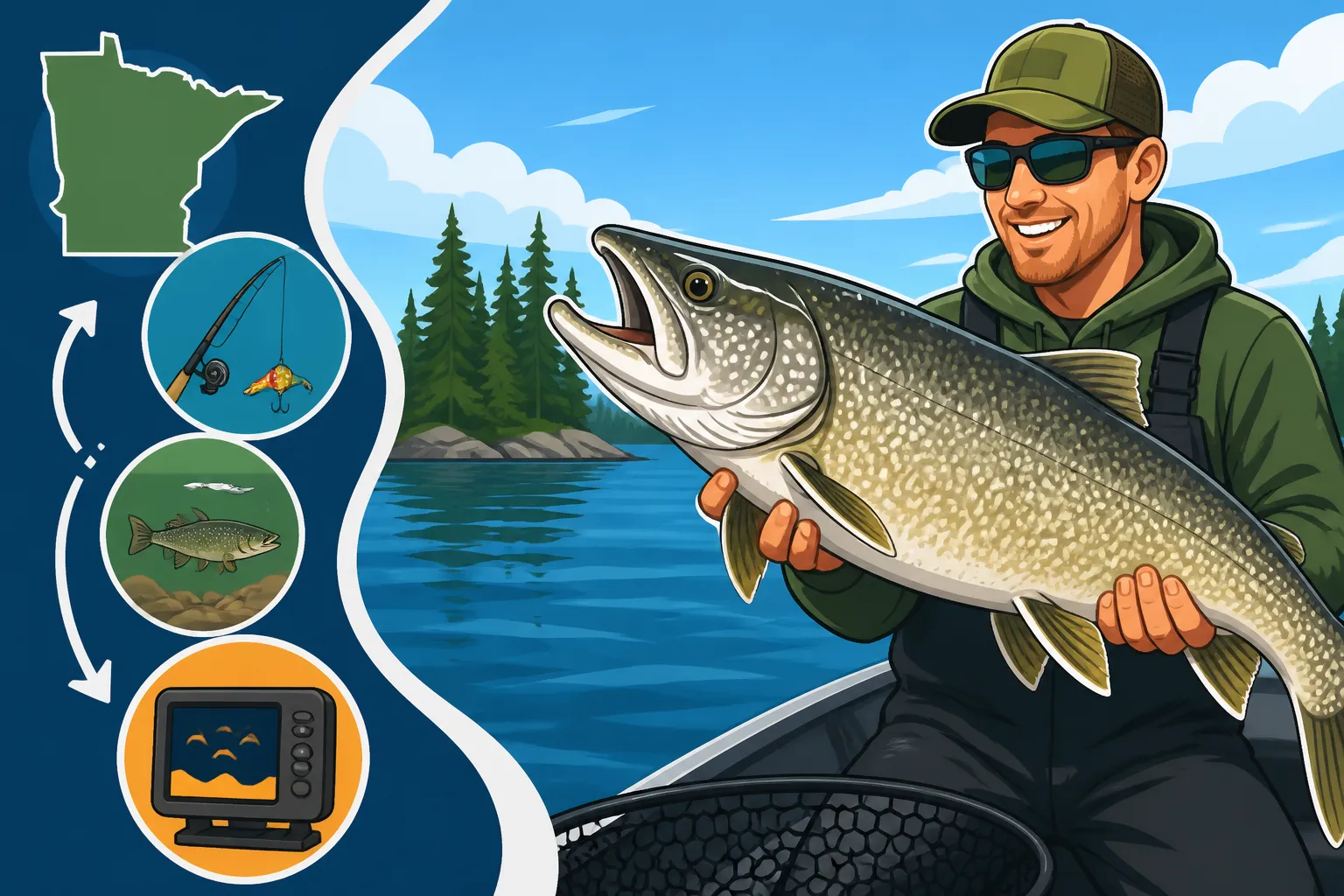
Lake trout in Minnesota are truly a special catch, a relic of the ice age thriving in our deepest, clearest, and coldest lakes. Unlike many of our other popular sport fish, lakers don't tolerate warm water well, which dictates their movements and makes them a challenging quarry. If you want to consistently hook into these magnificent fish, you've got to understand their world.
The Deep, Cold World of Lake Trout
Imagine a fish that prefers water temperatures in the low 40s to low 50s Fahrenheit, even in the scorching heat of summer. That's your lake trout. Their survival hinges on access to cold, oxygen-rich water, which is why you'll primarily find them in the deep basins of specific lakes. They are piscivores, meaning they primarily eat other fish, such as cisco (tullibee), smelt, whitefish, and even smaller lake trout. This diet makes them strong, fast, and aggressive predators. They're built for speed and power, perfectly adapted to their deep-water hunting grounds. Their preference for these deep, rocky environments means conventional shallow-water tactics simply won't cut it. You're entering a different realm of fishing when you target lake trout.
Prime Lake Trout Lakes in Minnesota
Minnesota is home to several fantastic lake trout fisheries, predominantly in the northern reaches of the state where glacial lakes run deep and cold. These aren't your typical backyard ponds; they're expansive, often remote bodies of water that hold significant populations of these sought-after fish.
One of the most renowned areas is the Boundary Waters Canoe Area Wilderness (BWCA) and Voyageurs National Park. Lakes like Basswood Lake, Knife Lake, and Saganaga Lake are legendary for their lake trout populations. These waters often require a bit more effort to access, sometimes involving portages or specific permits, but the reward of a pristine wilderness setting and aggressive lakers is often well worth it. You can learn more about fishing specific regions in our guide to the Best Lakes for Lake Trout in the BWCA.
Beyond the BWCA, large, deep lakes such as Lake Superior, Lake Vermilion, Ten Mile Lake, and Trout Lake also offer excellent opportunities. Lake Superior, in particular, is a massive freshwater sea that holds a diverse fishery, including robust lake trout populations. Each of these lakes has its own unique character, but they all share the common trait of possessing the deep, cold, oxygenated water that lake trout require to thrive. Checking the specific regulations for each lake is crucial, as Lake Trout Season & Limit in Minnesota can vary.
Essential Gear and Tackle for Lake Trout Anglers
Targeting lake trout means gearing up for battle with a powerful fish in deep water. This isn't a finesse game with ultralight rods; you need robust tackle that can handle heavy lures, significant depth, and the strong runs of a fighting laker. Investing in the right equipment will make a world of difference in your success and enjoyment.
Rods, Reels, and Line Built for Depth and Power
For trolling or jigging in deep water, a medium-heavy to heavy action rod, usually 7 to 8.5 feet long, is ideal. The longer rod helps with lure presentation, especially when trolling, and provides excellent leverage for fighting big fish. Paired with a sturdy baitcasting reel or a large spinning reel (sizes 4000-6000), you'll have the cranking power and line capacity needed. Look for reels with smooth, reliable drag systems, as lake trout are notorious for powerful, line-stripping runs. Brands like Daiwa, Shimano, and Penn offer excellent options that can often be found on Amazon.
When it comes to line, braided line is almost a necessity for deep-water lake trout fishing. Its zero-stretch quality provides unparalleled sensitivity, allowing you to feel subtle bites and detect exactly when your lure hits bottom. It also cuts through the water better than monofilament, reducing bow in your line and helping your lures get down faster. A 20-30 lb test braided mainline is a good starting point. You'll typically want to add a fluorocarbon leader of 15-20 lb test, about 6-8 feet long. Fluorocarbon is nearly invisible underwater, which can be crucial in the clear waters lake trout inhabit, and it offers excellent abrasion resistance against rocks and the trout's sharp teeth. For more general advice on specific setups, our guide to the Best Gear for Lake Trout Fishing in Minnesota is a great resource.
Lures and Baits to Entice Deep-Water Predators
Lake trout are opportunistic predators, and a variety of lures can be effective. The key is presenting them at the correct depth where the fish are holding.
- Spoons: Heavy spoons like the Daredevil, Little Cleo, or the Williams Wabler are classics. Their wobbling action mimics injured baitfish, and their weight helps them sink quickly. Silver, blue/silver, and chartreuse patterns are often productive.
- Crankbaits and Stickbaits: Deep-diving crankbaits and long, slender stickbaits can be deadly, especially when trolled. Look for models designed to reach depths of 20 feet or more, such as those from Rapala, Storm, or Bagley. Colors mimicking cisco or smelt are excellent choices.
- Jigs: For vertical jigging, heavy jigs (1/2 oz to 1.5 oz+) tipped with a plastic grub, tube jig, or even a minnow can be incredibly effective. Consider colors like white, chartreuse, or natural baitfish patterns. Jigging Raps or similar vertical jigging lures also shine in this scenario. You can apply some of the principles found in our Jigging for Walleye: Jig & Minnow Basics article to lake trout, just with heavier tackle.
- Live Bait: While artificials are popular, live bait can be a game-changer. Smelt, cisco, or large shiners fished on a quick-strike rig or under a heavy bobber can be irresistible. Be sure to check regulations for live bait restrictions in specific waters.
Selecting your gear wisely is half the battle. Think durability, strength, and depth capability, and you'll be well on your way.
| Lure Type | Best Use | Common Colors | Key Characteristics |
|---|---|---|---|
| Heavy Spoons | Trolling, Casting, Vertical Jigging | Silver, Blue/Silver, Gold | Wobbling action, good flash, heavy for depth |
| Deep-Diving Cranks | Trolling (especially in summer) | Perch, Cisco, Smelt | Reaches specific depths, erratic swimming motion |
| Tube Jigs | Vertical Jigging, Drifting | White, Chartreuse, Smoke | Mimics dying bait, good for aggressive jigging |
| Jigging Raps | Vertical Jigging (especially ice fishing) | Perch, Walleye, Firetiger | Erratic darting action, good for active fish |
| Live Bait (Smelt/Shiners) | Still fishing, Drifting, Trolling (if legal) | Natural | Irresistible scent and movement, often fished with weights |
Top Techniques for Catching Lake Trout in Minnesota
Now that you're armed with the right gear, let's talk about putting it to good use. Lake trout demand specific tactics, largely dictated by their deep-water habits. Whether you're in a boat or braving the ice, precision and patience are your best friends.
Trolling for Trophies
Trolling is arguably the most common and effective method for covering water and finding active lake trout, especially during the open water season. It allows you to present lures at specific depths over expansive underwater structures.
- Locate the Depth: Start by using your fish finder to identify the thermocline (the layer where warm surface water meets cold deep water) or to mark schools of baitfish and potential lake trout. Lakers will often be found just above, within, or just below the thermocline, typically in 30-100 feet of water, sometimes even deeper.
- Choose Your Presentation:
- Downriggers: These are excellent for precisely controlling lure depth, ensuring your bait stays right in the strike zone, even as boat speed or turns change. You can run multiple lines at different depths.
- Dipsy Divers or Lead Core Line: If you don't have downriggers, these are your next best bet. Dipsy Divers use water pressure to dive lures to depth, while lead core line is weighted line that sinks deeper the more you let out. Adjust your speed and line out to achieve the desired depth. Our guide on Trolling for Walleye: Crankbaits & Leadcore can provide some foundational understanding, though lake trout often require heavier gear and deeper presentations.
- Lure Selection & Speed: Large spoons (like a Mag Daredevil or Michigan Stinger) or deep-diving crankbaits are prime trolling baits. Vary your trolling speed from 1.5 to 3.0 mph until you find what triggers bites. Lake trout can be finicky, so experimenting with speed and lure action is key. Often, faster speeds can entice a reaction strike.
- Cover Structure: Target underwater humps, points, drop-offs, and deep basins. Lake trout will often cruise these areas, ambushing baitfish. Don't be afraid to make wide turns or S-curves; these changes in speed and lure depth can often trigger a strike.
Vertical Jigging Deep Water
When lake trout are concentrated in a specific area, or if you prefer a more active approach, vertical jigging can be incredibly productive. This technique is especially potent during ice fishing season but works well from a boat too.
- Pinpoint the Fish: This is where a good fish finder or sonar unit becomes indispensable. You need to identify individual fish or bait schools directly below your boat or ice hole. Brands like Humminbird, Lowrance, and Garmin offer excellent units. Consider checking out our deep dive into the Best Fish Finders & Electronics for Minnesota Fishing to help you make an informed choice.
- Heavy Jigs are Key: Use heavy jigs (1/2 oz up to 2 oz or more, depending on depth and current) tipped with a soft plastic grub, tube jig, or a live minnow. Jigging spoons and Jigging Raps are also phenomenal choices.
- Presentation Matters: Drop your lure to the bottom, then reel up a few feet. Employ a vigorous jigging motion, lifting the rod tip sharply 1-3 feet, then letting the lure fall on a semi-slack line. Most strikes will occur on the fall. Watch your sonar closely; if fish appear, adjust your jigging cadence or depth. Sometimes a subtle quiver is all it takes; other times, an aggressive rip is required. Don't forget to pause. A dead stick presentation nearby can sometimes tempt hesitant fish.
Mastering Ice Fishing for Lake Trout
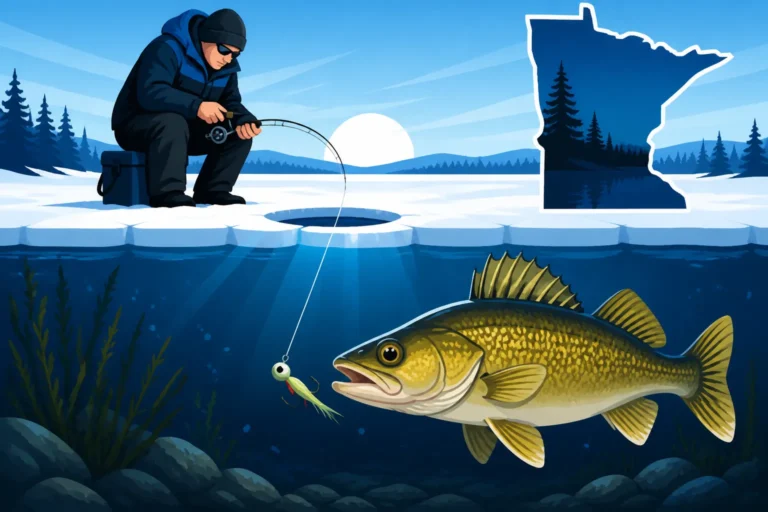
Ice fishing for lake trout is a winter tradition in many parts of Minnesota, offering a unique opportunity to access their deep-water haunts. You'll need specialized gear and a willingness to brave the cold. Our complete guide to Ice Fishing in Minnesota: Complete Beginner-to-Pro Guide will help you get started, but here's the lake trout specific rundown.
- Drill Many Holes: Lake trout move. Drilling a grid of holes over a known piece of deep structure (like a main lake basin, a deep point, or an underwater hump) increases your chances of intercepting them. A powerful ice auger is crucial here, whether it's a gas-powered Strikemaster or an electric Eskimo.
- Sonar is Non-Negotiable: A quality ice flasher or graph (Vexilar, MarCum, Humminbird Ice Helix) is essential for seeing your lure and any approaching fish in real-time. This allows you to react instantly to fish behavior.
- Lure Choice & Action: Heavy spoons, large tube jigs, Jigging Raps, and even swimbait-style lures are popular. Experiment with color and size. The retrieve is often similar to open-water vertical jigging: aggressive rips followed by pauses. Keep an eye on your flasher; if a fish comes in to investigate, try to entice it with subtle movements.
- Setlines/Tip-Ups: Many anglers use a combination of jigging rods and tip-ups (setlines) when ice fishing for lake trout. A tip-up rig typically consists of a large shiner or smelt fished under a heavy sinker near the bottom, or at a suspended depth if you're marking fish there. When the flag goes up, it's often a solid hook-up! Always check local regulations on the number of lines you can use.
Seasonal Strategies for Lake Trout Success
Lake trout behavior changes significantly with the seasons, primarily driven by water temperature and the availability of their preferred forage. Adapting your approach throughout the year is key to consistent success.
Spring and Early Summer
As the ice melts and the lakes begin to warm, lake trout are often found in shallower waters than during the peak summer months. This is a fantastic time to target them, as they are actively feeding after a long winter.
- Post-Spawn Recovery: Lake trout typically spawn in the fall, so by spring, they are recuperating and feeding aggressively. They'll often cruise along rocky points, reefs, and breaklines in 15-40 feet of water.
- Active Feeding: Look for concentrations of baitfish in these shallower zones. Trolling medium-sized spoons or deep-diving crankbaits close to structure can be highly effective. Casting heavy spoons or lipless crankbaits towards shorelines with quick access to deep water can also produce strikes, especially on overcast days or in the early morning and late evening.
- Prime Locations: Consider areas with rocky bottoms or submerged timber, as these offer ambush points for hungry lakers. The clearer waters of spring mean they'll be sensitive to boat noise and shadows, so try to keep your distance and make long casts.
Mid-Summer Deep Dive
Once summer truly sets in and surface water temperatures climb, lake trout retreat to their cold-water sanctuaries. This is when they become primarily deep-water dwellers, often found in 60-120 feet of water, or even deeper in very large lakes.
- Thermocline Key: Your fish finder is your best friend. Locate the thermocline and any baitfish schools associated with it. Lake trout will typically be found at or below this layer, where the water remains cool and oxygenated.
- Precision Trolling: Downriggers become indispensable for consistently placing your lures at exact depths. Target deep main lake basins, steep underwater drop-offs, and submerged islands. Using larger spoons or deep-diving plugs in natural baitfish patterns is often the most productive strategy.
- Vertical Jigging: If you mark a school of lake trout on your sonar, anchoring directly over them (if feasible) or using a spot-lock trolling motor to hold position allows for effective vertical jigging. Heavy tube jigs, Jigging Raps, or spoons can trigger strikes from suspended or bottom-hugging fish. Sometimes, simply dropping a heavy live bait rig down to them is all it takes.
Fall Feeding Frenzy
Autumn is another excellent time to pursue lake trout, as they become more active and begin to move into shallower waters in preparation for their fall spawn.
- Pre-Spawn Aggression: As water temperatures cool, lake trout will move up onto reefs, rocky shoals, and points, often in 20-50 feet of water. This is when they become incredibly aggressive, trying to pack on calories before the rigors of spawning.
- Casting & Trolling: Both casting and trolling can be highly effective. Cast large spoons, stickbaits, or swimbaits over rocky structure. For trolling, use larger, more aggressive lures that mimic the abundant fall baitfish. The window for shallower fish might be shorter or longer depending on the specific lake and yearly weather patterns.
- Spawn Sites: Towards late fall, lake trout will congregate on specific rocky reefs or shorelines with clean rock rubble to spawn. While it's tempting, try to avoid fishing these specific spawning areas directly, as disturbing them during this critical time can impact future populations. Focus on the pre-spawn staging areas adjacent to these spots.
Winter Ice Adventures
Winter is arguably the most popular time to target lake trout for many anglers in Minnesota. The ice provides easy access to vast areas that are difficult to fish from a boat in the summer. Remember to check out How to Catch Lake Trout Through the Ice in Minnesota for a comprehensive guide.
- Deep Basins & Structure: Lake trout will still hold in deep basins, but they often relate strongly to deep structure like underwater humps, points, and even steep breaklines that drop into abyssal depths. Many anglers will set up portable ice shelters or even permanent ice houses over these spots.
- Active Jigging: This is where a good flasher truly shines. Aggressively jigging heavy spoons, tube jigs, and Jigging Raps is the bread and butter of winter lake trout fishing. Be prepared to move; if you're not seeing fish on your flasher, drill new holes.
- Setlines: Running a second line (where legal) with a large live minnow or smelt under a tip-up or dead stick can be incredibly effective. Sometimes, a trout that won't commit to an aggressively jigged lure will leisurely pick up a still bait. A sturdy reel and line, like what you might find on Amazon, will be crucial when a flag flies and a laker is on.
- Safety First: Always prioritize ice safety. Check ice thickness regularly, especially early and late in the season.
No matter the season, patience and persistence are key when chasing lake trout. These magnificent fish are a true prize, and the challenge of catching them makes the reward all the sweeter.
Disclaimer
Fishing regulations, seasons, and limits can change frequently. Always consult the most current Minnesota Department of Natural Resources (DNR) fishing regulations booklet or website before heading out on the water. This guide is for informational purposes only and should not replace official sources.