How to Catch Bluegill: Easy Beginner Tactics
We have all been there: you spend three hours packing the cooler, hauling the boat to the landing, and dousing the kids in sunscreen, only to sit on a quiet lake for five hours without a single bite. It is frustrating, exhausting, and can make anyone want to hang up their rod for good. This guide solves that problem by breaking down the most reliable, high-action fishing available in our state—targeting the mighty bluegill. Whether you are a total novice or a parent trying to keep a toddler entertained, these easy beginner tactics will ensure you never have a boring day on the water again.
Finding Bluegill in Minnesotas 10,000 Lakes
The first hurdle every angler faces is simply knowing where to park the boat or stand on the shore. In Minnesota, we are blessed with an abundance of water, but that doesn't mean every square inch holds fish. Bluegills are notorious for being "homebodies," meaning they tend to stick to specific types of structure where they feel safe from predators like northern pike and largemouth bass. If you are just starting out, your best bet is to look for the greenest, thickest vegetation you can find. Bluegills love "cabbage" (large-leaf pondweed) and coontail because these plants provide excellent cover and are teeming with the aquatic insects that make up the bulk of their diet.
During the early summer months, you can often find massive schools of bluegill in the shallows, specifically in three to six feet of water. Look for sandy flats that are interspersed with patches of weeds. If you see small, saucer-shaped depressions in the sand, you have likely stumbled upon a spawning colony. While we always encourage selective harvest to keep our fisheries healthy, these areas are gold mines for beginners because the fish are aggressive and easy to spot. If you find yourself on a lake like Lake Minnetonka or Gull Lake, focus on the quiet backwater bays where the water warms up faster in the spring.
As the heat of July and August settles in, the larger "bull" bluegills will often move slightly deeper to find cooler, more oxygenated water. This is where many beginners lose the trail. Instead of sticking right against the shore, try moving your boat out to the "weed edge"—the point where the vegetation stops and the water drops off into the deeper basin. In many clear Minnesota lakes, this happens around 10 to 15 feet. By hovering just outside the weeds and casting back into them, you can find the larger fish that are hiding away from the smaller "dink" sunfish that dominate the docks.
The Best Gear for Bluegill Beginners
One of the biggest mistakes I see people make is using gear that is far too heavy for panfish. If you are using a rod meant for walleye or bass, you won't be able to feel the delicate "tap-tap" of a bluegill, and you’ll likely pull the hook right out of their small mouths. For the best experience, you want an ultra-light or light-power spinning rod. These rods are flexible and sensitive, making even a half-pound bluegill feel like a monster at the end of your line. You can find many affordable rod and reel combos on Amazon that are specifically designed for panfish and will be delivered right to your door before your next trip.
When it comes to your fishing line, thinner is almost always better. Bluegills have excellent eyesight, and in the clear waters of northern Minnesota, they can be "line shy." I highly recommend using 4-pound or even 2-pound test monofilament. Monofilament is great for beginners because it has a bit of stretch, which acts as a shock absorber when a fish lunges. If you use a heavy 10-pound line, not only will the fish see it, but you'll struggle to cast light lures any significant distance. It is a small change that makes a massive difference in your catch rate.
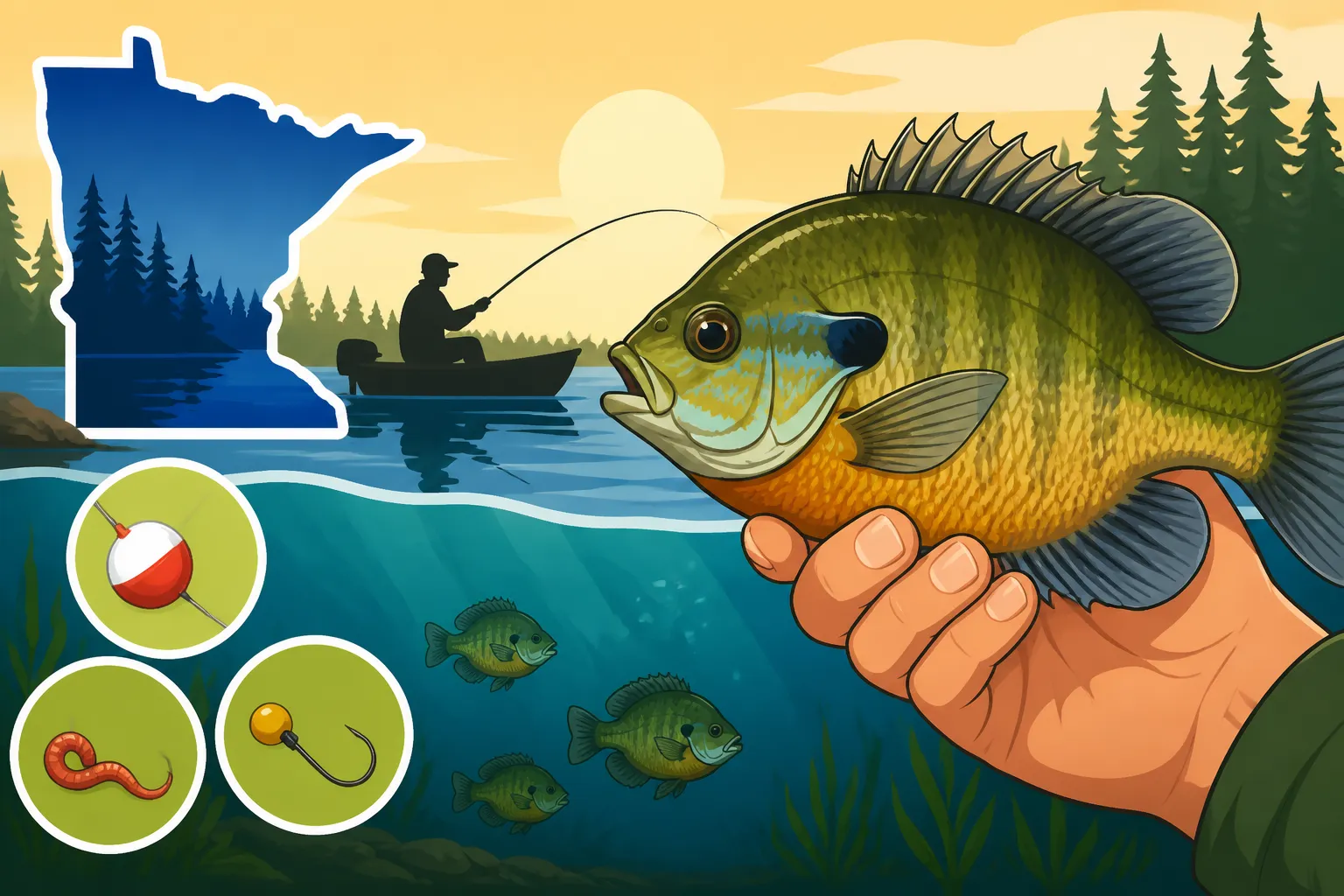
Finally, your terminal tackle—the hooks, weights, and bobbers—should be kept as small as possible. Use a size 8 or size 10 hook; anything larger will be too big for a bluegill to fit in its mouth. For bobbers, skip the giant red-and-white plastic spheres that look like Christmas ornaments. Instead, opt for thin "pencil" style bobbers or small foam slips. These offer less resistance, so when a bluegill nibbles, it doesn't feel the tug of the float and is more likely to commit to the bite. Adding a small tackle organizer from Amazon to your kit is a great way to keep these tiny components from getting lost in the bottom of your bag.
| Gear Item | Recommended Specification | Why It Matters |
|---|---|---|
| Rod Power | Ultra-Light or Light | Increases sensitivity to feel small bites. |
| Fishing Line | 2lb – 4lb Monofilament | Less visible to fish and easier to cast light jigs. |
| Hook Size | #8 or #10 Aberdeen | Small enough for a bluegill's mouth. |
| Bobber Style | Pencil or Small Foam | Provides less resistance when the fish pulls down. |
| Primary Bait | Live Waxworms or Red Worms | Unbeatable scent and natural movement. |
Effective Baits and Lures for Panfish
If you want to catch fish fast, nothing beats live bait. While professional anglers might swear by their fancy plastics, a beginner's best friend is the humble worm. However, don't just throw a whole nightcrawler on a hook. A bluegill will simply peck at the dangling ends and steal your bait without ever touching the hook. Instead, use "red worms" or small pieces of a nightcrawler (about an inch long). For even better results, try waxworms. These small, white larvae are high in fat and protein, and bluegills find them absolutely irresistible. They are easy to handle and stay on the hook remarkably well.
If you prefer not to mess with live bugs, micro-plastics have come a long way in recent years. Look for tiny "curly tail" grubs or tubes in bright colors like chartreuse, pink, or white. The key with plastics is movement. Unlike live bait, which does the work for you, you need to give these lures a little twitch or jigging motion to convince the fish they are alive. Best Lures & Baits for Minnesota by Species often highlights how a simple 1/32 oz jig head tipped with a plastic tail can be a year-round producer for sunfish across the state.
During the calm evenings of June and July, you might notice small ripples on the surface of the water. These are bluegills "popping" at bugs that have landed on the surface. This is the perfect time to try topwater tactics. You don't need a fly rod to enjoy this; you can use a small "popper" lure behind a bobber. Cast it out, let the ripples dissipate, and then give it a tiny twitch. Seeing a bluegill rise from the depths to smash a lure on the surface is one of the most exciting sights in fishing, and it is a great way to introduce kids to the sport. Knowing Bluegill vs Sunfish vs Crappie: Panfish ID helps you understand that while they all look similar, their feeding habits at the surface can vary slightly.
Seasonal Patterns for Minnesota Bluegills
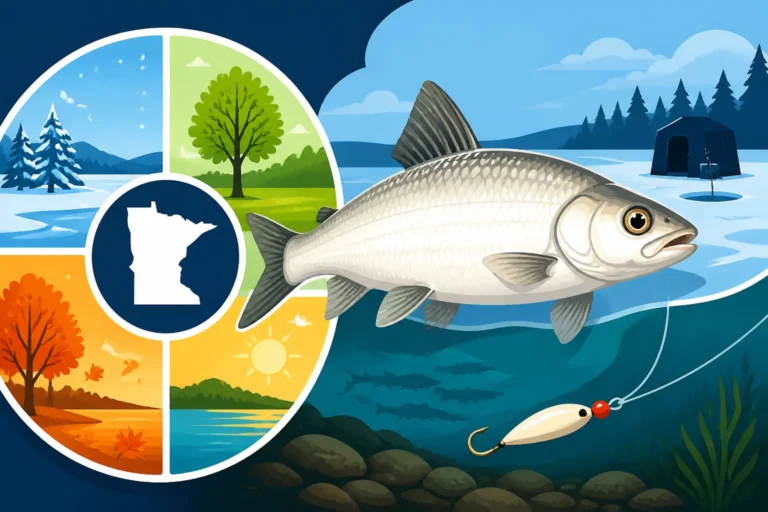
Understanding the calendar is just as important as understanding the lake map. In the spring, usually late May through June in Minnesota, bluegills move into the shallowest parts of the lake to spawn. This is arguably the easiest time of year to catch them. The fish are protective of their nests and will strike at almost anything that comes near them. During this time, you can often stand on a public pier or a beach and catch fish after fish. However, because these are the spawning adults, many conservation-minded anglers choose to release the largest "bulls" to ensure the population remains strong for the future.
Once the "dog days" of summer arrive in August, the action moves toward the weed lines. This is when the fish become a bit more lethargic due to the heat. To find success during this period, you should focus your efforts on the early morning or late evening when the water temperature drops a few degrees. During the middle of the day, you'll need to fish deeper, often near the bottom in 12 to 18 feet of water. If you are struggling to find them, checking out the Best Bluegill Fishing Tactics in Minnesota can give you more specific deep-water strategies tailored to our deeper glacial lakes.
Fall is a transitional period that many people overlook. As the weeds begin to die off and turn brown, the bluegills move away from the shoreline and congregate in large schools near "points" or drop-offs. The fish are feeding heavily to prepare for the long winter ahead, so if you find a school, the action can be fast and furious. Then, as the ice begins to form, the cycle starts over in the hard-water season. Many anglers transition to using a How to Catch Bluegill Through the Ice in Minnesota approach, which involves using even smaller jigs and sensitive spring bobbers to detect bites through the frozen surface.
Techniques for a Successful Harvest
The most iconic way to catch a bluegill is the bobber and worm method, but there is a right and a wrong way to do it. Many beginners leave too much slack in their line. When the bobber goes under, they have to reel in five feet of loose line before they actually put pressure on the fish. By then, the bluegill has often felt the hook and spit it out. Always keep your line relatively taut. When that bobber disappears, you don't need a massive "pro-style" hookset; a simple, firm lift of the rod tip is all it takes to secure the fish.
If you are fishing in deeper water or from a boat, you might want to try the "slip bobber" technique. Unlike a traditional fixed bobber, a slip bobber allows your line to slide through the float until it hits a "stop" that you've placed on the line. This allows you to fish 15 feet deep while still having the bobber near your hook for easy casting. It is a slightly more advanced move, but mastering it will open up a whole new world of fishing. For a detailed breakdown, you can follow a How to Set Up a Slip Bobber Rig Step by Step guide to get your knots and beads in the right order.
Finally, let's talk about the harvest. One of the best things about Minnesota fishing is the tradition of the fish fry. Bluegills are widely considered one of the best-tasting fish in the world, with sweet, flaky white meat. However, it is important to know the Minnesota Crappie & Sunfish Limits for the specific lake you are on. Some lakes have special regulations that limit you to five or ten fish to protect the size quality of the lake. Bringing a small digital scale or measuring tape from Amazon can help you stay legal and ensure you only keep the fish that are the perfect "eating size"—usually between 7 and 9 inches.
Essential Tools for the Shore Angler
Not everyone has a $50,000 bass boat, and the beauty of bluegill fishing is that you don't need one. Minnesota is packed with public fishing piers and parks that offer world-class panfishing. If you are fishing from shore, your biggest challenge is mobility. You want to be able to move around until you find where the fish are holding. A simple backpack or a small tackle "sling" bag is much better than a heavy, clunky plastic tackle box. You can find great lightweight options on Amazon that allow you to carry your water, snacks, and gear comfortably while you walk the shoreline.
When shore fishing, pay close attention to the wind. While it might be annoying to have the wind blowing in your face, it often pushes microscopic plankton toward the shore, which attracts minnows, which in turn attracts the bluegills. The "windward" side of a lake—the side the wind is blowing toward—is often significantly more productive than the calm, sheltered side. Look for areas where a culvert or a small creek enters the lake, as the moving water brings in fresh food and oxygen.
Safety is also a factor when fishing from rocky banks or steep slopes. A good pair of polarized sunglasses is a must-have tool for any beginner. Not only do they protect your eyes from stray hooks, but they also cut the glare on the water's surface, allowing you to see submerged logs, weed patches, and sometimes even the fish themselves. Seeing the fish before you cast is a game-changer and makes the experience much more interactive. If you're looking for more seasonal advice, our Spring Crappie Fishing in Minnesota guide offers tips that often apply to early-season bluegill as well, especially regarding where to find fish when the ice first disappears.
Caring for Your Catch and the Environment
Part of being a veteran angler is respecting the resources we have in the North Star State. If you plan on keeping fish for a meal, make sure you have a way to keep them cold immediately. A stringer hanging in 75-degree lake water will result in mushy, poor-tasting fillets. A small cooler with ice is the gold standard. Not only does this preserve the flavor, but it is also a more humane way to handle the fish. Many beginners find the Best Gear for Bluegill Fishing in Minnesota includes a high-quality fillet knife and a cleaning station to make the post-trip chores a breeze.
Beyond just the fish, we have to be mindful of Aquatic Invasive Species (AIS). This is a major concern in Minnesota, with zebra mussels and Eurasian watermilfoil threatening our favorite lakes. Always remember to clean, drain, and dry your gear. If you are using live bait, never dump your leftover minnows or worms into the lake or on the ground at the end of the day. Dispose of them in the trash to prevent the spread of non-native species that can ruin the delicate balance of our underwater ecosystems.
Lastly, don't forget the paperwork. Even if you are just sitting on a dock for twenty minutes, you need a valid license if you are over the age of 16. It is a small price to pay to support the DNR's stocking and habitat restoration efforts. You can find out How to Catch Bluegill: Easy Beginner Tactics is much more enjoyable when you aren't looking over your shoulder for a conservation officer. Fishing is about relaxation and connection with nature, and following the rules ensures that our children and grandchildren will have the same opportunities to feel that first "tug" on the line.
Minnesota Fishing Regulations Disclaimer
Fishing regulations in Minnesota are subject to change annually and can vary significantly from one body of water to another. Always consult the most recent Minnesota Department of Natural Resources (DNR) Fishing Regulations handbook before heading out. Local "Special Regulations" may exist for specific lakes regarding bag limits, size restrictions, and bait usage. It is the responsibility of the angler to ensure they are in compliance with all state and local laws. This guide is for informational purposes and does not supersede official government mandates.