How to Catch Yellow Perch in Minnesota (Step by Step)
Trying to dial in those elusive yellow perch in Minnesota can feel like a game of hide-and-seek, especially when they seem to disappear just as you’ve found them. It's frustrating to put in the time and effort only to come up short on one of the state's most popular and delicious panfish. This comprehensive guide is here to unravel the mysteries of yellow perch fishing, offering you a step-by-step roadmap to consistently locate and catch them, no matter the season.
Understanding Yellow Perch Behavior in Minnesota
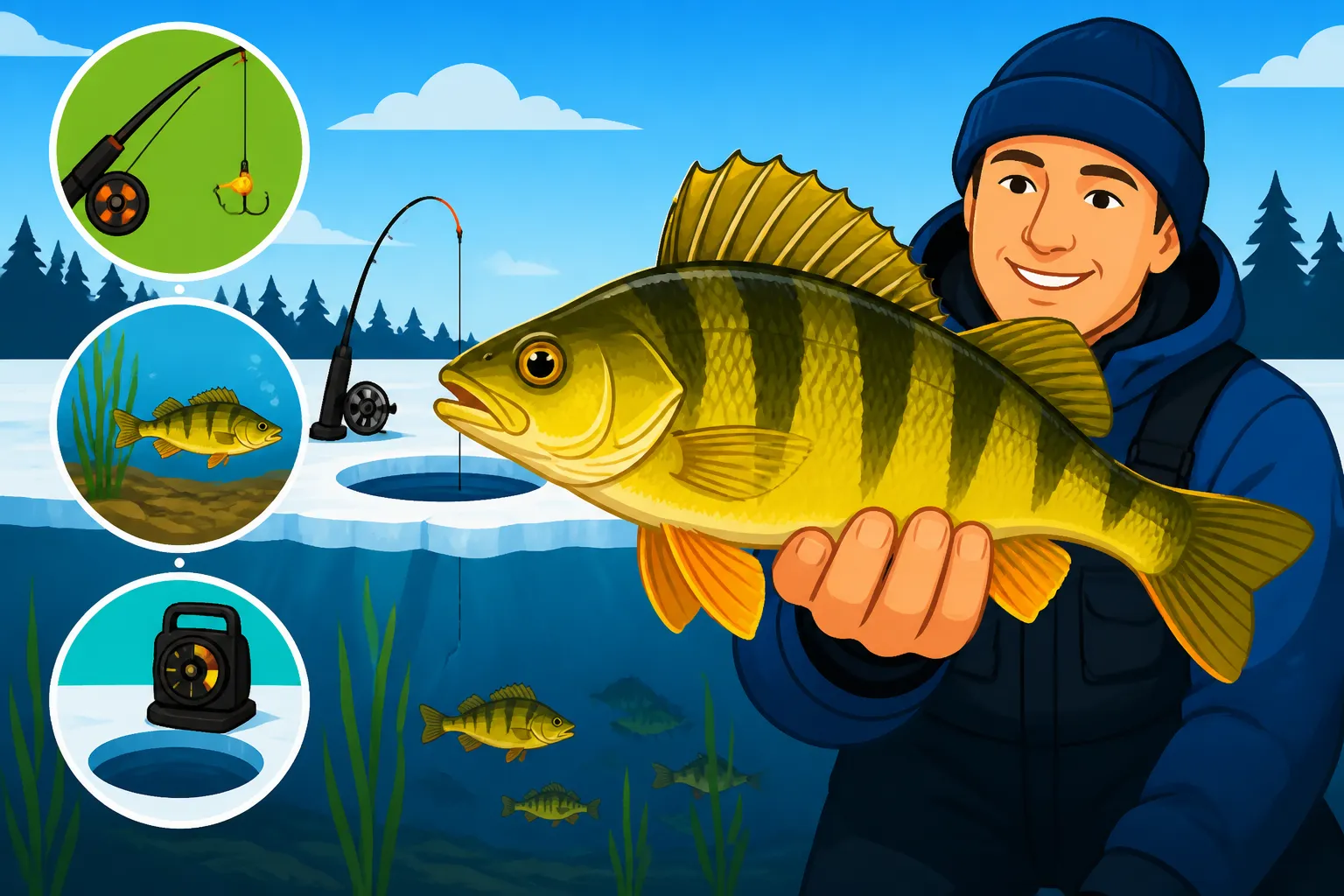
Yellow perch, with their distinctive vertical stripes and vibrant fins, are a staple in many Minnesota lakes, offering fantastic fishing opportunities year-round. But to catch them consistently, you first need to understand their world – where they live, what they eat, and how they move throughout the seasons. They're schooling fish, which means if you find one, you're likely to find a bunch!
Where Perch Live and Thrive
Yellow perch are incredibly adaptable, making them common across a wide variety of Minnesota waters. They tend to prefer lakes with moderate depths, clear to slightly stained water, and an abundance of aquatic vegetation, which provides both cover and food. You'll often find them relating to weed lines, deep weed edges, rocky breaks, points, and transition areas between hard and soft bottoms.
Think about classic perch fisheries like Lake Winnibigoshish or Upper Red Lake; these large, fertile basins with expansive mud flats and gradual contours are absolutely teeming with jumbo perch because they offer everything a perch needs. These fish will frequently utilize vast open-water areas, especially those with deeper mud flats, where they can forage on insect larvae, small crustaceans, and even tiny baitfish like shiners or young-of-the-year perch. During warmer months, they might be scattered along weed edges in 8-15 feet of water, darting in and out of the greenery, while during colder periods, they often gravitate towards deeper basin areas or extensive flats.
Seasonal Movements and Feeding Habits
Perch are constantly on the move, driven by water temperature, forage availability, and spawning cycles. Understanding these seasonal shifts is critical to predicting their location.
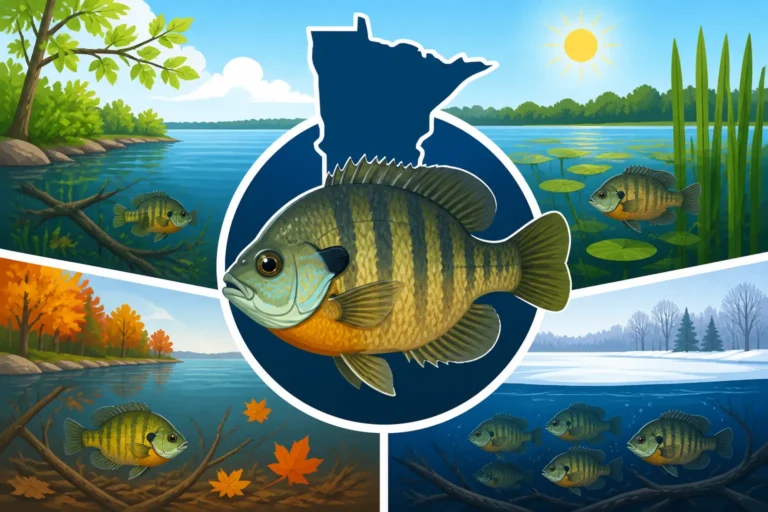
In spring, after the ice melts and water temperatures rise into the 40s and low 50s, perch begin their spawning ritual. They typically spawn in shallow, vegetated areas, depositing their long, ribbon-like egg strands on submerged branches, weeds, or brush. After spawning, they'll often remain in these shallower areas for a while, recovering and feeding aggressively on emerging insect larvae and small minnows before moving to summer haunts. This can be a fantastic time to target them in bays and shallow flats.
As summer progresses and water temperatures climb, perch will generally move deeper, seeking cooler, oxygenated water. You'll find them congregating along deeper weed lines, sharp drop-offs, humps, and even suspended over deep open water if there's a thermocline and baitfish are present. They become more active feeders during low-light conditions like dawn, dusk, or on overcast days, but can be caught throughout the day if you find an active school. They're opportunists, munching on anything from zooplankton to small fish.
In fall, as water temperatures start to drop, perch go on a feeding frenzy to bulk up for winter. They'll often school up in large numbers and become incredibly active, frequently moving into shallower water during the day to feed before retreating to deeper haunts at night. This is a prime time for aggressive fishing, as they're often easy to locate on electronics and eager to bite.
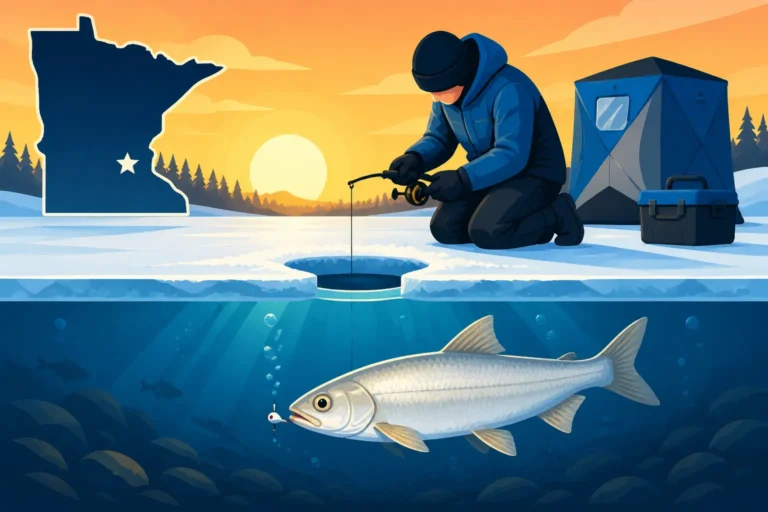
Finally, during winter, under the ice, perch often revert to relating to deep-water structure, mud flats, or extensive basins, especially those with good bottom content for burrowing insects. They'll travel in large schools, sometimes suspended, sometimes hugging the bottom. Ice anglers targeting perch often seek out these vast underwater playgrounds, drilling many holes to locate active schools. Knowing where the deepest weeds or subtle contours are can make all the difference.
Essential Gear for Minnesota Perch Fishing
You don't need a boatload of specialized gear to catch yellow perch, but having the right tools can certainly increase your success and enjoyment. Their bite can be incredibly subtle, so sensitivity is key.
Rods, Reels, and Line Choices
When it comes to perch, think light and sensitive. A light to ultra-light action spinning rod is your best friend. These rods have a soft tip that detects even the slightest nibble, while still providing enough backbone to handle a feisty jumbo perch. For open water, a 6 to 7-foot rod is ideal, allowing for longer casts from shore or boat. For ice fishing, specialized ice rods, usually 24 to 32 inches long, offer maximum sensitivity for close-quarters jigging in a fish house or out on the open ice.
Pair your rod with a small spinning reel, typically a 500 to 1000 size. These reels are lightweight, balance well with light rods, and have a smooth drag, which is crucial for fighting larger fish on thin line. You can find excellent budget-friendly options from brands like Shimano or Pflueger that offer fantastic performance.
For line, 2-4 pound test monofilament or fluorocarbon is generally preferred. Monofilament offers a bit more stretch, which can be forgiving with light bites, while fluorocarbon is nearly invisible underwater and has less stretch for increased sensitivity. Some anglers opt for a thin braid (4-6 lb test) with a 2-4 foot fluorocarbon leader, particularly for deeper water or when fishing around heavy cover, as braid offers superior sensitivity and strength for its diameter. You can find a wide variety of high-quality fishing lines on Amazon to suit your preference.
Lures, Baits, and Tackle
This is where the fun begins! Perch are not overly picky, but certain presentations definitely shine.
Jigs: Small jigs are paramount. In sizes ranging from 1/32 to 1/16 ounce, these are perfect for perch. Tungsten jigs are particularly popular, especially for ice fishing, because their density allows them to sink faster and feel heavier than lead jigs of the same size, which helps with presentation in deeper water or current. Colors like chartreuse, orange, glow-in-the-dark, and natural patterns (browns, greens) are highly effective. For a simple setup, a small jig tipped with live bait is often all you need.
Live Bait: This is often the undisputed champion for perch.
- Minnows: Small fathead minnows or crappie minnows are fantastic, either whole or just a small piece of the head.
- Worms/Larvae: Wax worms, eurolarvae, and even small pieces of nightcrawler are irresistible to perch. Keep them lively on the hook!
- Leeches: While more commonly associated with walleye, small leeches can be effective for summer perch.
Spoons & Plastics: Tiny jigging spoons (like a Northland Forage Minnow or a Clam Leech Flutter Spoon) can be deadly, especially when tipped with a minnow head or wax worm. Small soft plastic baits, mimicking insect larvae or tiny minnows, are also gaining popularity. Look for brands that specialize in panfish tackle; you can often find great assortments on Amazon. Having a dedicated, organized tackle box or bag for your panfish gear is a good idea to keep all those tiny jigs and baits from getting lost.
Key Electronics and Accessories
While not strictly necessary, some tools can significantly enhance your perch fishing experience.
Fish Finders: For open water, a basic depth finder can help you locate depth changes, structure, and even schools of fish. For ice fishing, a flasher (like those from Vexilar, Humminbird, or Garmin) is almost indispensable. A good flasher will show you your jig, the fish, and how they react, allowing you to fine-tune your presentation. While higher-end units with forward-facing sonar are impressive, a reliable flasher is all you really need for most perch ice fishing scenarios.
Augers: If you're ice fishing, a good auger is a must. Whether it's a trusty hand auger for early ice, a powerful gas auger, or a convenient electric auger, being able to drill multiple holes quickly to find active fish is a game-changer. You'll find many reputable brands like StrikeMaster or Ion offering various options, often available through retailers or online.
Other Accessories: Don't forget essentials like needle-nose pliers for hook removal, a small bait puck to keep your wax worms fresh, a comfortable portable chair for ice fishing, and a small cooler or bucket to keep your catch fresh if you plan to keep them. A good pair of ice cleats can also be a lifesaver on slick ice.
Step-by-Step Techniques for Catching Yellow Perch
Now that you're geared up, let's dive into the practical application of catching yellow perch, both in open water and through the ice.
Open Water Perch Strategies (Spring, Summer, Fall)
Open water fishing for perch is all about finding those schools and presenting your bait effectively.
1. Finding Schools with Electronics and Visual Cues: Start by covering water, either by boat or by casting from shore. If you have a fish finder, use it to look for schools of baitfish or arches near structure. Pay attention to changes in bottom contour, submerged weed beds, and points. Sometimes, you'll even spot diving birds, like terns or gulls, which often indicate baitfish activity near the surface – and where baitfish are, perch are usually not far behind. Focus on areas described in the "Where Perch Live and Thrive" section, adjusting for the season. For example, during summer, check those 15-25 foot deep weed lines or the edges of main lake humps.
2. Jigging with Live Bait: This is a classic and highly effective method. Tie on a small 1/16 or 1/32 ounce jig, preferably one with a sharp hook. Tip it with a whole fathead minnow, a minnow head, or a couple of wax worms. Drop your jig to the bottom, then lift it a foot or so. Slowly jig it up and down with small twitches of the wrist, pausing frequently. Perch often hit on the pause or as the bait falls. If you don't get a bite within a few minutes, reel up and try a different depth or move to another spot. The key is to impart subtle, lifelike action to your bait.
3. Slip Bobber Fishing: When perch are suspended at a specific depth or along a subtle break, slip bobbers are incredibly effective. A slip bobber allows you to fish at any depth, unlike fixed bobbers. Rig a small hook (size 8-12 Aberdeen or snell hook) with a split shot a foot or so above it, and attach your slip bobber above that. Thread on a lively minnow, a handful of wax worms, or a small leech. Set your bobber stop to the desired depth and cast it out. The bobber will "slip" down the line until it hits your stop, presenting your bait perfectly. This is particularly effective in shallower water during spring or fall, or along weed edges in summer.
4. Trolling or Drifting: While not as common for perch as it is for walleye, sometimes slow trolling or drifting with small crankbaits (like a classic Rapala F7 or a small Shad Rap) or a spinner rig tipped with a crawler can be effective, especially when trying to locate scattered schools in open water or along extensive flats. Keep your speed very slow, barely moving, and try different depths until you find active fish. This is more of a search pattern, but once you hit a school, you can stop and jig more precisely.
5. Shore Fishing Opportunities: Don't overlook shore fishing! Many public docks, piers, and lake access points offer excellent perch fishing, especially in the spring and fall when perch move shallower. Look for areas with submerged structure, weed beds, or rock piles. A simple bobber rig or a bottom rig with a small sinker and a hook tipped with live bait can be very productive. Remember to check local regulations for specific shore fishing access and rules.
Ice Fishing for Yellow Perch (Winter)
Ice fishing for yellow perch is incredibly popular in Minnesota, and for good reason—they’re abundant and delicious!
1. Finding Perch on the Ice: This is probably the most crucial step. Perch often roam large areas, especially on big lakes. Start by checking historical "community holes" – areas where you see a lot of old holes, indicating past success. However, don't be afraid to venture out on your own. Use your lake maps (apps like Navionics or LakeMaster are fantastic for this, showing contours and potential structure) to identify potential mud flats, deep weed edges (often in 10-25 feet of water), or subtle humps and breaks in the basin. Drill a grid of holes and use your flasher to scan for fish. Remember, where there’s one, there are likely many, so if you find an active school, stay put! For more specific tactics, check out our guide on Ice Fishing for Perch in Minnesota.
2. Aggressive Jigging Techniques: Unlike finicky walleye or crappie, perch often respond well to a more aggressive jigging cadence.
* Small Spoons: Tie on a small jigging spoon (1/16 to 1/8 ounce). Drop it to the bottom, then lift it 6-12 inches. Jig it with sharp snaps, then let it flutter back down, pausing for a few seconds. Experiment with how hard you jig and how long you pause. Tipping your spoon with a minnow head or a couple of wax worms often seals the deal. The flash and vibration of the spoon get their attention, and the bait provides the scent and taste.
* Tungsten Jigs: Small tungsten jigs (1/32 to 1/16 ounce) tipped with a few wax worms or eurolarvae are deadly. These sink quickly, allowing you to get back down to the fish fast. Use a subtle quiver or a slow lift-and-drop presentation. Often, a tiny twitch of the rod tip is all it takes to entice a bite. Watch your flasher closely – if fish appear but don't commit, try changing your jigging action or size/color of bait.
3. Deadsticking: Minnesota regulations often allow for multiple lines during ice fishing, typically two unless specified otherwise (always check specific lake regulations, but generally you can use up to two lines when ice fishing). This means you can run a "deadstick" in a second hole while actively jigging another. A deadstick is simply a rod left still, usually in a rod holder, with a plain hook (size 8-10) tipped with a lively minnow (fathead or crappie minnow) suspended a foot or two off the bottom or at the same depth as your active jig. The minnow's natural movement is often enough to attract a curious perch. This is particularly effective for larger, more cautious perch. If you're unsure about the rules, refer to our article on How Many Lines Can You Use Ice Fishing in Minnesota?
Tips for Success and Conservation
Beyond the techniques, a few extra tips can truly make you a more effective and responsible perch angler.
Reading the Lake and Adapting
Perch fishing, like all fishing, is about constant adaptation. Don't be afraid to experiment!
- Subtle Bites: Perch often have very light bites, especially in cold water. Watch your rod tip for the slightest twitch, or feel for a change in weight as you lift your jig. Sometimes it feels like your bait just "got heavy."
- Follow the Forage: Perch are always where the food is. If you're seeing schools of baitfish on your electronics, or noticing a healthy population of insect larvae in the mud, you're likely in a good spot.
- Weather Impact: While perch are generally cooperative, extreme weather changes (major cold fronts, strong winds) can make them less active. Adjust your approach: slow down your presentation, use smaller baits, or try different depths.
- Mapping Apps: Tools like Fishbrain or Navionics are invaluable. They provide detailed lake contours, public access points, and often even show areas where other anglers have reported catches. These can save you a lot of time searching.
Handling Perch and Regulations
Minnesota is blessed with incredible perch populations, and responsible angling ensures it stays that way.
- Careful Handling: If you plan to release perch (especially smaller ones or if you've already met your limit), handle them gently. Wet your hands before touching them to protect their slime coat, and release them quickly.
- Know the Rules: It’s paramount to know the current Minnesota Fishing Limits: Bag & Possession. Perch limits can vary slightly by water body, though the statewide possession limit for yellow perch is typically 20, with a daily limit of 20. However, always double-check the latest Minnesota DNR fishing regulations specifically for Yellow Perch Season & Limit in Minnesota or for the particular lake you're fishing. Penalties for keeping over-limit fish in Minnesota can be steep.
Perch are a truly rewarding fish to pursue in Minnesota, offering consistent action and a delicious meal. With these strategies and a good understanding of their behavior, you'll be well on your way to filling your bucket and creating lasting fishing memories.
Perch Fishing Techniques at a Glance
| Factor | Open Water (Spring, Summer, Fall) | Ice Fishing (Winter) |
|---|---|---|
| Primary Location | Weed lines, drop-offs, humps, shallow bays | Mud flats, deep basin structure, deep weed edges |
| Key Presentation | Jigging, Slip Bobber, Slow Trolling/Drifting | Aggressive Jigging (spoons), Deadsticking |
| Best Baits | Minnows, wax worms, small leeches, soft plastics | Minnows, wax worms, eurolarvae, minnow heads |
| Preferred Lures | Small jigs (1/32 – 1/16 oz), tiny crankbaits, spinner rigs | Small jigging spoons (1/16 – 1/8 oz), tungsten jigs |
| Rod Action | Light to Ultra-light spinning (6-7 ft) | Ultra-light ice rods (24-32 inches) |
| Electronics | Fish finder (depth, structure, schools) | Flasher (real-time jig/fish interaction) |
Disclaimer
Fishing regulations, seasons, and limits can change. It is your responsibility to consult the most current Minnesota Department of Natural Resources (DNR) fishing regulations before heading out on the water. This guide provides general information and recommendations and should not be considered a substitute for official DNR publications.