Seasonal Fishing Patterns in Minnesota
You have likely experienced the specific frustration of visiting your favorite Minnesota lake in mid-July, casting the exact same jig-and-minnow combo that filled your limit in May, only to be met with total silence. It is a common struggle that many anglers face because fish are not static; they are driven by biological clocks and shifting environments. This guide solves that puzzle by breaking down the specific seasonal fishing patterns in Minnesota so you can find and catch fish year-round.
Spring: The Great Awakening and the Opener
When the ice finally retreats from the shorelines of lakes like Minnetonka or Waconia, a biological switch flips. The water temperature is the primary driver here. As the sun begins to warm the shallow, dark-bottomed bays, life returns to the shallows. This is a time of transition where everything from microscopic plankton to the largest predators begins to move toward the shoreline to take advantage of the warming rays and the impending spawning season.
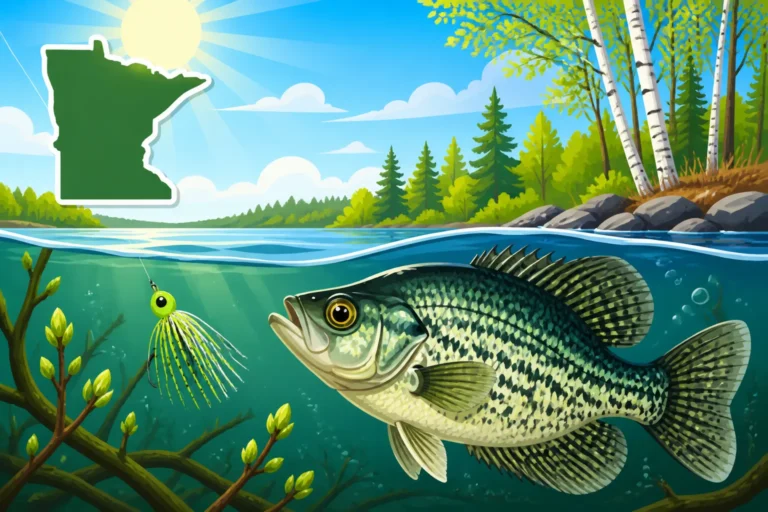
The Post-Ice Crappie Craze
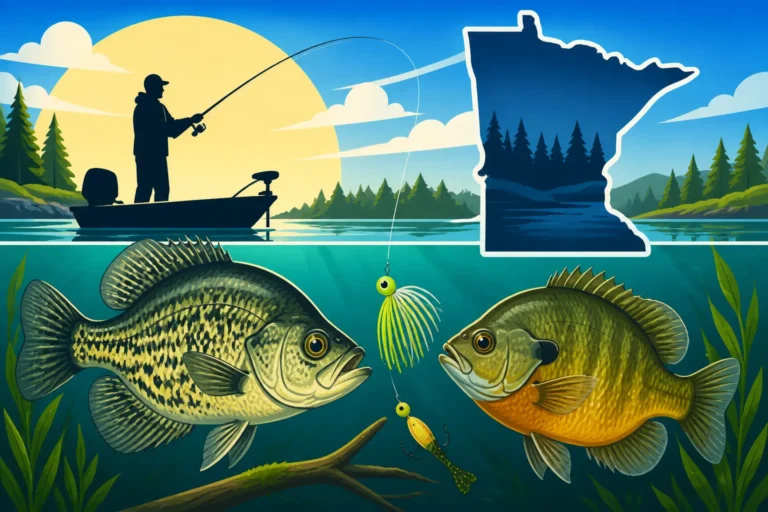
The first real action of the year usually starts with crappies and sunfish. These species are among the first to move into the shallowest water available, often looking for those "mud bays" where the dark bottom absorbs more solar heat. If you are fishing a lake like Gull Lake or even smaller metro waters like Lake Harriet, look for areas where the water is even just two or three degrees warmer than the main lake. This is where the fish will stack up.
The strategy here is patience and light tackle. Because the water is still relatively clear and the fish can be lethargic, you want to use a slow presentation. A tiny jig tipped with a plastic tail or a live wax worm under a thin slip bobber is the gold standard. I often tell people to look for old standing bulrushes or fallen timber in three to five feet of water. If you can find a spot where the wind is pushing warm surface water into a protected cove, you have found a gold mine. You can often find great deals on light-action rods and reels on Amazon to prepare for this delicate spring bite.
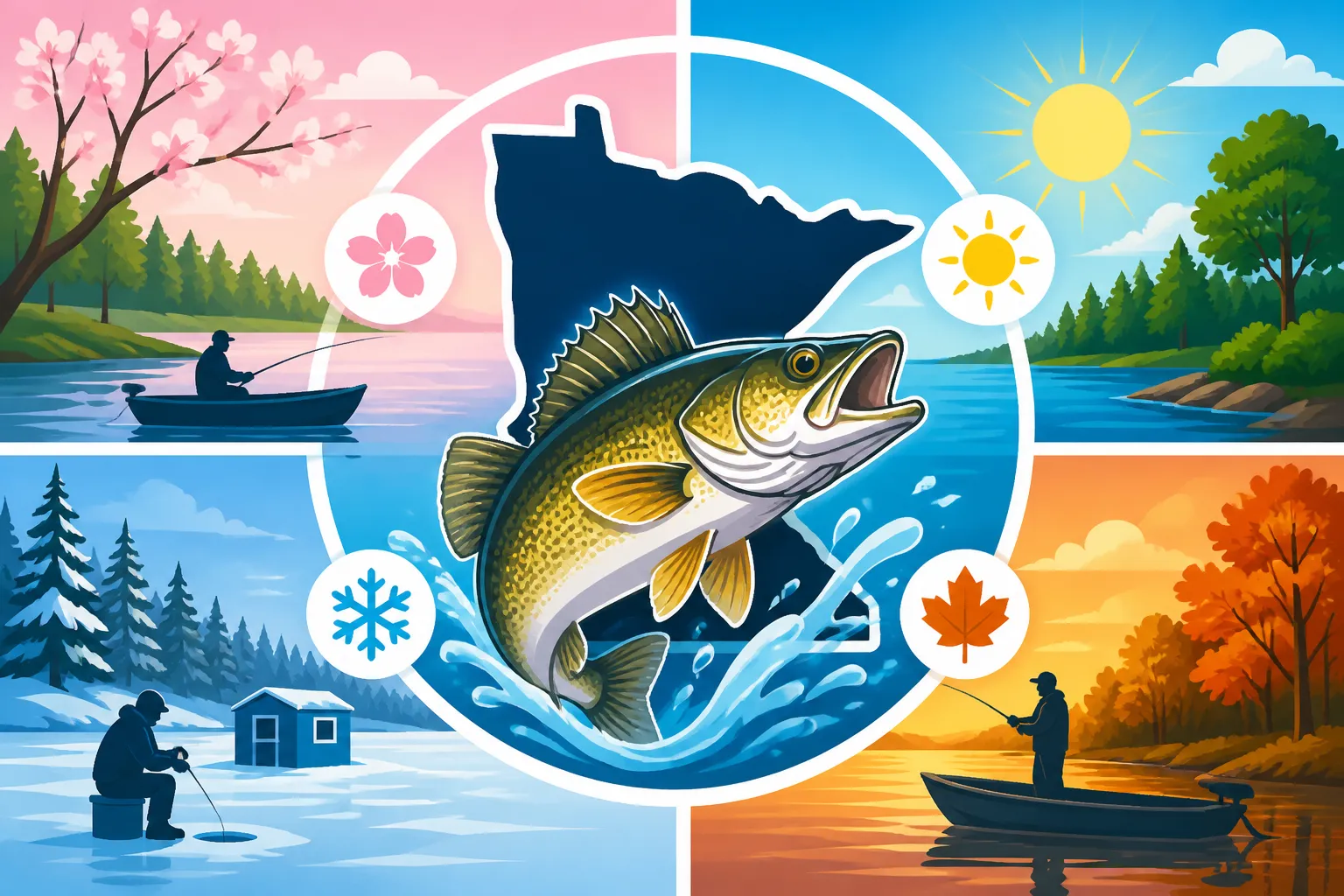
The Walleye Opener Strategy
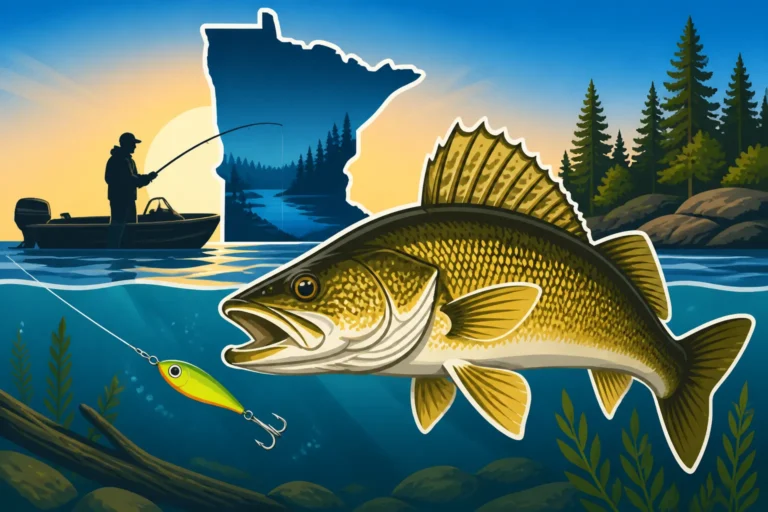
The second Saturday in May is more than just a date on the calendar; it is a cultural event in Minnesota. Understanding Minnesota Fishing Seasons & Opener Dates (2026) is critical because the position of the walleye depends heavily on how early or late the ice went out. In a typical year, walleyes will be finished spawning and will be hanging out on the first break or near moving water.
If you are heading to a river system like the Rainy River or the Mississippi, look for current breaks and eddies. The fish are often hungry after the spawn and will be aggressive. On big lakes like Mille Lacs, you might find them on the shallow rock piles or the edges of newly emerging weed beds. A simple jig and minnow is the classic "Opener" rig for a reason—it works. However, don't be afraid to try a shallow-running crankbait in the evening hours when the walleye move into the extreme shallows to feed on shiners. Be sure to check the Mille Lacs Walleye Regulations (2026) before you head out, as they can change based on state-tribal agreements.
Stream Trout and the Driftless Area
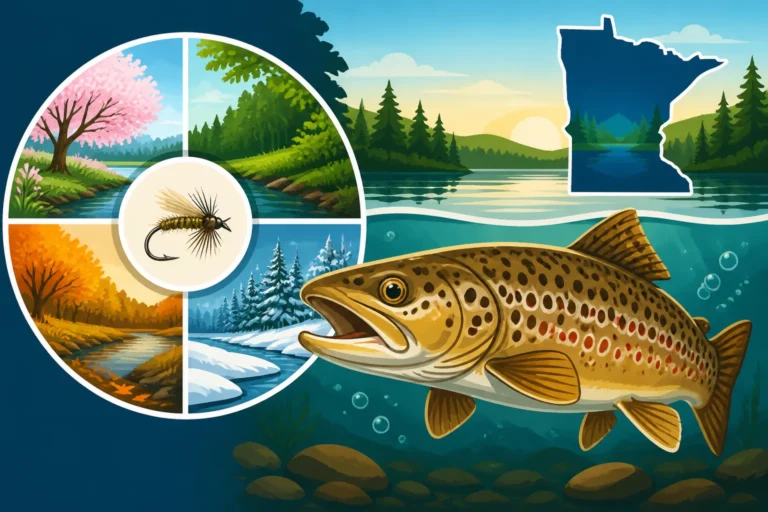
While the rest of the state is obsessed with walleye, the southeast corner of Minnesota offers world-class stream trout fishing. The Driftless Area, with its limestone bluffs and spring-fed creeks, provides a different kind of seasonal pattern. In the spring, insect hatches begin to pick up, and the trout become very active in the pools and runs.
If you are new to this, checking out a Fly Fishing the Driftless Area: A Beginner's Guide can give you the foundation you need. The key here is stealth. The water is often crystal clear, and the fish are easily spooked. Using a long, light leader and matching the hatch is essential. Even if you aren't a fly fisherman, small spinners or a simple worm can be incredibly effective in the deeper holes of Whitewater State Park or the Root River branches.
Summer: Peak Production and Deep Water Tactics
As June turns into July and August, the surface temperatures on Minnesota lakes can climb into the high 70s or even 80s. This causes a major shift in fish behavior. The "shallows" that were so productive in May become too warm for many species, and the fish move toward the thermocline—the layer of water where the temperature drops rapidly and oxygen levels are still high. This is the era of deep-water structure and heavy weed cover.
Mid-Summer Walleye on the Deep Reefs
Once the water warms, walleyes on lakes like Leech Lake or Lake Winnibigoshish move out to the deep reefs and mid-lake flats. They are no longer interested in the shoreline; they are looking for cool water and schools of perch or ciscoes. This is when electronics become your best friend. You are looking for transitions—places where the bottom changes from rock to mud, or where a steep drop-off meets a flat.
Trolling is often the most effective way to cover ground during this time. Using deep-diving crankbaits or leadcore line allows you to reach the depths where these fish are holding, often 20 to 30 feet down. If you prefer a more stationary approach, a Lindy Rig with a long leader and a juicy leech is a classic mid-summer tactic. You can find high-quality fluorocarbon leader material on Amazon that is nearly invisible to those wary summer walleyes. For a deeper dive into these specific movements, see our guide on Summer Walleye Patterns: Deep Structure.
Bass Fishing: Lily Pads and Deep Weedlines
While walleyes are heading deep, both largemouth and smallmouth bass are in their prime during the summer months. Largemouth bass love the thickest cover they can find. Think lily pads, coontail, and heavy docks on lakes like Lake Waconia or Minnetonka. During the heat of the day, these fish tuck under the canopy to stay cool and wait for an easy meal to swim by.
Smallmouth bass, on the other hand, are often found on rocky points or mid-lake humps, especially on world-class fisheries like Mille Lacs. They are aggressive and will chase topwater lures early in the morning or late in the evening. During the day, dragging a tube jig or a drop-shot rig over the rocks is the way to go. The summer bass bite is arguably the most consistent action you can find in the state, provided you aren't afraid to fish the "slop" or the deep rocks.
Muskie: The Hunt for the Fish of Ten Thousand Casts
The Minnesota Muskie Season & Size Limit usually opens in early June, but many veteran anglers wait until the summer heat really kicks in to target these giants. In July and August, muskies move to the "cabbage" (large-leafed pondweed) or out to the open water to follow schools of baitfish. This is the season of the "Figure-8."
When fishing lakes like Pelican Lake near Breezy Point or the massive Lake Vermilion, you need heavy-duty gear. This is a high-stamina game of casting large bucktails, topwaters, and rubber baits. The key is to find the "green" weeds—the ones that are still producing oxygen. If you find a weed bed that is turning brown and dying, move on. Muskies want healthy environments with plenty of forage. If you are just starting out, read up on Muskie Fishing Techniques for Beginners to understand the gear and patience required for this pursuit.
Fall: The Feeding Frenzy Before the Freeze
Fall is many local anglers' favorite time of year. As the air cools and the leaves change, the water temperature begins to drop, signaling to the fish that winter is coming. This triggers a massive feeding response. Fish that were scattered in the summer now begin to school up in predictable locations, often moving back toward the same types of areas they inhabited in the spring, but for different reasons.
Late Season Walleye and Vertical Jigging
The "fall turnover" is a critical event where the cooling surface water becomes denser and sinks, mixing the lake's layers. Before and after this event, walleyes become very focused on large minnows. On lakes like Cass Lake or Big Sandy, the fish will move toward the mouths of rivers or onto steep breaklines that lead into deep water.
Vertical jigging with a heavy jig and a large fathead or rainbow minnow is the premier fall tactic. You don't need to cast; you simply drop the bait down and "thump" it off the bottom. The strike is often aggressive. This is also a great time to fish at night. As the water clears up in the fall, walleyes become more light-sensitive and will move into very shallow water (3-5 feet) under the cover of darkness to feed on spawning tullibee or whitefish.
Trolling for Massive Northern Pike
While pike are active all year, the biggest "gators" are caught in the fall. As the water cools, these large predators move out of the deep, cool holes and back into the shallows to gorging on anything they can find. If you are fishing Lake of the Woods or Rainy Lake, this is the time to break out the big trolling spoons and deep-diving plugs.
Trolling along the edges of remaining weed beds or over rocky points can produce trophy fish. The key in the fall is size. You want large baits that represent a significant calorie count for the pike. A 10-inch crankbait is not too big. Many anglers also find success using "dead bait" rigs—large frozen ciscoes or smelt suspended under a large bobber. It sounds strange, but for a lazy, large pike looking for an easy meal, it is irresistible. Always be aware of the Minnesota Northern Pike Limits by Zone as you plan your trophy hunt.
The Smallmouth Bass Transition on Rivers
If you have never fished the Mississippi River or the St. Croix River in October, you are missing out. As the water temps drop into the 50s, smallmouth bass school up in massive numbers. They move from the faster summer runs into the deeper, slower "wintering holes." These are often deep pockets behind islands or at the base of major wing dams.
The action can be fast and furious. A simple jig with a plastic craw or a slow-rolled spinnerbait can result in a fish on every cast. The beauty of fall river fishing is the lack of crowds and the sheer aggression of the fish. They know the lean months of winter are coming, and they aren't about to let a meal pass them by. It is one of the most reliable seasonal patterns in the entire state.
Winter: The Ice Fishing Revolution
In Minnesota, we don't stop fishing when the water turns hard; we just drive our trucks out onto it. Ice fishing has evolved from sitting on a bucket in the cold to a high-tech sport with sonar, heated wheelhouses, and underwater cameras. The seasonal patterns under the ice are just as distinct as those in the summer.
Early Ice Safety and Walleye Patterns
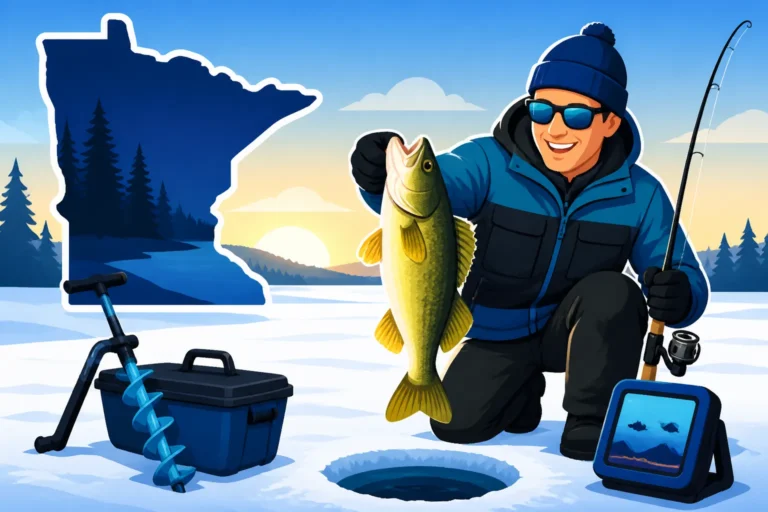
"Early ice" (the first few weeks of walkable ice) is legendary for its fishing quality. On lakes like Upper Red Lake or Lake of the Woods, the walleyes are often still in relatively shallow water, sometimes as shallow as 4 to 8 feet. Because the ice is clear and thin, the fish are still very active and haven't been pressured by the noise of thousands of snowmobiles yet.
Safety is the number one priority here. Always check the ice yourself with a chisel and never travel alone. For the latest rules on shelters and safety, refer to the Minnesota Ice Fishing & Shelter Rules. During this time, aggressive jigging with spoons like a Northland Puppet Minnow or a Swedish Pimple can trigger massive strikes. The "golden hour"—the 30 minutes before and after sunset—is the most productive time of the day.
Mid-Winter Panfish Tactics
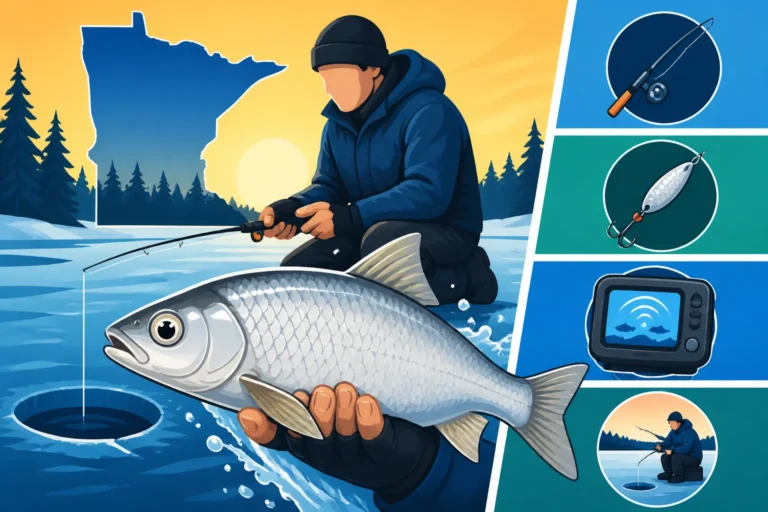
As the calendar turns to January and February, the "mid-winter blues" can set in. The fish often move to the deep basins of the lake, where they suspend over the deepest water. This is common for crappies and bluegills on lakes like Prior Lake or Lake Minnetonka. Finding them requires good electronics. You need to look for "clouds" of fish on your flasher or sonar.
Since the fish are often less active in the cold, oxygen-depleted water of mid-winter, you need to downsize your presentation. Tiny tungsten jigs and single maggots or "euro-larvae" are the way to go. You can find a huge variety of tungsten jigs and ice fishing plastics on Amazon to fill your tackle box for these picky mid-winter fish. For more detailed tactics, check out Ice Fishing for Crappie & Panfish.
Late Ice and the Quest for Lake Trout
March brings "late ice," a time when the days get longer and the sun begins to melt the snow on top of the ice. This sends fresh, oxygenated water down into the lake, "waking up" the fish. One of the most exciting late-season targets is the lake trout, particularly in the deep, cold lakes of the Boundary Waters or near the North Shore.
Lake trout are incredibly hard fighters and very aggressive. They will often chase a lure 20 or 30 feet up the water column. Using large white tubes or heavy spoons is the standard. Because lake trout seasons and locations are specific, make sure you know How to Catch Lake Trout Through the Ice in Minnesota before you head north. This is also a great time for "last ice" panfish, as they move back toward the shallow weed lines where they will eventually spawn once the ice goes out.
Understanding Environmental Triggers
While the calendar gives us a general idea of where the fish should be, the environment provides the actual "go" signal. Successful Minnesota anglers learn to read the water and the weather just as much as they read their maps.
Water Temperature and Spawning Cycles
Fish are cold-blooded, meaning their metabolism is entirely dependent on the water around them. In the spring, walleyes won't spawn until the water hits roughly 42 to 45 degrees. Bass wait until it's closer to 60. If we have a very cold, late spring, all the patterns we've discussed will be pushed back by two or three weeks. Conversely, a heatwave in May can send fish into their "summer" patterns before the school year is even over.
I always recommend keeping a log of the water temperatures where you find fish. Over time, you'll see that "62 degrees on the surface" is a magic number for certain weed growth and fish movements. It’s about more than just the date; it’s about the biological readiness of the species you are chasing.
Barometric Pressure and Feeding Windows
The "bite" is often dictated by the weather. Most Minnesota anglers swear by the rule: "Bout to rain, fish are game; wind from the east, fish bite the least." While these are old sayings, they are rooted in the science of barometric pressure. When a low-pressure system (a storm front) is moving in, the drop in pressure often triggers a feeding frenzy. Fish can feel the change in their swim bladders and know that a period of unstable weather is coming.
Once the front passes and the sky turns a high, bright "bluebird" color (high pressure), the fishing usually gets much tougher. The fish often tuck into the thickest weeds or move to deeper water and become very inactive. On those days, you have to slow down, use smaller baits, and be incredibly persistent. You can pick up a handheld barometer or a weather station on Amazon to help you track these shifts from your home or boat.
Master Seasonal Comparison Table
| Season | Primary Target Species | Key Location/Structure | Top Technique |
|---|---|---|---|
| Spring | Crappie, Sunfish, Walleye | Shallow mud bays, River inlets | Slip bobbers, Jig & minnow |
| Summer | Bass, Muskie, Walleye | Deep weedlines, Mid-lake reefs | Trolling, Frogging, Figure-8 |
| Fall | Northern Pike, Walleye | Steep breaklines, River mouths | Vertical jigging, Large spoons |
| Winter | Walleye, Panfish, Lake Trout | Deep basins, Main lake points | Flashers & spoons, Tungsten jigs |
Essential Gear for Every Season
To truly master the seasonal patterns in Minnesota, you need to be prepared for the elements. In the spring and fall, a high-quality rain suit is a must-have. You cannot fish effectively if you are shivering or soaked to the bone. During the summer, sun protection—including polarized sunglasses and UV-rated shirts—is vital for those long days on the water. Polarized glasses, in particular, are a game-changer for spotting bass in the lily pads or following a muskie during a Figure-8.
When winter arrives, your gear needs to change entirely. A reliable ice auger, a portable insulated shelter, and a high-quality flasher (like a Vexilar or Marcum) are the "big three" of ice fishing. While the initial investment can seem high, these tools last for decades and completely change your success rate. Many anglers find that ordering their smaller terminal tackle—like hooks, weights, and soft plastics—on Amazon in the off-season is the best way to stay stocked up without breaking the bank.
Ultimately, Minnesota fishing is a game of adaptation. The lakes are constantly changing, and the fish are always moving. By understanding the seasonal cycles—the spring spawn, the summer thermocline, the fall turnover, and the winter basin transition—you stop guessing and start catching. Whether you are on the rocky shores of Lake Superior or a small pond in the suburbs, the patterns remain the same. Respect the water, follow the regulations, and keep your line in the water.
Disclaimer
The information provided in this guide is for educational and informational purposes only. Fishing regulations in Minnesota, including season dates, bag limits, and size restrictions, are subject to change by the Minnesota Department of Natural Resources (DNR). Always verify the current year's official fishing regulations booklet before heading out on the water. Fishing involves inherent risks, especially during the winter on ice or in moving river water; always prioritize safety and local conditions.