Can You Fish Year-Round in Minnesota?
Many anglers find themselves staring at a frozen lake or a rushing river in the "shoulder seasons," wondering if they can legally wet a line or if they risk a heavy fine from a conservation officer. The confusion surrounding start dates, end dates, and species-specific closures is a real frustration for anyone trying to maximize their time outdoors. This guide solves that mystery by detailing exactly how and where you can fish year-round in Minnesota.
The Reality of the Minnesota Fishing Calendar
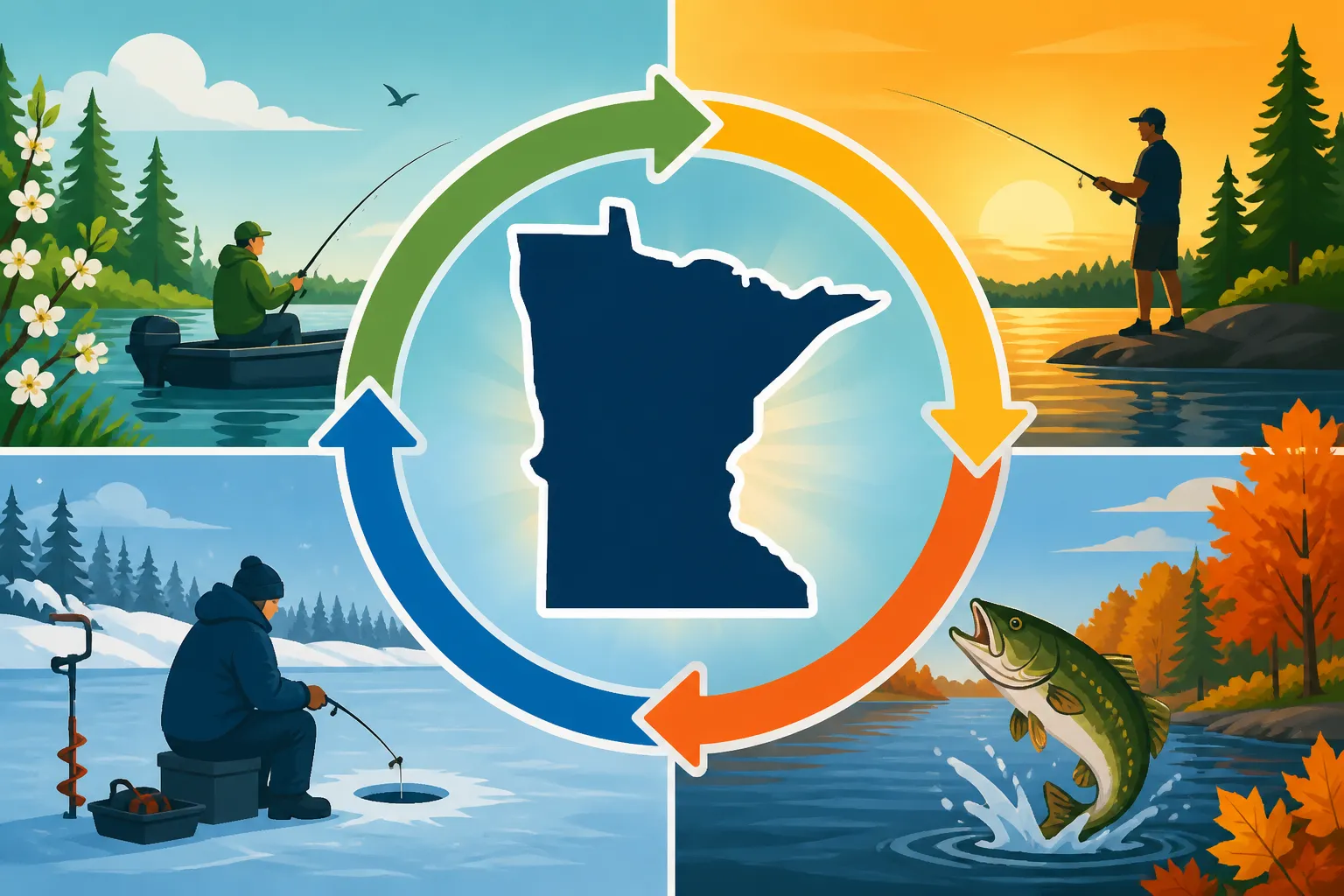
If you were to walk into a local bait shop in Brainerd or Bemidji during the month of April, you might see a lot of boats still in storage and a general sense of "waiting." This is because many of our most famous game fish, like Walleye and Northern Pike, have a strictly enforced closed season to protect them during their spawning runs. However, the idea that Minnesota "closes" for fishing entirely is a common misconception. You absolutely can fish every single day of the year; you just have to change your target species or your location.
The Minnesota Department of Natural Resources (DNR) designs these regulations to ensure the sustainability of our 10,000+ lakes. Understanding the Minnesota Fishing Seasons & Opener Dates (2026) is the first step in planning your year. While the "Fishing Opener" in May is a state holiday in all but name, the weeks leading up to it offer some of the most overlooked opportunities for those willing to learn the rules.
One of the most important distinctions to make is between inland waters and border waters. Most of the strict "closed" periods apply to the inland lakes. If you find yourself itching to catch a walleye in late March, you aren't necessarily out of luck, but you will likely need to head to a river that borders Wisconsin, Iowa, or North Dakota, where the rules often allow for continuous or extended seasons.
Year-Round Species for Constant Action
While the glamour of the walleye opener gets the headlines, there are several species in Minnesota that never have a closed season on inland waters. These "continuous season" fish are the backbone of year-round angling. If you are ever in doubt, focusing on these species is your safest bet for staying legal while scratchng that fishing itch.
Panfish: The Reliable Staples
Sunfish, bluegill, and crappie are the heroes of the year-round angler. On almost all inland waters, the season for these species is continuous. This means whether it is a Tuesday in July or a Saturday in April, you can be out on the water. Many veteran anglers actually prefer the "gap" between ice-out and the walleye opener to target giant slab crappies.
When the ice first leaves the bays, panfish migrate to the shallow, warmer water to feed. This is a prime time for shore fishing when most people think nothing is biting. Just be sure to check the specific Minnesota Crappie & Sunfish Limits for the lake you are visiting, as many lakes now have special, reduced possession limits to protect the quality of the fish.
Rough Fish and Catfish
Minnesota also allows year-round fishing for what are often called "rough fish," such as carp, suckers, and bowfin. While they don't get the same respect as a trophy bass, catching a 15-pound common carp on light tackle is an absolute blast. Furthermore, the Catfish Season & Limit in Minnesota has become much more inclusive over the years. On most waters, channel catfish can be targeted year-round, providing a heavy-hitting option during the months when walleye are off-limits.
The Border Water Loophole
If you are determined to catch game fish like walleye or sauger during the inland closed season, you need to look at the borders. The Mississippi River, for example, often has a continuous season for walleye and sauger from the Red Wing area down to the Iowa border. Similarly, the St. Croix River has different season dates than the lake in your backyard.
Navigating the Border Water Fishing Rules (Minnesota-Ontario, Wisconsin) is essential here. Each border (Canada, Wisconsin, North Dakota, South Dakota, and Iowa) has its own specific set of dates. For instance, the Rainy River on the Canadian border has a very famous "spring walleye" season that allows anglers to fish for trophy walleye while inland lakes are still closed, though it is often catch-and-release only during that window.
Navigating Seasonal Closures for Game Fish
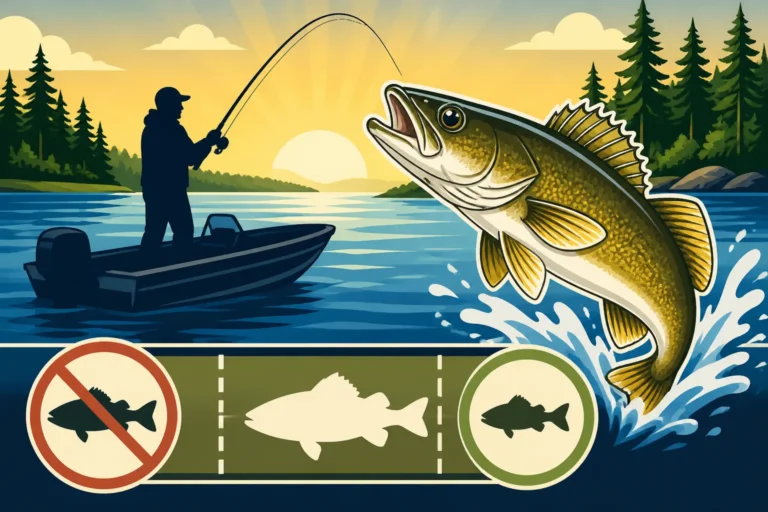
The reason people get confused about year-round fishing is the "Big Three" closure: Walleye, Northern Pike, and Largemouth/Smallmouth Bass. These species represent the vast majority of target fish for Minnesotans, and their seasons are not continuous.
The Walleye and Northern Pike Gap
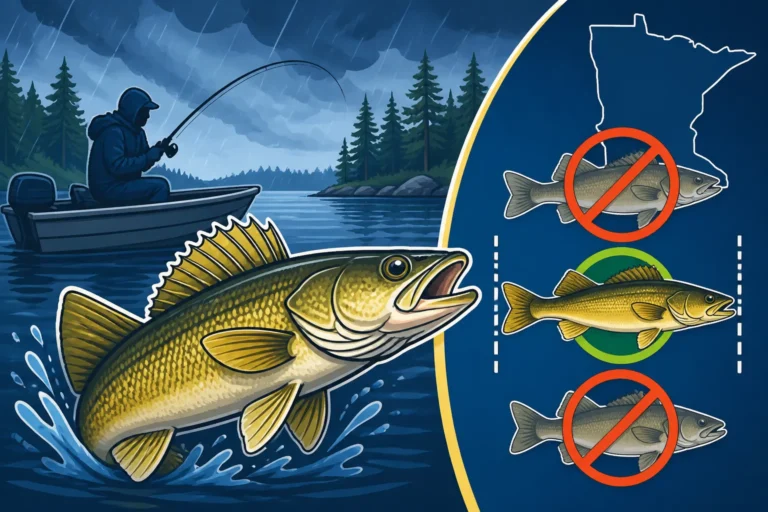
Typically, the season for Walleye and Northern Pike ends in late February and doesn't reopen until the second weekend in May. This "gap" is designed to allow these fish to spawn without being harassed by lures and baits. It is a critical time for the health of the fishery. If you are caught with a walleye in your livewell during this period, you are looking at significant fines and the potential loss of your gear.
During this time, even "targeting" these fish with the intent to release them can be a legal gray area. If a conservation officer sees you throwing large walleye jigs on a known spawning reef in April, they may cite you for attempting to take fish out of season, even if you haven't kept any. This is why it is vital to switch your gear and tactics to clearly target legal species like panfish or perch.
The Bass Season Evolution
Bass regulations have become significantly more flexible recently. We now have a Minnesota Bass Season (New 2026 Catch-and-Release) window that allows for more time on the water. In the past, bass fishing was closed entirely during their spawn. Now, many areas allow for a catch-and-release period that starts earlier than the traditional keep-season. This is a huge win for anglers who just want the thrill of the strike and don't care about a fish fry.
| Species Category | Inland Season Status | Best Year-Round Strategy |
|---|---|---|
| Panfish (Sunfish/Crappie) | Continuous | Target shallow bays immediately after ice-out. |
| Walleye / Northern Pike | Closed (Late Feb – Early May) | Head to the Mississippi River or Rainy River. |
| Largemouth / Smallmouth Bass | Specific Dates (Varies by Zone) | Use the early catch-and-release window. |
| Trout (Streams) | Specific Dates | Check the Minnesota Trout Season Dates & Streams. |
| Catfish | Mostly Continuous | Focus on the Minnesota and Mississippi Rivers. |
| Rough Fish (Carp/Suckers) | Continuous | Great for spring shore fishing with corn or worms. |
Specialized Year-Round Opportunities
Beyond the common lake species, Minnesota offers some niche opportunities that provide year-round or near year-round action if you know where to look. These often require different gear and a bit more travel, but they are the secret to never having an "off-season."
Lake Superior and the North Shore
Lake Superior is a completely different animal when it comes to regulations. Because of its size and the nature of cold-water species, you can often find something to fish for year-round. Rainbow trout (Steelhead), Coho salmon, and Chinook salmon often have different season structures than inland trout. Fishing the "mats" of the big lake or the mouths of the tributaries can be productive even in the dead of winter.
Trout in the Driftless Area
Southeastern Minnesota is home to the "Driftless Area," a region of spring-fed streams that rarely freeze. While the regular trout season has set dates, there are often special catch-and-release seasons in specific state parks or designated stretches of stream that allow for winter fly fishing. This is a world-class experience where you can catch brown trout while snow is on the banks. Always ensure you have the proper stamps by reviewing the Minnesota Fishing License: Cost, Types & How to Buy (2026) guide before heading out.
Ice Fishing: The "Second" Summer
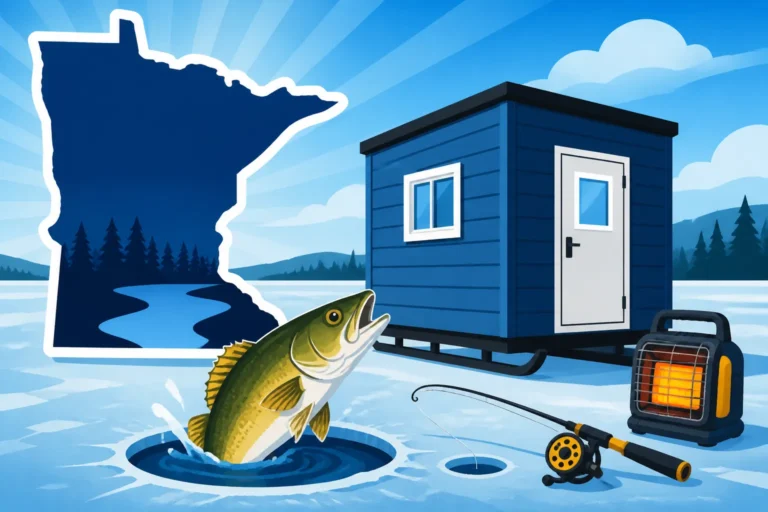
For many Minnesotans, the fishing year doesn't end when the water hardens; it just gets started. Minnesota Ice Fishing & Shelter Rules govern this period, which usually runs from December through March. Technically, you are still bound by the same species seasons (e.g., you can't fish for walleye through the ice in April), but ice fishing provides access to parts of the lake you could never reach from shore during the summer.
Staying Legal: Licenses and Accidental Catches
The most important part of fishing year-round is staying on the right side of the law. Ignorance is rarely an acceptable excuse when the DNR pulls up to your boat.
Managing Accidental Catches
One of the biggest anxieties of fishing during a closed season is: "What if I'm fishing for crappies but I catch a walleye?" This happens all the time. The law is clear: you must immediately release the out-of-season fish. Do not put it in the livewell "just for a second" to show your buddy, and do not take a five-minute photo session. Unhook it in the water if possible and let it go.
If you find that you are constantly catching out-of-season fish in a particular spot, the ethical (and legal) thing to do is move. If you are using minnows for crappies but keep hooking into spawning Northern Pike, a conservation officer might argue that you are intentionally targeting the pike.
Licensing Requirements
No matter what day of the year it is, you need a valid license. Remember that Minnesota fishing licenses expire on the last day of February every year. This is a common trap for March anglers who forget that their "old" license is no longer valid. Ensure you are covered by checking What Happens If You Fish Without a License in Minnesota? to understand the risks of skipping this step.
Finally, always keep a copy of the current year’s handbook in your tackle box or a PDF on your phone. Regulations can change based on the health of specific lakes, and Minnesota Fishing Limits: Bag & Possession (2026) can vary significantly from one county to the next.
Disclaimer
The information provided in this guide is for informational purposes only and does not constitute legal advice. Minnesota fishing regulations are subject to change by the Department of Natural Resources (DNR) at any time. Always consult the official Minnesota Fishing Regulations handbook or the DNR website before heading out to ensure you are in compliance with the most current laws, seasons, and limits.