Best Gear for Ice Fishing Northern Pike in Minnesota
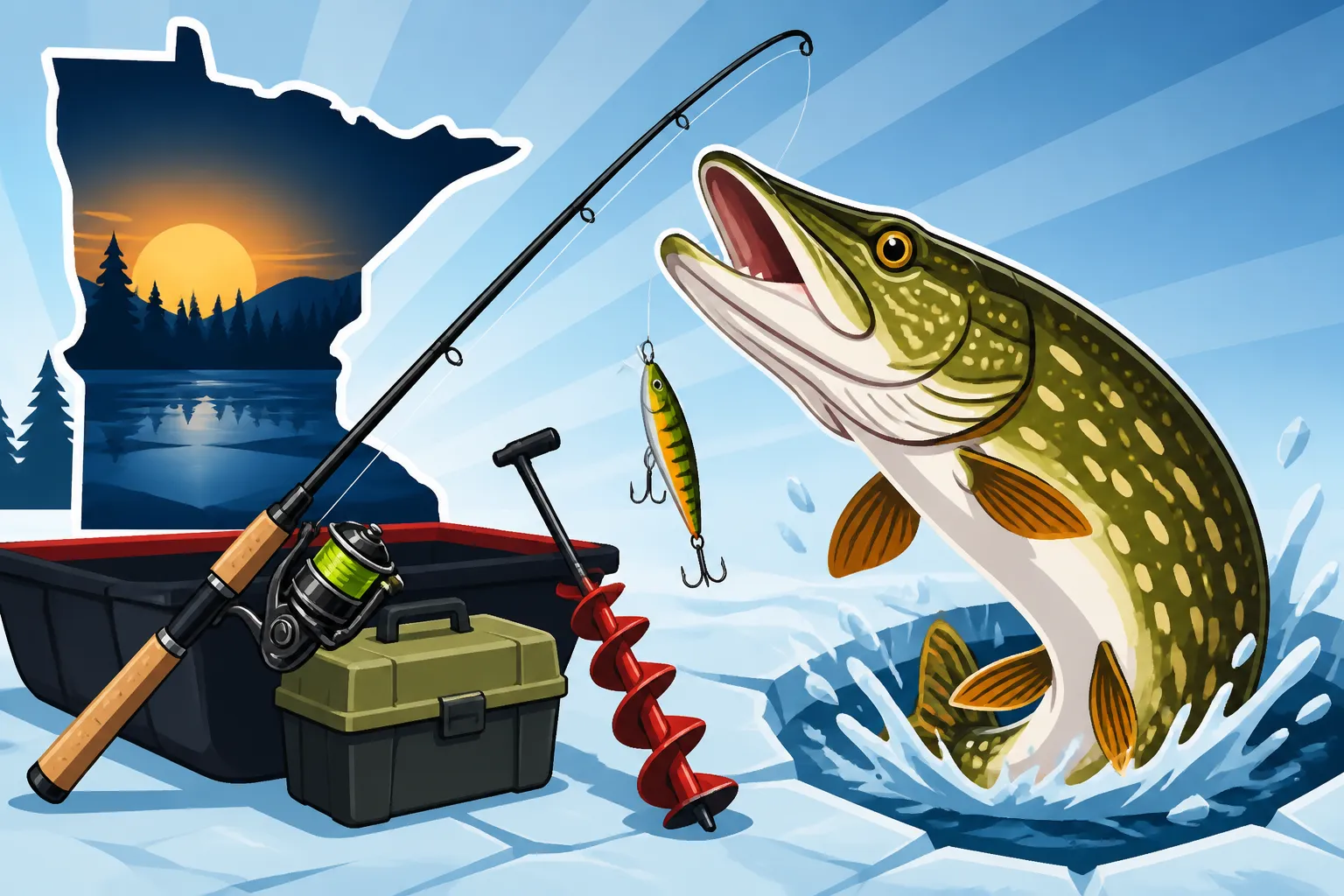
When you're out on the ice in Minnesota, there's nothing quite like the thrill of a flag popping up or feeling that aggressive tug on your line, signaling a big northern pike has taken the bait. But ask any seasoned angler, and they'll tell you that underestimating these toothy predators with inadequate gear is a recipe for broken lines, lost lures, and sheer frustration. This guide is all about equipping you with the right tools to confidently tackle Minnesota's fierce northern pike through the ice, ensuring you're prepared for every thrilling encounter.
Essential Rod and Reel Setups for Northern Pike
Landing a sizable northern pike through a hole in the ice requires more than just luck; it demands specialized gear designed to withstand their powerful runs and razor-sharp teeth. Your rod and reel are the primary tools in this battle, and skimping here will only lead to disappointment.
Heavy Duty Rods for Serious Pike
Forget those flimsy panfish rods when targeting pike. You need a rod with serious backbone, often described as medium-heavy to heavy power, paired with a fast or extra-fast action tip. This combination allows you to set the hook firmly into a pike's tough mouth and provides the leverage needed to steer a thrashing fish away from the edge of the ice hole. A typical length for ice fishing pike rods ranges from 30 to 48 inches. Shorter rods (30-36 inches) are great for working inside a smaller portable shelter, offering precision and quick response, while longer rods (38-48 inches) provide better shock absorption for powerful headshakes and more leverage when fighting a truly big fish in the open.
Think about rods built with a durable graphite or composite blank that can handle abuse. Brands like Ugly Stik have long been favored for their incredible toughness, making them a popular choice among pike anglers who prioritize durability. A good example might be an Ugly Stik GX2 Ice Rod in a medium-heavy power. The rod needs to absorb the initial shock of a pike’s strike and then transition into powerful lifting action without feeling like it’s going to snap. It’s a delicate balance of sensitivity to detect subtle bites and sheer strength to control a fish that could easily weigh 10 to 20 pounds, or even more.
Reels Built for the Fight
The reel you pair with your heavy-duty rod is just as critical. For most ice fishing applications for northern pike, a spinning reel in the 2500 to 4000 size range is an excellent choice. The most important features to look for are a smooth, reliable drag system and solid construction. When a pike decides to run, a jerky drag can snap your line in an instant. A quality drag allows the fish to take line under steady pressure, tiring it out without breaking off.
Consider a reel with a robust metal body and gears for increased durability. Look for sealed drag systems, which prevent water and ice from compromising performance in freezing conditions. While you might find a wide variety of reels at your local Bass Pro Shops, make sure you're not just picking the cheapest option. Invest in something that can handle the consistent strain. A good reel will also have a sufficient line capacity to hold 100-150 yards of your chosen line. Some anglers even prefer using a low-profile baitcasting reel on a shorter, stiffer rod for specific presentations, especially when paired with heavier lines or larger baits where controlled line release is beneficial. Whichever style you choose, ensure it feels solid in your hands and the retrieve is smooth, even when cranking against a hard-fighting fish.
Line, Leaders, and Lures: The Business End
This is where the rubber meets the road—or rather, where your bait meets the pike. The wrong choice here can quickly turn a potential trophy catch into a heartbreaking story of "the one that got away."
Selecting the Right Line Strength and Type
For ice fishing northern pike, braided line is often the preferred choice for your main line. It offers superior strength-to-diameter ratio, minimal stretch for solid hooksets, and excellent sensitivity to detect even light bites. A good starting point is 20 to 30-pound test braided line. While it might seem heavy, pike can be notoriously aggressive, and you'll appreciate the extra insurance. Remember to be mindful of how many lines you can use ice fishing in Minnesota, as regulations often allow for two lines per angler, and you might want to use different setups for different presentations.
Some anglers opt for a short section of monofilament or fluorocarbon as a backing to prevent the braid from slipping on the reel spool, but the main concern is the line directly connected to your leader. While fluorocarbon offers good abrasion resistance and is nearly invisible underwater, its stretch can be a disadvantage for hard hooksets on pike. Ultimately, the robust nature of braid usually wins out for the main line when targeting these aggressive fish. Many anglers find great deals on quality braided lines on online retailers like Amazon.
The Crucial Role of Leaders
This cannot be stressed enough: you absolutely need a bite leader when ice fishing for northern pike. Their mouths are full of sharp teeth capable of slicing through monofilament or fluorocarbon line like butter. Skipping a leader is an invitation for heartbreak.
There are two main types of leaders to consider:
- Steel Leaders: These are the most common and offer maximum bite-proof protection. They come in various strengths and configurations, including solid wire, multi-strand wire, and even titanium. Many come pre-tied with swivels and snaps, making them convenient to attach to your main line and lure. For pike, leaders in the 40 to 80-pound test range are appropriate, usually 6 to 12 inches long.
- Heavy Fluorocarbon Leaders: While not entirely bite-proof like steel, very heavy fluorocarbon (e.g., 50-80 lb test) can withstand some abuse and offers the advantage of being nearly invisible in the water, which can be beneficial in clear lakes or for finicky fish. However, even heavy fluorocarbon can get nicked and fail, so inspect it frequently.
Regardless of the material, always use a strong barrel swivel to connect your main line to your leader to prevent line twist, especially when using larger, spinning baits. The leader is the last line of defense against those toothy grins, so don't cut corners here.
Top Lures for Ice Fishing Pike
Pike are opportunistic predators, and their diet can vary, but generally, they respond well to larger baits that present a substantial meal.
- Tip-Ups: These are arguably the most popular method for ice fishing northern pike. A Ice Fishing for Northern Pike (Tip-Ups) setup allows you to cover a wider area, presenting live or dead bait to cruising pike. For bait, large shiners, suckers, smelt, or ciscoes are excellent choices. Rig them below a quick-strike rig or a large circle hook. The key is to have a bait that either swims naturally or appears like an easy meal.
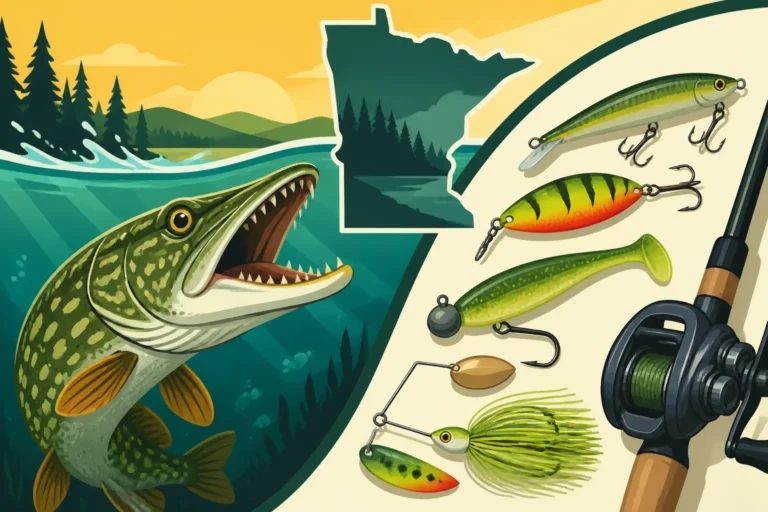
- Large Spoons: Classic spoons like the Daredevl, Swedish Pimple, or Williams Wabler in sizes suitable for pike (3-5 inches) are incredibly effective. Their flashing action and erratic fall can trigger aggressive strikes. Tip them with a minnow head or a piece of cut bait for added scent and appeal.
- Jigging Raps and Swimbaits: Larger profile jigging lures, often referred to as Jigging Raps (or similar designs from other brands), can be very effective when aggressively worked near the bottom or suspended baitfish. Soft plastic swimbaits, rigged on heavy jig heads, also offer a realistic profile and enticing swimming action. These are more active presentations, requiring you to work the lure to entice a bite.
- Deadbait Rigs: For a more passive approach, especially on slower days, a deadbait rig fished just off the bottom can be deadly. Using a large dead suckers or ciscoes, often weighted to keep them down, can imitate an injured or dying fish, an easy meal for a lazy pike. Ensure your How to Set Up Tip-Ups for Pike includes a proper quick-strike rig to ensure a solid hookset and easy release if necessary.
Choosing the Best Tackle for Northern Pike in Minnesota often involves experimenting with these options to see what the fish are keying in on that particular day.
Ice Shelters and Augers for Pike Anglers
Beyond the tackle, the right support gear makes your pike ice fishing experience more comfortable, efficient, and ultimately, more successful.
Durable Shelters for Comfort and Mobility
Minnesota winters can be brutal, and an ice shelter is your sanctuary on the frozen expanse. For pike fishing, you'll want a shelter that offers ample space, not just for you and your gear, but also for handling potentially large, thrashing fish once they come through the hole.
- Flip-Over Shelters: Brands like Clam and Otter offer robust flip-over shelters that are quick to set up and tear down. These are excellent for anglers who like to move and chase fish. A 2-person or even a 3-person model provides enough room to fish comfortably and manage a large pike without feeling cramped. Many models come with padded seats and built-in rod holders.
- Hub-Style Shelters: For larger groups or those who prefer more communal fishing, hub-style shelters offer a massive amount of interior space. While they take a bit longer to set up, they are great for a full day out, especially if you're using multiple tip-ups and want to keep warm between flags. The extra room allows for easier maneuvering when a large pike is brought to the hole.
When comparing Best Ice Shelters: Clam vs Otter (Flip vs Hub), consider features like insulation (essential for warmth), window placement, and ease of transport. A well-insulated shelter can make a huge difference in comfort on those sub-zero days, allowing you to focus on the fishing rather than the cold.
Power Augers for Big Holes
Northern pike typically require larger holes than panfish or even walleye. While an 8-inch hole is generally sufficient, many experienced pike anglers prefer a 10-inch diameter hole to safely land larger fish, especially if they are heavily built. This is where a quality power auger becomes indispensable. Hand augers simply won't cut it for the repeated cutting of large holes, especially in thick Minnesota ice.
- Electric Augers: These have gained immense popularity for their quiet operation, lack of fumes, and instant starting in cold weather. Models like the StrikeMaster Lithium 40V or the ION G2 are powerful enough to cut numerous 8-inch or 10-inch holes on a single charge, even through several feet of ice. They are lighter than gas augers, making them easier to transport.
- Propane Augers: Offering a middle ground between gas and electric, propane augers (e.g., Eskimo Propane Auger) are also clean-burning and start easily in the cold, without the hassle of mixing fuel or dealing with gas fumes. They provide reliable power for cutting large holes.
- Gas Augers: While heavier and louder, gas augers remain a staple for many who value raw power and the ability to cut countless holes without worrying about battery life or propane refills.
When choosing between Best Ice Augers for Minnesota: Electric vs Gas, consider how much ice you typically encounter, how many holes you plan to cut, and your budget. For pike, prioritize an auger that can consistently cut an 8-10 inch hole quickly and efficiently.
Essential Accessories for a Successful Pike Trip
Don't overlook the smaller items that can make or break a day on the ice. These accessories are crucial for safety, convenience, and effective handling of northern pike.
Fish Finders and Cameras for Locating Pike
While pike are often shallower and more aggressive, electronics can still significantly increase your success.
- Flashers and Sonar: A traditional ice fishing flasher (like a Vexilar FLX-28 or a Humminbird Ice Helix) is excellent for seeing your lure and any fish approaching it in real-time. This helps you understand how fish are reacting to your presentation and adjust accordingly. For more advanced anglers, Garmin LiveScope Review: Is Forward-Facing Sonar Worth It? and similar forward-facing sonar units are changing the game, allowing you to spot fish well outside your immediate hole, though they require a larger investment and learning curve. These tools are fantastic for identifying baitfish schools and any predatory pike lurking nearby.
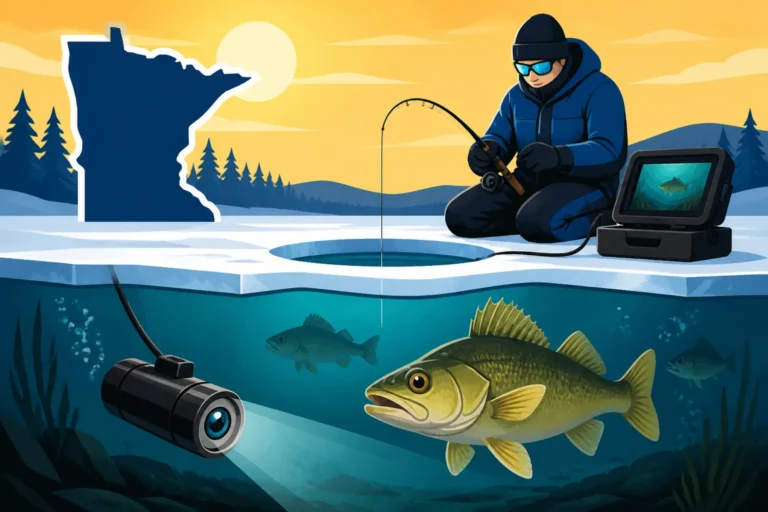
- Underwater Cameras: An Aqua-Vu or similar underwater camera can be a fascinating and educational tool. You can actually watch pike inspect your bait, observe their behavior, and confirm species identification. This is particularly useful in clear water and can help you fine-tune your presentations.
These electronic aids help reduce the guesswork, turning a potential blind hunt into a more targeted and informed fishing expedition. Checking out reviews for the Best Ice Fishing Flashers: Vexilar vs Humminbird vs Garmin can help you decide which unit best fits your needs and budget.
Safety and Convenience Tools
Safety first, always, especially when dealing with powerful fish and cold conditions.
- Pliers and Jaw Spreaders: Northern pike have incredibly sharp teeth and can be quite feisty. A good pair of long-nose pliers or forceps is essential for removing hooks safely and quickly, minimizing harm to both you and the fish. A jaw spreader can be invaluable for holding a pike’s mouth open while you work on retrieving a deep-set hook. These are non-negotiable items for pike fishing. You can often find durable options at fishing specialty stores or even general online retailers.
- Gaff or Large Net: For safely landing truly massive pike, a gaff can be useful, though some anglers prefer a very large landing net to minimize injury if practicing catch and release. If using a gaff, understand how to use it properly to avoid unnecessary harm.
- Ice Scoop and Spud Bar: A large ice scoop is crucial for clearing slush from your hole after drilling, ensuring your line runs freely. A spud bar is a fundamental safety tool for checking ice thickness, especially early or late in the season. Always check ice conditions!
- Warmth and Comfort: Don't forget your personal comfort. A quality ice fishing suit, like those from Striker Ice or Clam, offers superior insulation and often floatation for added safety. Best Ice Fishing Suits & Bibs (Float Suits) can literally be life-savers. Portable heaters (propane or catalytic) for your shelter, extra layers of clothing, and insulated boots are all critical for an enjoyable and safe trip.
- Sled or Portable Cart: Hauling all this gear can be a workout. A sturdy sled, like those from Shappell or Otter, makes transporting your auger, shelter, tackle, and other essentials across the ice much easier.
Remember, a well-prepared angler is a successful angler. Gathering the Best Ice Fishing Gear for Minnesota (2027 Guide) specifically for pike means you’ll be ready for whatever the frozen waters throw your way.
Here’s a quick summary of essential gear for ice fishing Northern Pike:
| Category | Recommended Item | Specific Considerations for Pike |
|---|---|---|
| Rod | Medium-Heavy to Heavy Power Ice Rod | 30-48 inches, Fast/Extra-Fast Action for solid hooksets and fighting power. |
| Reel | Spinning Reel (Size 2500-4000) | Smooth, strong drag system; durable construction; sufficient line capacity. |
| Main Line | Braided Line (20-30 lb test) | Low stretch for sensitivity and powerful hooksets; strong abrasion resistance. |
| Leader | Steel or Heavy Fluorocarbon Leader | ESSENTIAL (40-80 lb test, 6-12 inches) to prevent bite-offs from sharp teeth. |
| Lures/Bait | Tip-ups with Large Live/Dead Bait | Suckers, shiners, smelt, ciscoes on quick-strike rigs. Large spoons (Daredevl, Swedish Pimple). |
| Auger | Power Auger (Electric/Propane/Gas) | 8-10 inch diameter for safely landing larger fish. |
| Shelter | Flip-Over or Hub-Style Ice Shelter | Ample space for angler, gear, and handling large fish; insulated for comfort in cold weather. |
| Electronics | Flasher/Fish Finder, Underwater Camera | Locating baitfish, observing pike behavior, identifying structure. |
| Tools | Long-nose Pliers, Jaw Spreaders | CRUCIAL for safe hook removal from toothy pike; large gaff or net for landing big fish. |
| Safety | Ice Spud Bar, Float Suit, Heater | Checking ice thickness, personal flotation, staying warm and comfortable. |
Disclaimer
Fishing regulations, season dates, and limits can change. Always consult the latest Minnesota Department of Natural Resources (DNR) fishing regulations before heading out on the ice to ensure compliance with all current rules for northern pike and other species. Stay safe, and enjoy your time on the ice!