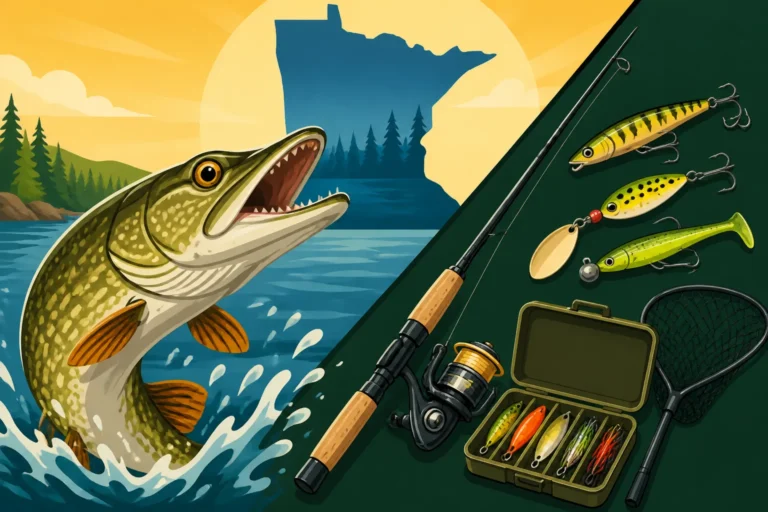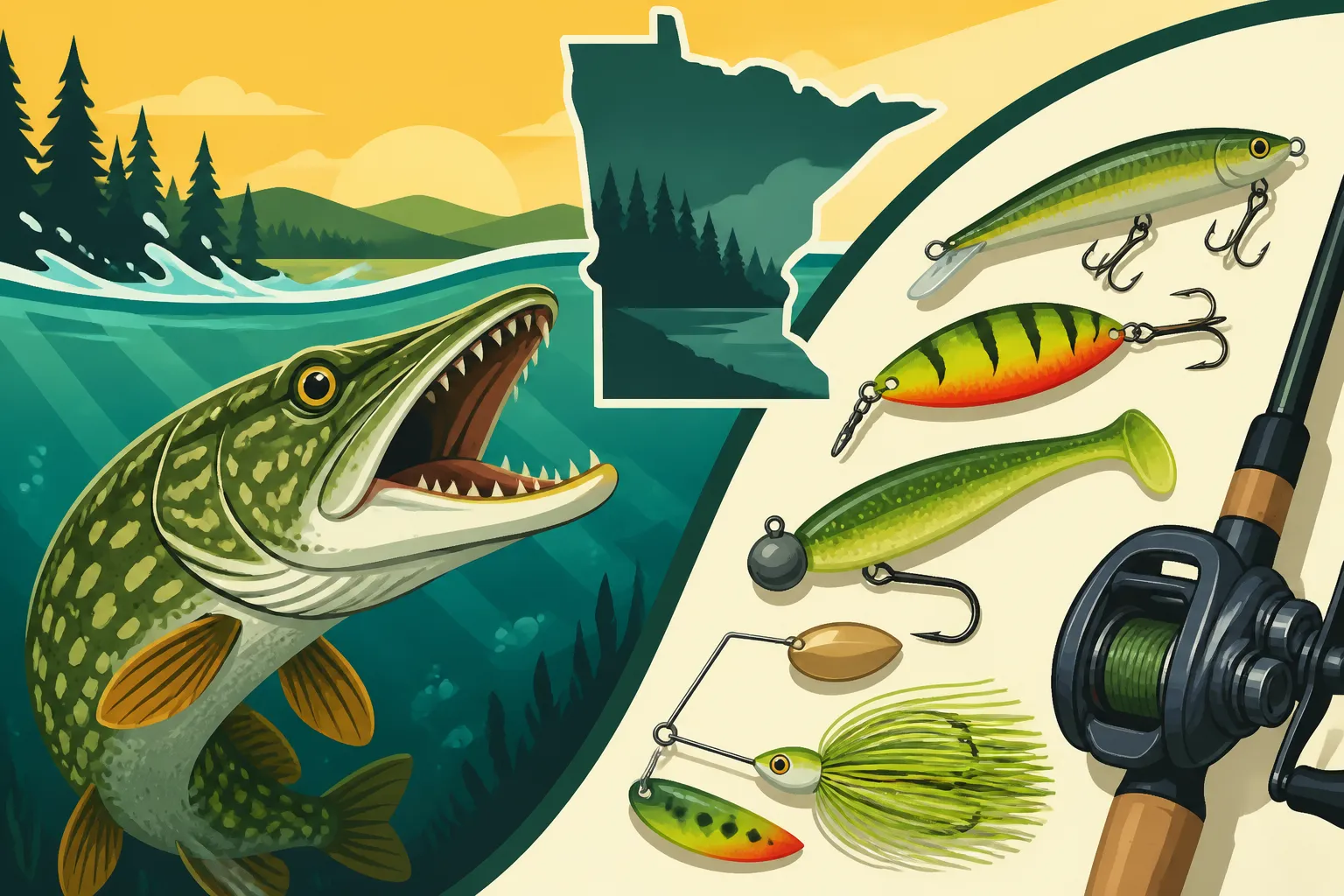
Best Tackle for Northern Pike in Minnesota
There’s nothing quite like the exhilarating strike of a Northern Pike, but if you’ve ever gone after these toothy critters with the wrong gear, you know the frustration. Between lost lures, bitten-off lines, and gear that just can't handle the fight, it can feel like you're constantly battling your tackle more than the fish itself. This comprehensive guide is here to unravel the mystery, showing you exactly what tackle you need to consistently hook and land Minnesota's formidable Northern Pike, turning those frustrating moments into triumphant ones.
Understanding Northern Pike: Why Specialized Tackle Matters
Before we dive into the nitty-gritty of specific gear, it’s crucial to understand why Northern Pike demand a different approach than, say, a gentle bluegill or even a hard-fighting walleye. Pike are apex predators in many Minnesota lakes and rivers. They're built for ambush, with powerful bodies, incredible speed, and a mouth full of razor-sharp teeth designed to tear through prey. This isn't just about catching a fish; it's about matching wits and strength with a true freshwater powerhouse.
The Pike's Dental Arsenal: A Line Killer
The most significant factor influencing your tackle choice for Northern Pike is their teeth. Seriously, these fish are basically swimming scissors. If your line, leader, or knot comes into contact with those sharp incisors, it’s game over. You'll hear that disheartening "snap" as your lure, and potentially a trophy fish, swims away. This isn't a rare occurrence; it's practically a guarantee if you're not prepared. Standard monofilament or fluorocarbon lines, while excellent for many species, are simply no match for a determined pike. This is why wire or heavy-duty fluorocarbon leaders become non-negotiable, not just a suggestion. It’s the difference between landing a fish and telling a sad story about the one that got away – and took your favorite spinnerbait with it. For more insights on these fish, check out our guide on Northern Pike in Minnesota: Identification & Where to Catch.
The Aggressive Strike and Powerful Fight
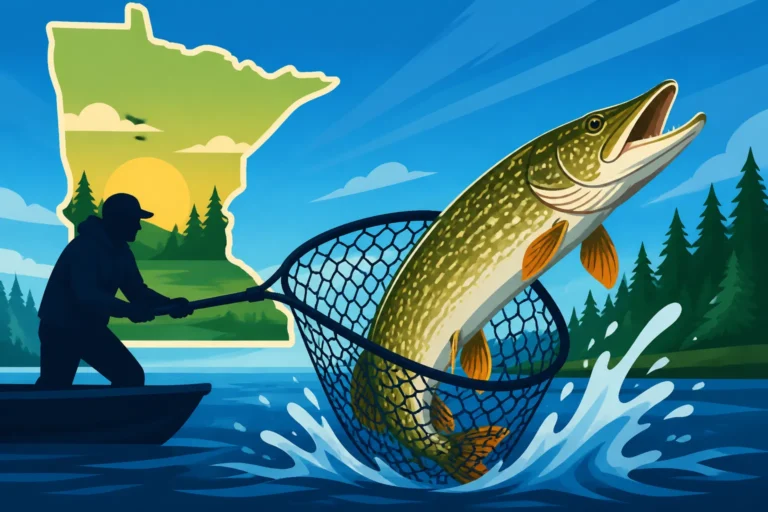
Pike strikes are often violent, sudden, and incredibly aggressive. They hit lures with a vengeance, and once hooked, they put up a tremendous fight. They'll make powerful runs, head shakes, and sometimes even jump out of the water, testing every component of your tackle. A flimsy rod might snap, a weak reel drag could strip out, and undersized hooks will bend or break under the strain. You need gear that can absorb these shocks, handle explosive power, and maintain control throughout the battle. This isn’t the time for finesse; it’s the time for robust, reliable equipment that can take a beating and keep delivering. If you're looking to refine your approach, our guide on Best Northern Pike Fishing Tactics in Minnesota offers some excellent strategies.
Essential Rod and Reel Combos for Pike Fishing
Choosing the right rod and reel combination is paramount for successful pike fishing. It's not just about having a sturdy setup; it's about having one that balances power with the sensitivity needed to detect strikes and the backbone to control a thrashing fish.
Rod Selection: Power and Length
When it comes to pike rods, think "heavy-duty." You're looking for something with a medium-heavy to heavy power rating. This isn't just for casting heavy lures, but for the brute strength needed to set hooks effectively into a pike's bony mouth and to turn a large fish away from cover.
- Power: A medium-heavy (MH) rod is often a sweet spot for general pike fishing, handling lures from 1/2 oz to 1.5 oz comfortably. If you're specifically targeting trophy pike with larger baits (like 6-inch crankbaits or substantial bucktails), a heavy (H) power rod is a much better choice. This extra power provides the leverage you need to cast those heavier baits and to really lean into a big fish during the fight.
- Action: A fast or extra-fast action rod is generally preferred. This means the rod bends mostly in the tip section, offering good sensitivity for detecting subtle bumps, but quickly transitions into the backbone for solid hooksets and fighting power. A slower action rod (like moderate-fast) can work well for certain reaction baits that benefit from a parabolic bend, but for most pike applications, the quick tip response is superior.
- Length: Rod lengths typically range from 6'6" to 7'6".
- 6'6" – 7'0": These lengths are great for casting accuracy, especially in tighter quarters or when making short, precise pitches. They also offer excellent leverage for fighting fish.
- 7'0" – 7'6": Longer rods are fantastic for casting distance, which can be a huge advantage when covering expansive flats or reaching distant weed lines. They also help keep a pike's head up and away from obstacles during the fight.
For most anglers, a 7-foot, medium-heavy, fast-action casting rod is an excellent all-around choice for pike in Minnesota. Brands like St. Croix Rods, a local favorite, or options from a big retailer like Bass Pro Shops offer a wide range of suitable rods.
Reel Selection: Durability and Drag
Your reel needs to be as robust as your rod, focusing on smooth operation and a reliable drag system.
- Baitcasting Reels: These are the kings of pike fishing, especially for throwing heavier lures and handling strong line. Look for a low-profile or round baitcasting reel with a gear ratio between 6.4:1 and 7.3:1. A faster retrieve (higher gear ratio) helps you quickly pick up slack and keep pressure on a lunging fish, while a slightly slower one can be better for muscling in bigger baits. The key is a strong, smooth drag system – ideally carbon fiber washers – that won't falter under pressure. A reel with at least 15-20 lbs of maximum drag is a good starting point. Check out our guide on Best Baitcasting Reels for Muskie & Pike for specific recommendations.
- Spinning Reels: While baitcasters dominate, a robust spinning reel can also work, particularly for lighter pike presentations or for anglers who prefer spinning gear. Opt for a larger size (3000-4000 series) with a strong metal frame, large spool capacity, and a dependable drag. You’ll want to pair it with a medium-heavy spinning rod of similar length. They're easier for beginners to learn, but they generally won't handle the heaviest pike lures as efficiently as a baitcaster.
Regardless of the type, ensure the reel feels solid, has minimal wobble, and has a comfortable handle, as you'll be cranking quite a bit.
Top Lure Categories for Minnesota Northern Pike
Pike are opportunistic eaters, and they respond to a wide array of lures. The key is often finding what they're keyed in on that particular day, but having a diverse tackle box is essential.
Spinnerbaits: Flash and Vibration
Spinnerbaits are absolute pike magnets, especially in and around weed beds, lily pads, and shallow cover where pike love to ambush prey. Their combination of flash, vibration, and erratic movement is hard for a hungry pike to resist.
- Blade Types: Colorado blades offer maximum thumping vibration and lift, excellent for slower retrieves or deeper water. Willowleaf blades provide less lift and more flash, making them ideal for burning quickly or shallow water. Tandem setups (one Colorado, one willowleaf) offer a versatile balance.
- Sizes and Colors: For pike, you're generally looking at spinnerbaits in the 3/8 oz to 1 oz range. For colors, classic white, chartreuse, yellow, and black are perennial favorites. Don't shy away from bright, flashy colors like firetiger or perch patterns, especially in stained water or on overcast days.
- Fishing Tip: Cast spinnerbaits near weed edges, fallen trees, or over submerged vegetation. Experiment with retrieve speeds; sometimes a steady, medium retrieve works best, other times an erratic stop-and-go or a faster "burn" retrieve can trigger strikes.
Spoons: The Wobbling Classic
Spoons have been catching pike for generations, and for good reason. Their wobbling, flashing action mimics a wounded baitfish, and they can be incredibly effective when pike are scattered or chasing bait in open water.
- Types: Classic oscillating spoons like the Daredevil or Johnson Silver Minnow are pike staples. The Daredevil's iconic red-and-white pattern is practically synonymous with pike fishing. Weedless spoons, like the Silver Minnow, are perfect for navigating heavy cover without snagging, allowing you to get into those prime ambush points.
- Sizes and Colors: Sizes typically range from 1/2 oz to 1.5 oz. Gold, silver, copper, and those classic red-and-white or five-of-diamonds patterns are always a good bet. In clear water, natural baitfish patterns can be deadly. In stained water, brighter colors will stand out.
- Fishing Tip: Cast spoons out and retrieve them with a steady, medium speed. You can also vary the retrieve with pauses or short jerks to create a more erratic, enticing action. When fishing weedless spoons, let them fall into pockets in the weeds, then twitch them out.
Jerkbaits and Crankbaits: Reaction Strikes
These hard-bodied lures are fantastic for triggering aggressive reaction strikes from pike, especially when they're actively feeding.
- Jerkbaits: These lures suspend or slowly float/sink, and their action comes from how you twitch or jerk your rod. They imitate a struggling baitfish beautifully. For pike, look for sizes in the 4-7 inch range. Rapala X-Raps and suspending minnow baits like the Lucky Craft Pointer are excellent choices. Clear water often favors more natural patterns, while brighter colors like firetiger work in stained conditions. The key is a "twitch, twitch, pause" retrieve, letting the bait hang in the strike zone, daring a pike to hit it.
- Crankbaits: Crankbaits dive to various depths depending on their lip design. Shallow-diving crankbaits (like square bills) are great for shallow flats and rock piles, while deeper-diving models can reach pike holding on structure or drop-offs. For pike, durable plastics with strong hooks are essential. Strike King and Berkley offer some reliable options. The retrieve is usually a steady retrieve, letting the lure's action do the work, but don't hesitate to incorporate pauses or speed changes.
Table: Common Pike Lures and Their Best Use Cases
| Lure Type | Ideal Weight/Size | Best Conditions | Retrieve Style | Notes |
|---|---|---|---|---|
| Spinnerbait | 3/8 – 1 oz | Weeds, shallow cover, stained water | Steady, slow roll, erratic stop-and-go | Excellent vibration and flash, weedless options available |
| Spoon | 1/2 – 1.5 oz | Open water, weed edges, searching | Steady retrieve, occasional jerks or pauses | Classic pike bait, great for covering water |
| Jerkbait | 4-7 inches | Clear water, suspended fish, aggressive | Twitch, twitch, pause; erratic jerking | Triggers reaction strikes, mimics wounded baitfish |
| Crankbait | 3/8 – 1.5 oz | Open water, varied depths, structure | Steady retrieve, vary speed, occasional pauses | Great for covering different water columns, strong vibration |
| Soft Plastic | 4-8 inches | Weed lines, slower presentation | Jigging, swimming, Texas-rigged through cover | Versatile, can be fished slowly, often weedless |
Soft Plastics and Swimbaits: Versatility
Soft plastics and swimbaits offer incredible versatility for pike, allowing for slow, methodical presentations or aggressive retrieves, depending on the conditions.
- Paddle Tail Swimbaits: These mimic realistic baitfish and have an enticing tail kick. Rigged on a heavy jig head (1/2 oz to 1 oz), they can be swum just above weed tops or along drop-offs. Sizes from 4 to 8 inches are effective. Natural colors like shad, perch, or white often work well.
- Large Grubs and Tubes: While less common for pike than bass, larger grubs (4-6 inches) or tube baits rigged on heavy jig heads can be effective when bounced along the bottom or jigged vertically, especially in deeper water.
- Fishing Tip: Soft plastics are excellent when pike are a bit finicky or when you need to really slow down your presentation. They can also be rigged weedless, making them perfect for fishing heavy cover without snagging. Try a slow, steady retrieve with a paddle tail swimbait, or jig a large soft plastic with pauses near cover.
Crucial Terminal Tackle and Accessories
Having the right rod, reel, and lures is only half the battle. Without the proper terminal tackle, all your efforts can be for naught when a pike’s teeth come into play.
Wire Leaders: The Ultimate Tooth Protection
This is non-negotiable. If you're targeting pike, you must use a leader that can withstand their teeth.
- Steel Leaders: These are the most common and reliable choice. Look for stranded steel or titanium leaders in lengths from 6 inches to 12 inches, with strengths ranging from 30 lb to 80 lb test. The strength depends on the size of pike you anticipate and the weight of your lures. A 50 lb steel leader is a good all-around choice for most Minnesota pike. Many anglers prefer leaders with a small snap swivel on one end for easy lure changes and a barrel swivel on the other to prevent line twist.
- Heavy Fluorocarbon Leaders: While not as tooth-proof as steel, heavy fluorocarbon (80-100 lb test) can be an option if you absolutely despise wire leaders for certain finesse presentations, or if you're fishing for wary pike in super clear water. However, know that even heavy fluoro can be bitten through, especially by larger pike. If you choose this route, inspect your leader meticulously after every fish. For general pike fishing, always lean towards steel. You can often find a variety of reliable wire leaders from brands like Berkley or AFW (American Fishing Wire) at any reputable tackle shop.
Line Selection: Strength and Visibility
Your main line needs to be strong enough to cast heavy lures and handle the fight.
- Braided Line: This is by far the most popular and recommended choice for pike fishing. Its zero stretch provides incredible sensitivity, allowing you to feel every bump, and its thin diameter for its strength means better casting distance. Opt for 30 lb to 65 lb test braided line. The color doesn't matter much as you'll be using a leader. PowerPro and Sufix are excellent, widely available options.
- Monofilament: While not ideal as a primary line for pike due to its stretch and lower abrasion resistance compared to braid, a heavy monofilament (15-25 lb test) can be used, especially by beginners or if you're throwing lighter lures and don't want to invest in braid. However, you absolutely still need a wire leader.
- Fluorocarbon (Main Line): Not commonly used as a main line for pike due to its cost and stiffness compared to braid, but it shines as a leader material as mentioned above.
For an even deeper dive into fishing lines, our article on Best Fishing Line for Walleye (Braid vs Mono vs Fluoro) provides a great comparative analysis that can also apply to pike.
Tools: Unhooking and Landing
Landing and unhooking a pike requires specific tools for safety and fish care.
- Long-Nose Pliers or Hook Removers: These are absolutely essential. Pike have multiple rows of teeth, and trying to reach a deeply set hook with your bare fingers is a recipe for disaster. Long, sturdy pliers or specialized hook removers allow you to safely extract hooks without endangering yourself or the fish.
- Jaw Spreaders: For deeply hooked fish, jaw spreaders can be invaluable. They hold the pike's mouth open, giving you access to the hook and keeping your fingers safe. Use them sparingly and carefully, as improper use can injure the fish.
- Landing Net or Boga Grip:
- Landing Net: A large, rubberized landing net is ideal. The rubber coating protects the fish's slime coat (crucial for its health) and prevents hooks from tangling in the mesh, making unhooking much easier. Look for a net with a wide hoop and a deep basket.
- Boga Grip (or similar lip gripper): A lip gripper allows you to safely secure the fish by its lower jaw, keeping its toothy mouth away from you. Ensure it's rated for the size of fish you might encounter. This is especially useful for photography and safe release. We delve into this more in our Best Landing Net for Muskie & Pike guide.
- Line Cutters: A sharp pair of scissors or side cutters (especially for braid) is always good to have on hand for tying knots and cutting tag ends.
Setting Up Your Pike Rig for Success
Putting all these components together correctly is crucial for maximizing your chances of success and minimizing frustration. It’s not just about having the gear, but knowing how to use it.
The Basic Casting Rig
For most open-water pike fishing with casting gear, the setup is straightforward:
- Main Line: Spool your baitcasting or spinning reel with 30-65 lb braided line. Fill the spool completely, but not overfilled.
- Leader Connection: Tie your braided main line directly to one end of a 6-12 inch wire leader using a strong knot like a Palomar knot or a uni-knot. Ensure the wire leader has a barrel swivel on this end to prevent line twist.
- Lure Attachment: The other end of your wire leader should have a strong snap or snap swivel. Attach your lure to this snap. This allows for quick lure changes without re-tying your main line.
This setup ensures your main line is protected from those sharp teeth, while the braid gives you the strength and sensitivity needed for an effective fight.
Ice Fishing Specifics for Pike
While open water is prime for many pike anglers, ice fishing for Northern Pike is also incredibly popular in Minnesota, and it requires some slightly different tackle considerations.
- Ice Fishing Rods: You'll want a medium-heavy to heavy power ice rod, typically 30-42 inches long, often paired with a sturdy spinning reel. The shorter length is ideal for fishing in a confined space like an ice house.
- Tip-Ups: These are absolutely essential for ice fishing pike. A good quality tip-up spooled with heavy braided line (50-80 lb test) and a heavy fluorocarbon or wire leader (at least 60 lb test) is key. Many anglers will use a quick-strike rig with two treble hooks and a large dead bait like a cisco or sucker minnow under a tip-up. If you want to dive deeper into this technique, we have a detailed guide on How to Set Up Tip-Ups for Pike.
- Jigging Lures: Large jigging spoons, lipless crankbaits, or even substantial soft plastics on heavy jig heads can be effective for actively jigging for pike through the ice. Baits like the Northland Tackle Buck-Shot Rattle Spoon or a larger Jigging Rapala can trigger aggressive strikes.
Maintaining Your Gear: A Pike Angler's Discipline
Pike fishing is tough on tackle. After every outing, especially if you've caught a few fish, take the time to inspect your gear:
- Leaders: Check wire leaders for kinks, frayed spots, or any signs of weakness. Even a small kink can drastically reduce a leader's strength. Replace them as needed. Fluorocarbon leaders should be checked for nicks or bite marks and replaced if any damage is found.
- Lure Components: Inspect split rings and treble hooks. Pike can bend or break hooks, especially on smaller lures. Carry extra split rings and heavy-duty treble hooks (like VMC or Owner) to replace any that are damaged.
- Line: Check the first few feet of your main line for fraying. If you notice any, cut off the damaged section.
- Reel Drag: Ensure your reel's drag system is clean and functioning smoothly. Clean and lubricate your reels regularly, especially if they’ve been exposed to water and grime.
Being diligent with maintenance will extend the life of your gear and prevent heartbreak on the water. Retailers like Amazon offer a huge selection of replacement hooks, split rings, and wire leader materials, making it easy to keep your tackle in top shape without breaking the bank.
Conclusion
Tackling Northern Pike in Minnesota doesn’t have to be a guessing game. By understanding their powerful nature and toothy grin, and equipping yourself with the right rods, reels, lures, and terminal tackle, you'll be well on your way to enjoying some truly memorable battles. Remember, it's not just about spending money on the most expensive gear; it's about choosing equipment that's robust, reliable, and appropriate for the fight these incredible predators put up. So gear up, hit the water, and prepare for some serious pike action!
Disclaimer
Fishing regulations can change frequently. Always consult the latest Minnesota Department of Natural Resources (DNR) fishing regulations before heading out on the water to ensure compliance.