Lund vs Crestliner: Which Aluminum Boat?
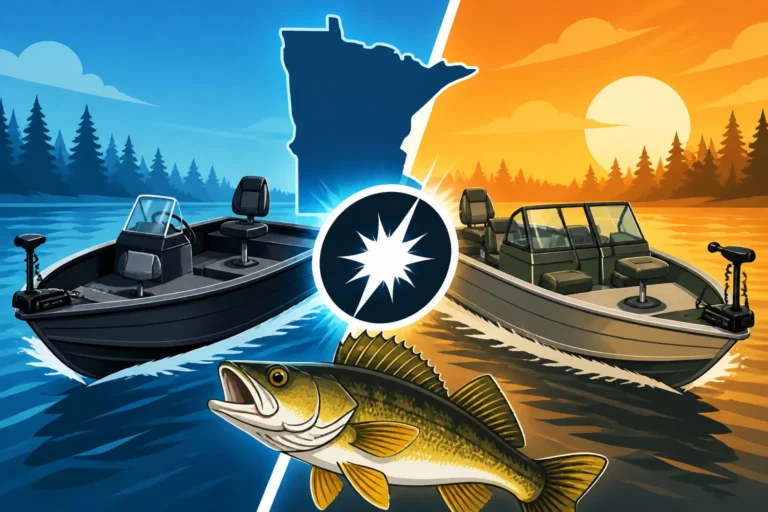
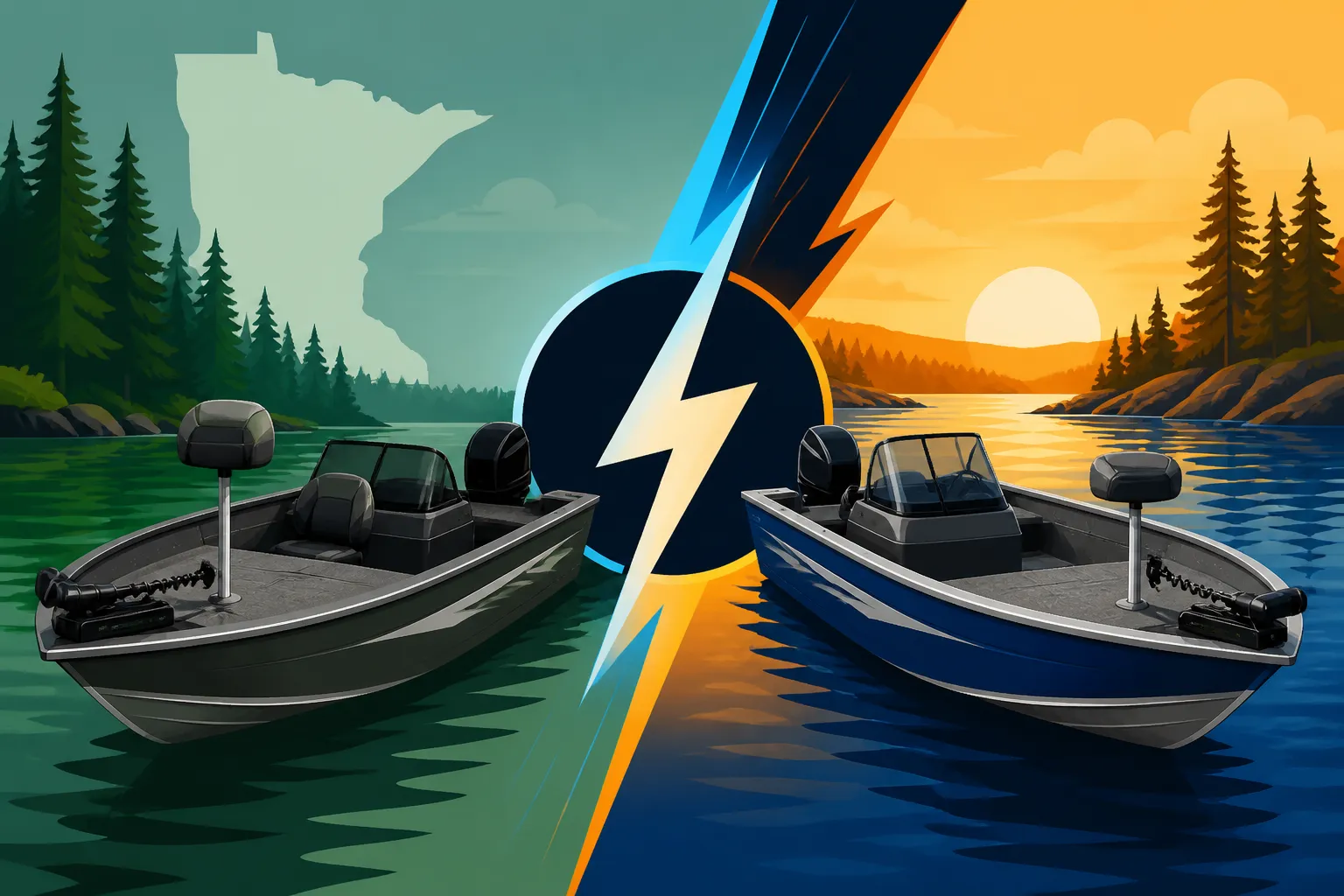
Choosing a new fishing boat is a huge decision, especially when you're eyeing two giants of the aluminum world like Lund and Crestliner. It's not just about getting on the water; it's about investing in a vessel that will reliably carry you across choppy walleye chop on Mille Lacs or through the shallow backwaters chasing bass. This guide will meticulously break down the differences and similarities between these two esteemed brands to help you navigate your purchase with confidence, tailored specifically for the rigorous demands of Minnesota fishing.
Lund and Crestliner: A Tale of Two Aluminum Titans
When you're out on the big lakes of Minnesota, you'll see a lot of aluminum boats, and chances are, a good number of them will be either a Lund or a Crestliner. Both brands have built impressive reputations, but they approach boat building with distinct philosophies that cater to slightly different preferences and priorities among anglers. Understanding these foundational differences is key to knowing which boat truly aligns with your fishing style and the waters you frequent.
The Lund Legacy: Precision and Performance
Lund Boats, often considered synonymous with serious fishing in the Midwest, has been a cornerstone of the aluminum boat market since 1948. Headquartered in New York Mills, Minnesota, Lund has deep roots in our state's fishing culture. They've built their reputation on precision engineering and a keen understanding of what anglers need. Many loyalists swear by Lund's ride, particularly their innovative hull designs, which aim for a drier, smoother experience in rough water.
Lund boats are largely known for their riveted hull construction, a method they've refined over decades to create robust yet flexible hulls. This approach, which involves fastening aluminum sheets with rivets, allows for a certain degree of flex that some argue helps absorb the shock of waves, leading to a more comfortable ride in the notoriously unpredictable conditions of lakes like Lake of the Woods or Lake Vermilion. Their IPS (Integrated Power Strake) and IPS2 hull designs are proprietary features specifically engineered to enhance lift, provide a drier ride, and improve stability at rest, which is a huge benefit when you're jigging for walleye or casting for muskie.
Crestliner's Core: Strength and Stability
Crestliner, another heavyweight in the aluminum boat arena, has been around since 1946. While Lund emphasizes a refined ride, Crestliner has historically staked its claim on sheer strength and unwavering stability. Their signature is the all-welded aluminum hull, a construction method that results in an incredibly rigid and robust structure. This solid, unitized construction is often touted for its exceptional durability and resistance to leaks, making it a favorite for anglers who demand a tough, no-nonsense workhorse of a boat.
Crestliner's all-welded hulls are built to withstand abuse, from bumping docks to navigating debris-filled waters. This rigidity contributes to a very stable fishing platform, whether you're standing on the bow casting for bass or moving around the boat to net a northern pike. While some argue the welded hull can sometimes translate to a slightly harsher ride in extreme chop compared to a riveted design, the trade-off for many is the peace of mind that comes with a boat built like a tank. Their innovative "all-welded, tongue-and-groove" construction minimizes stress points and maximizes structural integrity, an appealing feature for those who put their boats through rigorous use season after season.
Diving Deep into Construction: Welds, Rivets, and Beyond
The fundamental difference between many Lund and Crestliner models boils down to how their hulls are put together: riveted versus welded. This isn't just a technical detail; it profoundly impacts the boat's durability, ride quality, and how it performs under various fishing conditions. Let's unpack what these construction methods mean for you on the water.
Hull Design and Durability: The Great Debate
Most Lund boats feature a time-tested riveted hull. Imagine overlapping sheets of aluminum fastened securely with thousands of rivets. Lund has perfected this process, using high-strength aircraft-grade aluminum and meticulously spaced rivets to create a hull that is both strong and flexible. The argument for riveted hulls often centers on their ability to flex slightly when encountering waves, acting almost like a shock absorber. This subtle give can translate to a softer, drier ride, reducing the jarring impact that can wear you down during a long day of fishing on a windy day in Minnesota. For anglers often crossing large, open water on lakes like Lake of the Woods, this can be a significant comfort factor. The flexibility also, theoretically, allows the hull to better dissipate stress across its structure. However, the common concern, albeit largely anecdotal with modern Lunds, is the potential for rivets to loosen or leak over time, a worry Lund actively addresses with their quality control and extensive warranties.
Crestliner, on the other hand, is a champion of the all-welded hull. Here, aluminum sheets are fused together through welding, creating a monolithic, rigid structure. There are no rivets to loosen, and the hull effectively acts as one solid piece. This construction method is revered for its incredible strength and leak resistance. If you frequently navigate shallow, rocky areas, or if your boat might take a few bumps and scrapes throughout its life, the perceived "indestructibility" of a welded hull is highly appealing. The rigidity of a Crestliner's hull also contributes to its renowned stability at rest, a huge plus when you're standing on the deck, fighting a feisty smallmouth bass, or simply moving around with a buddy. While some anglers suggest an all-welded hull can deliver a harsher ride in choppy conditions due to its lack of flex, modern Crestliner designs, incorporating features like a reverse chine and varying deadrise angles, have worked hard to mitigate this, offering a surprisingly smooth experience for their robust build.
Interior Appointments and Finish
Beyond the hull, the interior layout and finish speak volumes about a boat's overall quality and fishability. Both Lund and Crestliner offer a range of options from basic tiller models to fully decked-out console boats, but their approaches to materials and ergonomics can differ.
Lund interiors often showcase a thoughtful blend of carpeted decks and vinyl flooring, aiming for comfort and noise reduction. Their seating is generally plush and supportive, designed for long hours on the water. Rod storage is typically abundant and well-organized, with dedicated compartments that secure your gear. They pay close attention to detail in their consoles, often integrating fish finders and electronics seamlessly. For instance, in a top-tier Lund Pro-V, you'll find ample space for multiple large screens, robust switch panels, and comfortable captain's chairs. The overall fit and finish tend to lean towards a slightly more refined, "premium" feel, with an emphasis on angler-centric features that enhance the fishing experience. You’ll find features like spacious livewells with bait buckets and advanced aeration systems, which are crucial for keeping your catch healthy until you reach shore, especially during the warmer months.
Crestliner interiors, reflecting their rugged philosophy, often feature more marine-grade vinyl and less carpet, making them exceptionally easy to clean after a messy day of fishing or hauling gear. Their seats are built for durability, often with a more utilitarian, yet comfortable, design. Storage compartments are robust, often roto-molded for longevity and watertight seals, perfect for keeping your gear dry even when you hit a rogue wave. Crestliner's consoles are designed for functionality, offering plenty of space for electronics and easy access to controls. They excel in creating open, spacious cockpits that allow for maximum freedom of movement, which is particularly valuable if you frequently fish with multiple people or if you're a muskie angler needing room for big casts. You’ll also notice their focus on deep cockpits and high gunwales, providing a sense of security, especially when fishing with kids or in bigger water. Many anglers appreciate the ease of maintenance and the sheer robustness of a Crestliner's interior, knowing it's built to take a beating and still look good.
On-Water Experience: Ride, Handling, and Fishing Utility
The true test of any fishing boat comes when it hits the water. How does it handle the chop? Is it stable when you're fighting a fish? Does the layout make sense when you're in the thick of it? These are the questions that truly matter to a Minnesota angler, and both Lund and Crestliner offer compelling, yet different, answers.
Navigating Minnesota's Diverse Waters
Minnesota's lakes are famously diverse, from the vast, open expanses of Red Lake to the intricate structure of Leech Lake and the swift currents of the Mississippi River. The choice between a Lund and a Crestliner can significantly impact your experience on these varying bodies of water.
Lund's reputation for a smooth, dry ride is largely due to its advanced hull designs, such as the IPS and IPS2. These hulls are engineered with a flatter running surface at the transom, which helps the boat plane quickly and ride higher out of the water. As the boat moves, strakes on the hull help deflect spray downwards, resulting in a significantly drier ride when you're cutting through waves. This is a noticeable advantage when you're running across a big lake with a stiff headwind, allowing you and your passengers to stay more comfortable and focused on the fishing. The precise handling and responsiveness of a Lund also make it a joy to navigate tight spots or make quick adjustments to stay on a hot bite. While they excel in open water, smaller Lund models are still nimble enough for more intimate lakes and rivers. Many anglers who spend significant time running in rough conditions, perhaps chasing walleye after the opener, will often gravitate towards the Lund's ride comfort.
Crestliner boats, with their all-welded, rigid hulls, are celebrated for their incredible stability both underway and at rest. Their reverse chine hulls create lift and deflect spray, while the deep V up front helps cut through waves. While some may perceive the ride as firmer in heavy chop compared to a riveted Lund, the trade-off is often superior stability, which is invaluable. Imagine you're standing on the bow, jigging for walleye, and a boat speeds by, kicking up a large wake. A Crestliner tends to recover quickly and remain exceptionally stable, inspiring confidence. This stability also translates to a very secure feeling when you're fighting a big muskie or reeling in a powerful lake trout. For those who prioritize a rock-solid platform for casting, standing, and moving about the boat, especially in situations where you're often standing or have multiple anglers aboard, Crestliner's stability is a major selling point. They also have a fantastic reputation for durability against rough handling, which can be an unexpected bonus if you frequently launch from unimproved ramps or encounter submerged hazards.
Angler-Focused Features and Layout
Both brands understand that a fishing boat needs to be more than just a means of transport; it needs to be a highly functional fishing machine. They offer a wealth of features designed to enhance your time on the water.
Lund boats typically come with a host of angler-friendly features that are well-integrated and intuitively placed. Their livewells are often aerated and lighted, strategically located for easy access, and some even include separate baitwells. Rod lockers are usually lockable, wide, and deep, capable of swallowing multiple lengthy rods, keeping them protected during travel and while fishing. Storage compartments are thoughtfully designed for tackle boxes, safety gear, and personal items. Many Lund models also feature a spacious bow area that converts from casting deck to seating, offering flexibility. For serious walleye anglers, the attention to detail in terms of tackle storage, cooler placement, and even the ergonomics of the console can make a big difference in long tournament days. Their layouts are often optimized for specific fishing styles, with dedicated models like the Pro-V series designed for competitive angling and the Crossover series for family versatility. If you're looking for a boat where every detail feels like it was designed by a fellow angler, Lund often hits the mark.
Crestliner also excels in providing robust, practical fishing features, often with an emphasis on durability and ease of use. Their livewells are equally well-appointed, often larger in capacity on comparable models, and built with rugged, easy-to-clean materials. Crestliner's rod storage is also excellent, frequently featuring side-rod lockers that can accommodate long rods without overlap, and some models offer a unique "SureMount" gunnel accessory system that allows for easy, tool-free attachment of rod holders, cup holders, and other accessories. This modularity is fantastic for customizing your setup for different fishing scenarios without drilling into your boat. Storage compartments are often large, dry, and built with heavy-duty latches, providing peace of mind when storing valuable gear. Their open deck plans and generous cockpits make them ideal for multiple anglers or when you need ample space to spread out gear for specialized fishing, such as muskie fishing with oversized lures. Both Bass Pro Shops and other marine dealers often highlight the practical, no-nonsense approach of Crestliner's layouts, which appeal to anglers who prioritize functionality and robustness.
| Feature | Lund (Typical) | Crestliner (Typical) |
|---|---|---|
| Hull Construction | Primarily Riveted (some welded models available) | Exclusively All-Welded |
| Ride Quality | Often praised for softer, drier ride in chop (flex) | Known for stable, solid ride (rigidity) |
| Hull Rigidity | Slight flex in riveted design | Extremely rigid, unitized structure |
| Durability Focus | Refined engineering, long-term performance | Heavy-duty build, impact resistance |
| Stability at Rest | Excellent, aided by IPS/IPS2 | Exceptional, very solid platform |
| Interior Finish | Mix of carpet/vinyl, refined, comfortable seating | More marine-grade vinyl, utilitarian, easy-clean |
| Rod Storage | Ample, often deep & wide dedicated lockers | Ample, often side-rod lockers, SureMount accessory sys |
| Livewells | Aerated, lighted, often with baitwells | Large capacity, robust, easy to clean |
| Resale Value | Historically strong in the Midwest | Strong, recognized for durability |
The Ownership Equation: Cost, Customization, and Resale
Beyond the initial purchase, owning a fishing boat involves considering long-term value, how well it can be tailored to your specific needs, and what kind of support you can expect down the road. Both Lund and Crestliner are significant investments, and understanding these aspects will help you make a decision that feels right for years to come.
Price Point and Standard Features
When you start comparing prices, you'll find that both Lund and Crestliner generally fall into similar price ranges for comparable models and sizes. However, there can be subtle differences in what comes standard and where the options start to add up. Both brands offer a spectrum of boats, from entry-level utility models to high-end multi-species machines. For instance, a basic 16-foot tiller package might start in the low to mid-$20,000s, while a fully rigged 20-foot multi-species boat with a large outboard, premium electronics, and a powerful trolling motor could easily push into the $70,000-$100,000+ range.
Lund often includes a strong package of features geared towards performance and comfort as standard, with options focused on further enhancing the fishing experience or adding luxury touches. They might offer different console designs, various seating upgrades, or more advanced livewell systems as part of trim packages. Crestliner, with its emphasis on ruggedness, might include heavier gauge aluminum, reinforced transoms, or larger fuel tanks as standard features on some models, emphasizing utility and durability. When you're browsing at a dealer like Bass Pro Shops or even researching models online through sites like Amazon for aftermarket accessories, it's crucial to compare the "out-the-door" price of similarly equipped boats, as standard features can vary significantly. Don't just look at the base price; factor in the cost of a good trailer, necessary electronics like a quality fish finder, and any specific fishing accessories you deem essential.
Customization Options and Dealer Network
Both manufacturers offer a degree of customization, allowing you to personalize your boat to some extent. This often comes in the form of selecting engine size and brand (Mercury, Yamaha, Suzuki, etc.), choosing specific electronics packages (Garmin, Humminbird), and picking out interior colors and flooring options. Some models also allow for flexible seating arrangements or the addition of specialized fishing components like downrigger mounts or extra rod holders.
The dealer network is another critical consideration, especially for Minnesota anglers. Having a reputable, knowledgeable dealer nearby can make all the difference, from seamless purchase and rigging to reliable service and warranty support. Both Lund and Crestliner have extensive dealer networks across Minnesota and the Midwest. It’s always a good idea to research local dealers, read reviews, and talk to other boat owners in your area to gauge their service reputation. A good dealer will not only help you choose the right boat but will also be there to assist with maintenance, winterization, and any repairs, ensuring your time on the water is maximized. If you're buying a used boat, knowing where to find reliable parts or service for a Lund vs Ranger Fishing Boats or any other brand can save you headaches.
Resale Value and Long-Term Ownership
For many, a boat is a significant long-term investment, and considering its resale value down the line is a smart move. Both Lund and Crestliner have historically held their value exceptionally well in the Midwest, a testament to their quality and strong brand recognition. Lund, in particular, has an almost legendary resale value, often commanding a premium on the used market. This strong demand for used Lunds means that your initial investment is likely to retain a significant portion of its value when it comes time to upgrade or sell.
Crestliner also enjoys robust resale value, particularly because of its reputation for durability and all-welded construction. Many buyers on the used market appreciate the peace of mind that comes with a boat built to last, often viewing the welded hull as a key advantage for longevity. The perceived lower maintenance associated with a welded hull can also be an attractive factor for prospective buyers. Ultimately, both brands represent sound investments, and the decision often comes down to personal preference for ride, stability, and specific feature sets. Choosing a well-maintained boat from either brand, especially one equipped with reliable Best Fishing Boats for Minnesota: Lund, Ranger & More type components, will likely serve you well for many years and provide a solid return on investment if you ever decide to part with it.
Disclaimer
The information provided in this guide is for general informational purposes only and does not constitute professional advice. While we strive to provide accurate and up-to-date information, boat specifications, features, and pricing can change frequently. Always consult with authorized dealers and manufacturers for the most current details and to make decisions based on your specific needs and circumstances. Fishing regulations and safety guidelines should always be followed.