Lund vs Ranger Fishing Boats
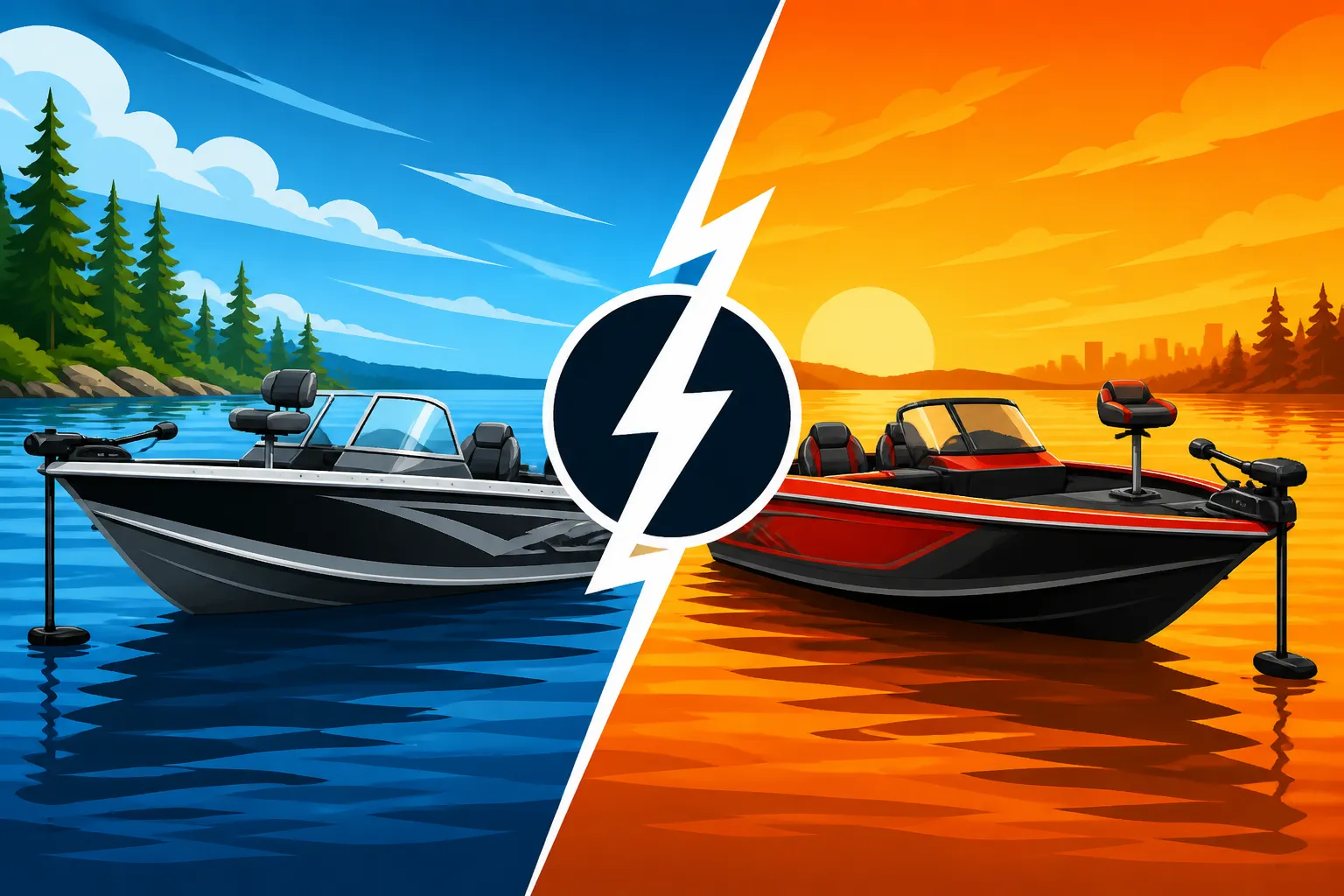
Choosing a new fishing boat can feel like navigating a maze blindfolded, especially when you're trying to weigh two titans of the industry like Lund and Ranger. It's a significant investment, and you want to be sure you're getting the perfect vessel to match your angling dreams, whether that's battling big walleye on Mille Lacs or chasing bass in a backwater slough. This guide will meticulously break down the differences and similarities between Lund and Ranger fishing boats, helping you cut through the marketing jargon and make an informed decision that you'll be happy with for years to come.
The Legacy Battle: Lund vs. Ranger
When it comes to serious fishing boats, the names Lund and Ranger are practically whispered with reverence in bait shops and on docks across Minnesota and beyond. They both represent decades of dedication to anglers, but their philosophies, and thus their boats, have evolved along slightly different paths. It's not just about aluminum versus fiberglass; it's about what kind of fishing experience you prioritize.
Brand Philosophy and Angler Identity
Lund boats, born and bred in the heart of Minnesota's lake country, have long been synonymous with rugged practicality, versatility, and the ability to handle a wide range of fishing conditions. They are the workhorses of the North, designed for the angler who might be jigging for walleye on a choppy day, then taking the family out tubing the next. Lund’s heritage is deeply rooted in aluminum fishing boats, known for their stability, spacious layouts, and adaptability for both serious fishing and family recreation. When you think of a classic Minnesota fishing boat, often a Lund comes to mind – dependable, no-nonsense, and ready for whatever the lake throws at it. Many anglers feel a deep connection to the brand, viewing it as a tool that has supported generations of fishing adventures, from the early days of the Minnesota Walleye Opener 2026 to modern tournaments.
Ranger Boats, on the other hand, established their formidable reputation in the bass fishing world down south, building high-performance, sleek fiberglass machines designed for speed, precise handling, and competition. While they've expanded into multi-species and aluminum lines, their core identity remains tied to that competitive edge. Ranger boats are often seen as precision instruments, crafted for serious anglers who demand top-tier performance, whether it's navigating rough tournament waters or making pinpoint casts. The fiberglass construction allows for more complex hull designs and integrated features that cater to the most demanding anglers, often with an eye toward creature comforts and a more luxurious feel.
Construction and Durability
The most fundamental difference between Lund and Ranger traditionally lies in their primary construction materials: Lund largely focuses on aluminum, while Ranger built its name on fiberglass. However, both brands have diversified. Lund now offers some fiberglass models, and Ranger has developed an impressive aluminum line.
Aluminum Construction: The Lund Standard
Lund's aluminum boats are celebrated for their strength-to-weight ratio and resilience. The company employs techniques like their IPS (Integrated Power Strake) and IPS2 hulls, which are designed to lift the boat out of the water faster, provide a drier ride, and offer enhanced stability, especially when drifting or fighting fish. The double-riveted hull construction, a hallmark of Lund, is engineered to withstand the relentless pounding of waves and years of hard use. Many anglers appreciate aluminum for its ding resistance; a minor impact might dent fiberglass, but aluminum often just flexes. They are generally lighter, making them easier to tow and launch, and more fuel-efficient. This makes them a popular choice for those who frequently travel to various lakes or might not have a massive tow vehicle. For instance, if you're exploring different waters in search of the Best Walleye Fishing Tactics in Minnesota, the ease of transport with an aluminum boat is a huge plus.
Fiberglass Construction: The Ranger Heritage
Ranger's fiberglass boats are renowned for their incredible ride quality in rough water, often described as slicing through waves rather than pounding over them. This is due to the inherent stiffness and weight of fiberglass, which allows for deeper V-hulls and more complex, hydrodynamically efficient designs. The "poured-in foam" construction provides flotation, adds structural rigidity, and significantly dampens hull noise, contributing to a quieter ride and a more solid feel. This dense construction also means excellent insulation, which can be a boon for livewells, keeping your catch fresh. While fiberglass can be more susceptible to gel coat chips and spider cracks from impacts, it's also highly repairable. The heavier weight often translates to a smoother ride in chop, but it also means a more substantial tow vehicle and potentially higher fuel consumption.
Performance on the Water
The true test of any fishing boat comes when it hits the water. How it handles, how it performs under power, and how it feels to fish from are critical factors in deciding which vessel is right for you. Both Lund and Ranger excel, but in different ways.
Ride Quality and Handling
When you're out on a big, windy lake like Lake of the Woods or even a smaller body of water that can get churned up, the ride quality of your boat makes a massive difference, both for comfort and safety.
Lund's Stable and Dry Ride
Lund aluminum boats, particularly their larger models, are designed to offer a remarkably stable and dry ride for their class. The IPS and IPS2 hulls, with their wide beams and aggressive chines, deflect spray effectively, keeping passengers dry even in a decent chop. While an aluminum boat might not "cut" through waves quite like a heavy fiberglass rig, Lund's designs do a fantastic job of riding over the chop, maintaining stability. Their tiller models, like the Lund Pro Guide, are especially prized for their exceptional control and maneuverability at slow speeds, which is crucial when working a weed line for bass or holding position over a specific piece of structure. Many anglers appreciate this stability when fighting a strong fish or moving around the boat to net a trophy.
Ranger's Smooth, "Cadillac" Ride
Ranger fiberglass boats are often lauded for their "Cadillac ride" — a smooth, quiet, and incredibly comfortable experience, even in notoriously rough conditions. The deeper V-hulls and heavier construction of their fiberglass models allow them to slice through waves with minimal pounding, reducing fatigue on long runs across big water. This is particularly noticeable on lakes known for getting rough quickly, like those in the Brainerd Lakes Area. Their precise steering and confident handling at speed make them feel incredibly secure, even when crossing large wakes or navigating tight turns. For anglers who often face big water or prioritize top-end comfort during high-speed travel, a Ranger fiberglass boat can feel like an absolute dream.
Speed and Efficiency
For many anglers, getting to the hot spot quickly is important, but so is not emptying your wallet at the gas pump every trip.
Lund's Balanced Approach
Lund's lighter aluminum construction generally translates to better fuel efficiency and impressive hole shot (how quickly the boat gets on plane) with comparable horsepower. They are typically easier to push, meaning you can often achieve good performance with a slightly smaller outboard, which can save you money upfront and at the pump. While top speeds might be a touch lower than an equivalent fiberglass boat with the same power, Lunds are still quick enough to cover vast expanses of water efficiently. Their ability to handle well at slower speeds is also a big plus for trolling or delicate boat positioning. Many weekend anglers appreciate this balance, getting them to their favorite spots for Walleye Fishing in Minnesota without breaking the bank on fuel.
Ranger's Power and Performance Focus
Ranger's fiberglass boats, especially their bass and multi-species models, are often rigged for maximum performance. Their hulls are designed to extract every bit of speed and efficiency from powerful outboards, making them incredibly fast on the water. While they require more horsepower to achieve plane and top speeds due to their heavier build, once up and running, they are incredibly efficient at those higher speeds. This is crucial for tournament anglers who need to make long runs in limited time. The heavier hull and superior tracking also mean they can handle larger motors more effectively, delivering exhilarating acceleration and a feeling of immense power.
Features and Functionality
Beyond the basic ride, the thoughtful integration of fishing-specific features and overall comfort can make or break your on-the-water experience. Both brands excel here, but with slightly different philosophies.
Interior Layout and Storage
A well-designed interior can transform a good fishing trip into a great one, providing easy access to gear and a comfortable platform for battling fish.
Lund's Spacious and Adaptable Layouts
Lund boats are renowned for their incredibly practical and spacious layouts. Their open floor plans, often featuring removable seats and abundant bow and stern casting decks, offer maximum versatility. Rod storage is typically generous, with side rod lockers and center rod lockers accommodating multiple rods up to 8 or 9 feet. Livewells are often large, well-aerated, and positioned for easy access, catering to multi-species anglers who might keep walleye, bass, or panfish. The flat, wide decks provide excellent stability for standing and casting, making them a favorite for those who enjoy a variety of fishing styles, from pitching jigs to trolling crankbaits. The option for removable jump seats also means Lunds transition seamlessly from a serious fishing machine to a comfortable family cruiser. You can often find an array of accessories and gear to optimize your Lund's storage at places like Bass Pro Shops or online retailers like Amazon.
Ranger's Purpose-Built and Integrated Storage
Ranger boats, particularly their bass and multi-species fiberglass lines, are famous for their incredibly organized, purpose-built storage solutions. Every compartment seems to have a specific design and purpose, from massive rod lockers that can hold a dozen or more rods of varying lengths, to spacious tackle storage systems that keep everything neatly in its place. The dry storage compartments are genuinely dry, often featuring gasketed lids and robust latches. Their livewell systems are legendary, with advanced aeration, recirculation, and pump-out features designed to keep tournament-winning fish healthy. The focus is on maximizing fishing efficiency and providing a clutter-free, high-performance platform. The integration of seating and consoles is often sleeker, providing a more cockpit-like feel that enhances the sense of control.
Electronics Integration and Customization
In today's world, fishing boats are essentially floating computers, with sophisticated electronics being as important as the motor.
Lund's Practical Electronics Setup
Lund boats offer practical and robust solutions for integrating modern marine electronics. Their wide gunwales and spacious dash areas provide ample room for mounting multiple large fish finders and GPS units, such as those discussed in our Best Fish Finders & Electronics for Minnesota Fishing guide. Wiring harnesses are generally well-organized, making it relatively straightforward for owners or dealerships to install additional electronics, including bow-mounted trolling motors with integrated sonar. While they might not always come with the most advanced factory-installed systems, their adaptability makes it easy for anglers to customize their electronics suite to their specific needs and preferences. Companies like Minn Kota offer a wide range of trolling motors that integrate perfectly with Lund's robust bow designs.
Ranger's Advanced Electronics Integration
Ranger boats often boast some of the most advanced factory electronics installations in the industry. Their dashes are typically designed with specific cutouts for flush-mounting large-screen displays, giving a clean, integrated look. Wiring is meticulously routed and often shielded, minimizing interference and ensuring reliable performance from sophisticated units like Garmin LiveScope or Humminbird MEGA Live. Many Ranger models come pre-wired for multiple units at the bow and console, simplifying the installation of complex networks. The emphasis is on providing a turnkey, high-performance electronics package that is ready for serious tournament angling right off the showroom floor.
Comfort and Amenities
Long days on the water demand a certain level of comfort, whether it's ergonomic seating or thoughtful touches that enhance the overall experience.
Lund's Functional Comfort
Lund boats prioritize functional comfort. Their seats are often durable and supportive, designed for long hours of fishing but also comfortable enough for family outings. Walk-through windshields on some models offer excellent protection from wind and spray, a definite plus on cold mornings or late evenings. While not always boasting luxury finishes, Lunds are built for practical use, with easy-to-clean surfaces and robust hardware that stands up to the elements. They offer a no-frills, get-the-job-done comfort that resonates with many anglers who prefer function over flash.
Ranger's Refined Comfort
Ranger boats, particularly their fiberglass lines, often step up the comfort game with more refined amenities. Premium seating with hydraulic pedestals, plush upholstery, and ergonomic designs are common. Detailed consoles often feature digital gauges, integrated switches, and even phone charging ports. Built-in coolers, custom carpeting, and high-quality finishes contribute to a more luxurious feel. While this might come with a higher price tag, the enhanced comfort can make a significant difference on long days or in challenging conditions, reducing fatigue and allowing you to focus more on the fishing.
Cost of Ownership and Resale Value
Let's be realistic, boats are a significant investment. Understanding the financial aspects, both upfront and long-term, is crucial.
Initial Price Point
When you first start looking, you'll quickly notice that Lund and Ranger occupy different price points, especially when comparing their core offerings.
Lund's Accessible Entry
Generally speaking, Lund's aluminum boat lineup tends to be more accessible in terms of initial purchase price compared to Ranger's fiberglass models. A well-equipped Lund aluminum boat can represent a fantastic value, offering immense fishing capability without the premium associated with fiberglass. This makes Lund an attractive option for many anglers, from those upgrading from a smaller craft to families looking for a versatile boat that won't break the bank. Even some of Lund's larger, more feature-rich aluminum boats, while substantial investments, can still be more affordable than entry-level fiberglass options from competitors. If you're looking for a Best Fishing Boat Under $30,000 in Minnesota, a Lund aluminum model will likely be a strong contender.
Ranger's Premium Investment
Ranger's fiberglass boats often command a higher price tag. This premium reflects the cost of materials, the labor-intensive construction process of fiberglass, and the advanced features and finishes. While Ranger also offers aluminum boats that compete more directly on price with Lund's aluminum lines, their flagship fiberglass models are squarely in the luxury performance category. Buyers of Ranger fiberglass boats are typically looking for the absolute best in ride, performance, and integrated features, and are willing to pay for that top-tier experience.
Maintenance and Long-Term Value
The cost doesn't stop at the purchase price. Maintenance, insurance, and eventual resale value also play a role.
Lund's Low-Maintenance Appeal
Lund aluminum boats are often praised for their relatively low maintenance. Aluminum is corrosion-resistant, and small scratches or dings are less of a concern than with gel-coat on fiberglass. Cleaning is generally straightforward, and winterization for a Lund is similar to most other outboards. Their robust construction means they hold up well to years of use. Regarding resale value, Lunds are incredibly popular in the upper Midwest. A well-maintained Lund, especially a popular model, tends to hold its value exceptionally well, often selling quickly in the used market. This strong resale is a significant benefit to owners.
Ranger's Long-Term Value and Care
Ranger fiberglass boats, while durable, do require a bit more attention to maintain their pristine appearance. Gel-coat care, waxing, and promptly addressing any chips or scratches are part of fiberglass ownership. However, if maintained properly, fiberglass boats can look nearly new for decades. The heavier hull can also be slightly more costly to repair if significant damage occurs, though the repairs themselves are often less noticeable than on aluminum. In terms of resale, Ranger boats also command excellent value, especially their bass boat lines. Their reputation for quality and performance ensures strong demand, making them a solid investment for those who appreciate their specific attributes.
Here’s a quick overview of some key differences:
| Feature | Lund (Typical Aluminum Models) | Ranger (Typical Fiberglass Models) |
|---|---|---|
| Primary Material | Riveted or Welded Aluminum | Fiberglass with Poured-in Foam |
| Ride Quality | Stable, relatively dry, good in chop (rides over) | Smooth, quiet, excels in rough water (slices through) |
| Durability | Resilient to dings, lower maintenance | Very strong, excellent finish, susceptible to gel coat chips |
| Weight | Lighter, easier to tow and launch | Heavier, requires stronger tow vehicle |
| Fuel Efficiency | Generally better with equivalent horsepower | Good at speed, but often requires more HP to perform optimally |
| Layout | Open, versatile, adaptable for multi-species/family | Purpose-built, highly organized, often tournament-focused |
| Storage | Generous, practical rod lockers | Highly integrated, specialized, truly dry compartments |
| Electronics | Adaptable, ample mounting space, easy to add upgrades | Highly integrated, often factory-flush mounted, meticulous wiring |
| Price Point | Generally more accessible, excellent value | Premium, higher initial investment |
| Resale Value | Excellent, strong demand, especially in the Midwest | Excellent, strong demand, especially among performance anglers |
| Primary Focus | Versatile multi-species, family recreation, northern lakes | High-performance bass/multi-species, tournament fishing, comfort |
Who is Each Boat For?
Ultimately, the choice comes down to your priorities, your budget, and the kind of fishing you love most. There’s no single "best" boat, only the best boat for you.
Why Choose a Lund
You should lean towards a Lund if you're an angler who values versatility, durability, and a boat that can truly do it all on Minnesota's diverse waters. If you envision yourself spending a day jigging for crappies in a shallow bay, then heading out to troll for walleye on a main lake point, and perhaps taking the kids out for a tube ride in the afternoon, a Lund is probably your perfect match. They are phenomenal multi-species boats, designed to handle the unpredictable weather and varied conditions of northern lakes. Their aluminum construction makes them easier to tow to those remote lakes or launch on less-than-perfect ramps. If you appreciate a strong resale market and a boat that feels like a trusty companion, a Lund is a fantastic choice. Many anglers specifically seek out a Lund, or perhaps an Alumacraft, for their blend of practicality and legendary reliability.
Why Choose a Ranger
A Ranger, especially a fiberglass model, is likely your calling if you prioritize top-tier performance, a supremely smooth ride in rough water, and a highly organized, tournament-ready platform. If your fishing typically involves long runs across big water, competitive angling, or simply demanding the absolute best in precision and comfort, Ranger delivers. Their meticulous attention to detail in storage, livewell systems, and electronics integration caters to the serious angler who wants every advantage. While they come with a higher price tag, the experience of running and fishing from a Ranger fiberglass boat is often described as unparalleled. If you're spending countless hours chasing trophy fish and need a boat that feels like an extension of yourself, a Ranger could be the ultimate fishing machine for your pursuits, perhaps even when you're targeting that Minnesota State Record Muskie.
Ultimately, both Lund and Ranger build exceptional fishing boats that have earned their legendary status for good reason. The "best" choice really depends on what kind of angler you are, the type of water you fish most often, and what you value most in your time on the lake. Consider test driving models from both brands if possible, and don't hesitate to visit local dealerships to compare layouts and features firsthand.
Disclaimer
Please remember that fishing regulations, boat models, and features can change. Always consult the most current Minnesota Department of Natural Resources (DNR) regulations and specific boat manufacturer specifications when making purchasing decisions or planning your fishing trips. This guide is for informational purposes only.