Lake Winnie Perch Fishing
Lake Winnibigoshish, affectionately known as "Winnie" by those who love it, can be an incredibly rewarding lake for perch anglers, but its sheer size and diverse structure can also make finding those elusive schools a real head-scratcher. Many anglers struggle to pinpoint where the jumbo yellow perch are holding, often resorting to guesswork rather than informed strategy. This comprehensive guide is designed to cut through that confusion, giving you the insider knowledge and practical techniques you need to consistently locate and catch yellow perch on Lake Winnie, no matter the season.
Understanding Lake Winnibigoshish's Renowned Perch Fishery
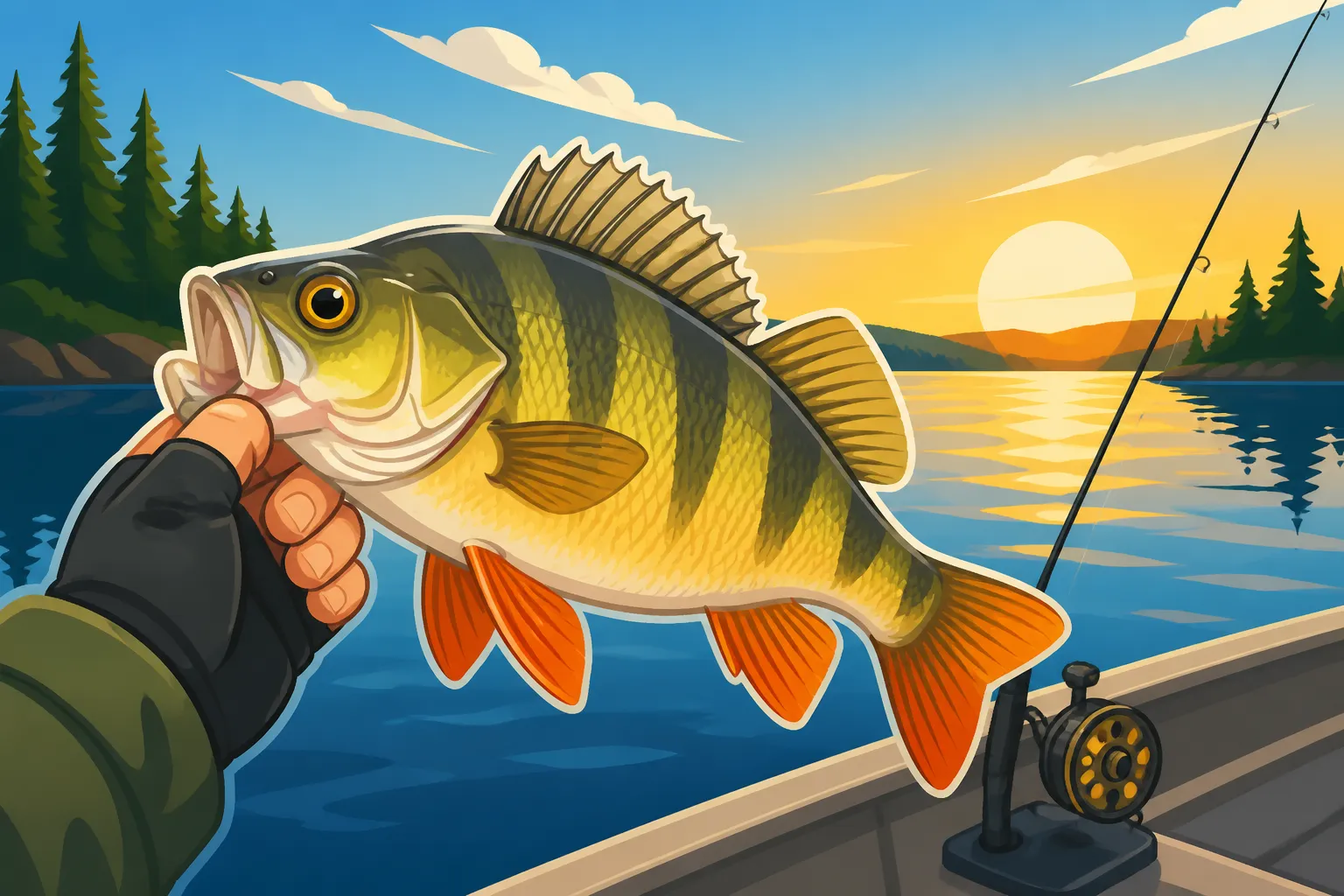
Lake Winnibigoshish isn't just a big lake; it's an ecosystem renowned for its robust and healthy yellow perch population. Often overshadowed by its walleye fame, Winnie’s perch fishery is a true gem, offering anglers opportunities for both abundant numbers and impressive sizes. These aren't just tiny baitfish; Winnie is known for producing "jumbo" perch that can stretch over 10 inches, providing a fantastic fight and excellent table fare.
Why Winnie is a Perch Paradise
The reason Winnie consistently produces quality perch boils down to several key factors. First, it’s a relatively shallow, fertile lake with an average depth of around 15 feet, though it plunges to over 70 feet in some spots. This diverse depth range provides a multitude of habitats for perch throughout the year. Second, it boasts vast expanses of prime habitat, including large areas of sand grass, submerged vegetation, and extensive mud flats. These areas are teeming with invertebrate life and baitfish, offering an endless buffet for growing perch. Finally, a healthy walleye population helps keep the perch numbers in check, reducing competition and allowing the remaining perch to grow larger. If you're looking to understand the broader fishery, a good read is our general guide on Lake Winnibigoshish (Winnie) Fishing Guide.
Typical Perch Size and Health on Winnie
On a good day on Winnie, you can expect to catch perch ranging from 7 to 10 inches, with plenty of opportunities for those coveted 10-12 inch "jumbos." While not every fish will be a trophy, the consistency of finding decent-sized perch is what keeps anglers coming back. The Minnesota DNR actively monitors the perch population in Winnie, and their assessments generally show a healthy, well-managed fishery with good growth rates. The perch are typically vibrant and feisty, a testament to the lake's rich environment. Knowing how to identify them correctly is also key; you can brush up on your skills with our Yellow Perch & Sauger in Minnesota identification guide.
Seasonal Strategies for Perch Success on Lake Winnie
Perch on Lake Winnie are migratory, constantly moving to find food and optimal conditions. Understanding these seasonal movements is crucial for consistent success. Each season presents unique challenges and opportunities, demanding a flexible approach to your fishing strategy.
Spring: Post-Spawn Feast
As the ice retreats and water temperatures begin to climb in late April and May, Winnie's perch transition from their spawning grounds. They typically spawn in shallow, vegetated areas and then move to slightly deeper flats and weed lines to recover and feed aggressively. This post-spawn period is a fantastic time for numbers, as the fish are hungry and often schooled up.
Anglers should focus on the edges of large bays and along the first major break lines leading into deeper water. Areas with emerging new weed growth, particularly sand grass, will hold a lot of baitfish and, consequently, hungry perch. A key frustration here can be unpredictable weather; cold fronts can push fish deeper, requiring a quick adjustment. Many guides available through services like FishingBooker specialize in targeting these post-spawn patterns, offering invaluable local knowledge. For those interested in other species during this time, our guide on When Does Walleye Season Open in Minnesota 2026? might be helpful, as many species become active.
Summer: Deep Water and Weed Line Exploration
Once summer truly sets in and water temperatures peak, Winnie's perch disperse more but also establish predictable patterns around specific structures. Many will retreat from the super-shallow waters to deeper weed lines, humps, points, and even extensive mud flats in 15-30 feet of water. They'll relate to structure that offers both cover and access to food sources like bloodworms and various insect larvae.
During summer, precision becomes paramount. Look for submerged islands, humps, and points that top out in 10-20 feet of water, often surrounded by deeper basins. The edges of large weed beds, particularly those with deep-water access, are also key. Electronic mapping and sonar are your best friends here, helping you identify subtle changes in bottom contour and locate schools of baitfish, which perch will inevitably follow.
Fall: Aggressive Feeding Frenzy
As fall approaches and water temperatures begin to drop, Winnie's perch enter a pre-winter feeding frenzy. They school up tightly and become incredibly aggressive, trying to pack on weight for the lean winter months. This is often when the biggest perch are caught, as they are actively chasing baitfish.
Focus your efforts on mid-lake humps, prominent points, and the edges of expansive mud flats, especially those near deep water. Perch will often follow schools of tullibee and ciscos, which are also fattening up. During this time, covering water with faster presentations can be very effective. This is an excellent time to book a trip through FishingBooker for a chance at some true Winnie jumbos, as local guides know precisely where these massive schools congregate. Understanding Seasonal Fishing Patterns in Minnesota can further enhance your fall fishing success across all species.
Winter: Ice Fishing Hotspots
Lake Winnie transforms into an ice fishing mecca during the winter, and perch are a prime target. Perch activity can be excellent from early ice until late season, provided you know where to look. They’ll often hold in deeper flats, along breaklines, and near specific structures that concentrate forage.
Early ice often finds perch in shallower bays and along weed lines, similar to late fall. As winter progresses and oxygen levels change, they'll typically move to deeper main lake basins, vast mud flats (especially those with gravel or sand patches), and the steep edges of humps and points. Areas with historical access points or popular resorts often have known perch spots, but don't be afraid to venture out with a portable shelter and find your own. For a deeper dive into techniques for this season, check out our Ice Fishing in Minnesota: Complete Beginner-to-Pro Guide.
Top Techniques and Baits for Winnie Perch
Catching perch on Lake Winnie often comes down to presenting the right bait or lure in the right way. Perch, while often aggressive, can also be finicky, requiring a subtle approach.
Essential Gear and Terminal Tackle
You don't need heavy-duty gear for Winnie perch. A light to medium-light action spinning rod (6' to 7' for open water, 28-32" for ice fishing) with a sensitive tip is ideal. Pair it with a small spinning reel spooled with 4-6 lb monofilament or fluorocarbon line. Many anglers prefer a braided main line with a fluorocarbon leader for added sensitivity and abrasion resistance, especially around underwater weeds.
When it comes to terminal tackle, small jigs are king. Think 1/32 oz to 1/8 oz jig heads. Small spoons, jigging raps, and tiny blade baits also work wonders, especially for actively feeding fish. Having a good variety of colors – chartreuse, glow, pink, orange, and naturalistic silver/gold – will cover most situations.
Live Bait: The Perch Magnet
Nothing beats live bait for consistently catching perch. The natural scent and action are often irresistible.
- Minnows: Small fatheads or crappie minnows are perch candy. You can tip your jig with a whole minnow or just a minnow head. For ice fishing, deadsticking a minnow just off the bottom is a classic Winnie perch move.
- Worms: Wax worms, euro larvae, and spikes are excellent for tipping jigs, especially tungsten jigs for ice fishing or small plastics for open water. Their wiggling action and subtle scent can entice even the most cautious perch.
- Leeches: While more commonly associated with walleye, small leeches can also tempt perch, particularly in warmer summer months. For more on general live bait use, consider our guide on Best Live Bait for Walleye (Leeches, Minnows, Crawlers).
Artificial Lures: When to Go Aggressive
Sometimes, perch are aggressive enough to chase down artificial lures, and these can be more efficient for covering water or triggering reaction bites.
- Jigs with Plastics: Tiny soft plastic baits, such as Mister Twister Sassy Shads, Berkley Gulp! Minnows, or various micro-finesse plastics, rigged on a small jig head, can be incredibly effective. The key is to match the hatch and experiment with tail actions and colors.
- Spoons and Blade Baits: Small spoons (like Northland Tackle Forage Minnows or Acme Kastmasters) and blade baits (like Rapala Jigging Raps or VMC Tingler Spoons) are fantastic for vertical jigging, especially over deeper structure or through the ice. Their flash and vibration can call in fish from a distance.
- Slip Bobber Rigs: When perch are suspended or you want a stealthier presentation, a slip bobber rig with a small jig and live bait is hard to beat. It allows you to present your bait precisely at the desired depth without spooking wary fish. Learn more about this technique in our article on How to Use a Slip Bobber for Walleye & Crappie.
Pinpointing Perch Hotspots on Lake Winnibigoshish
Lake Winnie's vastness can be intimidating, but understanding its common fish-holding structures will help you narrow down your search for perch. It's not about finding one secret spot; it's about recognizing the types of areas where perch consistently reside.
Key Structures and Habitats
Winnie offers a smorgasbord of structure, each appealing to perch at different times and under varying conditions.
- Mud Flats: These expansive, relatively featureless areas are critical perch habitat, especially in winter. Look for subtle transitions on the mud, like harder bottom spots (gravel, sand patches) or areas with slightly more contour. These variations attract invertebrates and baitfish, which in turn attract perch.
- Weed Lines and Sand Grass: The edges of submerged weed beds, particularly the abundant sand grass, are prime targets. Perch use these for cover, ambush points, and as feeding grounds. Focus on the deep-water side of these lines, especially where they meet a break.
- Humps and Points: Any elevated structure, whether a submerged hump or a point extending into the lake, will concentrate fish. Perch will often school on the top or along the break of these structures. Again, look for transitions in bottom content.
- Shallow Bays: During spring and early summer, and again in late fall, the shallower, warmer waters of bays provide ample food and cover. Areas with darker bottom, like muck or sand with some scattered weeds, warm up faster and attract baitfish.
Using Electronics to Your Advantage
In a lake as big as Winnie, electronics are indispensable. A good fish finder with GPS and detailed lake mapping (like Navionics or LakeMaster charts) will save you countless hours.
- Side Imaging/Down Imaging: Use these features to scan broad areas quickly for schools of baitfish or subtle bottom transitions that might indicate a perch hangout.
- 2D Sonar: Keep an eye on your traditional sonar to mark fish arches, particularly when idling over potential spots. Look for bait balls, which often indicate predators like perch are nearby.
- GPS Waypoints: Once you find a productive area, mark it with a GPS waypoint. Perch often return to the same general areas year after year. Modern units from brands like Humminbird and Garmin offer excellent mapping capabilities.
It's common for anglers to use a service like FishingBooker to connect with local guides who are experts at using these electronics to pinpoint perch schools on Winnie. They can show you the ropes and put you on fish quickly. Many of the strategies for finding walleye also apply to perch, especially regarding structure, so our guide on Where Do Walleye Live in a Lake? (Structure) offers transferable knowledge.
Navigating Perch Regulations on Lake Winnibigoshish
Fishing on Lake Winnibigoshish means adhering to Minnesota's statewide fishing regulations, along with any specific lake-specific rules. While perch generally have quite liberal limits, it's absolutely crucial to stay informed, as regulations can change.
Statewide Perch Regulations
For yellow perch in Minnesota, the statewide daily and possession limits are often quite generous, but always double-check the current Minnesota DNR fishing regulations booklet. Typically, there is no size limit for perch, and anglers can keep a substantial number. This generous limit reflects the perch's prolific nature and their role as a forage species for larger predators like walleye and northern pike.
Lake-Specific Considerations
While Winnie doesn't usually have unique size or possession limits specifically for perch that differ from the statewide regulations, it's always wise to check the DNR's special regulations section for the lake before you head out. These might include regulations for other species that could indirectly affect perch patterns or general rules for the lake itself. A comprehensive understanding of general regulations can be found in our guide on Minnesota Fishing Limits: Bag & Possession (2026).
Staying Informed and Respecting Limits
Ignorance of the law is never an excuse. Always carry a current Minnesota DNR Fishing Regulations booklet (available online or at bait shops) or have the official DNR app on your phone. Fisheries management uses these regulations to maintain healthy fish populations for everyone, so respecting them ensures future generations can enjoy the same fantastic perch fishing on Lake Winnie. Additionally, be aware of Minnesota Fishing Seasons & Opener Dates (2026) for other species you might encounter.
Here’s a quick overview of seasonal perch locations and tactics on Winnie:
| Season | Primary Locations | Recommended Depths | Preferred Techniques | Key Baits/Lures |
|---|---|---|---|---|
| Spring | Shallow bays, emerging weed lines | 5-12 feet | Jigging, slip bobber | Minnows, wax worms, small plastics |
| Summer | Deeper weed lines, humps, main lake points | 15-30 feet | Vertical jigging, slip bobber, slow trolling | Minnows, small leeches, spoons, plastics |
| Fall | Mid-lake humps, expansive mud flats, breaklines | 10-25 feet | Aggressive jigging, casting spoons | Minnows, blade baits, spoons, plastics |
| Winter | Large mud flats, deep breaks, structure edges | 15-40 feet | Jigging, deadsticking | Minnows, wax worms, tungsten jigs, spoons |
Disclaimer
Fishing regulations can change frequently. Always consult the official Minnesota Department of Natural Resources (DNR) regulations before heading out on the water. This guide provides general information and should not be considered a substitute for the current legal regulations.