Cut Foot Sioux Lake Fishing
Finding that perfect fishing spot in Minnesota, the one that offers both a challenge and a rewarding experience without feeling overrun, can sometimes feel like searching for a needle in a haystack. While many anglers flock to the behemoth lakes, often a truly special gem gets overlooked. Cut Foot Sioux Lake, nestled conveniently next to its much larger cousin, Lake Winnibigoshish, is exactly one of those places. It's a fantastic destination that promises incredible fishing, and this guide will show you why it's worth every bit of your attention and how to make the most of your time on its waters.
Unraveling the Secrets of Cut Foot Sioux Lake
Cut Foot Sioux Lake isn't just another body of water; it's a vital, dynamic system with a rich history and unique characteristics that make it a prime fishing destination. Many anglers might initially focus on Lake Winnibigoshish, but they soon discover that "Cutfoot," as locals affectionately call it, is often the secret weapon for consistent success, especially when Winnie is giving you the cold shoulder. Understanding its geography and habitat is the first step to unlocking its potential.
Geographical Overview and Connectivity
Cut Foot Sioux Lake, located in Itasca County, Minnesota, is not an isolated entity. It’s intimately connected to the mighty Lake Winnibigoshish through a narrow, natural channel known as the Cut Foot Sioux Narrows. This connection is paramount to its fishery, allowing fish to migrate freely between the two lakes. This means that the robust fish populations of Lake Winnibigoshish, including its famous walleye and hefty northern pike, frequently use Cut Foot Sioux as a feeding ground, spawning area, or sanctuary, especially during changing weather patterns or specific seasonal cycles. It's truly a best-of-both-worlds situation, offering access to a large lake's resources within a more manageable, often less pressured, environment.
The lake itself isn't massive, covering around 2,800 acres, but it punches well above its weight in terms of fish production. Its shoreline is a mix of undeveloped wilderness, state forest land, and a scattering of private cabins and resorts. This gives it a wonderfully wild feel, making you feel more connected to nature, which is a huge part of the Minnesota fishing experience. When considering where to cast your line, always remember this critical link to Winnie, as it often dictates fish movements and, consequently, your fishing strategy.
Key Fish Habitat and Structure
What truly sets Cut Foot Sioux apart is its diverse and incredibly productive underwater structure and habitat. Unlike some bowl-shaped lakes, Cut Foot offers a mosaic of features that appeal to a variety of fish species. You'll find a mix of rocky points, gravel bars, sand flats, and extensive weed beds, all of which serve as crucial holding and feeding areas.
The lake's maximum depth is around 25 feet, but it features numerous shallow bays and expansive flats that transition into deeper contours. These depth changes and structural elements create ideal ambush points for predators and safe havens for baitfish. Healthy cabbage weeds and lily pads dominate the shallower areas, providing excellent cover for panfish and smaller northern pike. As you move towards deeper water, you'll encounter subtle breaks and harder bottom compositions that are prime real estate for walleye. Keep an eye out for submerged timber, especially in areas historically logged, as these can be fish magnets. Understanding these different habitat types is crucial for adapting your presentation and maximizing your chances of a successful outing.
Prime Fish Species and Seasons on Cut Foot Sioux
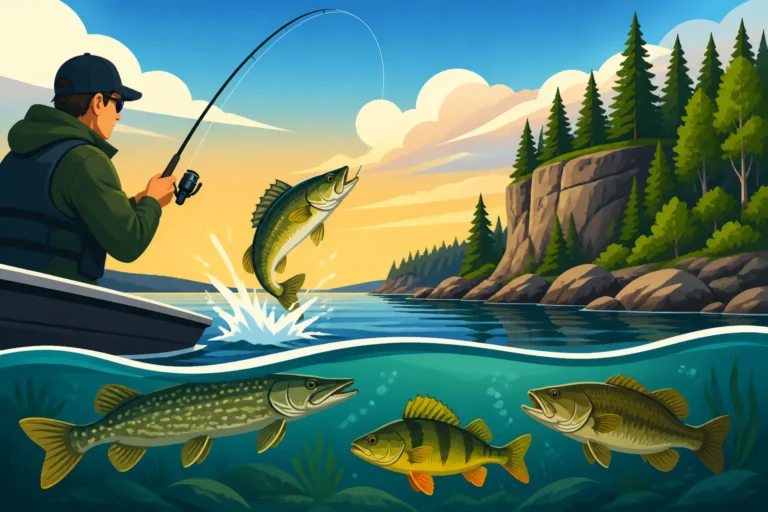
Cut Foot Sioux Lake is renowned for its diverse fishery, offering something for every angler, from those chasing trophy fish to families looking for consistent action. While the lake certainly shines for its walleye, you'd be remiss to ignore the incredible opportunities for northern pike and panfish. Each species has its peak seasons and preferred haunts, making seasonal adjustments key to your success.
Walleye: Minnesota's Favorite Catch
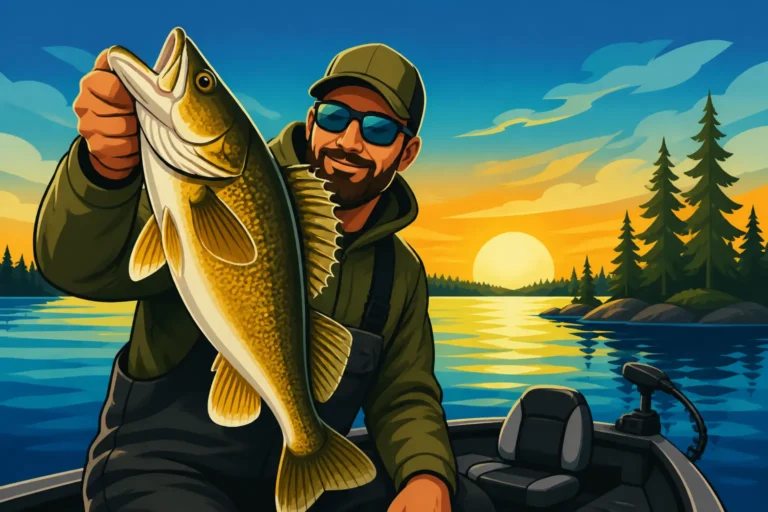
Ah, the walleye. Minnesota's state fish and the undisputed king for many anglers. Cut Foot Sioux has a fantastic walleye population, largely benefiting from the migration to and from Lake Winnibigoshish. The walleye here are healthy, feisty, and often willing to bite. The prime time for walleye fishing generally mirrors the statewide Walleye Season & Limit in Minnesota opener in mid-May. During this early season, walleye often congregate in the shallower bays and along the narrows, recovering from the spawn and actively feeding.
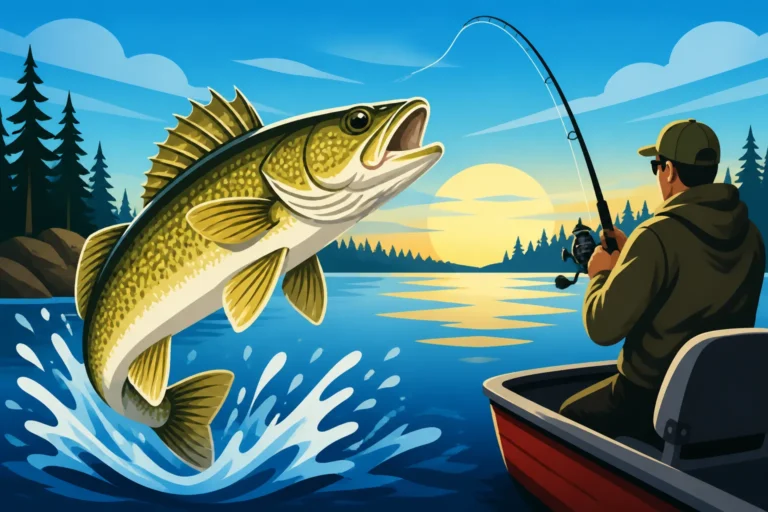
As summer progresses, walleye tend to move to deeper breaks, humps, and the edges of weed lines, particularly where there’s a good transition from soft to hard bottom. Don't overlook the deep edges of the main lake basin, especially during mid-day heat. Night fishing for walleye can also be incredibly productive, as they move shallower to feed under the cover of darkness. As fall approaches, they migrate back to shallower areas, fattening up before winter, often becoming quite aggressive. Fishing for walleye on Cut Foot Sioux means staying mobile and adapting to their movements, but the reward of a fresh walleye fillet is absolutely worth the effort.
Northern Pike: Aggressive Angler's Delight
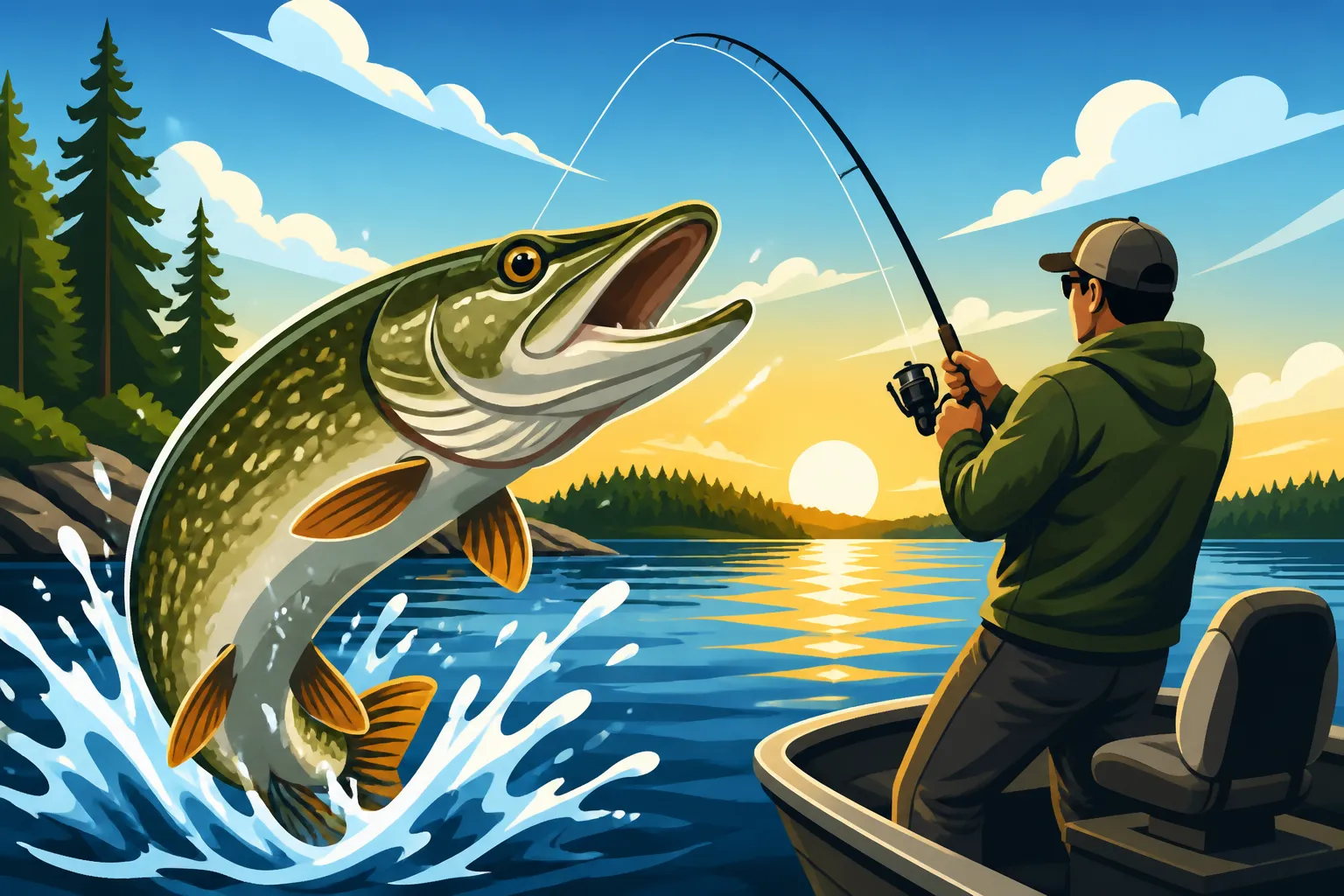
If you love a hard fight and aggressive strikes, the northern pike in Cut Foot Sioux will not disappoint. The lake holds a robust population of pike, with plenty of eaters in the 20-30 inch range and good opportunities for larger trophy fish. These toothy critters are present throughout the year, but spring and fall often offer the most exciting action. In spring, after the ice-out, pike are shallow and ravenous, often found in weed beds or near inflowing water. As summer peaks, they retreat to deeper, cooler water, often suspending over open water or relating to deeper weed edges and drop-offs.
During the summer months, look for northern pike in and around the extensive weed beds, especially cabbage weeds, which provide perfect ambush points. Casting spoons, spinnerbaits, or large crankbaits over these weeds or along their edges can be highly effective. If you’re trolling for walleye, don’t be surprised if a hungry pike inhales your offering; they’re often in the same areas. For a deeper dive into targeting these formidable fish, check out our guide on Northern Pike in Minnesota: Identification & Where to Catch. Remember to bring a good pair of pliers and a jaw spreader, as handling pike safely is important for both the fish and your fingers!
Panfish: Crappie and Bluegill Bonanza
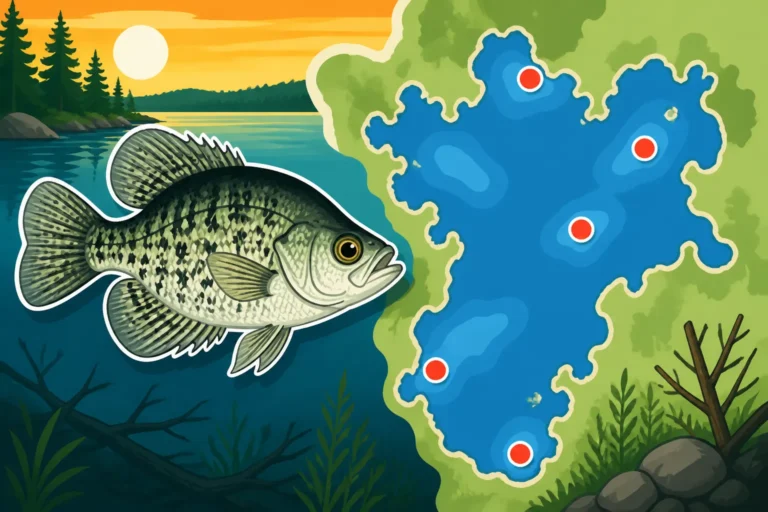
For those looking for consistent action, a family-friendly outing, or simply some delicious fillets for the fryer, Cut Foot Sioux’s panfish fishery is exceptional. Black crappie and bluegill are abundant, offering fantastic opportunities year-round, including during the winter ice fishing season. Crappies are often found in schools, suspending over deeper basin areas or relating to submerged timber and brush piles. Bluegills, on the other hand, tend to hold tighter to weed lines, lily pads, and shallow bays.
Spring is a fantastic time for panfish, as they move into shallow, warm bays to spawn, becoming easily accessible to shore anglers or those in smaller boats. A simple slip bobber rig with a small jig and a piece of worm or a tiny plastic will often do the trick. As summer progresses, crappies move deeper, often found suspended over 15-20 feet of water, while bluegills remain in the weedier flats. Even during colder months, Cut Foot Sioux offers some fantastic opportunities for Ice Fishing for Crappie & Panfish, where finding deeper holes or sharp breaks near weeds can lead to a banner day.
| Species | Peak Season | Common Bait/Lure | Prime Location |
|---|---|---|---|
| Walleye | May-June, Sept-Oct | Jig & minnow, Lindy Rig, Crankbaits, Leeches | Narrows, weed edges, mid-lake humps, breaks |
| Northern Pike | May-June, Aug-Oct | Spoons, spinnerbaits, large crankbaits, suckers | Weed beds, drop-offs, shallow bays |
| Black Crappie | April-May, Sept-Nov | Small jigs, plastics, minnows, waxworms | Shallow bays (spring), deeper brush piles |
| Bluegill | May-July, Sept | Worms, small jigs, tiny plastics | Lily pads, thick weed lines, shallow flats |
Essential Fishing Techniques for Cut Foot Sioux
Knowing what fish are present is one thing; knowing how to catch them is another. Cut Foot Sioux Lake demands a versatile approach, as fish patterns can shift with weather, pressure, and seasonal changes. Having a few go-to techniques in your arsenal will significantly increase your odds of success. From traditional methods to more modern approaches, anglers here employ a variety of strategies to entice bites.
Walleye Techniques
For walleye, the name of the game is often presentation and adapting to their preferred depth and feeding mood. In the spring, after the Minnesota Fishing Seasons & Opener Dates (2026), jigging with a lively minnow is king, especially around the narrows and shallower breaks. A 1/8 to 1/4 ounce jig in chartreuse, orange, or white, tipped with a shiner or fathead, is hard to beat. Slowly working these jigs along the bottom or subtly lifting and dropping them can trigger bites from post-spawn walleye.
As the water warms into summer, a How to Fish a Lindy Rig for Walleye becomes incredibly effective. Drifting or slowly trolling a live bait rig with a juicy leech or a crawler across humps, gravel bars, and deep weed edges is a classic Cut Foot Sioux tactic. The key is to present your bait naturally, letting the walleye pick it up without feeling resistance. Trolling crankbaits, particularly at dawn and dusk, is another deadly method. Brands like Rapala or Berkley Flicker Shad in perch, firetiger, or natural minnow patterns, trolled along deeper contours, can cover a lot of water and entice aggressive feeders. For a comprehensive overview of tactics, our Walleye Fishing Techniques: Complete Minnesota Guide is an excellent resource.
Pike Strategies
Northern pike are less finicky than walleye, but understanding their habits will help you land bigger fish. Early in the season and again in the fall, casting spoons, spinnerbaits, or inline spinners into the abundant weed beds is a surefire way to hook into pike. Gold, silver, and red/white patterns are often irresistible. Retrieve these lures with a moderate, steady pace, adding occasional twitches to mimic a struggling baitfish.
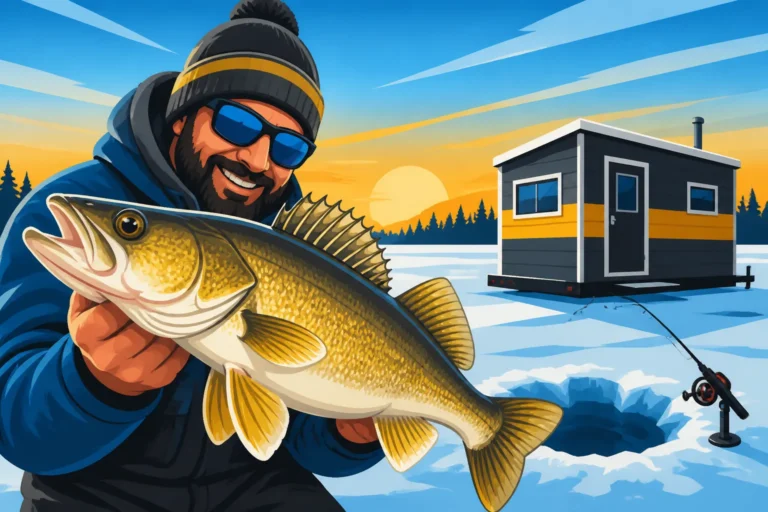
During the warmer summer months, when pike might retreat to deeper water, trolling larger crankbaits or even live suckers can be productive. Look for them holding on the edges of deep breaks or suspending in cooler water over deeper basins. If you're targeting truly big pike, consider using larger, muskie-sized bucktails or jerkbaits fished along significant weed edges or rocky points. Ice fishing for pike with tip-ups and large shiners or suckers is also incredibly popular on Cut Foot Sioux, especially in the shallower, weedier bays.
Panfish Tactics
Panfish, including crappie and bluegill, are generally more accessible and forgiving, making them perfect for beginners or those seeking steady action. For bluegills, light tackle is essential. A small jig (1/32 or 1/64 ounce) tipped with a piece of worm, a waxworm, or a micro-plastic under a bobber is incredibly effective. Target lily pads, emergent vegetation, and the edges of weed beds. A simple cane pole can be all you need for an enjoyable bluegill outing.
Crappies, while still panfish, often require a bit more finesse. They tend to school, so once you find one, you're likely to find more. In spring, vertical jigging small jigs or minnows around fallen trees or brush piles in shallow bays is a great strategy. As they move deeper, "spider rigging" with multiple rods, each rigged with a small jig or minnow, can help you locate suspended schools. For winter fishing, small tungsten jigs tipped with plastics or waxworms are excellent for catching them through the ice. The beauty of panfishing on Cut Foot Sioux is the simplicity and the sheer joy of a bending rod.
Planning Your Trip to Cut Foot Sioux
A successful fishing trip is about more than just catching fish; it's about the entire experience. Cut Foot Sioux offers a blend of accessibility and rustic charm, making it a wonderful destination for a weekend getaway or a longer vacation. Knowing where to stay, how to get around, and who to turn to for local insights can elevate your adventure.
Public Access and Resorts
Getting onto Cut Foot Sioux is relatively easy. There are several public boat launches around the lake, managed by the Minnesota Department of Natural Resources (DNR) or local municipalities. These launches typically offer ample parking and good ramps for various boat sizes. Always remember to practice good Aquatic Invasive Species (AIS) Rules for Boaters protocols to protect Minnesota's precious waters. Check the DNR website or local signage for the most up-to-date information on public access points.
If you're looking for more than just a boat launch, Cut Foot Sioux is home to a number of charming resorts that cater specifically to anglers and families. Resorts like Little Winnie Resort or Cut Foot Sioux Inn and RV Park offer cabins, campsites, boat rentals, bait shops, and invaluable local knowledge. Staying at a resort provides convenience, community, and often allows you to connect with other anglers who are willing to share tips and hotspots. For those who prefer a more personalized experience, researching accommodations and local charters through platforms like FishingBooker can help you find exactly what you need, whether it's a cozy cabin or a full-day guided trip.
Local Expertise and Guides
While it's certainly possible to have a fantastic trip by exploring on your own, tapping into local expertise can dramatically shorten your learning curve and significantly increase your catch rates, especially if you're unfamiliar with the lake or targeting specific species. Local bait shops are treasure troves of information; stop in, buy some bait or tackle, and politely ask about current conditions and what's biting. They hear fishing reports all day long and can point you in the right direction.
For the ultimate advantage, consider hiring a local fishing guide. A guide who specializes in Cut Foot Sioux will know the lake like the back of their hand, understanding the seasonal movements of fish, the most productive baits, and where to go given the current weather conditions. They provide boats, gear, and expertise, allowing you to focus purely on the fishing. This is particularly valuable if you're chasing trophy walleye or trying to master a specific technique like using a Bottom Bouncer & Crawler Harness for Walleye. Websites like FishingBooker offer a convenient way to browse, compare, and book reputable guides for the Cut Foot Sioux and Lake Winnibigoshish areas, ensuring you get the most out of your fishing day. Many guides also offer ice fishing trips, providing heated shelters and all the necessary equipment, which is perfect for experiencing Ice Fishing in Minnesota: Complete Beginner-to-Pro Guide in comfort.
Remember, a Minnesota Fishing License: Cost, Types & How to Buy (2026) is required for all anglers over 16, so make sure yours is up-to-date before you hit the water!
Conclusion: Why Cut Foot Sioux is a Must-Fish Destination
Cut Foot Sioux Lake is more than just an extension of Lake Winnibigoshish; it’s a premier fishing destination in its own right, offering a unique blend of productive waters, diverse species, and natural beauty. Its intricate connection to Winnie ensures a robust and healthy fishery, providing incredible opportunities for walleye, northern pike, and a fantastic array of panfish like crappie and bluegill.
Whether you’re a seasoned angler looking for new challenges or a family seeking memorable moments on the water, Cut Foot Sioux has something for you. From navigating its rich underwater structure with precise techniques to finding comfortable lodging at one of its welcoming resorts, every aspect of a fishing trip here is designed for enjoyment and success. Don't let its proximity to a larger, more famous lake overshadow its individual charm and incredible fishing prowess. Make Cut Foot Sioux your next Minnesota fishing adventure, and you’ll quickly understand why this hidden gem is so cherished by those in the know.
Disclaimer
The information provided in this guide is for general informational purposes only. Fishing regulations, seasons, and limits in Minnesota are subject to change by the Minnesota Department of Natural Resources (DNR). Always consult the most current official Minnesota DNR fishing regulations before heading out onto the water to ensure compliance. Local conditions, such as ice thickness or water levels, can vary, and anglers should always exercise caution and good judgment to ensure their safety.