Lake Waconia Fishing
Finding a great fishing spot close to the hustle and bustle of the Twin Cities can feel like an impossible quest, especially when you're dreaming of respectable walleye or a feisty bass without a multi-hour drive. But tucked away in Carver County, just a stone's throw from the metro area, lies Lake Waconia – a true gem that offers fantastic fishing opportunities for a variety of species. This comprehensive guide will help you unlock the secrets of Lake Waconia, from understanding its unique characteristics to mastering seasonal fishing techniques, ensuring your next outing is a memorable one.
A Closer Look at Lake Waconia's Fishery
Lake Waconia is far more than just a pretty face; it’s a vibrant ecosystem that supports a diverse and healthy fish population, making it a favorite among local anglers. Understanding what makes this lake tick, from its primary residents to its underwater topography, is the first step toward a successful fishing trip.
Primary Game Fish Species
You'd be hard-pressed to find a Minnesota lake that doesn't boast a good selection of fish, but Lake Waconia truly shines with its variety and quality. This isn't just a panfish pond; it's a legitimate multi-species fishery.
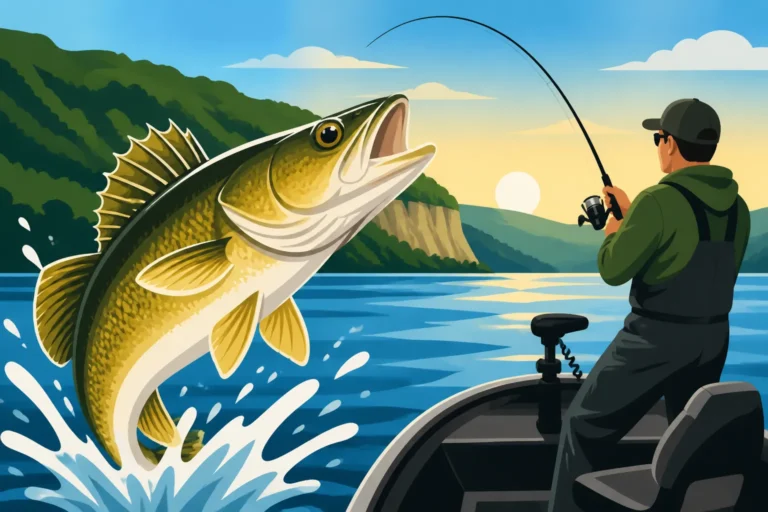
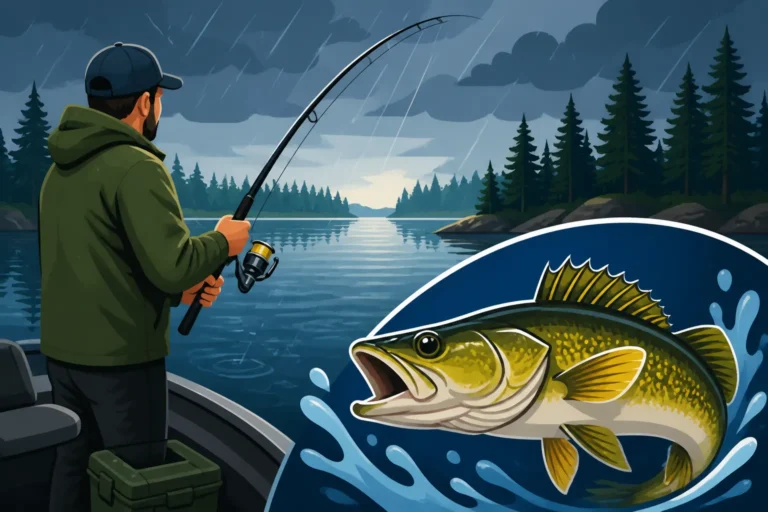
For many, the undisputed king here is the Walleye. Lake Waconia is actively managed for walleye by the Minnesota DNR, with consistent stocking efforts contributing to a strong population. Anglers often report catching walleye in the 15-20 inch range, with bigger fish certainly present for those who put in the time. They are often found relating to the lake's abundant structure, especially during low light conditions or when the water warms up in summer. If you're looking for your next walleye dinner, Waconia is a prime candidate. To learn more about targeting this popular species, check out our guide on Walleye Fishing in Minnesota: Complete Guide
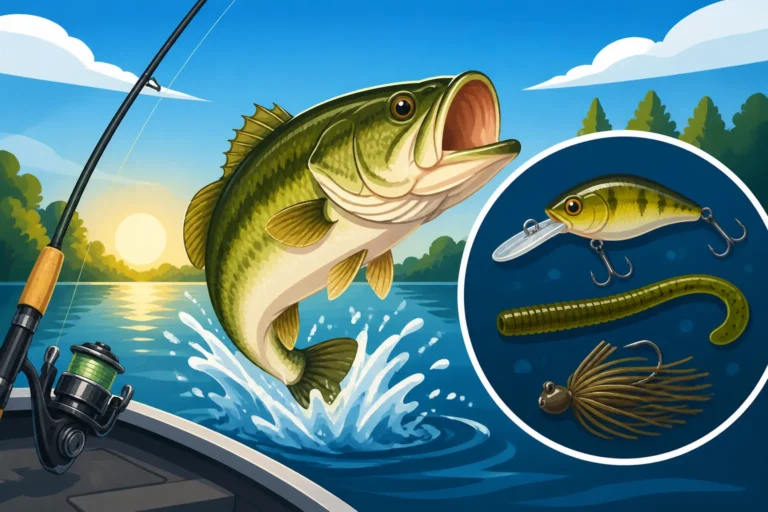
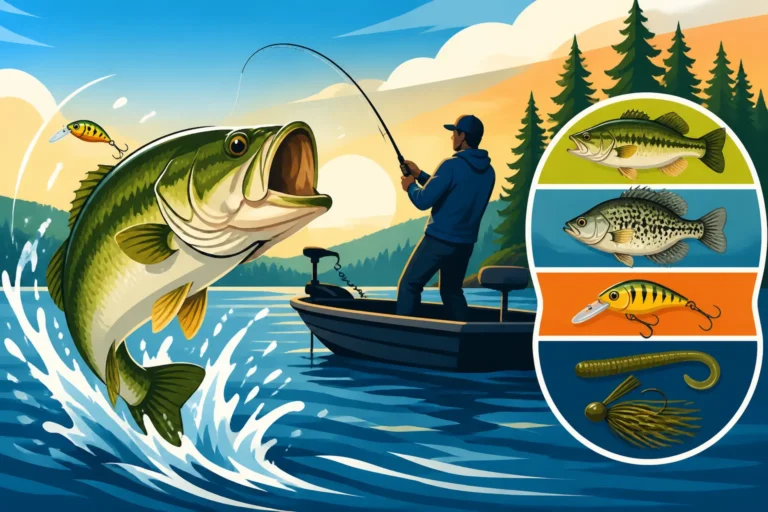
Next up, the Largemouth Bass and Smallmouth Bass populations are absolutely thriving. Waconia offers excellent opportunities for both species. Largemouths are typically found in the extensive shallow weed beds, around docks, and in the lake's many protected bays. Smallmouths, on the other hand, prefer the rockier main lake points, humps, and deeper structure. They offer an incredible fight and are a blast to target on a variety of lures. Anyone interested in going after these hard-fighting fish should read our Bass Fishing Techniques for Minnesota Lakes
Let's not forget the Panfish – specifically Crappie and Sunfish. While the sunfish here have a special possession limit (only 5, as opposed to the statewide 20 on many other lakes, which is a key detail to remember!), they grow to impressive sizes, making them a prize catch. Crappies are abundant and can be found schooling in both shallow and deeper water depending on the season, providing fantastic action, especially during spring and fall. These provide some of the most consistent action for anglers of all skill levels. Dive deeper into catching these smaller but mighty fish with our Crappie & Panfish Fishing Techniques
And of course, no Minnesota lake would be complete without Northern Pike. Waconia has a healthy population of pike, with many fish in the medium size range, perfect for exciting battles. Trophy pike are also present, often lurking around dense weed edges, ready to ambush unsuspecting baitfish. They provide excellent action, particularly for those casting larger baits or trolling.
Lake Characteristics and Structure
Lake Waconia spans an impressive 3,068 acres, making it one of the largest lakes in the western Twin Cities metro area. Its maximum depth hovers around 37 feet, but it features a lot of varied structure that fish absolutely love. The lake bottom is a mix of sand, gravel, and muck, with numerous rock reefs, humps, and extensive weed lines that serve as prime habitat.
One of the most defining characteristics of Lake Waconia is its sheer amount of fish-holding structure. You’ll find defined rock reefs rising from the main basin, sharp breaklines, and expansive flats covered in submerged vegetation. These features create perfect ambush points and foraging areas for walleye, bass, and pike. The lake also has several islands, such as Coney Island and Paradise Island, which often have adjacent rock piles and shallow breaks that hold fish. The clarity of the water is generally moderate, which is often ideal for walleye fishing, especially during daylight hours. This combination of size, depth, and diverse structure means anglers can employ a wide array of techniques to find success, whether they're looking for deep-water walleye or shallow-water bass.
Seasonal Fishing Strategies for Lake Waconia
Fishing Lake Waconia effectively means understanding how the fish behave throughout the year. Each season presents unique challenges and incredible opportunities, demanding different approaches from anglers.
Spring Fishing Excitement
Ah, spring! The ice has melted, the birds are singing, and the fish are waking up. For many, this is the most anticipated time to hit Lake Waconia. After the long Minnesota winter, fish are hungry and often aggressive, moving into shallower waters for their spawning rituals and to feed.
The walleye opener in mid-May is a huge event, and Waconia can be red-hot. Focus your efforts on shallow points, wind-swept shorelines, and the mouths of bays where walleye will congregate. Jigs tipped with minnows or plastics, or slow-trolled crankbaits in depths of 8-15 feet, are often highly effective. Remember to check the statewide Minnesota Fishing Seasons & Opener Dates (2026) so you don't miss a beat.
For crappies and sunfish, spring means they're pushing into the warmest, shallowest bays, especially those with emergent vegetation or dark bottoms that absorb sunlight. These fish are often found suspended around developing weed lines or near shallow docks. A small jig under a bobber, tipped with a small plastic or a piece of live bait like a wax worm, is incredibly effective. For more specific tactics on spring crappie, don't miss our guide on How to Catch Crappie in the Spring.
Largemouth bass will also be moving shallow as water temperatures rise, preparing for their spawn. Target them in the extreme shallows, around lily pads, reeds, and submerged wood. Spinnerbaits, soft plastics, and even topwater lures can be deadly as the water warms into the 60s.
Summer Lake Waconia Success
Summer on Lake Waconia can be fantastic, but it often requires a shift in tactics as fish move to deeper, cooler water. The sun is high, and the pleasure boat traffic picks up, so early mornings, late evenings, or focusing on main lake structure can be key.
Walleye in summer will often retreat to the lake's many humps, reefs, and deep breaklines, especially those with access to deep water. Trolling crankbaits or spinner rigs with bottom bouncers are excellent search patterns for covering water and finding active fish. Consider using leadcore line to get your baits down to the desired depths. Our article on Trolling Crankbaits for Walleye: Speed & Depth offers invaluable advice for this technique. The mud flats and deeper rock reefs, particularly around Coney Island and Paradise Island, become prime walleye real estate. Don't be afraid to fish deeper into the night as walleyes often become more active under the cover of darkness.
Smallmouth bass will be found on the main lake points and rock reefs in 10-20 feet of water. Drop-shot rigs, tube jigs, and Ned rigs are popular choices for coaxing bites from these wary fish. Largemouth bass will often hold tight to the outside edges of weed beds, or beneath thick mats of vegetation, requiring punching rigs or frogs on topwater.
Panfish can be a bit more scattered, with larger crappies often suspending over deeper water or along prominent breaklines. Using electronics to find these schools is crucial.
Fall Turnover and Feeding Frenzy
As summer fades and water temperatures begin to drop, Lake Waconia undergoes its annual "turnover," a period where the lake's water column mixes. This can sometimes make fishing tough for a few days, but once it settles, fall fishing can be spectacular, often producing some of the biggest fish of the year.
Walleye fishing becomes incredibly consistent in the fall. They return to shallower structures, feeding aggressively to build up reserves for winter. Focus on rocky points, humps, and shallower main lake breaks in 10-20 feet of water. Large minnows on a jig or live bait rig, and casting or trolling larger crankbaits, are all highly effective. For an in-depth look at this seasonal transition, read about Fall Walleye Fishing: Turnover & Cold Water. This is often the time when you might encounter some true trophy-sized walleyes.
Northern pike are also in a full-blown feeding frenzy. Casting large spinnerbaits, jerkbaits, or spoons near dying weed lines can result in explosive strikes. They're often found patrolling the same areas as walleye, taking advantage of abundant baitfish.
Crappies will school up tightly in bays or basin areas, often suspending or relating to the last remaining healthy weed growth. They can be found in significant numbers, providing fast action for those who locate the schools. Smaller jigs and plastics are usually the ticket.
Winter Ice Fishing Adventures
When Lake Waconia freezes over, a whole new world of fishing opens up. Ice fishing is incredibly popular here, drawing crowds of anglers seeking everything from panfish to pike. Before heading out, always ensure ice conditions are safe.
Walleye are a primary target through the ice. Focus on main lake humps, points, and structural elements that rise from deeper water. Often, walleye will move onto these structures during low light periods (dawn and dusk) and then retreat to deeper basin edges during the day. Jigging spoons, minnow-profile lures like Jigging Raps, or deadsticking with a live minnow are popular techniques. A good flasher or fish finder is almost essential for locating fish and presenting your bait effectively. If you're new to the hardwater scene, our Ice Fishing in Minnesota: Complete Beginner-to-Pro Guide is a must-read.
Crappies and sunfish offer consistent action throughout the winter. They tend to school up in deeper basin areas, often suspended. Look for them in 15-30 feet of water. Tiny tungsten jigs tipped with wax worms or plastics fished with a sensitive rod are perfect for enticing bites from these finicky panfish.
Northern pike can be caught on tip-ups set with large live minnows, usually near the edges of remaining green weeds or along sharp breaklines. They offer exciting, often aggressive, fights through the ice.
Lake Waconia’s diverse structure means there's always a new spot to explore, whether you're drilling holes over a deep rock hump or targeting shallow weed beds in a bay.
Essential Gear and Practical Tips for Lake Waconia
Having the right equipment and knowledge can make all the difference between a good fishing day and a truly great one on Lake Waconia. From your rod and reel setup to knowing where to launch your boat, these practical insights will help you prepare.
Recommended Gear for Success
When fishing Lake Waconia, versatility in your gear selection is a big plus, given the variety of species and fishing scenarios.
For walleye, a medium-light to medium power spinning rod with a fast action is ideal for jigging or rigging. Pair it with a 2500-sized spinning reel spooled with 8-10 pound braided line and a fluorocarbon leader. If you plan to troll, a medium power casting rod with a line counter reel and 10-12 pound monofilament or leadcore is essential. Check out our guide on Best Walleye Rods & Reels for specific recommendations.
For bass, consider both spinning and baitcasting setups. A medium-heavy baitcaster with 15-20 pound fluorocarbon is perfect for casting jigs, spinnerbaits, and heavy plastics into cover. A medium spinning rod with 8-10 pound braid is great for finesse techniques like a drop-shot or shaky head.
For panfish, a super-light spinning rod, often called an "ultralight," with a small 1000-sized reel spooled with 4-6 pound monofilament or fluorocarbon will maximize your fun and sensitivity.
Beyond rods and reels, a quality fish finder or sonar unit is invaluable for locating structure, marking fish, and understanding depth contours. Brands like Humminbird and Garmin are popular choices. A good GPS unit with detailed lake maps (like Navionics or LakeMaster) will help you navigate and return to productive spots. Don't forget the essentials: a good net, pliers, and a tackle box stocked with a variety of jigs, crankbaits, plastics, and live bait options like minnows, leeches, and nightcrawlers.
Access Points, Regulations, and Local Insights
Getting onto Lake Waconia is relatively easy, with several public access points available. The primary DNR public boat launch is located on the lake's southwest side, offering ample parking and good facilities. There are also smaller, city-run access points and resorts that may offer launches, often for a fee. For those without a boat, shore fishing opportunities are somewhat limited but can be found in city parks around the lake, particularly during the spring and fall for panfish and bass.
Understanding the regulations is crucial for a legal and ethical fishing experience. As mentioned, Lake Waconia generally follows statewide Minnesota fishing limits and seasons, but it does have a special regulation for sunfish: the possession limit is 5. Always consult the current Minnesota DNR fishing regulations for the most up-to-date information, including the general Minnesota Fishing Limits: Bag & Possession (2026). You will also need a valid Minnesota Fishing License: Cost, Types & How to Buy (2026). If you're just visiting, keep in mind there are different rules for Nonresident Fishing in Minnesota: Licenses & Rules.
Before heading out, a stop at a local bait shop in Waconia or a nearby town is always a good idea. Places like Waconia Bait & Tackle often have the most current information on what's biting, where the fish are, and which baits are working best. They can also be a great resource for confirming any localized regulations or conditions, like ice thickness in winter. If you're coming from out of state or just prefer to leave the planning to a pro, consider booking a guided trip. Services like FishingBooker can help you find experienced local guides on Lake Waconia who know the lake inside and out and can put you on fish, regardless of the season. Planning a trip is much easier when you consider a service like FishingBooker.
| Species | Best Time to Fish | Primary Location | Common Baits/Methods | Special Notes |
|---|---|---|---|---|
| Walleye | Spring, Fall, Night | Humps, Reefs, Breaklines, Mud Flats | Jigs & Minnows, Crankbaits, Bottom Bouncers, Leeches | Actively stocked, often move shallow at low light. |
| Largemouth Bass | Spring, Summer | Shallow Weeds, Docks, Lily Pads, Bays | Spinnerbaits, Plastics, Topwater, Jigs | Strong population, found in dense cover. |
| Smallmouth Bass | Summer, Fall | Rocky Points, Main Lake Humps, Deep Structure | Drop-shot, Tube Jigs, Ned Rigs, Crankbaits | Excellent fight, prefer rocky, open water. |
| Crappie | Spring, Fall, Winter | Bays, Weed Edges, Deep Basins (suspended) | Small Jigs & Plastics, Live Minnows, Wax Worms | Schooling fish, can provide fast action. |
| Sunfish | Spring, Summer | Shallow Weeds, Docks, Shoreline | Worms, Panfish Jigs, Wax Worms | Possession limit of 5. Large individuals present. |
| Northern Pike | All Year | Weed Lines, Breaklines, Open Water | Spinnerbaits, Spoons, Jerkbaits, Large Minnows | Abundant, provide aggressive strikes. |
Remember that local knowledge and recent fishing reports are invaluable. Many anglers find success by checking online forums or fishing reports (sometimes available through platforms like FishingBooker) to get a real-time pulse on the bite. Lake Waconia truly offers a fantastic angling experience, and with a little preparation and understanding, you’re well on your way to a great day on the water.
Disclaimer
Fishing conditions and regulations in Minnesota can change. Always consult the latest Minnesota Department of Natural Resources (MNDNR) regulations and advisories before heading out on the water. This guide is for informational purposes only.