Detroit Lakes Fishing Guide
Navigating the vast array of incredible fishing destinations in Minnesota can feel like a monumental task, especially when you're dreaming of that perfect blend of diverse species, beautiful scenery, and top-notch amenities. Many anglers get overwhelmed trying to pick just one spot that promises both quantity and quality. This comprehensive guide cuts through the confusion, offering an in-depth look at fishing the Detroit Lakes area, ensuring you're fully prepared for a rewarding angling adventure.
Why Detroit Lakes is a Premier Fishing Destination
Detroit Lakes isn't just a town; it's a gateway to an angler's paradise, a sprawling chain of lakes nestled in the heart of Minnesota's Otter Tail County. This region boasts over 400 lakes within a 25-mile radius, but the immediate Detroit Lakes chain offers a fantastic microcosm of everything the area has to offer. It’s a place where families can enjoy a peaceful afternoon reeling in panfish, and seasoned pros can target trophy-sized walleye or muskie. The sheer accessibility and variety make it a standout choice for any fishing enthusiast.
A Chain of Lakes for Every Angler
The core of the Detroit Lakes fishing experience revolves around its interconnected chain of lakes. Big Detroit Lake is the undisputed centerpiece, known for its sprawling main basin, diverse structure, and impressive depths reaching over 70 feet. Anglers often find themselves exploring its numerous points, weed lines, and mud flats, each holding potential for different species depending on the season. Big Detroit is a fantastic starting point for understanding the local fishery.
Adjacent to Big Detroit, lakes like Sallie, Melissa, and Curfman offer slightly different characteristics, adding to the angling diversity. Lake Sallie, for instance, is often celebrated for its clear waters and excellent panfish populations, while Lake Melissa provides a healthy mix of walleye, pike, and bass opportunities within a more contained environment. The ability to easily move between these waters, often without even taking your boat out of the water, means you can adapt your approach based on conditions or target species, truly maximizing your time on the water. This interconnectedness allows for extended trips and continuous exploration.
Diverse Fish Species for Endless Opportunities
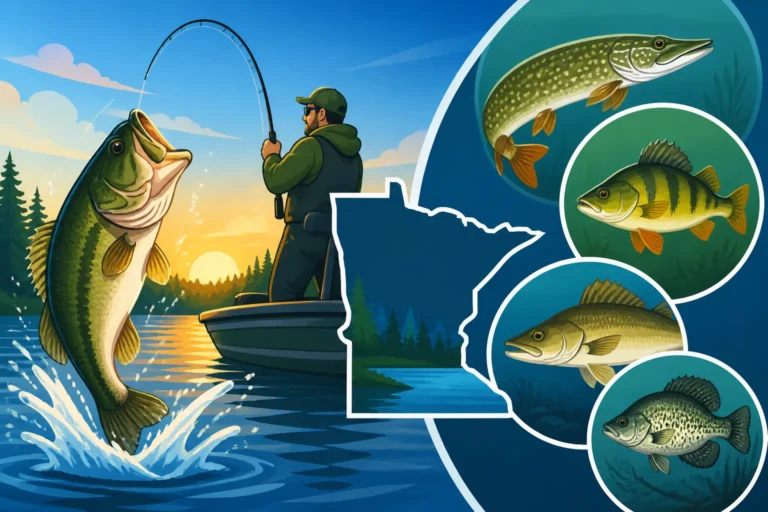
One of the most appealing aspects of the Detroit Lakes area is the incredible diversity of fish species available. Unlike some lakes that are primarily known for one or two species, Detroit Lakes offers a robust fishery for a wide array of popular game fish. This means that whether your passion lies in chasing elusive muskie, filling a cooler with walleye fillets, or simply enjoying the tug of a plentiful panfish, you'll find ample opportunities here.
From the prized walleye that grace dinner tables across the state to the aggressive northern pike that offer thrilling battles, the area supports healthy populations. You'll also encounter robust populations of both largemouth and smallmouth bass, providing exciting topwater action in the warmer months. And let's not forget the panfish — crappie, bluegill, and sunfish are abundant, making Detroit Lakes a fantastic destination for families and beginner anglers looking to simply catch some fish. This rich biodiversity ensures that every trip can be unique, and you can always switch gears if one species isn't cooperating.
Understanding Detroit Lakes' Primary Species
To truly master the waters of Detroit Lakes, it helps to get intimately familiar with the primary species you'll encounter. Each fish has its own habits, preferred habitats, and ideal presentations, and understanding these nuances will dramatically increase your success.
Walleye: The Golden Prize
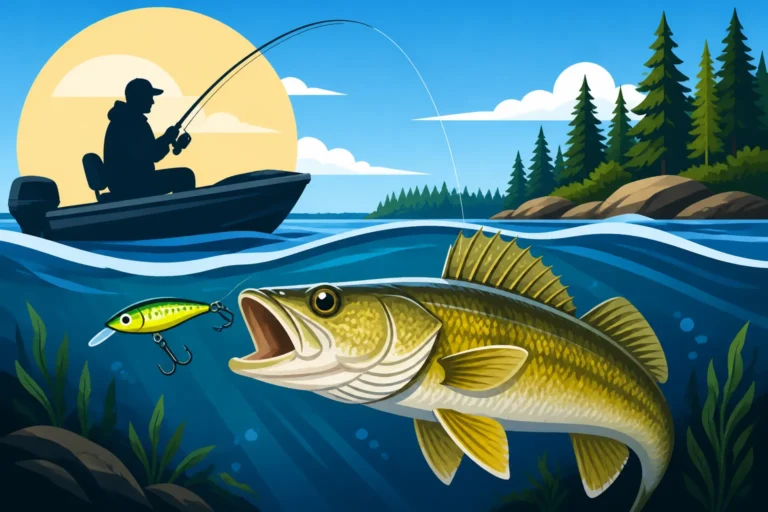
Walleye are undoubtedly the star of the show for many Minnesota anglers, and the Detroit Lakes chain is no exception. These delectable fish are present in good numbers, particularly in Big Detroit Lake and Lake Melissa. Walleye are often found relating to various structures, including submerged humps, deep weed lines, rock piles, and mud flats. Their keen low-light vision means they are particularly active during dawn, dusk, and even into the night.
During the open water season, successful walleye anglers often employ a variety of tactics. Trolling with crankbaits is a popular method, allowing you to cover vast areas and find active fish. Many local anglers prefer the classic "Walleye Fishing in Minnesota: Complete Guide" methods such as using a Lindy Rig with live bait like leeches or nightcrawlers, especially when fish are holding tight to structure. Jigging with a jig and minnow or plastic can also be incredibly effective, particularly when fish are concentrated. For those looking for precise strategies, learning How to Catch Walleye in Minnesota (Step by Step) can provide a solid foundation.
Northern Pike: Aggressive Predators
If you're looking for an exhilarating fight, northern pike in Detroit Lakes will not disappoint. These aggressive, toothy predators are widespread throughout the entire chain, inhabiting weed beds, drop-offs, and even shallower bays where they can ambush unsuspecting prey. Pike are known for their explosive strikes and powerful runs, making them a favorite target for anglers seeking an adrenaline rush.
Pike fishing often involves casting large spinnerbaits, spoons, or crankbaits near weed edges or over submerged vegetation. Live bait, such as large shiners or suckers under a bobber, can also be highly effective, especially when deadsticking near prime ambush points. When targeting these formidable fish, make sure you have a steel leader to prevent bite-offs from their razor-sharp teeth. For more details on identification and habitat, check out our guide on Northern Pike in Minnesota: Identification & Where to Catch.
Panfish Perfection: Crappie and Sunfish
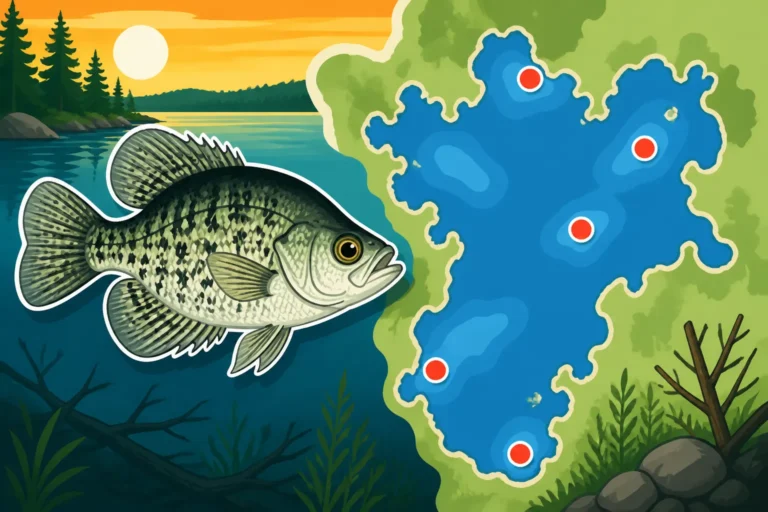
For consistent action and a delicious meal, crappie and sunfish (bluegill and other panfish) are abundant in the Detroit Lakes area. These smaller, yet incredibly fun-to-catch, species are often found in schools, making for fast-paced fishing once you locate them. They tend to congregate around submerged timber, docks, weed lines, and brush piles, especially during warmer months.
Crappie are particularly popular in early spring, moving into shallower bays to spawn, where they can be targeted with small jigs tipped with a minnow or plastic, fished under a bobber. Bluegill and sunfish are even more pervasive, providing constant entertainment for anglers of all ages. Small jigs, worms, or even tiny spoons can entice these feisty fish. They are an excellent target for beginners and a great way to introduce kids to fishing. Learn more about optimal strategies in our Crappie & Panfish Fishing in Minnesota: Complete Guide.
Bass Fishing: Smallmouth and Largemouth Action
Detroit Lakes also boasts an excellent bass fishery, with both smallmouth and largemouth bass thriving in its waters. Largemouth bass prefer the shallower, weedier bays and areas with plenty of fallen timber and lily pads, offering exciting topwater action. Smallmouth bass, on the other hand, often relate to rocky points, humps, and deeper transitions, particularly in the clearer waters of Big Detroit Lake.
Targeting largemouth often involves techniques like flipping jigs, throwing spinnerbaits, or working plastic worms through heavy cover. Topwater lures like poppers and buzzbaits can produce explosive strikes during low-light conditions. For smallmouth, crankbaits, jerkbaits, and soft plastics like tube jigs or drop-shot rigs are highly effective, especially when fished around rock structures. Explore more specific techniques for both species in our Smallmouth & Largemouth Bass in Minnesota article.
Navigating the Seasons: When to Fish Detroit Lakes
Understanding the distinct seasonal patterns is crucial for consistent success in Detroit Lakes. The fish behave differently as water temperatures and available forage change, requiring adjustments in your approach.
Spring Opener Excitement
The spring opener, typically in mid-May for walleye and northern pike, is a highly anticipated event in Detroit Lakes. After the long winter, fish are often hungry and found in shallower waters, especially near spawning areas. For walleye, focus on bays and points adjacent to deeper basins, using jigs tipped with minnows or soft plastics. Pike will be very active in shallow weed growth. The water is often still quite cool, so slower presentations are usually key.
Crappie fishing during the spring is also exceptional, as they move into predictable shallow areas to spawn. Look for them in protected bays with emergent vegetation or submerged wood. A small jig under a bobber can be lights out. Don't forget to review the Minnesota Fishing Seasons & Opener Dates (2026) to make sure you're ready for the big day!
Summer Structure Fishing
As summer progresses and water temperatures rise, fish patterns shift dramatically. Walleye will move to deeper structures such as humps, main lake points, and deep weed lines. Trolling with crankbaits or using bottom bouncer rigs with crawler harnesses become very effective methods for covering water and locating active fish. Night fishing for walleye can also be incredibly productive during the warmer summer months.
Bass fishing truly heats up in summer. Largemouth will hold tight to dense cover, while smallmouth will patrol rocky structures. Panfish often school up in deeper weed edges or around mid-lake humps. This is when electronic aids like fish finders become invaluable for identifying these deeper holding areas. Learn more about how fish behave by studying Seasonal Fishing Patterns in Minnesota.
Fall Feeding Frenzy
Fall is a favorite time for many seasoned anglers in Detroit Lakes. As water temperatures begin to cool, many fish species enter a "feeding frenzy" in preparation for winter. Walleye often move back into shallower areas, particularly during low-light conditions, gorging on baitfish. Trolling shallow-running crankbaits or casting jigs and swimbaits can be highly effective.
Pike are also extremely active in the fall, bulking up on forage. Larger baits often draw aggressive strikes. Muskie anglers also consider fall a prime time to target trophy fish, as these giants are putting on weight and can be found in a variety of depths. The cooler, crisp air and vibrant fall colors only add to the beauty of a fall fishing trip in the Detroit Lakes area.
Winter Ice Fishing Adventures
When the lakes freeze over, Detroit Lakes transforms into a bustling ice fishing hub. Ice anglers flock to the chain for excellent hardwater opportunities, particularly for walleye, crappie, and northern pike. Big Detroit Lake is a popular choice, with numerous ice roads and designated access points.
Walleye often relate to the same humps and points they frequented in the summer, but sometimes shift to slightly shallower feeding flats during low-light periods. Jigging spoons and rattle baits, often tipped with a minnow head, are go-to presentations. Crappie and sunfish can be found suspended in deeper water or relating to basin structure and often respond well to tiny tungsten jigs tipped with wax worms or plastics. Tip-ups are a great way to target northern pike, spread out over potential ambush zones. Always check ice conditions carefully before venturing out.
Essential Gear and Tactics for Success
Having the right gear and understanding effective tactics can make all the difference in your Detroit Lakes fishing experience. It's not just about what you use, but how you use it.
Walleye Specific Rigs and Lures
For walleye, a versatile spinning rod and reel combo, typically in the 6'6" to 7' medium-light to medium action range, is a must-have. Pair it with 6-10 lb monofilament or fluorocarbon line for jigging, or braided line with a fluorocarbon leader for increased sensitivity.
- Jigs: 1/8 to 1/4 ounce jigs in colors like chartreuse, orange, and white are staples. Tip them with live minnows (shiners or fatheads) or soft plastic paddle tails.
- Crankbaits: For trolling, popular brands like Rapala Shad Raps, Berkley Flicker Shads, or Salmo Hornets in various sizes and dive depths are highly effective. Match the hatch to the local forage.
- Bottom Bouncers & Crawler Harnesses: Essential for covering deeper flats and breaks. Use 1-2 ounce bouncers with brightly colored spinner rigs tipped with a lively nightcrawler.
- Slip Bobbers: Incredibly effective for suspending live bait over weed tops or structure. A quality slip bobber rig, a small hook, and a leech or piece of nightcrawler are all you need.
Remember, presentation is key. Sometimes a slow, methodical retrieve is best, while other times an aggressive snap-jigging motion can trigger bites. Consult a guide to Best Lures & Baits for Minnesota by Species for more options.
Pike and Bass Tackle
For northern pike, you'll want a slightly heavier setup, like a medium-heavy baitcasting or spinning rod (7-8 feet) with 20-30 lb braided line and a steel leader.
- Spinnerbaits & Spoons: Large inline spinners (like Mepps Musky Killers) or heavy spoons (e.g., Daredevl, Johnson Silver Minnow) in bright colors are excellent for casting.
- Crankbaits: Larger, jointed crankbaits or lipless crankbaits can also draw vicious strikes.
- Topwater: For bass, especially largemouth, during low-light conditions, frogs, buzzbaits, and poppers can be thrilling.
- Soft Plastics: Wacky-rigged Senkos, Texas-rigged worms, or creature baits are bass magnets when fished in and around cover.
Panfish Presentation
Panfish require a more delicate touch. A light or ultra-light spinning rod (5-6 feet) with 2-4 lb test line is ideal for maximum sensitivity and fun fights.
- Small Jigs: 1/32 to 1/16 ounce jigs are perfect. Tip them with tiny plastic grubs, tubes, wax worms, or a small piece of nightcrawler.
- Bobbers: A small, sensitive slip bobber or fixed bobber is crucial for detecting subtle panfish bites.
- Flies: In clear water, fly fishing with small nymphs or dry flies can be incredibly productive for sunfish.
Planning Your Detroit Lakes Fishing Trip
A successful fishing trip to Detroit Lakes involves more than just knowing what fish to target and what gear to use. Proper planning ensures a smooth and enjoyable experience for everyone involved.
Navigating Access and Accommodations
Detroit Lakes is a well-developed tourist area, offering a wide range of accommodations from cozy resorts and cabins to hotels and campgrounds. Many resorts, like Fair Hills Resort or Detroit Lakes Lodge, are situated right on Big Detroit Lake or other connected waters, providing direct access to prime fishing grounds and amenities like boat rentals and cleaning stations. For those bringing their own boats, numerous public access points and boat launches are available across the chain, often managed by the DNR.
When planning your stay, consider the type of experience you're looking for. A full-service resort might be perfect for families, offering activities beyond fishing. A cabin rental could provide a more private, rustic experience. If you’re traveling with a larger group or looking for specific amenities, checking platforms like FishingBooker can help you find suitable lodging and potential fishing charters simultaneously, streamlining your planning process.
Hiring a Local Guide or Charter
For those new to the area or looking to maximize their time on the water, hiring a local fishing guide can be an invaluable investment. A professional guide possesses intimate knowledge of the Detroit Lakes chain, understanding current fish patterns, productive spots, and the most effective tactics for the day. They often provide all the necessary gear, bait, and even clean your catch.
Many experienced guides operate in the Detroit Lakes area, specializing in various species from walleye to muskie. A simple search online or asking local bait shops can provide recommendations. Services like FishingBooker are excellent resources for finding reputable local guides and comparing their offerings, ensuring you find the perfect match for your group and target species. They can often tailor trips for beginners, families, or seasoned anglers looking for trophy fish.
Understanding Regulations and Conservation
Minnesota is known for its excellent fisheries management, and understanding the local regulations is paramount for ethical and legal angling. Before hitting the water, always obtain a valid Minnesota Fishing License: Cost, Types & How to Buy (2026). Familiarize yourself with the specific bag and possession limits for each species you intend to target, as these can vary by lake and change periodically. Our guide on Minnesota Fishing Limits: Bag & Possession (2026) is a great resource.
The Detroit Lakes area actively promotes catch-and-release practices for certain species, especially larger trophy fish, to ensure healthy populations for future generations. Always handle fish carefully, minimizing their time out of the water, especially when releasing them. Proper disposal of all trash, avoiding the spread of aquatic invasive species, and respecting private property are all crucial aspects of being a responsible angler in this beautiful region.
Detroit Lakes Fishing at a Glance
| Species | Preferred Habitat | Best Season | Common Baits/Lures | Notes |
|---|---|---|---|---|
| Walleye | Deep humps, weed lines, rock piles, mud flats | Spring, Fall, Winter | Jigs & Minnows, Crankbaits, Bottom Bouncers | Low light specialist, excellent table fare |
| Northern Pike | Weed beds, drop-offs, shallow bays | Spring, Summer, Fall | Spinnerbaits, Spoons, Large Minnows | Aggressive fighters, use steel leaders |
| Crappie | Submerged timber, docks, weed lines, brush piles | Spring, Winter | Small Jigs & Plastics/Minnows, Micro Spoons | Schooling fish, great for kids |
| Sunfish | Weed edges, docks, shallow structure | Spring, Summer, Fall | Worms, Tiny Jigs & Wax Worms | Abundant, easy to catch |
| Largemouth Bass | Weedy bays, lily pads, fallen timber | Summer, Early Fall | Topwater, Jigs, Spinnerbaits | Exciting topwater action, loves heavy cover |
| Smallmouth Bass | Rocky points, humps, deep transitions | Summer, Early Fall | Crankbaits, Jerkbaits, Tube Jigs | Strong fighters, prefers clearer, rocky areas |
Disclaimer
Fishing regulations, seasons, and limits are subject to change by the Minnesota Department of Natural Resources (DNR). Always consult the most current Minnesota fishing regulations guide before heading out on the water. This article is intended for informational purposes only and does not replace official DNR guidelines.