Twin Cities Metro Fishing: Best Lakes Near Minneapolis & St. Paul
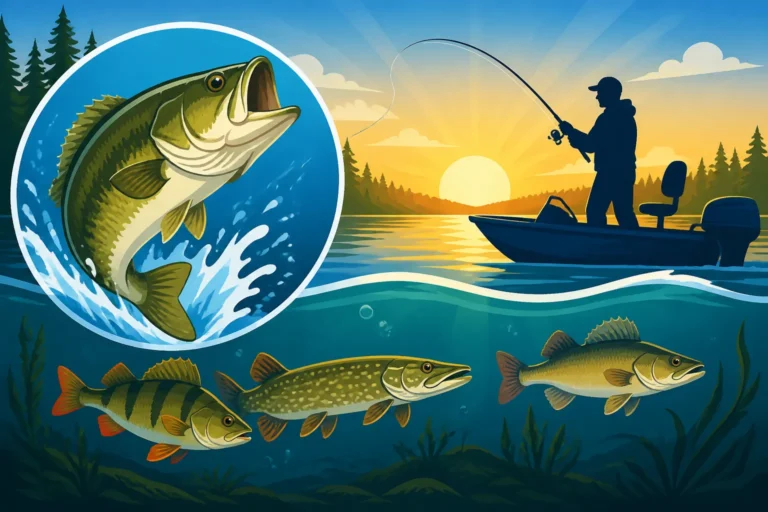
You know, for all the talk about heading "up north" for real Minnesota fishing, a lot of us forget just how incredible the angling opportunities are right in our own backyard. Trying to navigate the concrete jungle and still find a peaceful, productive fishing spot can feel like a contradiction, but the Twin Cities Metro area is absolutely brimming with fantastic lakes and rivers. This comprehensive guide will pull back the curtain on the best fishing lakes and spots near Minneapolis and St. Paul, offering you a detailed look at what's biting, where to go, and how to make the most of your urban angling adventures.
Why Fish the Twin Cities Metro? More Than Just Cityscapes
It's easy to assume that good fishing means driving hours into the wilderness, far from any major highways or bustling city life. But honestly, that couldn't be further from the truth when it comes to the Minneapolis-St. Paul metro area. The sheer convenience and surprising quality of the fishing here make it a true hidden gem for anglers of all skill levels. You can often be on the water catching fish within minutes of leaving your home or office, which is a luxury most regions can only dream of.
Dispelling Urban Fishing Myths
Many people, even seasoned anglers, harbor misconceptions about urban fishing. They imagine polluted waters, stunted fish, or overcrowded shorelines where success is fleeting. Let me tell you, that's just not the case here in Minnesota's biggest cities. Our Department of Natural Resources (DNR) works tirelessly to manage these urban fisheries, ensuring healthy populations and safe environments. While you might occasionally run into more people than on a remote northern lake, there are still plenty of quiet corners and productive stretches to explore. The water quality in many of these lakes is surprisingly good, and the fish, well, they bite! From trophy bass to respectable walleye and abundant panfish, the metro has it all.
Accessibility and Convenience
One of the biggest unsung heroes of metro fishing is the unparalleled accessibility. We're talking about lakes with multiple public boat launches, well-maintained fishing piers, and extensive shore fishing access. You don't always need a fancy boat or a weekend-long trip to get your line wet. Just a short drive, sometimes even a bike ride, can put you right on the water. This is fantastic for families, beginners, or anyone who simply wants to squeeze in a quick fishing session after work without the hassle of a long commute. Think about it: instead of spending half your day driving, you could be spending it fishing. It also means easier access to bait shops and fishing gear, often right in your neighborhood.
Essential Rules and Regulations for Metro Waters
Before you cast a single line in the Twin Cities, it's absolutely crucial to be familiar with Minnesota's fishing regulations. These rules are designed to protect our precious natural resources and ensure sustainable fishing for generations to come. Trust me, nobody wants a run-in with a conservation officer over a simple misunderstanding. It's always best to be informed and prepared.
General Minnesota Fishing License Requirements
First things first: unless you're under 16 or participating in a special "Free Fishing Weekend," you'll need a valid Minnesota fishing license. This isn't just a formality; it's a vital contribution to fishery management and conservation efforts across the state. You can purchase one easily online, at most bait shops, or even at department stores like Walmart. Make sure you understand the different types of licenses available, whether it's an annual resident license or perhaps a one-day option for a quick trip. For a full breakdown, check out our guide on Minnesota Fishing License: Cost, Types & How to Buy (2026). Always keep your license with you when you're fishing – either the physical copy or a digital version on your phone.
Specific Metro Lake Regulations and Slot Limits
While general statewide regulations apply, many individual metro lakes have special rules tailored to their unique ecosystems and fish populations. These often include slot limits, reduced bag limits, or even catch-and-release only periods for certain species. For example, some lakes might have a protected slot for walleye, meaning fish within a certain size range must be immediately released to help grow the population of larger, breeding fish. This is similar to the specific regulations you'd find on a major fishery like Mille Lacs Walleye Regulations (2026), just on a smaller, more localized scale. Always consult the current Minnesota DNR Fishing Regulations Handbook or use their online LakeFinder tool to get the most up-to-date information for the specific body of water you plan to fish. Ignoring these localized rules can lead to stiff penalties, and more importantly, can harm the fishery you love.
Top Lakes for Walleye and Northern Pike
When you think of walleye and northern pike, your mind probably drifts north to big, clear waters. But surprisingly, the Twin Cities metro area boasts some fantastic opportunities for these popular game fish. While they might not be as numerous as panfish in every pond, certain lakes here are genuinely productive for both walleye and pike, offering exciting challenges and rewarding catches without a lengthy drive.
Lake Minnetonka: The Metro's Walleye Powerhouse
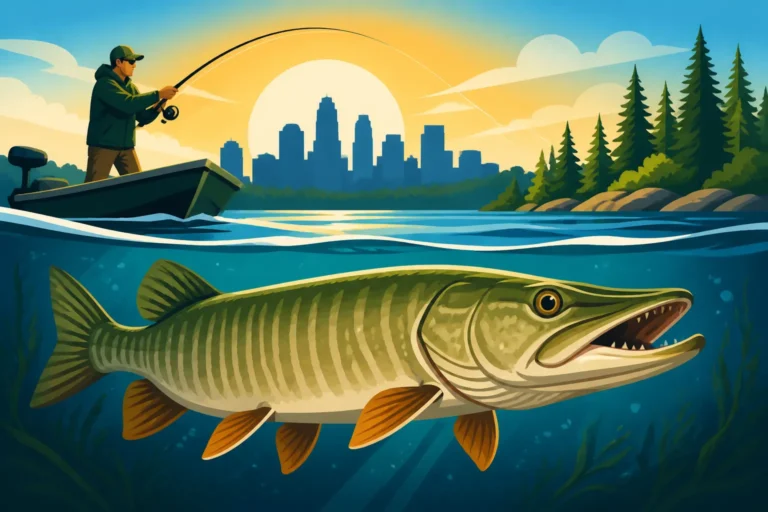
Lake Minnetonka is arguably the crown jewel of metro fishing, a true multi-species destination known for its impressive walleye and muskellunge populations, among others. Spanning over 14,000 acres with numerous bays, islands, and diverse structures, it's a vast fishery that requires some homework but rewards diligent anglers handsomely. Walleye here can be found on deep weed lines, rock reefs, and submerged points. Early morning and late evening are prime times, especially during the summer months when these fish often move shallow to feed. Many anglers target Minnetonka walleye with jig and minnow combinations, live bait rigs, or by trolling crankbaits over main lake structures. The lake's size means that while it can get busy, especially on weekends, there are always new spots to explore. Local guides often utilize the expansive waters of Lake Minnetonka to put clients on fish, and you can even book a guided trip through platforms like FishingBooker to learn the nuances of this complex lake from an expert. If you're serious about walleye, understanding Walleye Fishing Techniques: Complete Minnesota Guide will give you a major edge here.
White Bear Lake: Northern Pike Action Close to Home
White Bear Lake, while smaller than Minnetonka, offers excellent fishing, particularly for northern pike. This lake has undergone significant recovery efforts over the years and is now a vibrant fishery. Pike here can grow to considerable sizes, providing thrilling fights for those targeting them. Look for pike in and around the abundant weed beds, especially near drop-offs and points where they ambush baitfish. Casting large spinnerbaits, spoons, or even big jerkbaits along these edges can be incredibly effective. Don't be surprised to hook into some hefty bass or even an occasional walleye while pursuing pike. White Bear Lake is also a fantastic destination for winter fishing, with pike often active under the ice. Always check the specific regulations for White Bear Lake, as they can change to protect the fishery. If you're new to the lake, consider consulting a local bait shop like Frankies Live Bait & Marine in Chisago City (though they are a bit north, their knowledge of metro trends is excellent) for the latest hot spots and techniques.
Premier Spots for Panfish and Bass
If you're looking for a more relaxed day on the water, or perhaps fishing with kids, the Twin Cities metro has an abundance of lakes perfect for panfish like crappie and sunfish, as well as some truly exceptional bass fishing. These species are often more cooperative and easier to locate, making for a fun and rewarding experience for anglers of all ages and skill levels.
Bde Maka Ska (Lake Calhoun): Panfish Paradise
Bde Maka Ska, formerly Lake Calhoun, is a gem nestled right within Minneapolis's Chain of Lakes. It's incredibly accessible with ample shore fishing opportunities, fishing piers, and boat launches. This lake is renowned for its healthy populations of crappie and bluegill. You can often find schools of crappie suspended over deeper water, especially around submerged structures or along drop-offs. A simple slip bobber rig with a small jig and a minnow or a piece of plastic works wonders. Bluegills are usually found closer to shore, in and around lily pads and emergent weeds. For them, tiny jigs tipped with wax worms or even just a small hook with a piece of corn or a Berkley Gulp! Alive! micro-bait will do the trick. The ease of access makes Bde Maka Ska perfect for a spontaneous fishing trip, and it's a fantastic spot to introduce new anglers to the sport. Mastering Crappie & Panfish Fishing Techniques will certainly lead to a full bucket here.
Lake Waconia: Largemouth and Smallmouth Haven
Out on the western edge of the metro lies Lake Waconia, a large, diverse lake that offers some of the best bass fishing in the region. It's home to both largemouth and smallmouth bass, providing varied angling opportunities. For largemouth, target the expansive weed beds, lily pads, and shallow wood cover. Flipping jigs, casting spinnerbaits, or working topwater lures in the early morning can produce explosive strikes. Smallmouth bass tend to prefer rocky structures, deep points, and humps, often correlating with baitfish schools. Drop-shot rigs, tube jigs, and crankbaits are excellent choices for these feisty fighters. Waconia also has decent populations of walleye and northern pike, but its bass fishery truly stands out. If you're a bass enthusiast, Waconia should be high on your list. Dive into Bass Fishing Techniques for Minnesota Lakes to hone your skills for this phenomenal lake.
Medicine Lake: A Hidden Gem for Diverse Species
Medicine Lake, located in Plymouth, often flies under the radar compared to its larger metro counterparts, but it's a truly fantastic fishery with diverse opportunities. It's particularly good for panfish, offering consistent catches of crappie and bluegill throughout the open water season and into ice fishing. You'll also find a robust population of northern pike, which are often eager to hit a well-placed spinner or spoon. For anglers seeking a more challenging target, Medicine Lake also holds a respectable number of largemouth bass, especially around its many weed beds and shallow flats. The lake's public access is excellent, with a large DNR boat launch and several accessible fishing piers, including those within French Regional Park. It's a great choice for a family outing where everyone can find something to catch, without feeling overwhelmed by heavy boat traffic.
Exploring Smaller Lakes and Rivers
Beyond the major destination lakes, the Twin Cities is laced with a network of smaller, often overlooked lakes and significant river systems that offer incredible fishing experiences. These spots can provide a quieter, more intimate angling experience, sometimes even within city limits, and often hold surprisingly good numbers of fish.
Chain of Lakes (Harriet, Isles, Cedar) for Accessible Angling
The Minneapolis Chain of Lakes, including Lake Harriet, Lake of the Isles, and Lake Cedar, are urban oases providing fantastic shore fishing and non-motorized boating opportunities. While Bde Maka Ska is the largest, these interconnected lakes offer similar species with a more tranquil atmosphere due to motor restrictions on some. Lake Harriet is excellent for panfish and has some decent largemouth bass. You'll find plenty of public piers and easily accessible banks. Lake of the Isles also provides solid panfish action, and its scenic surroundings make for a beautiful day out. Cedar Lake is a bit deeper and can hold larger bass and panfish. These lakes are perfect for kayak anglers, canoeists, or anyone who enjoys the simplicity of shore fishing. They are truly accessible gems where you can connect with nature and catch fish without needing to leave the city. For those without a boat, these lakes are prime candidates for Shore & Bank Fishing in Minnesota (No Boat).
Mississippi River and St. Croix River Opportunities
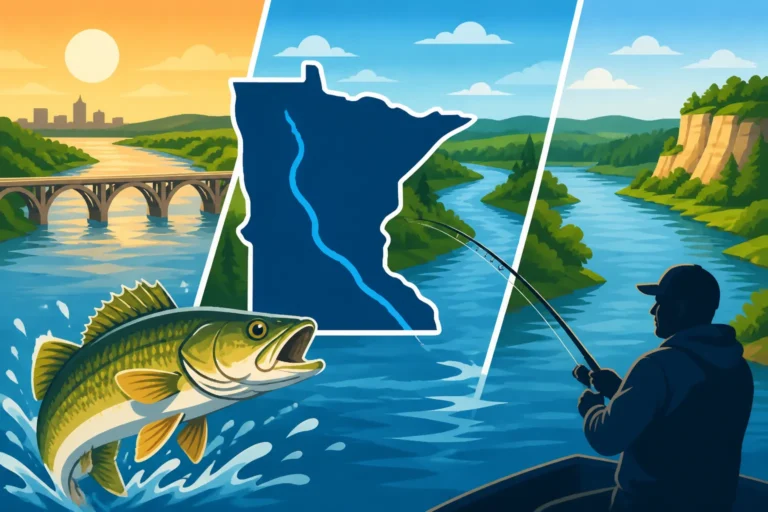
Let's not forget the mighty rivers that flow through and alongside our metro! The Mississippi River, as it carves its way through Minneapolis and St. Paul, offers incredibly diverse fishing. Below the dams (like the Ford Dam or Lock and Dam 1), you'll find excellent populations of walleye, sauger, northern pike, and a variety of catfish species. Catfishing on the Mississippi can be fantastic, especially during summer evenings. The St. Croix River, forming part of the border with Wisconsin, is another incredible fishery. It's known for its smallmouth bass, walleye, and excellent sturgeon fishing (with proper tags and regulations, of course). The river systems require different tactics than lake fishing, often involving current, wing dams, and deeper holes. Many local guides offer trips on these rivers, and it's a great way to experience a different side of metro angling. For those keen on unique experiences, you might even find opportunities to book a river fishing guide through FishingBooker. Remember to be mindful of Border Water Fishing Rules (Minnesota-Ontario, Wisconsin) if you venture onto the St. Croix.
Gear Up for Metro Fishing Success
Having the right gear can make all the difference, whether you're chasing trophy walleye on Minnetonka or pulling panfish from a city park pond. You don't need to break the bank, but investing in versatile, quality equipment will enhance your experience and increase your chances of success in the diverse waters of the Twin Cities metro.
Versatile Rod and Reel Setups
For the varied fishing opportunities in the metro, versatility is key. A good medium-light to medium power spinning rod, around 6'6" to 7' feet long, paired with a 2500-3000 series spinning reel, will cover most bases. This setup is perfect for throwing small jigs for panfish, casting lighter crankbaits for bass, and even handling smaller walleye and pike.
- For Panfish & Lighter Bass: A 6'6" medium-light fast-action rod with a 2500 reel spooled with 6-8 lb monofilament or fluorocarbon is ideal. This gives you sensitivity for light bites and enough backbone to manage panfish around cover.
- For Walleye & Pike: A 7' medium fast-action rod with a 3000 series reel spooled with 10-15 lb braided line (with a fluorocarbon leader) offers more power for larger fish and greater casting distance. This setup excels at jigging, throwing larger crankbaits, or working spinnerbaits.
Having two such setups can be incredibly beneficial, allowing you to quickly switch between techniques without re-tying. Brands like St. Croix Rods, based right here in Park Falls, Wisconsin, offer excellent quality options that are popular among local anglers and stand up to the rigors of frequent use.
Essential Baits and Lures
The metro lakes and rivers hold a smorgasbord of fish, and a diverse tackle box will serve you well. Here's a quick rundown of must-haves:
- Live Bait: Don't underestimate the power of live bait. Minnows (shiners, fatheads), leeches, and nightcrawlers are staples. They work for almost everything: walleye, pike, crappie, bluegill, and even bass. Local bait shops are your best resource for fresh, lively bait. Learn more about the efficacy of different options in Best Live Bait for Walleye (Leeches, Minnows, Crawlers).
- Jigs: From tiny 1/32 oz panfish jigs to 1/4-3/8 oz jigs for walleye and bass, these are workhorses. Tip them with soft plastics, live bait, or a combination. Popular colors include chartreuse, white, black, and pumpkinseed.
- Soft Plastics: Grubs, paddle tails, tubes, and worm imitations are incredibly versatile. They can be rigged on jigs, drop-shot rigs, or Texas-rigged for bass. Senko-style worms, for instance, are deadly on metro largemouth.
- Crankbaits: Small crankbaits (diving or shallow-running) are great for bass and walleye, especially when trolling or fan-casting flats and weed lines. Consider classic Rapala Shad Raps or Berkley Flicker Shads.
- Spinnerbaits/Spoons: Excellent for northern pike and aggressive largemouth bass, especially in and around weeds. Bright colors and flash are key. Daredevl spoons and Booyah spinnerbaits are reliable choices.
When heading out, don't forget essential accessories like pliers, a net, sunscreen, and polarized sunglasses, which can help you spot fish and submerged structure.
Seasonal Strategies for Twin Cities Fishing
Minnesota fishing is a year-round affair, and the Twin Cities metro is no exception. Each season presents unique challenges and opportunities, and understanding these patterns will drastically improve your success rates. From the excitement of the spring opener to the quiet solitude of ice fishing, there's always something to catch.
Spring Opener Excitement
Spring in the Twin Cities brings a surge of excitement, particularly with the walleye and northern pike openers in May. After the ice melts, fish are often hungry and found in shallower waters, making them more accessible. Walleye will be near spawning areas, river mouths, and warm, dark-bottomed bays. Slow-rolling jigs and minnows or casting shallow-diving crankbaits can be highly effective. Pike will also be active in shallow, weedy areas, eager to hit spoons and spinnerbaits. This is a fantastic time to hit lakes like Minnetonka or White Bear Lake. Crappie also become incredibly active and move into shallow bays and channels to spawn, offering some of the fastest action of the year on lakes like Bde Maka Ska or Medicine Lake. A small jig under a bobber can lead to non-stop fun. For detailed dates, always consult Minnesota Fishing Seasons & Opener Dates (2026).
Summer Structure and Weedline Tactics
As summer fully kicks in, fish generally move to deeper, cooler water or relate to specific structures. Walleye will transition to main lake points, rock reefs, and deep weed lines, often preferring live bait rigs (like a Lindy Rig with a leech or crawler) or trolled crankbaits in low light conditions. Bass will be found in and around dense weed beds, submerged timber, and docks. Early mornings and evenings are prime for topwater action, while during the day, flipping jigs or Texas-rigged plastics into heavy cover can yield big largemouth. Smallmouth will typically relate to deeper rock and gravel. Panfish, while still catchable shallow, will often suspend in deeper water over baitfish schools or retreat to the cooler, thicker weed beds. Electronics become invaluable for locating these deeper fish. Consider a fishing charter with a local guide through FishingBooker for an in-depth lesson on summer patterns.
Fall Turnover and Feeding Frenzies
Fall is a favorite season for many anglers, myself included. As water temperatures drop, fish often enter a pre-winter feeding frenzy. The "turnover" period, when the lake's water columns mix, can make fishing tricky for a week or two, but once it stabilizes, fishing can be phenomenal. Walleye will once again move shallower, often near rocky points and steep breaks, gorging on baitfish. Trolling crankbaits or casting blade baits can be highly effective. Pike are incredibly aggressive in the fall, readily attacking large spoons, jerkbaits, and big spinnerbaits. Bass will feed heavily, often grouping up on main lake structures. Panfish can also offer great action in fall, schooling up near deeper weeds or submerged brush piles. This is a fantastic time to target trophy fish before the ice sets in.
Ice Fishing Metro Lakes: A Winter Tradition
When the lakes freeze solid, the fishing doesn't stop in the Twin Cities. In fact, ice fishing is a cherished tradition, and the metro lakes offer some fantastic hardwater opportunities. You'll find ice houses dotted across Minnetonka, White Bear Lake, and Medicine Lake, targeting walleye and pike. Smaller lakes like Bde Maka Ska are popular for panfish. For walleye, jigging spoons or small Rapala Jigging Raps are effective, often tipped with a minnow head. Panfish respond well to tiny tungsten jigs tipped with wax worms or plastics. Always prioritize safety on the ice, checking ice thickness regularly. Many metro lakes are easily accessible, and you can even find local outfitters offering ice house rentals for a comfortable day on the hard water. For everything you need to know about fishing during the colder months, our Ice Fishing in Minnesota: Complete Beginner-to-Pro Guide is an essential read. Remember to be aware of Minnesota Ice Fishing & Shelter Rules, especially deadlines for removing shelters.
Local Resources and Guides
Even as a seasoned angler, tapping into local knowledge can dramatically improve your fishing success, especially when exploring new waters. The Twin Cities metro is fortunate to have a vibrant fishing community and excellent resources that can help you plan your next outing.
Bait Shops and Outfitters
Your local bait shop is more than just a place to buy worms; it's a hub of current, hyper-local information. Shops like Joe's Sporting Goods in St. Paul or Thorne Bros. in Blaine are institutions that offer an incredible selection of gear, but more importantly, their staff often have their fingers on the pulse of what's biting where, and with what bait or lure. Don't be shy about asking for advice on specific lakes, current conditions, or recommended techniques. They can tell you if the crappie are in the shallow weeds on Medicine Lake or if walleye are hitting on the mud flats of Minnetonka. These businesses thrive on local anglers, so they're genuinely invested in your success. Plus, supporting them helps keep these valuable community resources alive!
Utilizing Local Fishing Reports
Beyond bait shops, many online resources provide up-to-date fishing reports. The Minnesota DNR LakeFinder website is an invaluable tool for species information, lake maps, and regulations. Local fishing forums, social media groups, and dedicated fishing websites also often feature angler-submitted reports. Keep in mind that reports can be subjective and conditions change quickly, but they offer a great starting point. Apps like Fishbrain can also provide crowdsourced information on what's being caught and where. Some local resorts and guide services, particularly those catering to anglers on the bigger lakes, also publish their own detailed reports. Looking at these resources before you head out can save you precious fishing time and steer you towards the most productive waters.
Final Thoughts on Metro Fishing
Fishing the Twin Cities metro truly offers the best of both worlds: convenient access to high-quality angling opportunities alongside the vibrancy of city life. From chasing trophy walleye on Lake Minnetonka to reeling in a mess of bluegills with the kids on Bde Maka Ska, there's a fishing adventure waiting around every corner. It's a testament to Minnesota's incredible natural resources and the dedication of our DNR and local communities. So, next time you feel the itch to wet a line, don't automatically assume you need a long road trip. Look around, explore the lakes and rivers right here, and you might just discover your new favorite fishing spot. Tight lines, and happy fishing!
Disclaimer
Please note that fishing regulations, seasons, and limits are subject to change. Always consult the most current Minnesota Department of Natural Resources (DNR) Fishing Regulations Handbook or their official website before heading out on the water. This guide is for informational purposes only and does not supersede official regulations.