Upper & Lower Red Lake Fishing Guide
The vast, shimmering expanse of Upper and Lower Red Lake can be both an angler's dream and a bit of a mystery, especially for those new to its unique regulations and immense size. Many anglers feel overwhelmed trying to decipher the special rules or locate the best fishing spots on such a sprawling body of water. This comprehensive guide aims to demystify fishing on Red Lake, providing you with the essential knowledge, tips, and confidence to have a successful and enjoyable experience on one of Minnesota's most legendary fisheries.
Understanding Red Lake's Unique Character and History
Red Lake isn't just another big lake in Minnesota; it's a living, breathing entity with a rich history and a distinctive co-management structure that sets it apart from almost every other fishery in the state. This expansive body of water, primarily shallow and fertile, supports an incredible ecosystem that has sustained both fish and people for generations. Understanding its unique character is the first step to truly appreciating and successfully fishing its waters.
Upper Red Lake: The Walleye Powerhouse
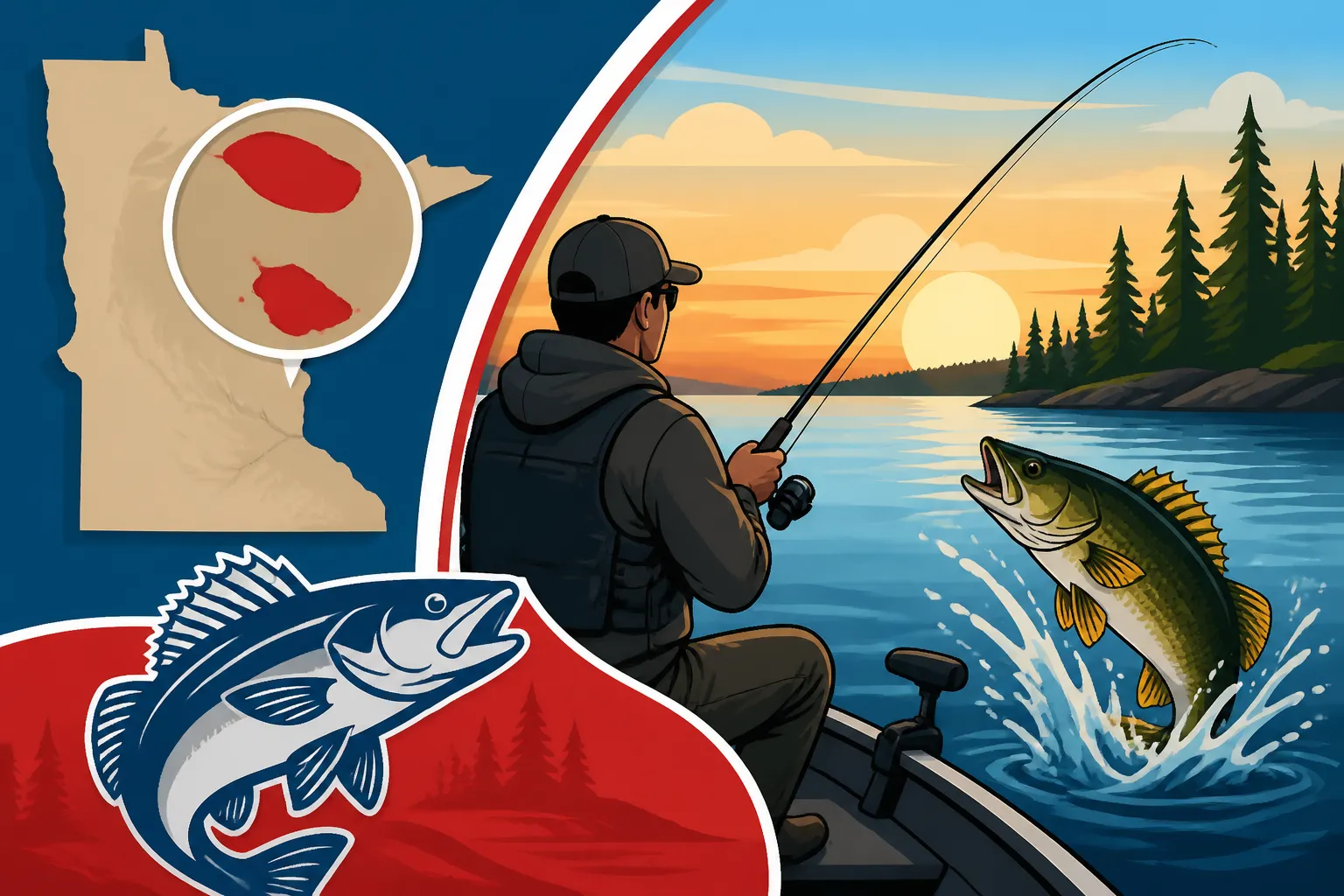
Upper Red Lake, often simply referred to as "Red Lake" by many anglers, is an enormous, shallow basin covering over 100,000 acres within the Red Lake Nation's sovereign territory. It's renowned as one of Minnesota's premier walleye fisheries, consistently producing abundant catches, especially during the ice fishing season. The lake's vast, relatively featureless bottom, punctuated by subtle breaks and mud flats, creates a fertile environment for forage and, consequently, healthy walleye populations. Its immense size can be intimidating, but understanding the lake's general structure and the seasonal movements of its fish can unlock incredible opportunities.
This portion of Red Lake is famous for its booming walleye populations, thanks in large part to the strong commitment to sustainable management by the Red Lake Nation Fisheries Department and the Minnesota DNR. Anglers often travel from across the Midwest to experience the fast action, particularly for those targeting dinner-plate sized walleye. The sheer volume of fish means that even on a slow day, you're likely to mark plenty of fish on your electronics. The broad, shallow nature of Upper Red Lake means that fish can be found in a wide variety of depths, from just a few feet to over twenty, depending on the time of year and forage availability. Many consider it a must-visit destination, especially if you're looking to catch a lot of fish rather than just a few trophy specimens.
Lower Red Lake: Cultural Significance and Access
Lower Red Lake, contiguous with Upper Red Lake but almost entirely within the Red Lake Nation's reservation boundaries, holds profound cultural and historical significance for the Red Lake Band of Chippewa Indians. Access to Lower Red Lake for non-tribal members is generally restricted to specific areas or through tribal-sanctioned activities. This strict management is a testament to the Band's sovereignty and their dedication to preserving their traditions and natural resources. While fishing opportunities are fewer for outside anglers on Lower Red, its health is intrinsically linked to Upper Red Lake, and the careful stewardship by the Red Lake Nation benefits the entire ecosystem.
The waters of Lower Red Lake are crucial for tribal sustenance fishing and cultural practices. It is a vital resource that has supported the Red Lake Nation for centuries, providing food, spiritual connection, and economic opportunities. Understanding and respecting these boundaries and cultural values is paramount when considering any visit to the greater Red Lake area. If you're interested in engaging with the Red Lake Nation or learning more about their practices, contacting the tribal government or a tribal business is the appropriate channel. While direct recreational fishing access for the general public might be limited here, the prosperity of Lower Red Lake directly contributes to the incredible fishing experiences available on Upper Red Lake.
Navigating Regulations and Conservation on Red Lake
Fishing on Red Lake comes with a unique set of rules that are distinct from most other Minnesota waters. This isn't just about fish limits; it's about respecting a cooperative management agreement between the Minnesota Department of Natural Resources (DNR) and the Red Lake Band of Chippewa Indians. This dual authority means that anglers need to pay extra close attention to the specific regulations, which can change seasonally or even mid-season, to ensure they're fishing legally and sustainably. Many anglers arrive assuming standard state rules apply, only to find themselves confused or, worse, in violation.
Special Walleye Regulations
The most significant aspect of Red Lake's regulations centers around walleye, its most prized species. Unlike many Minnesota lakes with complex slot limits, Red Lake often employs a more straightforward, yet carefully managed, bag limit. These limits are set annually, sometimes even adjusted more frequently, to ensure the long-term health of the walleye population. It's absolutely critical to check the most current regulations before you head out, as what was legal last year might not be this year. The Minnesota DNR website and the Red Lake Nation's website are the best sources for the absolute latest information. For specific details, you'll want to review the current Upper Red Lake Walleye Limit & Slot and Lower Red Lake Walleye Limit & Slot guidelines.
For instance, in recent seasons, the walleye limit on Upper Red Lake has often been a conservative bag of three walleye, with only one allowed over a certain length, such as 17 inches. This type of regulation is designed to protect the breeding stock while allowing anglers to keep a few fish for a delicious meal. It’s not uncommon to hear stories of anglers accidentally keeping an over-slot fish because they didn't double-check the rules, leading to fines and potential loss of fishing privileges. Always carry a current ruler or measuring tape and measure your fish immediately upon catching if you intend to keep them. This proactive approach ensures you're compliant and contributing to the conservation efforts that make Red Lake such a fantastic fishery.
Ice Fishing and Shelter Rules Specific to Red Lake
Ice fishing on Red Lake is an experience like no other, but its vastness and unique management require particular attention to Minnesota Ice Fishing & Shelter Rules. Given that much of Upper Red Lake lies within the Red Lake Nation's jurisdiction, some rules might vary or be enforced differently than on state-managed waters. For example, while the state has general deadlines for ice shelter removal, tribal lands may have slightly different expectations or enforcement procedures.
Anglers need to be especially mindful of the precise deadlines for removing ice shelters, not just due to state laws, but also out of respect for the tribal land and to prevent littering. You can find detailed information on these dates, which are crucial for compliance, in our guide on Ice Shelter Removal Deadlines in Minnesota. Beyond deadlines, understanding where you can place shelters, any size restrictions, and how to properly identify your shelter is key. Given the sheer number of ice houses that dot the lake in winter, clear marking of your shelter with your name and address is not just a rule, it's a practical safety measure. The cooperative management ensures that this incredible winter fishery remains healthy and accessible, provided anglers adhere to the guidelines.
Top Species to Target and How to Find Them
Red Lake is a multi-species haven, but it’s undeniably famous for its walleye. However, a trip to Red Lake can offer much more than just the prized "marble eyes." Knowing which species to target and understanding their typical habitats and seasonal movements will significantly increase your success rate and make your fishing trip even more rewarding. It’s frustrating to spend hours on the water without a bite, so let’s dive into where the fish are hiding.
Walleye Hotspots and Seasonal Movements
Walleye are the undisputed kings of Red Lake, drawing anglers from all corners of the country. Their abundance is legendary, particularly during the ice fishing season. While the lake is relatively shallow and can seem featureless, walleye movements are predictable once you understand their patterns. In winter, they tend to roam the vast mud flats, often congregating around subtle depth changes, old river channels, or humps, even those with only a foot or two of elevation. The key is to drill lots of holes and stay mobile, especially early in the season. As winter progresses, finding community holes or following the tracks of local guides can lead to success. You can often find a current Upper Red Lake Fishing Report & What's Biting to give you a head start on conditions.
During open water season, especially right after the walleye opener, fish can be found shallower, often relating to the shorelines and emergent weeds, particularly in areas like the Tamarack River or where the lake narrows. As summer progresses and water temperatures rise, walleye will move to deeper portions of the lake, still favoring those subtle mud flats and edges, but often in 10-15 feet of water. Trolling crankbaits or drifting with live bait rigs can be incredibly effective. Consider using a service like FishingBooker to connect with a local guide who specializes in Red Lake walleye; their expertise can cut down your learning curve significantly, especially on such a large body of water. They'll have the latest intelligence on the bite and the best techniques.
Crappie and Northern Pike Opportunities
While walleye often steal the spotlight, Red Lake also offers fantastic fishing for other species. Crappie populations have seen a resurgence in recent years, particularly in Upper Red Lake. These panfish can be found in similar areas to walleye, often suspending in schools over the mud flats or congregating around submerged timber and brush piles. During the ice fishing season, targeting crappie usually involves downsizing your presentation with small jigs tipped with plastics or a minnow head. Our guide on How to Catch Crappie Through the Ice in Minnesota provides excellent tips for these tasty fish.
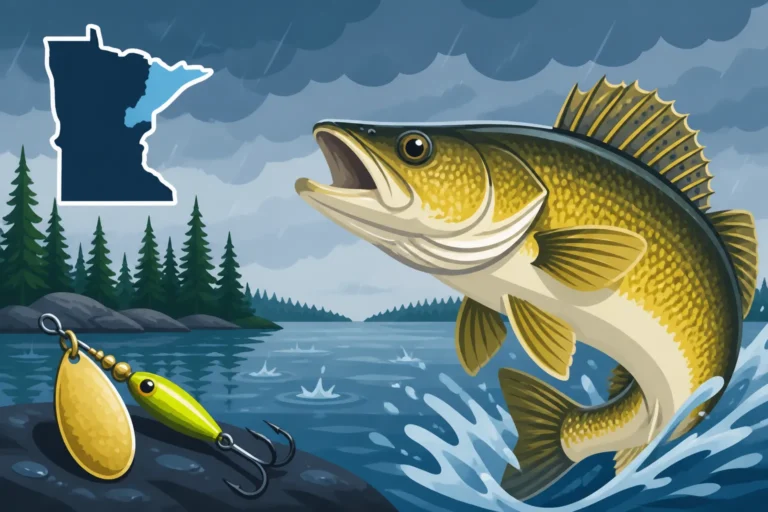
Northern pike, another popular species, are abundant throughout Red Lake. They are aggressive predators and can be caught using a variety of methods, from casting large spoons and spinnerbaits in the open water to setting up tip-ups with dead bait during ice season. Pike tend to frequent the weed lines, especially in the shallower bays and around the mouths of tributaries. They are often overlooked by walleye-centric anglers, providing a great opportunity for those looking for some hard-fighting action. Red Lake pike aren't generally trophy-sized compared to some other Minnesota lakes, but they offer consistent action and can be a lot of fun on lighter tackle. Always be prepared with a good set of pliers and jaw spreaders for safe hook removal with these toothy critters.
Here’s a quick overview of what to expect on each lake:
| Feature | Upper Red Lake | Lower Red Lake |
|---|---|---|
| Primary Access | Public landings, numerous resorts | Primarily tribal access, limited public access |
| Dominant Fishery | World-class Walleye, good Crappie, Northern Pike | Primarily tribal subsistence & cultural fishing |
| Typical Depth | Very shallow, averaging 6-8 feet | Also shallow, similar to Upper Red |
| Current Regulations | MN DNR & Red Lake Nation Co-Managed; variable | Red Lake Nation managed; restricted for non-tribal |
| Best Fishing Seasons | Ice Fishing, Spring Open Water, Fall | Limited recreational access for non-tribal members |
| Cultural Significance | Part of Red Lake Nation territory | Core of Red Lake Nation's sovereign territory |
Essential Gear and Techniques for Red Lake
Fishing on Red Lake, especially during the extreme conditions of winter, demands specific gear and refined techniques. Its vast, shallow nature means that traditional deep-water tactics often need to be adjusted. Coming prepared with the right equipment and a basic understanding of effective strategies will make all the difference between a frustrating trip and a memory-making experience. No one wants to be caught off guard by a gear malfunction or using the wrong approach when the fish are biting elsewhere.
Ice Fishing Gear for Red Lake's Extreme Conditions
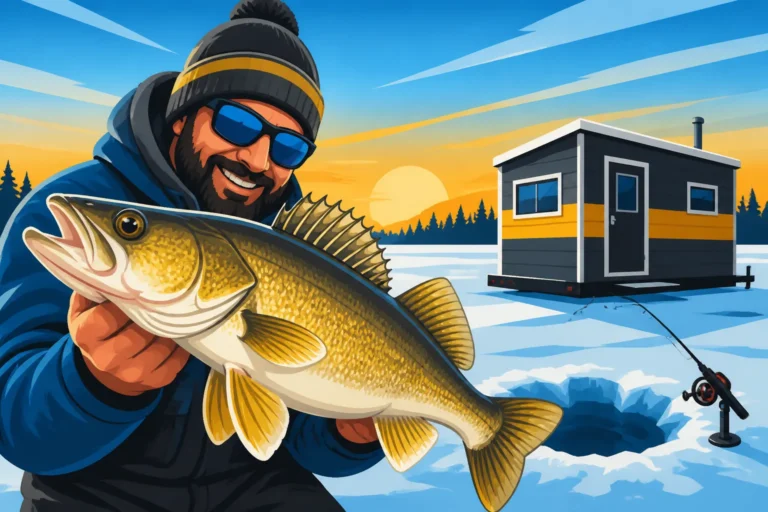
Ice fishing is arguably the most popular way to fish Upper Red Lake, and for good reason—the action can be phenomenal. However, the lake's immense size means exposure to harsh winds and brutal cold. A high-quality, insulated ice shelter is non-negotiable. Whether you opt for a portable flip-over from brands like Clam or Otter, or a more permanent wheelhouse, having protection from the elements is key. You'll also need a reliable ice auger; given the amount of drilling often required to find fish on the expansive flats, a powerful electric auger like a StrikeMaster Lithium 40V or a gas-powered model is highly recommended. Manual hand augers simply won't cut it for sustained use here.
Beyond shelter and auger, focus on warm clothing – think float suits from brands like Striker Ice or Clam, insulated boots, and proper layering. Electronics are also vital. A good flasher or a forward-facing sonar unit like Garmin LiveScope can help you locate subtle structure and individual fish in the vastness of the lake. For rods, a sensitive medium-light action rod is perfect for detecting subtle walleye bites, often paired with a small spinning reel spooled with light monofilament or fluorocarbon. Our comprehensive Best Ice Fishing Gear for Minnesota (2027 Guide) offers more detailed recommendations. When it comes to lures, a jigging spoon tipped with a minnow head, or a small jigging Rapala-style bait, are perennial favorites for walleye. And don't forget plenty of minnows!
Open Water Tactics for Success
During the open water season, the sheer size of Red Lake presents different challenges. Covering water efficiently is paramount. Trolling is a highly effective method, especially for locating active walleye on the mud flats. Medium-action trolling rods paired with line counter reels allow you to present crankbaits or spinner rigs at consistent depths and speeds. Precision is key when trying to hit those subtle breaks or follow contour lines on such a vast lake.
For those who prefer a more hands-on approach, drifting with live bait rigs (like a Lindy Rig or a plain hook and slip sinker) is another excellent tactic. Leeches, nightcrawlers, and minnows are all highly effective walleye baits on Red Lake. Our guide on Walleye Fishing Techniques: Complete Minnesota Guide delves deeper into these methods. Given the lake's shallow nature, weed lines and areas with emergent vegetation become more important structures to target for both walleye and northern pike, especially during the warmer months. Casting jig and plastic combinations or spoons can yield great results in these areas. While a boat is almost a necessity for effective open water fishing on Red Lake, even shore anglers can find success in designated public access points or resort areas, particularly during the early spring and late fall.
Access Points, Lodging, and Local Amenities
Planning a fishing trip to Red Lake requires more than just knowing where the fish are; it means understanding how to get there, where to stay, and what services are available. Given the lake's unique blend of state and tribal management, accessing certain areas and finding accommodations can feel a bit different than a typical Minnesota lake vacation. But don't worry, there are plenty of welcoming options available to ensure a comfortable and convenient stay.
Public Access and Resort Options
For Upper Red Lake, there are several key public access points managed by the Minnesota DNR, along with numerous private resorts that offer boat launches, ice road access, and various amenities. On the southern shore, you'll find popular public accesses like the one near Waskish, which provides good open-water launching and is a major hub for ice fishing access points. Other public points exist on the eastern and western edges as well.
However, the majority of access and services for recreational anglers come through the many resorts scattered around the lake. These resorts, such as Rogers on Red, JR's Corner, or West Wind Resort, are truly the backbone of the Red Lake fishing community. They often maintain extensive ice roads in the winter, making it safer and easier for anglers to reach prime fishing grounds. In the open water season, they offer cabin rentals, boat rentals, bait shops, and invaluable local knowledge. Many anglers book their entire trip through a resort, simplifying logistics. You can also explore options through online platforms like FishingBooker, which often list available guides and charters, many of whom operate out of these established resorts, ensuring you have a seamless experience from booking to casting. If you're looking for broader options for accommodations, check out our guide on the Best Fishing Resorts in Minnesota.
Planning Your Stay: Beyond the Fishing
Beyond the immediate fishing access, it's important to consider other amenities for your trip. While many resorts offer basic supplies like bait, tackle, and sometimes even hot food, you'll want to plan for groceries, gas, and any specialized equipment you might need. The nearby towns of Waskish and Baudette offer some services, but for a wider selection of shops and restaurants, you might need to venture a bit further to places like Bemidji or International Falls, depending on your starting point.
When planning your trip, consider the time of year. Summer and fall offer beautiful open-water experiences, while winter transforms the lake into an ice fishing metropolis. During peak ice fishing season, especially weekends, resorts and ice road access can get very busy, so booking accommodations well in advance is always a good idea. Remember, a portion of Upper Red Lake and almost all of Lower Red Lake are within the Red Lake Nation's sovereign territory. Respecting private property, tribal lands, and local customs will ensure a positive experience for everyone. Many resorts are family-friendly, offering more than just fishing, with opportunities for wildlife viewing, photography, and enjoying the serene northern Minnesota landscape.
Safety on Red Lake's Vast Waters
Red Lake's immense size and often unpredictable weather conditions mean that safety should always be your top priority, whether you're navigating by boat in the summer or by snowmobile in the winter. This isn't a small, sheltered pond where a minor oversight won't have significant consequences. The flat, open landscape provides little shelter from the elements, and conditions can change rapidly. Being prepared and cautious is key to a successful, and safe, fishing adventure.
Ice Safety and Navigation
Ice fishing on Red Lake is legendary, but its shallow, wind-swept nature can lead to highly variable ice conditions. While large areas can form thick, safe ice, pressure ridges, cracks, and areas of thinner ice can develop quickly, even in mid-winter. Never venture out without checking with a local resort or bait shop for current ice conditions and marked ice road routes. These local experts have the most up-to-date information on where it’s safe to travel and where to avoid. Always have proper safety gear, including ice picks, a spud bar for checking ice thickness, and a throw rope. Traveling in groups is always advisable, especially when exploring new areas.
Navigation on the ice is also critical. With limited landmarks on its vast expanse, white-outs during snowstorms are a real danger. A reliable GPS unit with detailed lake maps (like Navionics or LakeMaster) is absolutely essential. Mark your starting point and plan your route. Many anglers report getting disoriented quickly when visibility drops, sometimes only a few hundred yards from shore. It’s a chilling reminder that Red Lake's beauty comes with serious challenges. Furthermore, always make sure your ice shelter is secured against strong winds, as they can easily send unanchored shelters tumbling across the ice. For comprehensive advice, reviewing articles like "How to Ice Fish for the First Time in Minnesota" can give you a strong foundation, but always prioritize local, real-time advice for Red Lake.
Open Water Hazards and Weather
Open water fishing on Red Lake also carries its share of risks, primarily related to weather. Its shallow depth means that even moderate winds can quickly whip up significant waves, making travel dangerous for smaller boats. A calm morning can turn into a white-capping nightmare in a matter of hours. Always check the marine forecast before heading out, and be prepared to cut your trip short if conditions deteriorate. Having appropriate safety gear on board, including life jackets for all passengers, a fully charged cell phone, a marine radio (VHF), and an anchor, is non-negotiable.
Navigation is another factor. While GPS is helpful, knowing your way around by landmarks is less straightforward on such a flat lake. Submerged hazards are few, but knowing your boat's draft and staying clear of extremely shallow areas is wise. Red Lake's immense size also means that if your boat breaks down, help can be a long way off. Ensure your motor is in good working order and consider having a backup like a kicker motor. If you're ever in doubt about conditions or feel unprepared, consider hiring a local guide through a service like FishingBooker; they are experts in navigating these waters safely and efficiently, allowing you to focus on the fishing. Always let someone know your float plan—where you’re going and when you expect to return.
Disclaimer
Fishing regulations, conditions, and access points can change. Always consult the official Minnesota Department of Natural Resources (DNR) website and the Red Lake Nation Fisheries Department for the most current information before planning your trip. This guide is for informational purposes only and does not supersede official regulations.