Is the Mille Lacs Walleye Limit 1 or 3 This Year?
It's a common frustration for anglers in Minnesota, especially those who love fishing Mille Lacs Lake, to keep up with the ever-changing walleye regulations. One season it feels like you can keep a few, the next it's catch-and-release, and the constant adjustments can leave you scratching your head, wondering if the Mille Lacs walleye limit is 1 or 3 this year. This guide is here to cut through the confusion and give you the definitive answer for the upcoming 2026 season, along with insights into why these regulations fluctuate and how you can stay informed.
Understanding the Dynamic Nature of Mille Lacs Walleye Regulations
Mille Lacs Lake is a crown jewel of Minnesota fishing, renowned for its walleye fishery. However, managing such a significant resource requires constant vigilance, and that often means regulations need to adapt. It's not just arbitrary changes; there's a complex science and a delicate balance at play that directly influences how many walleye you can keep.
Why Mille Lacs Regulations Change So Often
The primary reason for the fluctuating walleye regulations on Mille Lacs Lake boils down to the health and sustainability of the walleye population. The Minnesota Department of Natural Resources (DNR) works tirelessly, often in partnership with Ojibwe Tribal Nations, to monitor the lake's ecosystem. They conduct extensive fall assessment netting to gauge the adult walleye population, which directly informs the annual harvest limits.
Several factors contribute to these changes:
- Population Health: This is the big one. If the walleye population, particularly the spawning stock, is strong and showing good recruitment (new fish entering the fishery), regulations might relax a bit. Conversely, if numbers are down, stricter limits are put in place to protect the future of the fishery.
- Spawning Success: A strong spawn means more young walleyes in the system. While it takes years for these fish to reach harvestable size, good year classes are essential for long-term stability.
- Angler Harvest Levels: The DNR tracks how many walleyes are being caught by state-licensed anglers. If anglers are harvesting fish at a faster rate than projected, adjustments might be necessary mid-season to stay within the agreed-upon state's share of the annual harvest.
- Co-Management with Ojibwe Tribes: Minnesota's state-licensed anglers share the Mille Lacs walleye harvest with the Ojibwe Tribes who hold treaty fishing rights. Each year, the state and the Tribal Nations negotiate an annual harvest level, and each party then sets its own regulations to stay within its allocated share. This collaborative approach ensures that everyone involved is working towards the long-term health of the lake.
- Environmental Factors: Changes in water clarity due to zebra mussels, the impact of spiny water fleas on the food web, and even water temperatures can influence walleye behavior, growth rates, and overall survival, all of which the DNR considers when setting regulations.
It's a complex puzzle, and the DNR's fisheries section managers, like Brad Parsons, often explain that these decisions are made to ensure the lake's continued health while also providing anglers with the opportunity to harvest fish when the population allows.
The Impact on Anglers: Frustration and Adaptation
For many of us who consider Mille Lacs a regular fishing destination, the shifting regulations can be genuinely frustrating. You plan a trip, stock your tackle box with your favorite walleye lures, only to find out the rules have changed since your last visit. This uncertainty can make it hard to confidently plan a fishing outing, let alone know what to expect when you get there.
The varying limits have, at times, led to periods of confusion and even disappointment for anglers who wish to take home a meal of fresh walleye. However, this dynamic approach is ultimately for the good of the fishery. We all want Mille Lacs to remain a premier walleye lake for generations to come, and sometimes that means adapting to catch-and-release periods or stricter slot limits. It requires a certain level of flexibility and a commitment to staying informed, but it’s a small price to pay for the chance to fish such an incredible body of water.
The Current Walleye Limit on Mille Lacs Lake (2026 Season)
Let's get right to the most pressing question. After all the careful monitoring and negotiation, the Minnesota DNR has announced the regulations for the 2026 Mille Lacs Lake fishing season.
Official 2026 Mille Lacs Walleye Regulations
For the 2026 open water season on Mille Lacs Lake, which began on Saturday, May 9, 2026, and will continue through Sunday, November 30, 2026, state-licensed anglers are allowed to keep three walleyes per day. This is a welcome continuation of the limit that was in place during the late summer and ice fishing season of the previous year, offering anglers a solid opportunity for harvest.
However, there's a crucial size restriction to remember:
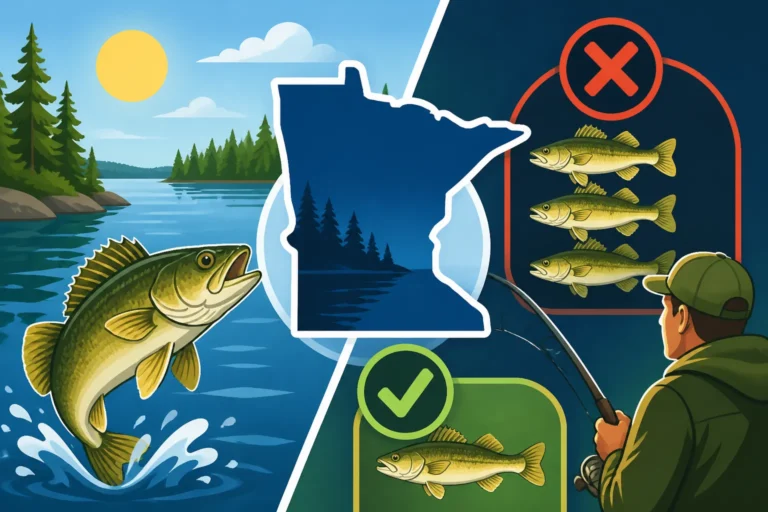
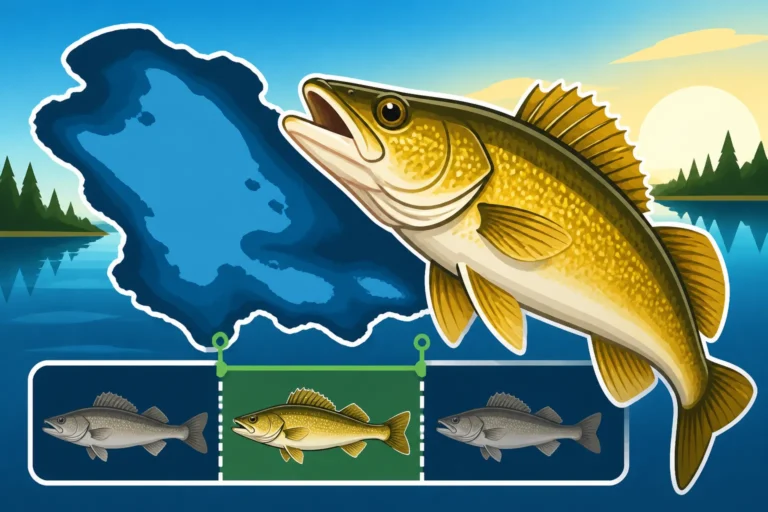
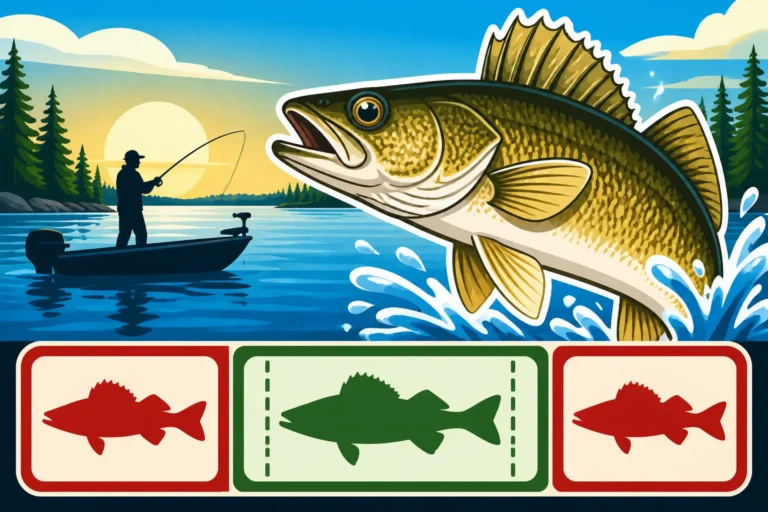
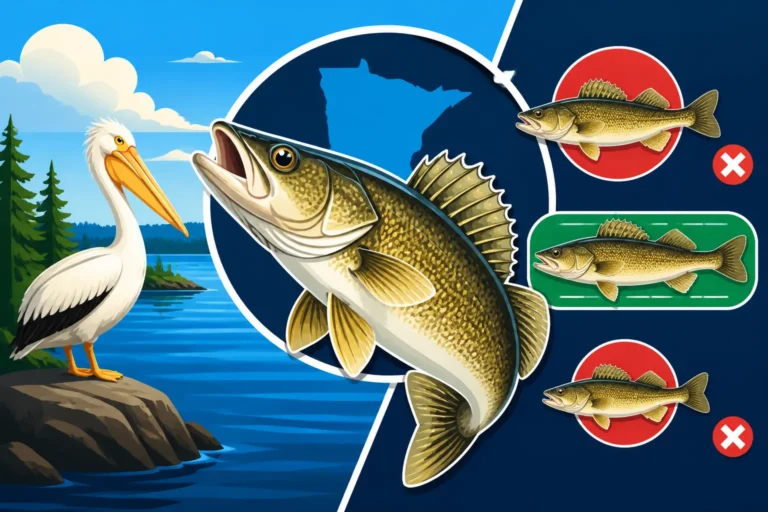
- All harvested walleyes must be at least 17 inches in length.
- Of the three walleyes in your possession, only one can be over 20 inches in length.
This means you could keep three walleyes all between 17 and 20 inches, or two in that range and one over 20 inches. Any walleye that does not meet these criteria must be immediately released back into the lake. This regulation is designed to protect larger, spawning-sized fish while allowing for harvest of a healthy proportion of the population.
Understanding the Slot Limit and Keeping Fish
The regulation described above is often referred to as a "slot limit" with a harvestable window. A slot limit is a management tool that dictates a specific size range of fish that can be kept, protecting fish outside that range. In this case, the "slot" is effectively for fish between 17 and 20 inches, with a single larger fish allowed as a bonus.
When you catch a walleye, you need to measure it accurately from the tip of the nose to the tip of the tail, with the fish lying flat. If it falls within the legal harvestable size range and you choose to keep it, it immediately counts towards your daily and possession limit. It's critical to understand that you cannot "cull" or swap fish. What does that mean? If you have three fish in your livewell and then catch a larger one that fits the regulations, you cannot release one of the smaller fish to replace it with the new, bigger one. Fish taken into possession are considered part of your bag limit and cannot be exchanged. The only exceptions to this "no culling" rule apply to bass, following statewide culling rules for that species.
This "no culling" rule is in place to reduce mortality. Every time a fish is handled, especially taken out of water, measured, and then potentially released, it causes stress. By discouraging culling, the DNR aims to minimize unnecessary stress and mortality on the walleye population.
Special Considerations: Winter vs. Open Water Seasons
The regulations announced by the Minnesota DNR for 2026 specifically cover the open water season, which began in May and runs through November 30. Typically, the DNR will announce separate regulations for the ice fishing season that follows, usually in the late fall or early winter. It's important not to assume that open water regulations automatically carry over to the ice season.
Historically, Mille Lacs walleye limits have been highly variable, often shifting between open water and ice seasons, and sometimes even within a single season if harvest quotas are approached too quickly. This makes it even more crucial to double-check the regulations before each trip, regardless of the time of year.
Navigating Mille Lacs Walleye Regulations: Practical Tips for Anglers
Keeping up with Mille Lacs regulations might seem daunting, but with a few proactive steps, you can ensure you're always fishing legally and responsibly.
Essential Resources for Staying Up-to-Date
The best way to avoid confusion is to go directly to the source. The Minnesota Department of Natural Resources (DNR) is your most reliable resource.
- DNR Website: The official Minnesota DNR website is updated regularly with the latest fishing regulations for all lakes, including Mille Lacs. Look specifically for the "Fishing Regulations" or "Lake Mille Lacs" sections. They often release news releases well in advance of the season opener, outlining the limits. You can find more comprehensive information about Mille Lacs Lake Fishing Regulations directly on their site.
- Local Bait Shops and Resorts: Don't underestimate the knowledge of the folks working at local bait shops around Mille Lacs. They are often the first to know about regulation changes and can provide real-time updates and clarifications. Resorts like Red Door Resort also often publish the current regulations on their websites. When you pick up your bait, take a moment to ask if there are any current advisories.
- DNR News Releases: Major regulation changes are always announced via DNR news releases. Signing up for email alerts from the DNR or following local news outlets that cover outdoor sports (like CBS Minnesota, FOX 9, KARE11, Lakeland PBS) can keep you in the loop.
Remember, while this guide provides the most current information, regulations can change mid-season if harvest levels warrant it. Always verify the latest information just before you head out.
Best Practices for Responsible Walleye Fishing on Mille Lacs
Beyond knowing the limits, adopting responsible fishing practices is vital, especially on a heavily managed lake like Mille Lacs.
- Measure Carefully: Always carry a reliable measuring board or tape. When a fish is close to a slot limit, be meticulous with your measurement. If there's any doubt, err on the side of caution and release it.
- Handle Fish with Care (Especially Released Fish): For walleyes you intend to release, minimize their time out of the water. Use a rubber-coated net to protect their slime coat, and handle them gently. If you're fishing in warmer water, consider using Catch and Release Best Practices in Minnesota to maximize survival rates.
- Use Appropriate Gear: Employing the right gear, such as the best walleye rods & reels, can help you land fish quickly, reducing their fight time and stress. When fishing with live bait like leeches or minnows, avoid deep hooking by using smaller hooks or circle hooks.
- Understand Why: When you understand the science and management behind the regulations, it's easier to follow them. Knowing that a 17-20 inch slot might be protecting vital spawning stock helps put the rules into perspective.
- Clean, Drain, Dispose: It's not directly a walleye regulation, but it's crucial for the health of Mille Lacs. Always remember to clean, drain, and dispose of unwanted bait and plant matter before leaving the access. This helps prevent the spread of aquatic invasive species (AIS), which can severely impact the lake's ecosystem and, in turn, its walleye population. You can learn more about Aquatic Invasive Species (AIS) Rules for Boaters.
What Happens If You Break the Rules?
Fishing without adhering to the daily limits, slot limits, or other regulations can lead to serious consequences. Penalties can include significant fines, forfeiture of fishing equipment, and even suspension of your fishing license. Conservation officers patrol Mille Lacs regularly, and they take these regulations very seriously, as they are essential for protecting the fishery. It's simply not worth the risk. Understanding Minnesota Fishing Limits: Bag & Possession (2026) is paramount to staying on the right side of the law.
Here’s a quick summary of the 2026 Mille Lacs Lake Walleye Regulations:
| Season | Daily Limit | Size Restrictions | Culling Allowed? | Notes |
|---|---|---|---|---|
| Open Water 2026 | 3 Walleye | 17 inches or greater; Only one over 20 inches | No | Effective May 9 – Nov 30, 2026 |
| Ice Fishing 2026-2027 | To Be Announced | (Check DNR website for winter regulations later this year) | No | Typically announced in late fall/early winter |
By staying informed and adhering to these rules, you're not just avoiding penalties; you're actively contributing to the long-term health and prosperity of one of Minnesota's most cherished fisheries. So go out, enjoy the world-class fishing Mille Lacs has to offer, and bring home some legal walleyes for the frying pan! You can also check out our comprehensive Mille Lacs Lake Fishing Guide: Walleye, Bass & More for more insights on fishing this amazing lake.
Disclaimer
Please note that fishing regulations, especially on dynamic lakes like Mille Lacs, can change without prior notice, even mid-season, based on the ongoing assessment of fish populations and harvest levels. While this article provides the most up-to-date information available at the time of writing (June 2026), it is crucial to always consult the official Minnesota Department of Natural Resources (DNR) website or the current Minnesota Fishing Regulations handbook before you head out. These official sources will provide the definitive and most current rules to ensure you are fishing legally and responsibly.