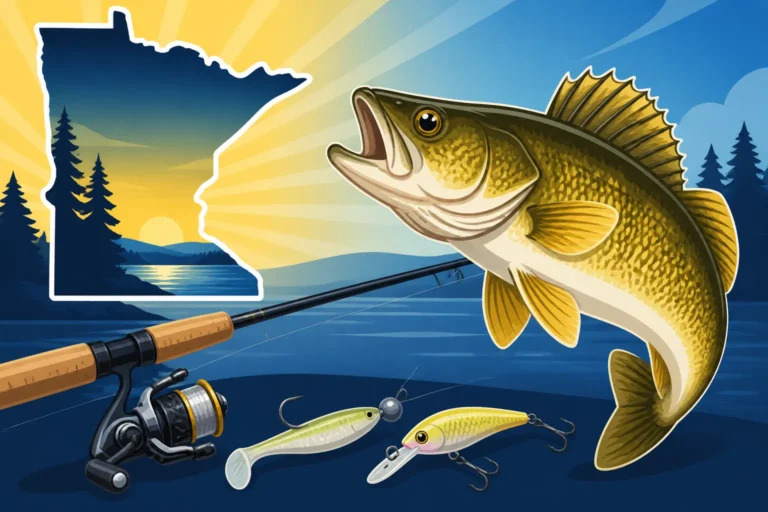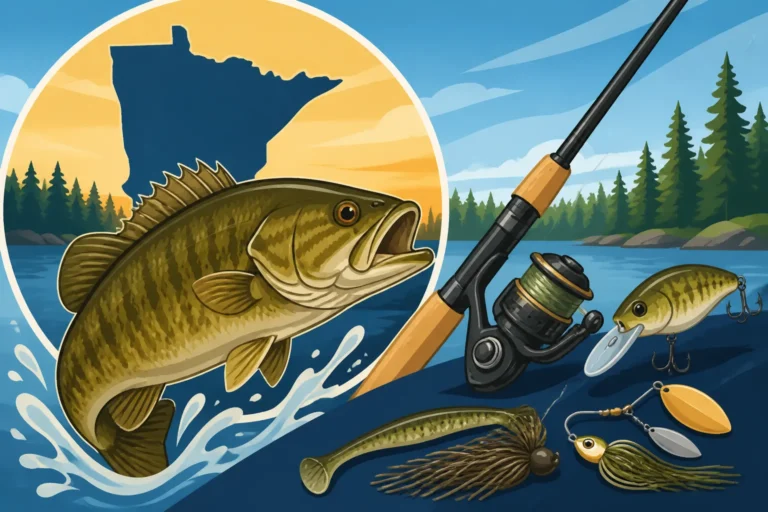
Best Tackle for Sauger in Minnesota
There's nothing quite like the subtle thump of a sauger bite, especially when you're targeting them in the deep, cold waters of a Minnesota river or a vast, murky lake. It's a different game than chasing their flashier walleye cousins, and many anglers get frustrated when their usual walleye gear just isn't cutting it for these elusive, bottom-hugging fish. This comprehensive guide is here to shed light on the best tackle for sauger in Minnesota, helping you put more of these tasty fish in your livewell by tailoring your setup specifically for their habits and habitats.
Understanding Sauger Behavior and Habitat in Minnesota
Before we even talk about specific lures or rods, it’s crucial to understand who you’re fishing for. Sauger are a distinct species from walleye, though they share many similarities. Their preferences for certain environments and feeding behaviors directly dictate the most effective tackle choices. Ignoring these nuances is often why anglers struggle to consistently catch them, even when they know sauger are present.
Where Sauger Live: Deep, Dark, and Current
Sauger are typically found in deeper, darker, and often more turbid waters than walleye. While walleye might suspend over open water or cruise weed lines, sauger are bona fide bottom dwellers. They thrive in environments where there's significant current, like large rivers or the deep channels of expansive lakes. Think about the Mississippi River, particularly the downstream sections, or the massive expanse of Lake of the Woods. These are prime sauger territories because they offer exactly what these fish prefer: low-light conditions and opportunities to ambush prey swept along by current.
On the Mississippi River, you'll find sauger hugging the bottom in scour holes, behind wing dams, and in the main river channel itself, often in depths ranging from 15 to 40 feet. They use the current to their advantage, positioning themselves where they can dart out and grab passing baitfish without expending too much energy. In lakes, look for them along deep breaks, around submerged islands, or in the deepest basins, especially areas with a subtle current from inflowing rivers or wind-driven circulation. These fish are light-sensitive, much like walleye, but seem to tolerate even lower light levels, making those deep, dark haunts their preferred homes. This preference means your tackle needs to be designed to get down quickly, stay on the bottom, and be visible (or detectable) in limited light. You can learn more about where these fish reside in our guide on Where to Catch Sauger in Minnesota.
Key Sauger Feeding Habits
Sauger are opportunistic predators, and their diet consists mainly of smaller fish like minnows, shad, and other forage species, as well as various aquatic invertebrates. They're not particularly picky, but their method of feeding is what matters most for tackle selection. Because they are so adapted to low-light conditions, their eyes are highly specialized, giving them an advantage over prey in dim environments. This adaptation also means they don't necessarily need bright sunlight to be active; they can feed effectively throughout the day in their deep, dark hideouts, and certainly during dawn, dusk, and even night.
Their feeding behavior often involves staying close to the bottom, waiting for prey to drift by. This "ambush predator" style means presentations that are near the bottom, move slowly, or mimic injured baitfish are often the most effective. They're less likely to chase a fast-moving bait high in the water column unless they're in a very aggressive feeding mood. Understanding this helps us choose the right lures and presentations that will put the bait right in their strike zone, without spooking them with overly aggressive movements.
Essential Rods and Reels for Sauger Fishing
Having the right rod and reel setup can make all the difference, especially when you're trying to detect those incredibly subtle sauger bites in deep water or strong current. You need a setup that offers both sensitivity and the power to control your presentation and fight the fish effectively. Many anglers use their walleye setups, and while there's overlap, fine-tuning for sauger can dramatically increase your success rate.
Choosing the Right Rod Action and Power
When it comes to sauger, sensitivity is king. Their bites can be incredibly light, feeling more like a slight weight increase or a spongy sensation rather than an aggressive tug. This calls for a rod with specific characteristics. Generally, a light to medium-light power rod is ideal. This power allows the rod blank to load easily, transmitting those faint takes up the line to your hands. A rod that's too heavy (like a medium-heavy walleye trolling rod) will feel numb to a sauger's delicate bite, leading to missed fish.
Paired with the right power, a fast to extra-fast action tip is critical. This means the rod bends mostly in the top third or quarter of the blank, providing a super sensitive tip that shows even the slightest tap. Crucially, a fast action tip also allows for quick, decisive hook sets. When you feel that subtle tap, you need to be able to set the hook instantly, driving it into the sauger's bony mouth. Rod lengths typically range from 6 feet to 7 feet 6 inches. Shorter rods (6-foot to 6-foot 6-inch) are excellent for vertical jigging directly below the boat, offering precise control. Longer rods (7-foot to 7-foot 6-inch) can be beneficial for casting lighter jigs or when using bottom bouncers, as they provide better line control and cushion during a fight. Many anglers find their go-to walleye jigging rods, often around 6'6" to 7' medium-light, fast action, are perfectly suited for sauger. You can read more about selecting specific rods in our guide on the Best Walleye Rod for Jigging.
Selecting a Reliable Reel
For sauger fishing, spinning reels are overwhelmingly the preferred choice. Their open-face design allows for smooth, effortless casting of light lures and easy line management, which is important when dealing with delicate presentations and subtle bites. Baitcasting reels, while great for heavier presentations or larger fish, often lack the finesse and sensitivity needed for small jigs and light lines.
When selecting a spinning reel, focus on a few key features. A reel in the 1000 to 2500 size range is typically perfect. These sizes are lightweight and balance well with the sensitive rods we just discussed. Look for a reel with a smooth drag system. A sauger might not be a huge fighter, but a sticky drag can lead to snapped lines, especially with light monofilament or fluorocarbon. A good quality reel from brands like Shimano, Daiwa, or even Pflueger will offer the smooth retrieve and consistent drag performance you need. Ball bearings contribute to smoothness, so a reel with 4-6 quality ball bearings is a good starting point. A reliable reel ensures you can feel the lightest bites, fight the fish without fear of equipment failure, and enjoy your time on the water without constantly battling your gear. You can often find excellent options for sensitive spinning reels at places like Bass Pro Shops, which offers a wide range of brands and price points.
Top Lures and Baits for Sauger in Minnesota
Now that we've covered the foundation, let's dive into the exciting part: what to tie on! Sauger are often caught using similar tactics to walleye, but with a leaning towards more vertical presentations and bottom contact. Having a versatile tackle box filled with proven sauger catchers will set you up for success, whether you're working a river current or a deep lake basin.
The Mighty Jig: A Sauger Staple
Jigging is, without a doubt, one of the most effective ways to catch sauger. Given their preference for bottom-hugging and ambush feeding, a jig presented vertically or dragged along the bottom is perfectly positioned.
- Lead Head Jigs: The classic lead head jig is indispensable. Weights typically range from 1/8 ounce in lighter currents or shallower depths, up to 1/2 ounce or even heavier in strong river currents or very deep water (30+ feet). The goal is to feel the bottom consistently without being swept away or spending forever getting down. Head styles like round heads, stand-up jigs, or aspirin heads are all effective.
- Colors: Sauger fishing often favors brighter, more visible colors in stained or deep water. Chartreuse, orange, hot pink, and glow-in-the-dark are perennial favorites. White and black can also be very effective, especially in clearer water or as a contrast in darker conditions. Experimentation is key, but always start with something vibrant.
- Soft Plastics: Tipping your jig with a soft plastic can add scent, bulk, and action. Paddle tails, grub tails (like Berkley Gulp! or Mister Twister grubs), and tube jigs are all excellent choices. A 3-inch or 4-inch soft plastic is usually a good size. The subtle tail action of a grub or paddle tail can entice a sauger that might ignore a plain jig. For active fish, a snappier retrieve with a paddle tail can work, while a slower drag-and-pause with a grub tail might be better for less aggressive sauger.
- Tipping with Live Bait: This is where many anglers seal the deal. Tipping your jig with a live minnow, especially a shiner, fathead, or rainbow minnow, is often the ultimate sauger presentation. The natural scent and subtle wiggling action are irresistible. Hook the minnow lightly through the lips or just behind the dorsal fin to keep it lively. Sometimes, a piece of a nightcrawler can also work. The combination of a brightly colored jig and a lively minnow is a deadly duo for sauger. You can delve deeper into live bait options in our guide on Best Live Bait for Walleye (Leeches, Minnows, Crawlers).
Crankbaits and Trolling Rigs
While jigging is paramount, trolling with crankbaits or various rigs can be incredibly effective for covering water and locating sauger, especially in large lakes or long stretches of river.
- Deep Diving Crankbaits: When sauger are holding in deep channels or along extensive break lines, trolling deep-diving crankbaits can be a fantastic way to target them. Lures like the Rapala Deep Tail Dancer, Berkley Flicker Shad Deep, or custom-painted Bandit Walleye Deep can reach depths of 20-30 feet or more, depending on line type and trolling speed.
- Colors and Sizes: Again, brighter colors can shine in deeper, darker water. Firetiger, chartreuse perch, and metallics are good starting points. Sizes typically range from 2 to 4 inches, mimicking the baitfish sauger feed on. The key is to run these baits near the bottom, occasionally ticking it, to stir up sediment and attract attention.
- Bottom Bouncer Rigs with Crawler Harnesses or Snelled Minnows: This is a tried-and-true method for sauger, particularly in current. A bottom bouncer ensures your bait stays near the bottom without constantly snagging. Pair it with a crawler harness (a series of hooks adorned with beads and blades, tipped with a live nightcrawler) or a snelled minnow rig (a single hook leader designed to present a live minnow naturally).
- Presentation: Troll these rigs slowly, just fast enough to get the blades spinning on the crawler harness or to give the minnow a natural swimming action. The intermittent bottom contact of the bouncer is key; it creates puffs of mud that can attract inquisitive sauger. This technique is especially potent on the Mississippi River or in the current-swept areas of Lake of the Woods. Many anglers find great success employing these methods, often used for their cousins as well. Learn more with our guide on Bottom Bouncer & Crawler Harness for Walleye.
Live Bait Rigs: When Natural is Best
Sometimes, the most natural presentation is what it takes, especially when fish are finicky or under pressure. Live bait rigs offer unparalleled realism and scent.
- Slip Bobber Rigs: While often thought of for shallow crappie or walleye, a slip bobber can be incredibly effective for sauger when they are concentrated around specific deep structure like a submerged rock pile or a subtle depth change. The slip bobber allows you to suspend a live minnow at a precise depth, usually just above or right on the bottom. The key is to use enough weight to quickly get your minnow down to the strike zone, especially in current. A lively shiner or fathead under a slip bobber can be irresistible to a sauger. Master this technique with our guide on How to Use a Slip Bobber for Walleye & Crappie.
- Lindy Rigs: Named after the legendary Al Lindner, the Lindy Rig is a simple yet deadly live bait presentation. It consists of a walking sinker (often an egg sinker or walking sinker) that slides freely on your main line, followed by a small swivel, and then a fluorocarbon leader (typically 3-6 feet) with a hook. This setup allows your minnow to swim naturally, unhindered by the weight, which stays on the bottom.
- How to Fish It: Slowly drag or drift the Lindy Rig along the bottom. The walking sinker ticks along, and your minnow follows a few feet behind, presenting a completely natural look. Sauger will pick up the minnow, and because the line slides through the sinker, they won't feel resistance. You simply wait for the line to load up before setting the hook. This rig is particularly effective when sauger are scattered or when they're less aggressive.
Line Choices and Terminal Tackle for Sauger
The connection between you and the fish is your line, and every piece of terminal tackle plays a critical role in your success. For sauger, who are known for their subtle bites and often inhabit abrasive environments, the right choices here are paramount. Don’t skimp on quality, as one weak link can unravel a perfect presentation.
Optimal Fishing Line for Sensitivity and Strength
Choosing the correct fishing line is often overlooked, but it's a game-changer for sauger. You need a line that offers a delicate balance of sensitivity to detect faint bites, strength to handle unexpected snags or larger fish, and low visibility in clear water.
- Braid for Main Line: Many experienced sauger anglers prefer braided line for their main line. Braid has virtually no stretch, offering superior sensitivity that transmits even the lightest tap from deep water. Its thin diameter for its breaking strength also cuts through current better, helping your bait get down and stay down. Use 6-10 lb test braid. The only downside is its visibility, which is why a leader is almost always necessary.
- Fluorocarbon Leaders: This is non-negotiable when fishing braid for sauger, and even beneficial with monofilament. Fluorocarbon is nearly invisible underwater, mimicking the refractive index of water, making it much harder for fish to detect. It also offers good abrasion resistance, which is vital when fishing around rocks, shells, and other bottom structure where sauger live. Use a 4-8 lb test fluorocarbon leader, typically 3-6 feet long, connected to your braid with a small swivel or a reliable knot like an Alberto knot or an FG knot. Amazon and other online retailers offer a vast selection of quality fluorocarbon leader material from brands like Seaguar and Berkley.
- Monofilament for Specific Situations: While braid with a fluoro leader is often best, monofilament line (4-8 lb test) still has its place. It has a slight stretch, which can act as a shock absorber, preventing hooks from tearing out of a sauger's mouth during a head shake. It's also less visible than braid and more forgiving for beginners. However, its stretch reduces sensitivity, making those subtle bites harder to detect. It’s a good choice for trolling crankbaits or bottom bouncers where some stretch is acceptable, or even beneficial, and constant bottom feel isn’t as critical as it is with vertical jigging.
Essential Terminal Tackle: Swivels, Leaders, and Hooks
The small components you tie onto your line are just as important as your main line. They ensure your presentation moves naturally, prevents line twist, and secures your catch.
- Small, Quality Swivels: When using live bait rigs or bottom bouncer setups, a small, high-quality barrel or ball-bearing swivel is crucial. Its primary job is to prevent line twist, especially when using a minnow that might spin in the current or when retrieving a twisted line. A size 10 or 12 black swivel is usually sufficient and less visible. Don't use oversized swivels, as they can spook fish.
- Fluorocarbon Leaders: As mentioned, fluorocarbon leaders are vital for invisibility and abrasion resistance. They create a buffer between your visible main line and your bait. Pre-tied leaders are convenient, but tying your own allows for customization of length and strength. When fishing for sauger, who are often in abrasive, current-swept areas, a strong yet thin leader is a must.
- Hook Types and Sizes for Live Bait: When fishing live bait, the hook choice can be critical.
- Aberdeen Hooks: These hooks are light-wire, which is great for keeping minnows lively. The fine wire also bends out when snagged, allowing you to often retrieve your rig from snags in rocky areas. Sizes 4, 6, or 8 are common for sauger minnows.
- Octopus Hooks: These hooks have a short shank and a wider gap, often used for a natural presentation and excellent hook penetration. They are a good all-around hook for live bait. Sizes 4 or 6 are typical.
- Jig Hooks: If you're tying your own jigs or using plain jig heads, ensure the hook is sharp and strong enough to handle a sauger. A quality hook will make a huge difference in your hook-up ratio.
Getting your tackle dialed in for sauger means understanding their unique habits and preferences. By focusing on sensitive rods, reliable reels, and presentations that put your bait right in their deep, dark zone, you'll be well on your way to consistent success. Whether you're vertical jigging the Mississippi or slowly trolling the vast waters of Lake of the Woods Fishing Guide, the right gear transforms frustration into triumph.
Here's a quick summary of key tackle recommendations for sauger:
| Tackle Category | Specific Recommendation | Key Features for Sauger | Common Sizes/Weights |
|---|---|---|---|
| Rod | Spinning Rod | Light to Medium-Light Power, Fast to Extra-Fast Action | 6'0" – 7'6" |
| Reel | Spinning Reel | Smooth Drag, Lightweight, Good Ball Bearings | 1000 – 2500 Series |
| Main Line | Braided Line | No Stretch, High Sensitivity, Thin Diameter | 6-10 lb Test |
| Leader | Fluorocarbon Leader | Low Visibility, Abrasion Resistance | 4-8 lb Test, 3-6 ft length |
| Jigs | Lead Head Jigs (Round, Stand-up) | Consistent Bottom Contact, Attractant Colors | 1/8 oz – 1/2 oz |
| Soft Plastics | Grub Tails, Paddle Tails, Tube Jigs | Added Action, Scent (e.g., Berkley Gulp!) | 3-4 inches |
| Live Bait | Minnows (Shiners, Fatheads) | Natural Scent & Action, Irresistible | 2-4 inches |
| Crankbaits | Deep Diving Crankbaits | Reaches Deep Depths, Vibrant Colors | 2-4 inches |
| Bottom Bouncers | Wire Frame Bottom Bouncer | Keeps Bait on Bottom, Reduces Snags | 1/2 oz – 2 oz (depending on current/depth) |
| Hooks | Aberdeen, Octopus | Keeps Minnow Lively, Good Penetration, Bend-out (Aberdeen) | Size 4, 6, 8 |
| Swivels | Barrel or Ball-Bearing Swivels | Prevents Line Twist, Small & Discreet | Size 10-12 |
Remember, while these are general guidelines, the specific conditions on your chosen body of water – be it the Mississippi River, Lake of the Woods, or other productive Minnesota River Fishing: Mississippi, Minnesota & St. Croix spots – will always dictate the finer points of your tackle choice. Don't be afraid to experiment with different lure colors, retrieve speeds, and bait sizes until you find what the sauger are biting on that particular day. For more comprehensive insights into sauger fishing, check out our in-depth guide on How to Catch Sauger in Minnesota (Step by Step). Mastering these subtle differences is key to becoming a truly successful sauger angler. These tips can even benefit your general Walleye Fishing Techniques: Complete Minnesota Guide.
Disclaimer
Fishing regulations and best practices can change. Always consult the latest Minnesota Department of Natural Resources (DNR) regulations before heading out on the water. This guide is for informational purposes only and does not constitute legal or professional advice.