Best Headlamp for Ice Fishing
There's nothing quite like the crisp air and serene quiet of a Minnesota ice fishing trip, but when daylight fades, suddenly those peaceful moments can turn into a fumbling, frustrating mess. Trying to tie a tiny knot with numb fingers in the dim glow of a phone screen, or worse, tripping over your auger in the dark, is a scenario many of us have faced. This guide is here to ensure your nights on the ice are bright, safe, and productive, walking you through everything you need to know to choose the best headlamp for your ice fishing adventures.
Why a Good Headlamp is Non-Negotiable for Ice Fishing in Minnesota
Let's be real: ice fishing in Minnesota often means battling the elements, and those elements don't stop just because the sun goes down. A reliable headlamp isn't just a convenience; it's a critical piece of safety and efficiency gear that can make or break your night on the ice. From early morning setups to late-night bites, you're going to need hands-free illumination.
Navigating in Low Light and Darkness
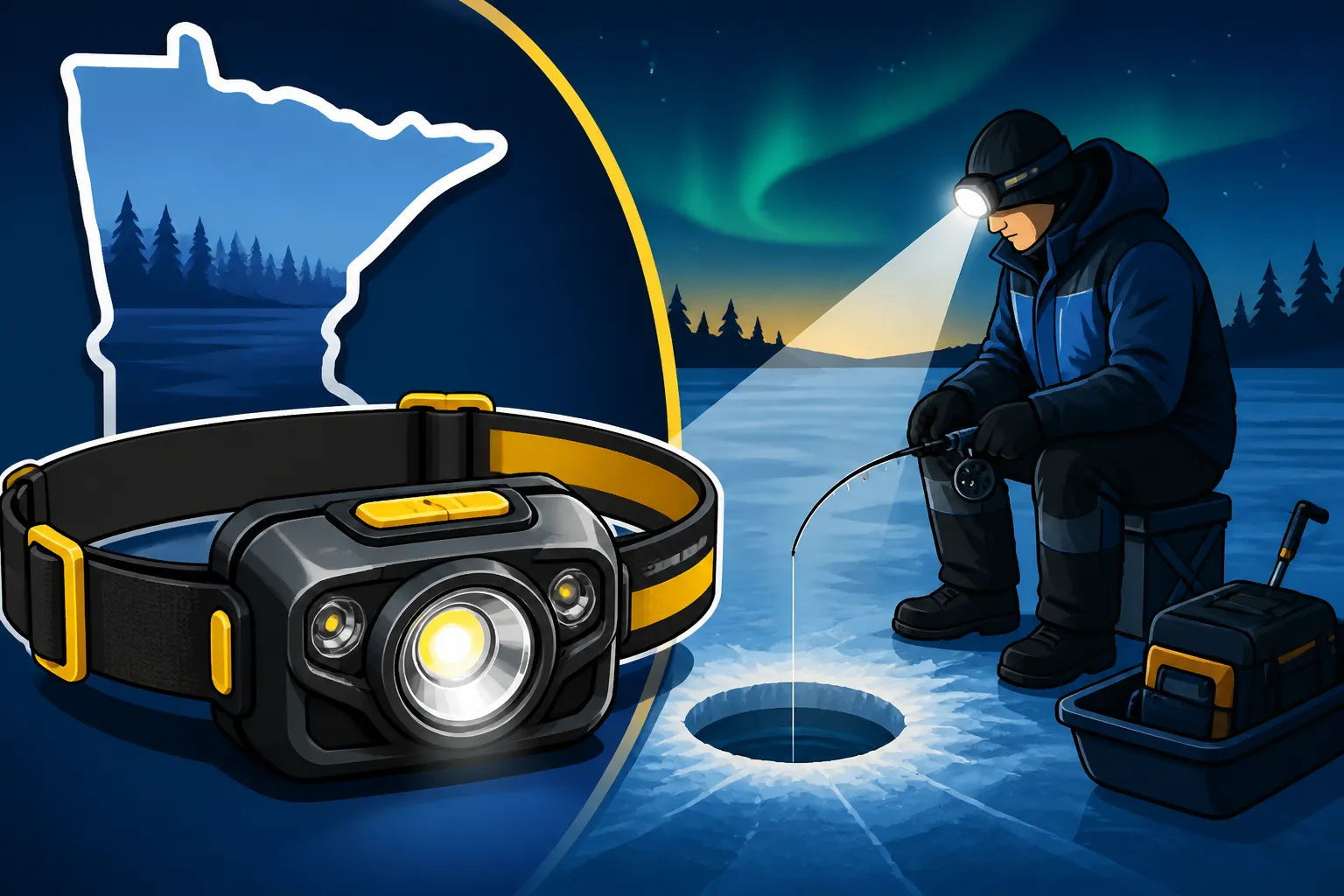
Imagine this: it's 5 AM, still pitch black, and you're hauling your sled full of gear across a frozen lake to your favorite spot on Mille Lacs. The ice is bumpy, there might be a few slush pockets hidden under a fresh dusting of snow, and you're trying to set up your portable shelter. Without a good headlamp, you're essentially stumbling blind, risking a twisted ankle, or worse, losing essential gear in the snow. A powerful beam cutting through the darkness allows you to see potential hazards, find your way around other anglers' shelters, and even spot the tell-tale shimmer of a freshly drilled hole. It's about getting to your spot safely and setting up without unnecessary drama.
Rigging and Re-Tying in Frigid Conditions
This is where a headlamp truly shines – pun intended! Think about trying to thread a tiny jig with a small minnow on a 4-pound test line when your fingers are half-frozen and it's barely light enough to see. It's an exercise in extreme frustration, often leading to wasted time, dropped bait, or poorly tied knots that cost you fish. A headlamp gives you direct, hands-free light exactly where you need it, illuminating your tackle box, allowing you to quickly change lures, check your line for nicks, or even perform delicate tasks like tying on a new leader for a finicky walleye. When the crappies are biting like crazy, you don't want to miss precious minutes fumbling in the dark. It’s an absolute game-changer for maintaining efficiency, especially when trying to follow the complex rules like those for Minnesota Walleye Limit & Size Rules or Minnesota Crappie & Sunfish Limits.
Safety and Signaling
Beyond just seeing where you're going or what you're doing, a headlamp plays a vital role in your overall safety on the ice. If you're out alone, or even with a group, having a visible light source makes you much easier to spot. This is crucial if you run into an emergency, like falling through thin ice (heaven forbid!), or simply need to signal to a friend across the lake. Many headlamps come with strobe or S.O.S. modes, which can be invaluable in a dire situation. Furthermore, walking across a busy lake, especially near popular spots like Upper Red Lake or Lake of the Woods, with snowmobiles and ATVs zooming around, a headlamp makes you visible to others, reducing the risk of collisions. Always consider the safety aspect when heading out, and a good headlamp is just as important as a spud bar or ice picks.
Key Features to Look for in an Ice Fishing Headlamp
Choosing a headlamp isn't as simple as grabbing the cheapest one off the shelf. The unique demands of ice fishing in Minnesota – extreme cold, moisture, and the need for precision – mean you need to be pickier. Let's break down what really matters.
Brightness and Beam Options
This is probably the first thing most people consider, and for good reason. Lumens indicate brightness, and while more isn't always better (it can drain batteries faster and create blinding glare off the ice), a decent lumen count is essential.
- Lumens: For general tasks like walking to your spot, setting up a shelter, or landing a fish, 150-300 lumens is usually sufficient. If you need to spot something far off, or prefer a super bright beam for certain tasks, some headlamps offer 500+ lumens. Just be mindful of other anglers; nobody likes to be momentarily blinded by an accidental sweep of a powerful beam.
- Flood vs. Spot Beams: Many modern headlamps offer adjustable beams. A spot beam is a concentrated, narrow light that projects far, great for scanning the ice ahead or identifying landmarks. A flood beam provides a wide, diffuse light, perfect for illuminating your immediate workspace inside your ice shelter or when rigging up your rod. The best headlamps for ice fishing offer both, allowing you to switch between them as needed.
- Red Light Mode: This is a crucial feature that many anglers overlook. Red light doesn't constrict your pupils as much as white light, meaning it preserves your night vision. This is incredibly important when you need to quickly glance at your surroundings, look up at the stars, or peer into a dark corner of your shelter without losing your "night eyes." It's also less disruptive to other anglers and, some believe, less likely to spook fish if you're fishing in a portable shelter. Many top-tier headlamps, like those from Fenix or Black Diamond, include this.
Battery Life and Type
Cold weather significantly impacts battery performance, so this is a critical consideration for ice fishing.
- Cold Weather Performance: Standard alkaline batteries lose power rapidly in sub-freezing temperatures. Lithium batteries, however, perform much better in the cold. Look for headlamps that either come with lithium-ion rechargeable packs or are compatible with disposable lithium AA or AAA batteries.
- Rechargeable vs. Disposable: Rechargeable headlamps are convenient and environmentally friendly. Many come with USB charging, which is great if you have a power bank in your ice shelter. However, always carry a spare, fully charged battery pack or disposable lithium batteries as a backup. There's nothing worse than your light dying when the bite is on! If you opt for disposable batteries, stock up on those lithium ones from a place like Bass Pro Shops before your trip.
- Runtime: Check the manufacturer's specified runtime, but remember these are often based on ideal conditions (not freezing temps) and usually for the lowest brightness setting. Assume a shorter runtime in extreme cold, especially on higher settings. Aim for a headlamp that offers at least 8-10 hours on a medium setting.
Durability and Water Resistance
The ice is a tough environment. Gear gets dropped, exposed to slush, and sometimes even takes a dip in the fishing hole.
- IPX Ratings: Look for an IPX rating, which indicates water resistance. An IPX4 rating means it can withstand splashes from any direction, which is generally good enough for snow and light rain. An IPX7 or IPX8 rating means it can be submerged for a short period, offering superior protection if it accidentally falls into a slush puddle or even a shallow auger hole.
- Rugged Construction: Ice fishing gear takes a beating. Look for headlamps with robust casings, often made of durable plastics or aluminum, that can withstand accidental drops onto hard ice or concrete. Brands like Petzl are known for their rugged designs that hold up season after season.
Comfort and Fit
You'll be wearing this thing for hours, often over a winter hat or under a hood. Comfort is key.
- Adjustable Straps: Ensure the strap is easily adjustable, even with gloves on. A wide, elastic strap tends to be more comfortable and stable than a thin one.
- Weight and Balance: A lightweight headlamp is less likely to cause neck strain, especially during long nights. The battery pack placement also affects balance; some have the battery at the front, others at the rear. Try a few on if possible to see what feels best for you over your winter headwear. No one wants a headlamp that bounces around every time you move your head, especially when trying to focus on a sensitive Best Ice Fishing Jigging Cadence for Walleye.
Top Headlamp Brands and Models Recommended for Ice Anglers
With so many options out there, it can feel overwhelming to pick the right headlamp. Let's look at some trusted brands and features that make certain models stand out for Minnesota's ice fishing scene.
Popular Choices for General Use
For most casual to serious ice anglers, a mid-range headlamp will cover all the bases without breaking the bank. These models offer a great balance of features, brightness, and reliability.
- Petzl Actik Core: This is a fantastic all-around option. It boasts excellent brightness (often around 450 lumens), multiple beam patterns including red light, and a comfortable, adjustable strap. The "Core" version comes with a rechargeable battery that performs well in the cold, but it can also run on standard AAA batteries, offering great versatility. Petzl is known for its durable, user-friendly designs, and the Actik Core is a favorite among outdoor enthusiasts for a reason.
- Black Diamond Spot 400: Black Diamond is another highly respected name in headlamps, especially for cold-weather activities. The Spot 400 offers a strong 400-lumen output, an IPX8 waterproof rating (meaning it can handle being submerged!), and a range of useful features like PowerTap technology for instant brightness adjustments. It runs on AAA batteries, so consider stocking up on lithium ones for best cold-weather performance. It's a rugged, reliable choice you can trust even in slushy conditions.
- Coast XPH30R: This headlamp is a bit of a powerhouse, often found in the 1000-lumen range on its highest setting. What makes it great for ice fishing is its magnetic attachment system, allowing you to easily remove the light from the headband and stick it to any metal surface in your ice house for hands-free area lighting. It's rechargeable and durable, offering excellent value for its performance. You can often find these at big box retailers or online at Amazon.
Advanced Options for Serious Anglers
If you're spending countless hours on the ice, fishing overnight in a permanent house, or venturing far into the wilderness, you might want a headlamp with even more robust features and power.
- Fenix HP30R V2.0: This is a beast of a headlamp, designed for serious adventurers. It features a separate battery pack that can be clipped to your belt or stored in a pocket, keeping the batteries warmer and extending their life in extreme cold. It pushes out up to 3000 lumens, has multiple flood and spot beam options, and uses two 21700 rechargeable batteries for immense runtime. While overkill for some, for those needing maximum power and runtime in the harshest Minnesota winters, this is a top contender.
- Ledlenser H15R Work: Ledlenser is known for its precision engineering and powerful beams. The H15R Work model is built to withstand demanding conditions, featuring a high IP67 water and dust resistance rating. It offers up to 2500 lumens, a super-wide flood-to-spot beam adjustment, and a long-lasting rechargeable battery. Its robust construction and exceptional brightness make it ideal for those who demand the absolute best from their gear, whether you're setting up a full-size ice castle or navigating dense snowdrifts.
Where to Find Your Next Headlamp
When you're ready to invest in a new headlamp, you have a few excellent options for where to purchase.
- Local Sporting Goods Stores: Places like Gander Outdoors (formerly Gander Mountain) or local bait shops often carry a selection of reliable headlamps. The big advantage here is being able to physically try them on, feel the weight, and check the strap comfort over your favorite winter hat. You can also get immediate advice from experienced staff who understand the specific needs of ice anglers in Minnesota.
- Big Box Retailers: Stores like Bass Pro Shops and Cabela's will have a wide array of headlamps from various brands. They often have competitive pricing and frequent sales, making it a good place to find a deal. You can usually try on models here too, though the selection might be more geared towards general outdoor use rather than specialized ice fishing.
- Online Retailers: Sites like Amazon offer the largest selection, often with customer reviews that can be incredibly helpful. You can compare specs and prices from dozens of brands at your leisure. Just remember that you won't be able to try the headlamp on before buying, so pay close attention to reviews regarding comfort and fit.
- Specialty Outdoor Gear Shops: Retailers focused on climbing, hiking, or camping gear often stock high-quality headlamps from brands like Petzl and Black Diamond, which are perfectly suited for the demands of ice fishing. While they might be pricier, the expertise of the staff and the quality of the products are often worth it.
No matter where you choose to shop, always do your homework. Read reviews, compare specifications, and consider what features are most important for your personal ice fishing style and the conditions you typically encounter in Minnesota.
Tips for Maximizing Your Headlamp's Performance on the Ice
Having a great headlamp is one thing; using it effectively and keeping it in top shape in frigid conditions is another. A few simple practices can significantly extend its life and ensure it's always ready when you need it.
Battery Management in the Cold
This is arguably the most crucial aspect of headlamp performance when ice fishing. Batteries and extreme cold do not mix well, but there are ways to mitigate the impact.
- Keep Batteries Warm: Your headlamp's batteries will drain faster in the cold. When not actively using your headlamp, or if you're taking a break in a heated ice house, remove the batteries and keep them in an inside pocket close to your body. This warmth will help them retain their charge much longer. Some advanced headlamps, like the Fenix HP30R, have remote battery packs that allow you to do this automatically.
- Use Lithium Batteries: As mentioned, lithium disposable batteries (like Energizer Ultimate Lithium AA/AAA) are far superior to alkaline batteries in cold weather. They maintain their voltage better and last longer. If your headlamp uses these, always opt for lithium for ice fishing.
- Carry Spares: Even with the best battery management, things can go wrong. Always, always carry a set of fresh, warm spare batteries or a fully charged extra battery pack. Store them safely in a waterproof bag or container to protect them from moisture. Imagine having a big fish on your Ice Fishing for Walleye: Tactics & Setups and your light goes out!
Proper Usage and Maintenance
A little care goes a long way in ensuring your headlamp is reliable season after season.
- Avoid Direct Eye Contact: This might seem obvious, but be mindful of your beam direction, especially with powerful headlamps. Avoid shining it directly into others' eyes, which can be disorienting and uncomfortable. Use the red light mode whenever possible to avoid disturbing other anglers' night vision.
- Clean Regularly: After each trip, especially if it's been slushy or snowy, wipe down your headlamp with a dry cloth. Check for any moisture around the battery compartment or lens. Salt from de-icing agents on roads or even sweat can corrode contacts over time.
- Store Properly: When not in use for extended periods, remove the batteries to prevent leakage and corrosion. Store your headlamp in a cool, dry place. A small, padded case can protect it from bumps and scratches when it's tossed into your Best Tackle Box / Bag for Ice Fishing or gear bag.
Combining with Other Light Sources
While your headlamp is your primary source of hands-free light, it's often part of a larger lighting strategy for ice fishing.
- Shelter Lighting: Inside a portable or permanent ice shelter, a headlamp might be too focused or too bright for continuous use. Consider adding a small LED lantern or light strip that hangs from the ceiling. This provides a more ambient, comfortable light for playing cards, cooking, or just relaxing. Many anglers use LED strip lights from brands like Clam or Otter that attach to their Best Ice Shelters: Clam vs Otter (Flip vs Hub) frames.
- Handheld Flashlights: A powerful handheld flashlight can complement your headlamp. It's great for quickly scanning larger areas, signaling at a distance, or providing a concentrated beam when you need extra intensity without aiming your head. A flashlight often has a wider beam, which can be useful when you need to quickly look for something that's rolled under your sled.
- Electronics Backlight: Your fish finder, whether it's a Vexilar FLX-28 Review or a Humminbird Ice Helix, will often have a backlit screen. Use this ambient light to your advantage when checking your sonar, and only turn on your headlamp when you need to perform specific tasks. Conserving all forms of light means conserving battery, which is key for a long day or night on the ice.
By understanding the nuances of headlamp technology and practicing smart usage and maintenance, you'll be well-prepared for any nighttime challenge Minnesota's ice fishing season throws your way. Stay safe and keep those lines tight!
| Feature | Low-Mid Range Example (e.g., Black Diamond Spot 400) | High-End Example (e.g., Fenix HP30R V2.0) | Benefits for Ice Fishing |
|---|---|---|---|
| Max Lumens | 400 | 3000 | Sufficient for most tasks; Extreme brightness for scouting |
| Battery Type | AAA (Alkaline/Lithium) | Rechargeable Li-ion (21700) | Versatile with disposables; Long-lasting, high capacity |
| Max Run Time | ~200 hours (lowest setting) | ~400 hours (lowest setting) | Extended use on ice; Multi-day trips without recharge |
| Water Resistance | IPX8 (Submersible) | IP67 (Dust & Water Resistant) | Protection from slush, snow, accidental drops |
| Red Light Mode | Yes | Yes | Preserves night vision, less disruptive to fish/others |
| Beam Patterns | Spot, Flood, Strobe | Ultra-Wide Flood, Spot, Red | Adaptable for distance/close-up; Emergency signaling |
| Weight | Lightweight (86g) | Heavier (437g with battery pack) | Comfortable for long wear; More powerful but potentially bulky |
| Battery Placement | Front | Remote (belt/pocket clip) | All-in-one unit; Keeps batteries warm for better performance |
Disclaimer
The information provided in this guide is for general informational purposes only. While we strive to offer accurate and up-to-date advice, fishing regulations, gear specifications, and ice conditions can change rapidly. Always consult the most current Minnesota Department of Natural Resources (DNR) regulations before heading out on the ice. Exercise caution and personal responsibility when ice fishing, and prioritize safety above all else.