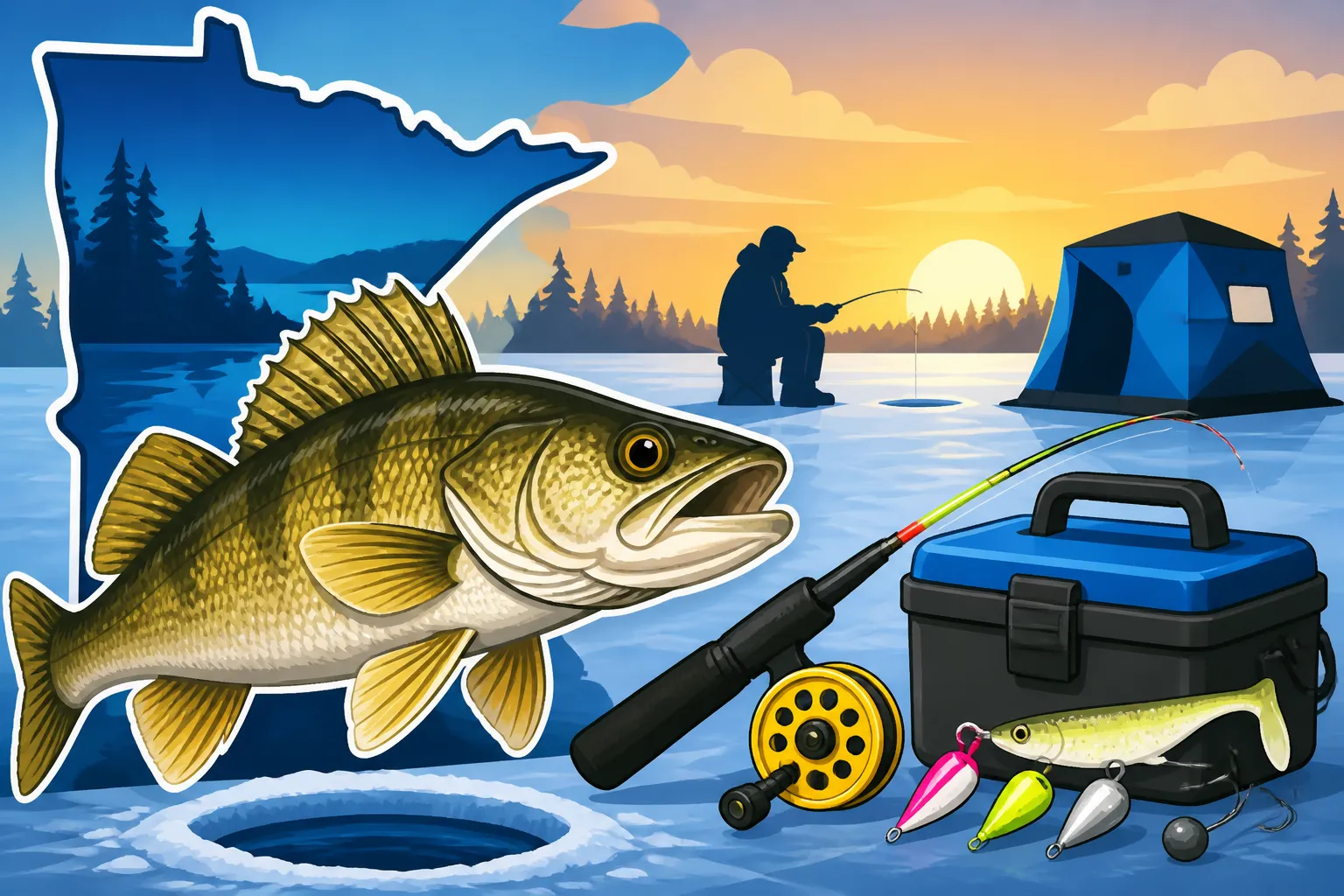
Best Gear for Ice Fishing Sauger in Minnesota
There’s nothing quite like the subtle thump of a sauger taking your bait beneath the ice, but let's be honest, getting these elusive cousins of the walleye to bite, and equipping yourself properly, can feel like a guessing game. Many anglers find themselves over-geared or using the wrong presentations, leading to frustrating days on the hard water. This comprehensive guide will walk you through the very best gear and strategies specifically for ice fishing sauger in Minnesota, ensuring you’re prepared for success.
Understanding Sauger Behavior for Gear Selection
Before we dive into the specific rods, reels, and lures, it’s absolutely crucial to understand what makes sauger tick beneath the ice. They're not just smaller walleye; they have distinct preferences that inform our gear choices. Ignoring these nuances is like bringing a spoon to a knife fight – you might get lucky, but you’re not optimized for the task at hand.
Sauger Habits and Preferred Habitats Under Ice
Sauger are typically riverine fish, though they also thrive in larger, turbid lakes with distinct current flows. Think about places like Lake of the Woods, the Rainy River, or parts of the Mississippi River. Unlike walleye that might roam vast flats or hold tightly to structural elements, sauger often relate to deeper channels, current breaks, and areas with softer bottoms. During winter, they tend to congregate in these deeper, calmer pockets adjacent to current, or in deeper basins of large lakes where water movement is still a factor.
They are generally more light-sensitive than walleye, preferring dimmer conditions, which means they're often found in deeper water or more stained conditions. This preference for depth and often murkier water plays a big role in why certain gear, especially electronics and lure colors, becomes so important. When you're dropping a line into 30+ feet of water in the middle of winter, knowing what’s down there and how to get your bait to them is half the battle. This deep-water preference means you’ll often be jigging right on or very close to the bottom.
How Sauger Differ from Walleye in Ice Fishing Context
While sauger and walleye are often caught side-by-side, there are key differences that impact your ice fishing approach. Walleye can be aggressive, readily smashing a larger jigging spoon. Sauger, on the other hand, are often more subtle biters. Their mouths are generally smaller, and they tend to hug the bottom more persistently. This means your presentation often needs to be smaller, more finesse-oriented, and presented directly in their strike zone.
Think of it this way: a walleye might rise 5-10 feet off the bottom to snatch a bait, but a sauger is more likely to stay glued to the bottom, requiring you to present your lure within inches of its nose. This makes a sensitive rod and proper line crucial for detecting those often barely-there bites. You're not looking for a violent tug; sometimes, it's just a slight "mush" or the feeling of your jig getting heavier. Understanding these subtle differences is the first step toward getting your cooler filled with these delicious fish. For more on distinguishing these species, check out our guide on how to tell the difference between a Walleye vs Sauger.
Essential Rods and Reels for Ice Fishing Sauger
The right rod and reel combo can make or break your sauger fishing experience. You need a setup that allows for subtle presentations, detects those light bites, and still has enough backbone to haul a respectable fish from the depths.
The Ideal Rod Action and Length
For sauger, a medium-light to medium action rod is often the sweet spot. You want a tip that is sensitive enough to show those light bites, but enough backbone in the blank to set the hook firmly in deeper water and fight the fish. A fast or extra-fast action tip is generally preferred, as it telegraphs those subtle takes better than a slower action. Imagine watching your rod tip barely twitch; a sensitive, fast tip will show that, while a noodle rod might just bend slightly without clear indication.
When it comes to length, an ice rod between 28 and 32 inches is typically ideal for sauger. This length gives you enough leverage to control the fish, while still being manageable inside an ice shelter or when fishing outside. Too short, and you lose leverage and bite detection; too long, and it can be awkward in tight spaces. Brands like Fenwick, especially their Elite Tech Ice series, or St. Croix with their Tundra rods, offer excellent options that meet these criteria. You can often find great deals on these rod and reel combos at larger retailers like Bass Pro Shops, or even scour Amazon for specific models from brands like Clam or 13 Fishing. For more options, take a look at our article on the Best Ice Fishing Rods for Walleye & Panfish, as many of those rods will cross over nicely for sauger.
Reel Choice and Line Considerations
Pair your sensitive rod with a quality spinning reel in a 500 to 1000 size. A smooth drag system is paramount, especially when fighting a larger sauger or an unexpected walleye or pike on light line. You want a reel that can handle the cold without seizing up and provides a consistent retrieve. Look for reels with a decent gear ratio, around 5.2:1 or 6.2:1, to allow for quick line retrieval when needed.
As for line, this is where many anglers either succeed or fail with sauger. Because of their subtle bites and often smaller mouths, a light, low-stretch line is key. Four to six-pound test monofilament or fluorocarbon is generally preferred.
- Monofilament: Offers a bit of stretch, which can be forgiving on light bites, and is often more affordable. It's a good all-around choice.
- Fluorocarbon: Known for its low visibility underwater and minimal stretch, which provides excellent sensitivity. It's fantastic for detecting those faint sauger bites.
- Braided Line with a Fluorocarbon Leader: Some anglers prefer 6-10 lb braided line for its extreme sensitivity and no-stretch properties, paired with a 4-6 lb fluorocarbon leader. The leader provides the invisibility and abrasion resistance needed near the lure. This setup gives you the best of both worlds.
The choice between these often comes down to personal preference and water clarity. In clear waters, fluorocarbon gains an edge. In stained water, mono or braid with a short fluoro leader works perfectly. Remember, using a strong knot for your leader connection is critical.
Lures and Baits That Sauger Can’t Resist
Sauger are not typically lure-shy, but they do have preferences. Your tackle box for sauger should be stocked with a variety of options to adapt to different conditions and fish moods.
Top Jigs and Jigging Raps
When ice fishing for sauger, you'll want to focus on smaller, yet still effective, presentations. Unlike larger walleye, sauger respond incredibly well to modest lures.
- Small Jigs: Think 1/16 to 1/8 ounce jigs. Colors like glow, chartreuse, orange, and naturalistic patterns (like perch or shiner) are consistent producers. Tipping these jigs with a small minnow head, a wax worm, or a eurolarvae is often the ticket. The slight scent and visual attraction can be irresistible. Consider brands like VMC with their Tungsten Ice Jigs or Northland Fishing Tackle’s Bro Bug jigs; their small profiles are perfect.
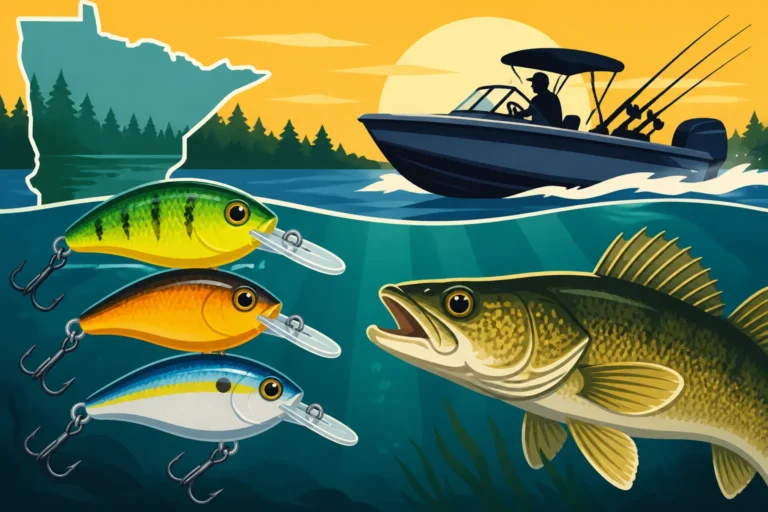
- Jigging Raps/Rapala Rippin' Raps: These lipless crankbaits, or more specifically, horizontal jigging lures like the classic Rapala Jigging Rap, are absolute sauger magnets. Sizes W3 or W5 are generally perfect. The darting, swimming action on the fall, followed by a slight pause, can trigger aggressive strikes. Again, glow, perch, firetiger, and silver/blue are excellent colors. The key here is the presentation: a sharp snap upwards, letting it fall freely, then a slight flutter and pause. Often, the bite comes on the pause. Experiment with how high you lift the bait; sometimes a subtle 6-inch lift is better than a foot-long rip.
- Small Spoons: Spoons like the classic Lindy Rattl'n Flyer Spoon or a smaller Dardevle spoon in sizes 1/16 to 1/8 ounce can also be very effective. These provide flash and vibration, especially in stained water where sauger often lurk. Tip them with a minnow head or a few maggots for added attraction. For even more detailed lure recommendations, check out our guide on Best Walleye Fishing Tactics in Minnesota, as many of those techniques and lures will apply to sauger with a slight size adjustment.
Live Bait Presentations for Finicky Sauger
Sometimes, nothing beats the real thing, especially for finicky sauger. Live bait can often entice bites when artificials fail.
- Minnows: Small shiner minnows, fatheads, or even small rainbows are fantastic. You can fish them deadsticked under a slip bobber or suspend them just off the bottom on a plain hook or small jig. A common and highly effective setup is a plain #8 or #10 treble hook (or a small single hook) tied to a fluorocarbon leader, with a split shot or small sinker about 12-18 inches above it. This allows the minnow to swim naturally, drawing in cautious sauger.
- Crappie Minnows: These smaller minnows are perfect for sauger due to their size. Hook them lightly through the back, just behind the dorsal fin, to keep them lively.
- Worms and Larvae: Wax worms, eurolarvae, or even small pieces of nightcrawler can be incredibly effective when tipped on small jigs. The natural scent and squirming action can trigger bites from sauger that are otherwise ignoring larger offerings. When the bite is tough, a tiny tungsten jig tipped with a single wax worm can be deadly.
Always remember that fresh, lively bait is key. When stocking up on a variety of jigs or live bait containers, a trip to Bass Pro Shops or browsing online on Amazon can be a great way to ensure you're ready for whatever the day brings.
Key Electronics and Accessories for Sauger Success
In the modern ice fishing world, electronics aren't just a luxury; they're often a necessity, especially when targeting fish that hug the bottom in deeper water like sauger. Beyond electronics, a few key accessories will significantly improve your comfort and efficiency.
The Role of Flashers and Sonar
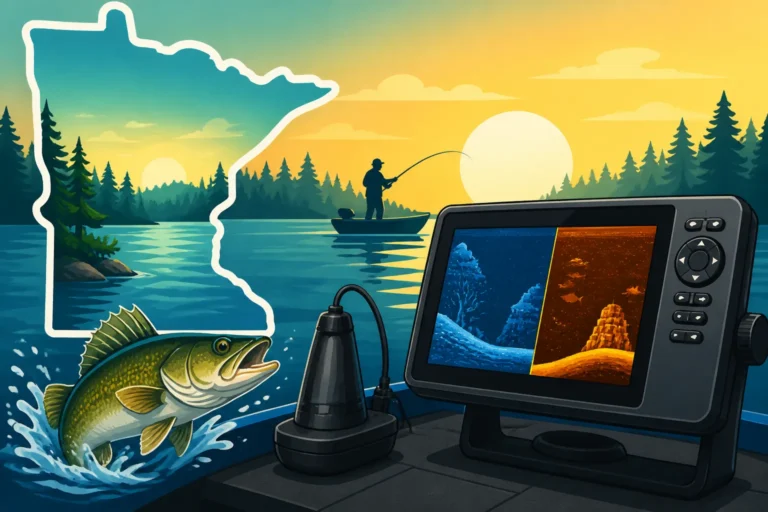
Having a good flasher or a modern fish finder with a flasher mode is absolutely invaluable for sauger fishing. These devices allow you to see your lure in real-time, along with any fish that come into view.
- Precision Presentation: Sauger often feed directly on or very near the bottom. With a flasher, you can see your lure, identify the bottom, and present your bait precisely inches off the lakebed. This precision is critical for sauger, which are less likely to chase a bait far from their comfort zone.
- Detecting Subtle Bites: Flashers display fish and your lure as real-time signals. A sauger bite, as mentioned, can be incredibly subtle – sometimes just a slight "blip" on the screen where your lure was. Without a flasher, you might miss these almost imperceptible takes entirely.
- Reading Fish Mood: You can observe how fish react to your presentation. Are they rising aggressively? Are they just casually swimming by? Are they ignoring your jig but interested in a deadstick? This feedback allows you to adjust your jigging cadence and bait selection instantly.
- Brands to Consider: Top brands include Vexilar, Humminbird (with their Ice Helix series), and Garmin (with their Striker or ECHOMAP units, some of which feature LiveScope). For a deep dive into comparing these, read our guide on Best Ice Fishing Flashers: Vexilar vs Humminbird vs Garmin. While LiveScope is fantastic, even a basic flasher will give you a significant advantage.
Must-Have Ice Fishing Accessories
Beyond your rod, reel, and electronics, a few other items are essential for a successful and comfortable sauger fishing trip.
- Ice Auger: A reliable auger is non-negotiable. Whether you prefer a gas-powered auger for quick holes in thick ice, an electric auger for convenience and quiet operation, or a hand auger for portability on early ice, make sure it's sharp and ready. An 8-inch auger is usually sufficient for sauger, offering a good balance of cutting speed and hole size.
- Ice Shelter: Depending on your style, a portable flip-over or hub-style shelter can provide much-needed protection from the elements. Staying warm and out of the wind greatly enhances your ability to focus on those light bites. Check out Best Ice Shelters: Clam vs Otter (Flip vs Hub) for detailed comparisons.
- Ice Scooper: Essential for keeping your holes clear of slush and ice, ensuring you can see your line and pull fish through.
- Bait Puck/Container: Keep your live minnows or worms fresh and lively. A good bait puck will insulate your bait and allow for easy access.
- Sled/Pulk: To transport all your gear across the ice. Don't underestimate how much easier a good sled makes moving your setup.
- Portable Heater: A small propane heater is a game-changer for staying warm in your shelter, especially on those brutally cold Minnesota days.
- Headlamp: For early morning starts or late evening bites.
- Forceps/Pliers: Sauger often swallow baits deeply, and a good pair of long-nosed pliers or forceps can save you a lot of hassle and minimize harm to fish you intend to release.
- Rod Holders: If you're running multiple lines (where legal, typically two in Minnesota), rod holders allow you to fish a deadstick or set a rattle reel while actively jigging another rod. Always be aware of How Many Lines Can You Fish in Minnesota? as regulations can vary.
These accessories might seem like minor details, but they collectively contribute to a much more enjoyable and effective fishing experience, letting you focus on catching those sauger rather than battling the cold or fumbling with gear.
Recommended Sauger Ice Fishing Gear At a Glance
Here’s a quick overview of the recommended gear to get you started on your next sauger adventure on Minnesota’s frozen lakes and rivers.
| Gear Category | Specific Recommendation | Key Features for Sauger |
|---|---|---|
| Ice Rod | 28-32 inch, Medium-Light to Medium action, Fast Tip | High sensitivity for subtle bites, enough backbone for hook sets |
| Spinning Reel | 500-1000 size | Smooth drag, reliable in cold, good retrieve ratio |
| Fishing Line | 4-6 lb Fluorocarbon or Monofilament, or Braid w/ Fluoro Leader | Low stretch for sensitivity, low visibility, abrasion resistance |
| Jigs | 1/16 – 1/8 oz Tungsten Jigs, Spoon Jigs, Horizontal Jigs | Small profile, glow/bright colors, effective with tipping |
| Jigging Lures | Rapala Jigging Rap (W3, W5), smaller Rippin' Raps | Darting action, triggers reaction strikes, effective in stained water |
| Live Bait | Small Fathead Minnows, Crappie Minnows, Wax Worms | Natural scent & movement, irresistible to finicky sauger, deadsticking |
| Electronics | Flasher (Vexilar, Humminbird Ice Helix) | Real-time lure/fish display, bottom tracking, crucial for bite detection |
| Auger | 6-8 inch Electric or Gas Auger | Efficient hole drilling, minimal noise for electric options |
| Shelter | Portable Flip-over or Hub-style | Protection from elements, comfort, warmth |
| Key Accessories | Ice scoop, bait puck, headlamp, forceps, portable heater | Enhances comfort, efficiency, safety, and fish handling |
Disclaimer
Fishing regulations can change frequently. Always consult the latest Minnesota Department of Natural Resources (DNR) fishing regulations booklet or website before heading out on the ice to ensure you are aware of all current rules and limits for sauger and other species.