Flathead Catfish Season & Limits in Minnesota
Trying to figure out the exact rules for fishing can feel like deciphering ancient scrolls, especially when you're targeting a specific, elusive species like the flathead catfish in Minnesota. It's frustrating when you just want to enjoy a day on the water but are constantly worried about accidentally breaking a rule. This guide is here to clear up all that confusion, giving you a comprehensive breakdown of flathead catfish seasons, limits, and special regulations across Minnesota's diverse waters, so you can fish with confidence.
Understanding Flathead Catfish in Minnesota's Waters
Flathead catfish are truly remarkable creatures, often considered the "tigers" of Minnesota's deep river holes. They’re a species that brings a unique thrill to freshwater fishing, known for their immense power and stubborn fight. But before you cast a line, it's essential to understand who these fish are and where they typically call home in our beautiful state.
Identifying a Flathead Catfish
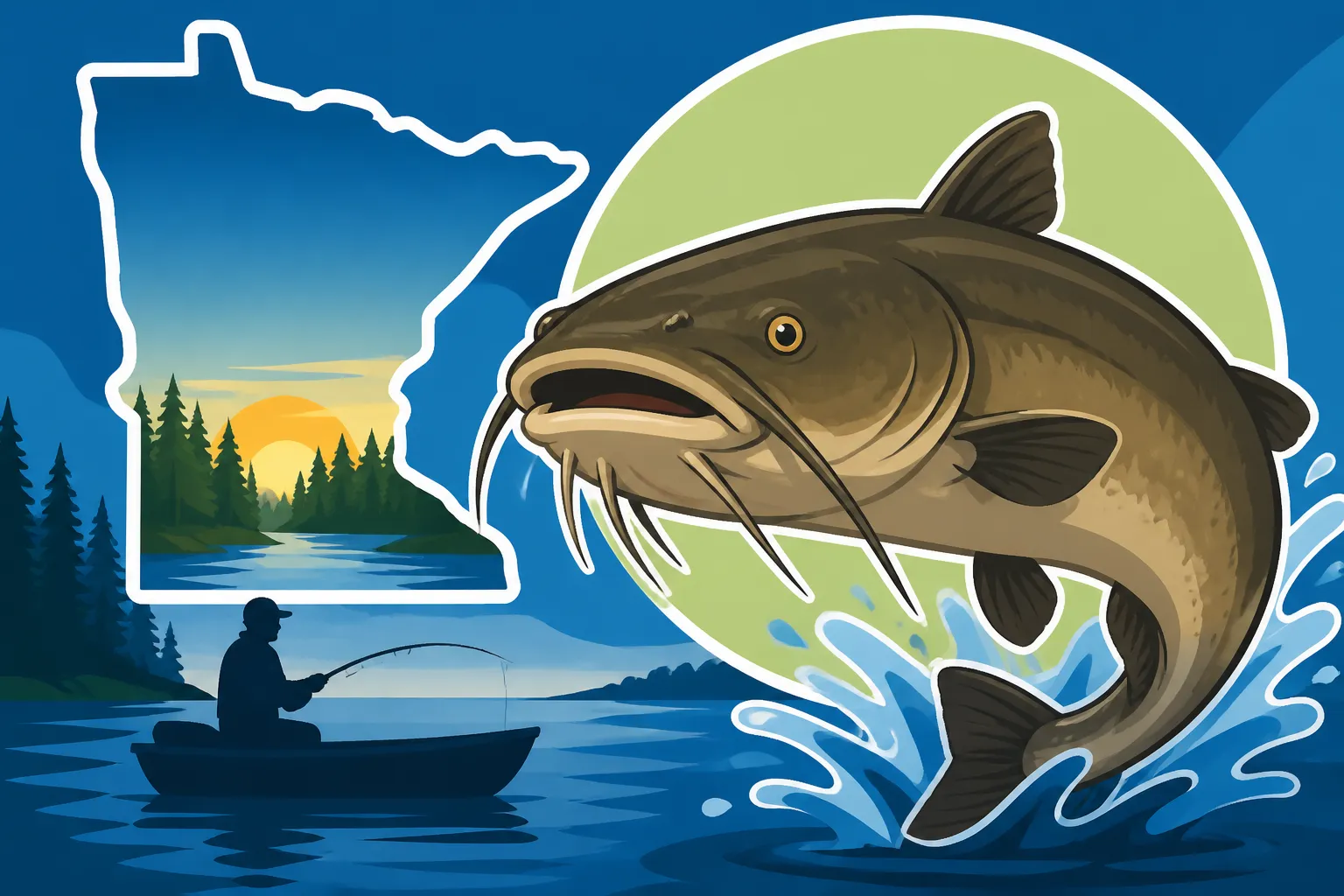
When you're out on the water, especially in rivers, you might encounter a few different species of catfish. The flathead, however, stands out quite distinctly. They are typically mottled brown and yellow, often with a somewhat patchy appearance, which helps them blend in with the rocky and muddy river bottoms. Their head is, as the name suggests, noticeably flattened, and their lower jaw protrudes beyond the upper jaw. What really sets them apart from their channel catfish cousins is their tail fin. A flathead's tail is either straight or only slightly notched, not deeply forked like a channel cat's. Their eyes are also relatively small, positioned on top of their flat head, giving them a predatory, almost reptilian look. These are formidable fish, growing to impressive sizes, with the state record Flathead Catfish caught in the St. Croix River weighing over 70 pounds! Knowing how to properly distinguish them is crucial, especially since regulations can differ for various catfish species. If you're keen on learning the nuances, check out our guide on Flathead vs Channel Catfish Identification.
Where to Find Flathead Catfish in Minnesota
Flathead catfish are creatures of current and cover. They aren't widely distributed throughout all of Minnesota's lakes and rivers. Instead, they prefer large, turbid rivers with slow currents, deep holes, and plenty of fallen trees or rock piles to hide in. Think about those big, sprawling river systems, not your typical clear, sandy-bottomed lake.
The Mississippi River is arguably the premier flathead destination in Minnesota, especially the stretches from the Twin Cities metro area downstream. You'll find them lurking in the deeper channels, around wing dams, and in the slack water behind large snags. The Minnesota River is another fantastic spot, offering similar habitat with numerous deep bends and woody debris. Anglers also have great success targeting flatheads in the St. Croix River, particularly in the lower stretches below Taylors Falls, where the river deepens and widens. These powerful fish love to ambush prey, so they'll often be found near structures that provide cover and a current break, allowing them to conserve energy while waiting for an unsuspecting meal to drift by. For heavier gear to haul these river monsters out of their snag-filled homes, many anglers look for robust rods and reels on Amazon.
Flathead Catfish Season and General Regulations
Unlike some other popular game fish in Minnesota, flathead catfish often have a more straightforward season, but understanding the specific limits is paramount. There are no complicated "openers" or "closers" to worry about, but river-specific rules can add layers of complexity.
Open Season for Flathead Catfish
Good news for flathead enthusiasts: the season for flathead catfish in most of Minnesota's inland waters is generally continuous, meaning there isn't a specific closed period. You can pursue these powerful fish year-round, which is a major draw for anglers who love the challenge they present. However, and this is a big "however," this continuous season primarily applies to inland waters. When you venture onto border waters, such as parts of the Mississippi River or the St. Croix River that Minnesota shares with neighboring states like Wisconsin, the regulations can sometimes differ. It’s always critical to double-check the specific regulations for the body of water you plan to fish, as border water rules can sometimes take precedence or add additional layers of complexity. Our detailed guide on Border Water Fishing Rules Minnesota-Ontario, Wisconsin can help you navigate these specific situations.
Statewide Daily and Possession Limits
The Minnesota Department of Natural Resources (DNR) sets clear limits to ensure sustainable fishing populations. For flathead catfish across most of Minnesota's waters, the statewide daily and possession limits are as follows:
- Daily Limit: 5 flathead catfish
- Possession Limit: 5 flathead catfish
What does this mean in practical terms? The daily limit refers to the maximum number of fish you can keep in one calendar day. So, if you catch and decide to keep five flathead catfish, you've reached your daily limit and must stop keeping that species for the rest of the day. The possession limit refers to the maximum number of fish you can have in your possession at any given time, whether that's in your livewell, cooler, vehicle, or at your home. This means if you have five flatheads in your freezer from a previous trip, you cannot keep any more until your possession count drops below five. The intention behind both limits is to prevent overharvesting and distribute the fishing opportunity among more anglers. Understanding the difference between these two limits is fundamental to legal fishing; you can learn more about it in our guide, Minnesota Possession Limits Explained.
Gear Restrictions and Methods
Flathead catfish are known for their massive size and incredible strength, so the gear you choose is often heavier than what you'd use for walleye or panfish. But what about the legal gear restrictions?
In Minnesota, you are generally allowed to fish with up to two lines at a time, unless you are ice fishing, where you can use up to two lines, or if you have a special permit for additional lines or if you're on border waters where the limit might be different. This rule applies to flathead catfish as well. Each line must be under your immediate control, meaning you should be close enough to tend to it if a fish bites. You can't just set up lines and wander far off.
As for methods, rod and reel fishing with live bait is by far the most common and effective way to target flatheads. They are ambush predators with a strong preference for live or very fresh cut bait. Legal baits include things like bullheads, suckers, or other panfish (provided they are legally obtained and of legal size). Check the current regulations for specific bait fish restrictions. While some states allow trotlines or setlines for catfish, Minnesota has very specific rules, and often these methods are restricted to certain waters or require special permits, usually for commercial purposes, not recreational anglers. For a truly challenging fight, many anglers opt for heavy-duty conventional or baitcasting setups. You can find a wide range of suitable heavy-action rods and powerful reels, along with specialized hooks and strong line, available on Amazon.
Lake and River-Specific Flathead Catfish Regulations
While statewide regulations provide a baseline, Minnesota's unique geography, especially its extensive river systems and shared border waters, means that specific locations can have their own set of rules for flathead catfish. Ignoring these local nuances can quickly turn a great fishing trip into a legal headache.
Mississippi River Flathead Catfish Rules
The Mississippi River is a dynamic system, and its regulations can vary depending on where you are. The most significant distinction comes in the segments that form a border with Wisconsin. For example, on the main channel of the Mississippi River downstream from the Coon Rapids Dam (near Minneapolis) to the Iowa border, including its backwaters and connecting waters, Minnesota and Wisconsin often have reciprocal agreements. This means that a valid fishing license from either Minnesota or Wisconsin typically allows you to fish in these shared border waters. However, the catch limits for some species might default to the most restrictive of the two states, or there might be specific agreements in place.
For flathead catfish on the Mississippi, while the statewide Minnesota limit is 5, it's always wise to consult the current Minnesota DNR fishing regulations specifically for "Minnesota-Wisconsin Border Waters" or use the official DNR lake-finder tool for the exact pool you are fishing. These rules are subject to change and can sometimes include specific length restrictions or aggregate limits if other catfish species are included. It's a prime example of why checking the printed or online Minnesota Fishing Regulations PDF is absolutely essential before heading out.
Minnesota River and St. Croix River Exceptions
Much like the Mississippi, the St. Croix River also serves as a border water with Wisconsin, particularly downstream from Taylors Falls. This means anglers need to be vigilant about harmonized regulations. Typically, the same reciprocal licensing agreements apply, but once again, specific species limits might be subject to the more conservative state's rule or a joint agreement. It's not uncommon for these larger river systems, especially those with significant flathead populations, to have specific management plans that could introduce unique slot limits or stricter possession rules at some point to protect trophy fisheries.
The Minnesota River, while entirely within the state's borders, is a major flathead fishery and sometimes specific regulations can apply to certain stretches, though generally, statewide limits apply here. It's crucial to remember that flathead catfish grow slowly and can live for decades. Larger, older flatheads are vital for the breeding population and the overall health of the fishery. Catch-and-release is often practiced by dedicated flathead anglers, especially for the very largest specimens, to ensure these impressive fish continue to thrive. For tips on minimizing stress and ensuring survival, read our guide on Catch and Release Best Practices in Minnesota.
Important Considerations for Trophy Flatheads
Minnesota is home to some truly monstrous flathead catfish, fish that can weigh in the tens of pounds and provide a fight you won't soon forget. These are typically very old fish, sometimes over 20 or 30 years old, making them a precious resource. Because of their slow growth rate and long lifespan, removing too many large flatheads can have a significant impact on the population's future.
Many serious flathead anglers, while appreciating the thrill of catching a trophy, practice responsible angling by releasing the largest fish. This "selective harvest" approach helps maintain the genetic quality of the fishery and ensures there are plenty of big fish for future generations to enjoy. If you're lucky enough to hook into a true monster, consider taking a quick photo and carefully releasing it. A heavy-duty fishing scale and a large measuring board are handy tools for documenting your catch before letting it go, and both are easily found on Amazon.
Essential Tips for Flathead Catfish Anglers
Navigating fishing regulations can be half the battle, but even with the rules straight, maximizing your flathead fishing success and ensuring responsible angling requires a few more insights. These tips will help you stay informed, prepared, and ethical on the water.
Reviewing the DNR Regulations
I can't stress this enough: always, always, always consult the official Minnesota Department of Natural Resources (DNR) fishing regulations before you head out. Regulations can change annually, and sometimes even within a season, due to biological monitoring, population trends, or public input. Relying solely on what you think you remember or what a buddy told you can lead to costly mistakes.
The DNR publishes a comprehensive fishing regulations booklet each year, which is available both in print at bait shops, sporting goods stores, and DNR offices, and as a downloadable PDF on their official website. Make it a habit to glance through it for any updates, especially in the sections pertaining to catfish and any specific river regulations for the Mississippi, Minnesota, or St. Croix. Our guide, Minnesota Fishing Regulations PDF Where to Find It, offers direct advice on locating this crucial document. It's your ultimate source of truth, and a few minutes of reading can save you from potential fines or penalties.
Proper Handling and Release Techniques
Flathead catfish are powerful, thick-skinned fish that can be a handful to manage once landed. Proper handling is crucial, both for your safety and for the fish's survival if you intend to release it.
- Heavy Gear: Use stout rods, reels, and strong line (like 50-80 lb braided line) to land these fish efficiently. A long fight on light tackle can exhaust a flathead, making its survival post-release less likely.
- Gloves: Heavy-duty, puncture-resistant gloves are a must. Flatheads have sandpaper-like skin and sharp pectoral and dorsal fins that can inflict nasty wounds.
- Landing: Use a large, rubberized net designed for big fish, or ideally, land them on a soft, wet surface like a measuring mat. Avoid dragging them on rocks or concrete, which can remove their protective slime layer.
- Holding: Support the fish horizontally with two hands, one under the belly and one gripping the jaw. Never hold a large flathead vertically by its jaw, as this can damage its internal organs and spine.
- Quick Release: If releasing, minimize its time out of the water. Get your photos quickly and then carefully lower the fish back into the water, supporting it until it swims away under its own power. Sometimes a flathead needs a few moments to regain its composure, especially a large one, so be patient.
What Happens if You Break the Rules?
Fishing without a license, exceeding bag limits, or fishing out of season are not minor infractions in Minnesota. The consequences can range from significant fines to the confiscation of your gear (including your boat and vehicle in severe cases), and even loss of fishing privileges. Conservation officers are out there protecting our natural resources, and they take these violations seriously.
For example, if you are found with more than the legal limit of flathead catfish, you could face penalties that far outweigh the value of the fish you kept. These penalties are designed to deter illegal activity and protect the long-term health of our fisheries. It’s always better to err on the side of caution. If you're unsure about a rule, check the regulations or release the fish. To understand the potential repercussions, you might want to look into our article on Penalties for Keeping Over-Limit Fish in Minnesota. Always remember that responsible angling ensures that Minnesota's incredible flathead catfish fishery remains vibrant for generations to come.
| Regulation Category | Statewide Limit (Most Waters) | Notes & Exceptions |
|---|---|---|
| Season | Continuous (Open Year-Round) | Check border water rules for Mississippi & St. Croix Rivers. |
| Daily Limit | 5 Flathead Catfish | Applies to fish kept per calendar day. |
| Possession Limit | 5 Flathead Catfish | Total fish in possession (live, frozen, etc.). |
| Line Limit | 2 Lines | Unless ice fishing (2 lines max), or specific border water rules apply. |
| Legal Bait | Live or fresh cut bait (e.g., bullheads, suckers, panfish – observe size/species rules). | No live bait restrictions for specific water bodies at time of writing. Always verify. |
Disclaimer
The information provided in this guide is for general informational purposes only and is based on current Minnesota DNR fishing regulations at the time of publication. Fishing regulations, seasons, and limits are subject to change by the Minnesota Department of Natural Resources. It is the angler's responsibility to consult the most current official Minnesota fishing regulations prior to engaging in any fishing activity. Reliance on any information provided in this guide is solely at your own risk.