Are Muskie Good to Eat?
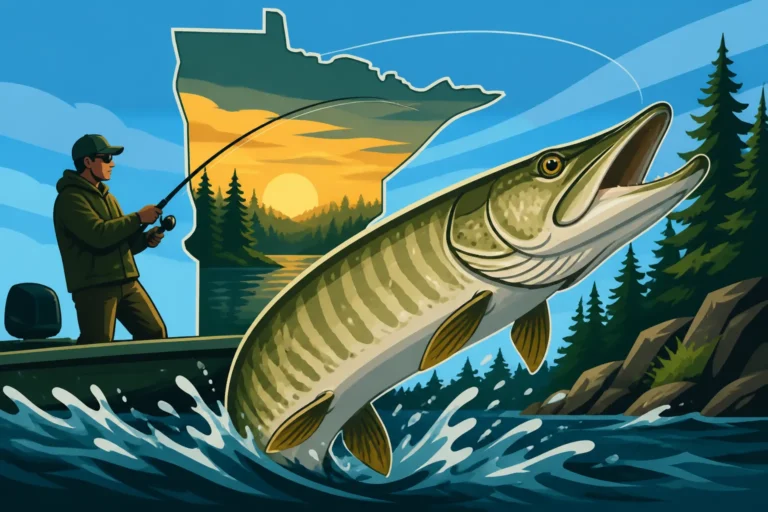
Alright, let's talk about muskies – the "fish of 10,000 casts," the freshwater titans that capture our imaginations. When you finally wrestle one of these magnificent creatures to the boat, a common thought might pop into your head, especially if you’re used to bringing home a stringer of walleyes: "Can I eat this thing?" It's a valid question, but the answer isn't as simple as a yes or no, and there's a whole culture around muskie fishing in Minnesota that might surprise you if you're new to the pursuit. This guide will explore everything you need to know about the culinary prospects of muskie.
The Muskie's Reputation: Why the Hesitation?
For many anglers, the idea of keeping a muskie for dinner feels almost sacrilegious. These fish hold a special place in the hearts of Minnesota anglers, often revered more as a challenge and a trophy than as table fare. There are very good reasons why you don't see muskie fillets in the grocery store or hear about muskie fish fries very often.
Catch and Release Culture
The first, and perhaps most significant, reason for the hesitation to eat muskie stems from the deeply ingrained catch-and-release culture surrounding these fish. Muskie are not abundant like walleye or panfish; they are apex predators at the top of the food chain, meaning their populations are naturally lower, and they grow incredibly slowly. A true trophy muskie, say one over 50 inches, could be 15 to 20 years old, or even older! The thought of taking such an ancient, rare fish out of the ecosystem is tough for many dedicated muskie anglers to stomach.
When you spend countless hours, often for days on end, casting massive baits and covering vast expanses of water just for a few precious follows or a single bite, you quickly understand why they're called the "fish of 10,000 casts." This intense effort cultivates a profound respect for the species. Most anglers practice diligent catch and release for these incredible fish to help ensure future generations can experience the thrill. They are considered a prized game fish, and the thrill is in the chase and the brief encounter, not necessarily the meal. The Minnesota Department of Natural Resources (DNR) actively encourages catch and release for muskie to support healthy populations, and you can learn more about proper handling in our guide on Catch and Release Best Practices in Minnesota.
Mercury and Contaminant Concerns
Another significant factor contributing to the "don't eat muskie" sentiment is the very real concern about mercury and other contaminants. As top predators, muskie consume many smaller fish throughout their long lives. Over time, heavy metals like mercury can accumulate in their flesh, a process known as bioaccumulation. The older and larger the fish, the higher the potential for elevated contaminant levels.
The Minnesota Department of Health (MDH) regularly issues consumption advisories for various fish species in specific lakes and rivers. For muskie, these advisories often recommend very limited consumption, especially for pregnant women, young children, and those who frequently eat fish. For instance, a large muskie from certain waters might come with an advisory of "eat no more than one meal per month" or even "do not eat." This information is readily available and is a crucial part of responsible angling and consumption choices. Understanding Minnesota Fish Consumption: Mercury & PFAS Advisories is vital before considering any meal.
Understanding Muskie Flesh: Taste and Texture
Beyond conservation ethics and health concerns, the actual culinary qualities of muskie are often debated. It's certainly not everyone's cup of tea, and preparing it can be a bit of an undertaking.
The Flavor Profile: "Fishy" or Mild?
When it comes to taste, muskie meat is generally described as firm and white, but often with a stronger, more "fishy" flavor than popular choices like walleye. It's definitely not as delicate or mild as a crappie or bluegill. Some might even describe it as a bit "gamey." This flavor can vary depending on the lake or river the fish came from, its diet, and even the time of year. Fish from colder, clearer waters might have a milder flavor, but it's rarely going to be mistaken for a freshwater favorite like a walleye.
Compared to a succulent Walleye Fishing in Minnesota: Complete Guide, which is renowned for its light, flaky, and mild white meat, muskie is a different beast entirely. If you're someone who prefers very mild fish, muskie might be a strong flavor profile for your palate. This isn't to say it's inherently bad, but it requires a different expectation and often, different cooking methods to bring out its best.
Texture and Preparation Challenges
The texture of muskie is firm and somewhat flaky, but it can also be a bit tougher and drier than other species. This firm texture means it holds up well to grilling, baking, or frying, but it can also mean it needs a little more love and attention in the kitchen to prevent it from drying out.
The biggest culinary challenge, however, comes from the notorious "y-bones." Like their close cousin, the northern pike, muskie possess a complex set of floating bones (called intramuscular bones or "y-bones") that run along the sides of their fillets. These bones are a nightmare for inexperienced fish cleaners and can make eating the fish quite frustrating if not removed properly. Filleting a muskie is not like filleting a simple perch; it requires a specific technique, often referred to as the "five-fillet method," to extract the meat free of these pesky bones. If you've ever cleaned a northern pike and struggled with the y-bones, multiply that frustration by a factor of ten for a large muskie! Our article on How to Fillet a Northern Pike (Remove Y-Bones) can give you a hint of the work involved, though muskie present an even larger challenge due to their size.
Practical Considerations for Keeping a Muskie (If You Do)
Despite the prevailing catch-and-release ethos, it is legal to keep muskie in Minnesota under specific conditions. If you do decide to keep one, there are important rules and best practices to follow.
Minnesota Regulations and Size Limits
First and foremost, you absolutely must be aware of and adhere to Minnesota's fishing regulations for muskie. These regulations are designed to protect these vulnerable populations and can be quite strict. Unlike walleye, which often have generous daily limits, muskie limits are typically one fish per day, and often with very large minimum size requirements, such as 48 inches or even 54 inches on specific trophy waters. In some cases, like for lake sturgeon, a special tag might be required in addition to your regular license. Always consult the current Minnesota DNR fishing regulations or our detailed guide on Muskie Season & Limit in Minnesota before heading out. Ignoring these rules can lead to significant penalties, including hefty fines and loss of fishing privileges.
It's not uncommon for specific lakes to have unique regulations, sometimes with protected slot limits that allow only fish above a certain size to be kept, or even a catch-and-release only rule. For example, some famous muskie lakes are managed strictly for trophy fish, meaning it's highly unlikely you'd ever legally be able to keep one from those waters. Always check the lake-specific rules! Understanding Minnesota Fishing Limits: Bag & Possession (2026) is key for all species, but especially muskie.
Best Practices for Keeping and Preparing
If you do decide to keep a legally-sized muskie, immediate and proper care is crucial for the best eating experience.
- Bleed the fish: As soon as it's dispatched, bleed the muskie by cutting a gill arch. This improves the flavor by removing blood from the flesh.
- Cool immediately: Get the fish on ice as quickly as possible. This prevents spoilage and maintains meat quality. A large cooler is essential.
- Filleting: This is where the real work begins. The "five-fillet method" is often recommended to maximize meat yield while avoiding the y-bones. It involves making cuts around the y-bones to separate them from the main fillet portions. This is a skill that takes practice, and watching a few online tutorials specifically for pike or muskie is highly recommended.
- Cooking: Given the firm texture and potentially stronger flavor, muskie often benefits from marinades, brining, or cooking methods that add moisture. Grilling, baking with sauce, or even smoking are popular choices. Some people enjoy it deep-fried, but again, remember the y-bones challenge.
Sustainable Angling and Conservation
Ultimately, even if it's legal to keep a muskie, many anglers choose not to for conservation reasons. Every muskie, especially a large, mature female, is vital to the reproductive cycle and the health of the fishery. Catch-and-release angling helps sustain these incredible fish for future generations. If you're able to release a muskie in good health, it's often the most responsible choice.
The DNR works tirelessly to manage muskie populations through stocking programs and habitat protection, but angler choices play a massive role too. Think about the impact of removing a large predator from the ecosystem. It takes many years for another fish to grow to that size and fill that ecological niche. It’s part of the reason a Minnesota State Record Muskie is such an incredible feat – these fish are truly survivors.
Alternative Perspectives and Culinary Alternatives
So, while you can eat muskie, the question of whether you should often comes with a lot of caveats. Let's look at some alternatives and scenarios.
Comparing Muskie to Other Predatory Fish
If you're looking for a large, predatory fish for dinner, northern pike are often a much more practical choice in Minnesota. Pike also have y-bones, but they are generally more abundant, grow faster, and are easier to fillet for y-bone removal due to their size. The taste of pike is also firm and white, often described as similar to muskie but perhaps a bit milder. Our guide, Are Northern Pike Good to Eat? (Y-Bones Explained), delves deep into this, and it's a common consensus that if you want to tackle y-bones, pike is the more accessible entry point.
| Feature | Muskie | Walleye | Northern Pike |
|---|---|---|---|
| Taste | Firm, white, often "fishier" or gamey | Flaky, white, mild, delicate | Firm, white, often mildly "fishy" |
| Texture | Firm, can be tough or dry if overcooked | Tender, flaky, moist | Firm, can be a bit drier than walleye |
| Y-Bones | Yes, complex and challenging to remove | No | Yes, present, can be removed with skill |
| Conservation | Primarily catch-and-release, low abundance | Common table fare, often managed for harvest | Good table fare, populations generally robust |
| Effort to Catch | High (Fish of 10,000 casts) | Moderate | Moderate |
| Typical Harvest Size | Very large minimums (48"+), rarely kept | 12-20 inches common | 24-36 inches common |
| MDH Advisories | Often strict for larger fish | General advisories for specific lakes | General advisories for specific lakes |
| Common Practice | Release all | Keep legal limit | Keep legal limit (smaller fish preferred) |
Other species like lake trout can also offer a robust, firm-fleshed option, often without the challenging y-bones, making them easier to prepare. Many anglers consider a fresh panfish catch of crappies or sunfish, or a limit of walleyes, to be the Best Eating Fish in Minnesota Lakes for their ease of preparation and universally appealing flavor.
When is it "Worth It"?
The decision to keep a muskie is a personal one, but it should always be made within the bounds of legal regulations and a strong ethical compass. Here are a few scenarios where an angler might consider keeping a muskie:
- A "Once in a Lifetime" Fish: For some, catching a muskie over the legal minimum size is such a rare event that they might choose to keep it as a trophy, not just for the wall, but also to try on the plate. This is still a contentious decision for many.
- Mortally Wounded Fish: Occasionally, a muskie might be deeply hooked or injured during the fight to the point where its chances of survival are low, even with careful release. In such cases, and only if it meets the legal size requirements, keeping the fish might be seen as a responsible act rather than letting it die and go to waste. Always make a sincere effort to revive and release if possible.
- Specific Slot Fish: If a lake has a unique regulation, such as a "slot" where only fish above a certain large size (e.g., over 54 inches) can be harvested, and you catch such a fish, it’s a legal option. These regulations are designed to protect the most valuable breeding stock and often encourage release of smaller trophy fish.
Ultimately, muskie fishing in Minnesota is largely about the experience, the challenge, and the conservation of an iconic species. While they are technically edible, they are far from the easiest or most palatable fish to prepare, and the ethical considerations often outweigh the culinary desire for many anglers. Enjoy the fight, admire their beauty, snap a quick photo, and then, for the sake of the fishery, consider letting them go to fight another day.
Disclaimer
The information provided in this guide is for general knowledge and informational purposes only, and does not constitute legal advice. Fishing regulations in Minnesota are subject to change by the DNR. Always consult the most current official Minnesota DNR fishing regulations before engaging in any fishing activities. Adherence to all local, state, and federal laws is the responsibility of the angler.