Are Walleye Good to Eat? Minnesota’s Favorite Fish
There’s a question that echoes through every fishing camp, every lakeside cabin, and across countless boats drifting on Minnesota’s pristine waters: "Are walleye really as good as everyone says?" For newcomers, or even seasoned anglers trying to convince a skeptical friend, the hype around walleye can sometimes feel a bit… overwhelming. You’ve heard they’re Minnesota’s state fish, a prized catch, but does that translate to an undeniable culinary experience? This guide aims to peel back the layers of legend and deliver the unvarnished truth about why walleye have earned their coveted spot on dinner plates across the Land of 10,000 Lakes.
The Culinary Appeal of Walleye
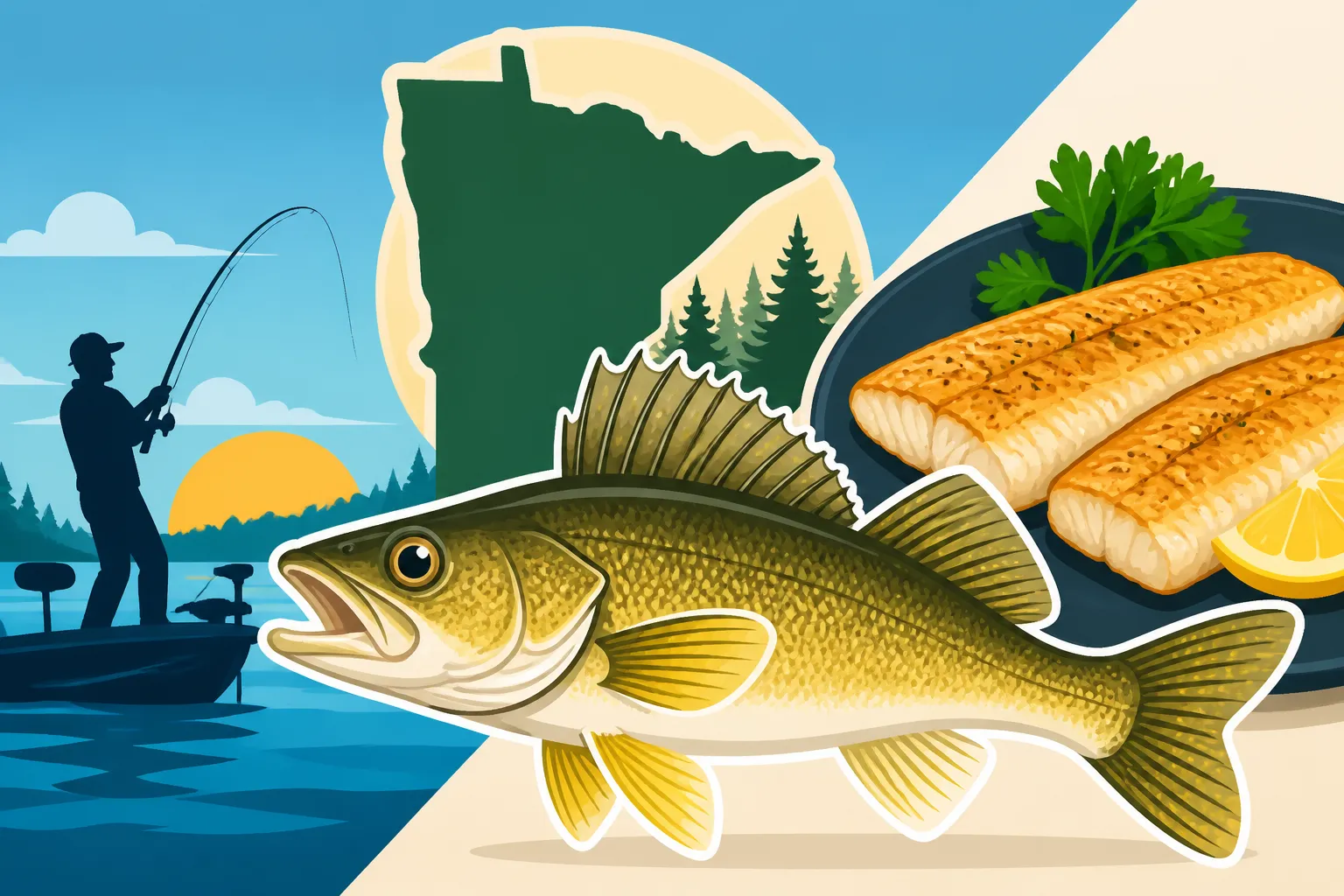
Let’s get right to it: yes, walleye are absolutely delicious. They’ve earned their reputation for a reason, distinguishing themselves with a delicate flavor and flaky texture that makes them incredibly versatile in the kitchen. It’s not just angler bias; there's a tangible quality to walleye that sets them apart from many other freshwater species.
Flavor Profile: Mild, Flaky, and Sweet
When you talk about walleye, the first thing that usually comes up is its mild flavor. This isn't a fish that's going to overpower your palate with an overly "fishy" taste. Instead, it offers a subtle, clean sweetness that makes it incredibly appealing, even to those who might be hesitant about eating fish. Imagine a delicate, almost buttery undertone that blends beautifully with whatever seasonings you choose to use. It’s the kind of flavor that allows the fish itself to shine through, rather than being masked by strong spices or sauces.
The meat is consistently white, firm, yet wonderfully flaky once cooked. It breaks apart easily into succulent pieces, making each bite a pleasure. This combination of a gentle, clean taste and a delightful texture is precisely what makes walleye such a favorite. It’s light enough to be enjoyed without feeling heavy, yet substantial enough to be a satisfying meal.
Texture and Versatility
Beyond the flavor, the texture of walleye is a major selling point. It’s firm but tender, never mushy, and has a pleasant mouthfeel. This robust yet delicate consistency holds up well to a variety of cooking methods, which is where its versatility truly shines. You can pan-fry it to a golden crisp, bake it to a tender finish, grill it for a smoky char, or even deep-fry it for that classic fish-fry experience.
Because of its mild nature, walleye acts like a culinary canvas, readily absorbing the flavors of marinades, herbs, and spices without losing its inherent character. This makes it a fantastic choice for home cooks of all skill levels, allowing for endless creativity. Whether you're aiming for a simple lemon-dill preparation or something more adventurous with a Cajun kick, walleye can handle it. This adaptability is a huge part of its enduring popularity in Minnesota kitchens.
Why Minnesota Anglers Cherish Walleye on the Plate
For many Minnesotans, walleye isn't just a fish; it's a cultural icon, deeply intertwined with the state's identity and cherished traditions. The pursuit of walleye is a rite of passage, a passion shared by generations. When you finally land a beautiful walleye after hours of patient casting, the reward isn't just the thrill of the fight, but the anticipation of that delicious meal to come. It brings families and friends together around the dinner table, sharing stories of the day's catch.
From the eagerly awaited Minnesota Fishing Seasons & Opener Dates (2026) in May, to the first fish fries of summer, to the successful harvests during the ice fishing season, the walleye is a central figure. It's the fish that often signals the start of summer vacation, the centerpiece of a lakeside gathering, or the comforting meal after a long day on the ice. This deep connection to the angling experience, combined with its exceptional taste, solidifies the walleye's place as Minnesota's favorite fish, both to catch and to eat.
Factors Influencing Walleye Taste and Quality
While walleye generally boast a fantastic flavor, it's not a uniform experience across every single fish. Just like any wild game or produce, several factors can subtly influence the taste and overall quality of your catch. Understanding these can help you maximize your culinary enjoyment.
Water Quality and Environment
The environment where a walleye lives plays a significant role in its taste. Fish, much like humans, are a product of their surroundings. Walleye thrive in cool, clean, clear-to-moderately stained waters, which are abundant throughout Minnesota. Lakes and rivers with good water quality, minimal pollution, and healthy ecosystems tend to produce the best-tasting fish. Conversely, walleye caught from waters with poor quality, high levels of algae, or a muddier bottom might sometimes have a slightly "earthy" or less clean taste.
For instance, walleye from a pristine northern Minnesota lake like Lake Vermilion or Rainy Lake, known for their deep, cold waters, are often considered to have a superior, exceptionally clean flavor. This is largely due to the consistent water quality and the natural forage found in these environments. It's a subtle difference, but one that discerning palates can sometimes pick up on.
Diet and Forage Base
What a walleye eats directly impacts its flesh. A diverse and healthy diet contributes to better flavor and texture. Walleye are primarily piscivores, meaning they eat other fish. In many Minnesota lakes, their diet consists of a mix of yellow perch, shiners, cisco (tullibee), and sometimes minnows or crustaceans. A walleye that primarily feeds on high-quality forage will have firmer, whiter, and sweeter meat.
Consider a walleye from a lake with an abundant population of cisco, like Lake of the Woods. Cisco are high in fat and protein, providing a rich, clean diet for walleye, which often translates to a richer, more flavorful fillet. On the other hand, walleye from lakes where their primary forage might be more bottom-dwelling or less desirable species could potentially exhibit a slightly different flavor profile. The old adage "you are what you eat" definitely applies to our finned friends!
Size and Age of the Fish
There's an ongoing debate among anglers about whether smaller or larger walleye taste better. Generally, most agree that medium-sized walleye, often in the 15 to 20-inch range, offer the optimal balance of flavor and texture. These fish are typically younger, have tenderer meat, and haven't accumulated as many potential contaminants as older, larger fish. The Minnesota Walleye Limit & Size Rules often reflect a desire to protect larger, spawning fish while allowing anglers to keep fish within this prime eating range.
Larger, older walleye, especially those over 25 inches, can sometimes develop a tougher texture and a stronger, more pronounced "fishy" flavor. While still perfectly edible, their meat might not be as delicate or sweet as their younger counterparts. Many trophy anglers practice Catch and Release Best Practices in Minnesota for these larger fish, not just for conservation but also because they recognize that the smaller, "eater" size fish often make for a better meal.
Handling and Care After Catching
This is perhaps the most critical factor entirely within an angler's control. How you treat your walleye immediately after it’s caught has an enormous impact on its taste. A fish that's left to flop around in the bottom of a hot boat or livewell for hours will stress, and its meat quality will degrade rapidly. Stress releases lactic acid into the muscles, which can lead to a softer, less palatable texture and a more "gamey" taste.
The best practice is to dispatch the fish quickly and humanely, then get it on ice immediately. A quality cooler filled with ice is your best friend. This rapid cooling slows down spoilage and bacterial growth, preserving the firm texture and clean flavor. If you're ice fishing, protecting your catch from freezing solid and then thawing also maintains quality. Properly bleeding the fish after catching, by cutting a gill arch, can also enhance the whiteness and flavor of the fillets by removing blood from the muscle tissue. Remember, the journey from the water to the frying pan directly impacts the deliciousness.
Best Practices for Preparing Walleye for the Table
Catching walleye is only half the battle; knowing how to properly prepare them is what truly unlocks their culinary potential. From the moment they leave the water until they hit your plate, careful handling and precise techniques ensure a delicious outcome.
Proper Filleting Techniques
Filleting a walleye isn't just about removing the meat from the bones; it's an art that preserves the quality and maximizes the yield. A sharp, flexible fillet knife is essential. Start by making a cut behind the gill plate down to the backbone, then turn the knife and run it along the backbone towards the tail, keeping the blade flat against the bones. Flip the fillet over and carefully remove the rib cage bones, then skin the fillet by holding the tail end and working the knife between the skin and meat.
The goal is to get clean, boneless, skinless fillets. Many Minnesota anglers swear by leaving the "cheeks" – the small, tender morsels of meat on the head – as a special treat. They’re incredibly rich and flavorful when cooked. Taking the time to learn How to Fillet a Walleye (Step by Step) properly will pay dividends in the quality of your meal and reduce waste, giving you the best possible eating experience.
Storage Methods to Maintain Freshness
Once filleted, immediate and proper storage is key to maintaining that fresh, sweet walleye flavor. Fresh walleye fillets are best consumed within a day or two, stored in an airtight container or zip-top bag in the coldest part of your refrigerator, preferably on ice. For longer storage, freezing is the way to go.
There are a few methods for freezing to prevent freezer burn and preserve taste:
- Vacuum Sealing: This is arguably the best method. Vacuum-sealed fillets can last 6-12 months without significant loss of quality.
- Water Freezing: Place fillets in a freezer bag and cover them completely with water before sealing and freezing. This creates an ice barrier that prevents oxygen exposure and freezer burn.
- Plastic Wrap and Freezer Bag: Wrap individual fillets tightly in plastic wrap, then place them in a heavy-duty freezer bag, squeezing out as much air as possible.
Label your packages with the date to keep track. When ready to cook, thaw frozen fillets slowly in the refrigerator overnight for the best results, rather than using hot water or a microwave, which can negatively impact texture.
Popular Cooking Methods and Recipes
Walleye's mild flavor and firm-flaky texture make it incredibly adaptable to almost any cooking method. While everyone has their favorite, some stand out as true crowd-pleasers.
- Pan-Frying: This is the quintessential Minnesota walleye preparation. Dredge fillets in a seasoned flour, cornmeal, or breadcrumb mixture, then pan-fry in butter or a mix of butter and oil until golden brown and cooked through. A simple mix of flour, salt, pepper, and a dash of paprika is often all you need to create a crispy, delicious crust while keeping the inside tender and juicy. This method truly highlights the walleye's delicate flavor.
- Baking/Roasting: For a healthier option or when cooking for a crowd, baking is fantastic. Place fillets on a baking sheet, drizzle with olive oil, lemon juice, and herbs like dill or parsley, then bake at 375-400°F (190-200°C) until opaque and flaky, usually 10-15 minutes depending on thickness. You can also add some vegetables to the pan for an easy one-dish meal.
- Grilling: Walleye can be grilled, but it’s best done on a cedar plank or in a grill basket to prevent sticking and breaking apart due to its flaky nature. Brush with oil and season, then grill over medium-high heat until cooked. The smoky flavor from the grill complements the fish beautifully.
- Deep-Frying: For a classic fish fry experience, deep-frying is unbeatable. A light beer batter or a crunchy seasoned breading works wonders. Fry at 350-375°F (175-190°C) until golden brown. This method results in an incredibly crispy exterior and a moist, tender interior, perfect with tartar sauce and a squeeze of fresh lemon.
Regardless of the method, the key is not to overcook. Walleye cooks quickly, and overcooked fish becomes dry and tough. Cook until the meat is opaque and flakes easily with a fork.
Health Benefits and Nutritional Value of Walleye
Beyond its incredible taste, walleye is also a nutritional powerhouse, making it a smart choice for a healthy diet. It’s lean, packed with protein, and contains essential nutrients that contribute to overall well-being.
Lean Protein and Omega-3s
Walleye is an excellent source of lean protein, which is vital for muscle repair, growth, and overall body function. For athletes, growing children, or anyone looking to maintain a healthy diet, walleye provides a high-quality protein source without a lot of unhealthy fats. A typical 3.5-ounce serving of cooked walleye provides around 20-25 grams of protein with minimal fat.
But it’s not just about protein. Walleye also contains beneficial omega-3 fatty acids, though typically in lower amounts than fattier cold-water fish like salmon or mackerel. These healthy fats are crucial for heart health, brain function, and reducing inflammation throughout the body. While it might not be as potent as some other fish in terms of omega-3s, every little bit counts, and incorporating walleye into your diet regularly can contribute to your overall intake. It's truly among the Best Eating Fish in Minnesota Lakes for its combined flavor and health benefits.
Addressing Mercury Concerns and Consumption Advisories
When discussing fish consumption, it’s natural for concerns about contaminants like mercury to arise. The good news is that walleye in Minnesota generally fall into categories with relatively low mercury levels, especially when compared to larger, longer-lived predatory fish like northern pike or muskie. This makes them a safer choice for frequent consumption.
The Minnesota Department of Health (MDH) and the Minnesota Pollution Control Agency (MPCA) regularly issue Minnesota Fish Consumption: Mercury & PFAS Advisories for various lakes and species, including walleye. These advisories are based on extensive testing and provide specific guidance on how often different populations (e.g., women of childbearing age, children, and the general public) can safely eat fish from particular bodies of water. For walleye, these advisories typically recommend 1-2 meals per week for the general population from most Minnesota waters. Larger, older walleye tend to accumulate more mercury than smaller ones, which is another reason why many anglers prefer to keep the "eater" sized fish. Always check the most current advisories for the specific lake you are fishing to make informed decisions.
Sustainable Harvesting and Responsible Angling
Enjoying walleye on the dinner plate comes with a responsibility to ensure these incredible fish populations remain healthy for future generations. Sustainable harvesting and responsible angling practices are paramount in Minnesota, a state so deeply connected to its aquatic resources.
Understanding Minnesota Walleye Regulations
The Minnesota Department of Natural Resources (DNR) implements a variety of regulations to manage walleye populations, ensuring they remain robust. These rules include specific season dates, bag limits, and often size restrictions or slot limits for particular lakes. For example, some lakes might have a one-fish limit over a certain size, or a protected slot where fish within a specific length range must be immediately released. It’s not uncommon to see Mille Lacs Walleye Regulations (2026) or Lake of the Woods Walleye Limit & Slot change year to year based on population surveys and environmental factors.
Anglers are legally obligated to know and abide by these rules. Ignorance is no excuse, and wardens take these regulations very seriously. Before heading out, always consult the most current Minnesota fishing regulations booklet or the DNR website. Understanding the rules is not just about avoiding fines; it’s about being a good steward of the resource and ensuring that everyone has the chance to enjoy catching (and eating) walleye for years to come.
The Role of Catch and Release
While we’re talking about how great walleye are to eat, catch and release plays an absolutely critical role in conservation, especially for larger breeding fish. Many dedicated walleye anglers choose to release trophy-sized walleye, knowing that these older, bigger fish are vital for spawning and maintaining genetic diversity within the population. It’s also often true that the smaller, "eater" size walleye simply taste better.
When practicing catch and release, minimizing stress and injury to the fish is crucial. This means using appropriate tackle, handling the fish gently with wet hands, using a landing net, and releasing it quickly. Avoid prolonged exposure to air. Understanding Catch and Release Best Practices in Minnesota ensures that released fish have the best chance of survival, contributing back to the fishery. It's a testament to responsible angling that many choose to release a beautiful fish back into the water after a quick photo.
Supporting Healthy Fish Populations
Beyond individual actions, supporting healthy fish populations involves a broader commitment to conservation. This means adhering to Aquatic Invasive Species (AIS) Rules for Boaters to prevent the spread of harmful plants and animals that can devastate fish habitats. It also involves reporting poaching or suspicious activities to the DNR, participating in local conservation efforts, and simply being mindful of your impact on the environment.
When you purchase a Minnesota Fishing License: Cost, Types & How to Buy (2026), a portion of those funds directly supports fishery management, habitat restoration, and research efforts by the DNR. So, even just buying your license and following the rules makes you an active participant in sustaining Minnesota's incredible walleye fishery. Every angler has a part to play in ensuring that the question "Are walleye good to eat?" can be answered with an enthusiastic "Yes!" for generations to come.
Walleye vs. Other Popular Minnesota Fish: A Taste Comparison
Minnesota is home to a rich diversity of fish species, and while walleye holds a special place, it's worth exploring how its culinary profile stacks up against some of its freshwater neighbors. Understanding these differences can help you appreciate what makes each fish unique on the dinner table.
Walleye vs. Northern Pike
Northern pike are another incredibly popular sport fish in Minnesota, known for their aggressive strikes and powerful fights. However, when it comes to eating, they often get a bad rap due to their infamous "Y-bones." These small, intramuscular bones run along the lateral line, making filleting a challenge for the uninitiated. This can be a major turn-off for those unfamiliar with How to Fillet a Northern Pike (Remove Y-Bones) properly.
Taste-wise, pike tend to have a firmer, flakier, and slightly stronger, more "gamey" flavor compared to walleye. It's not necessarily a bad taste, but it's more pronounced. Some describe it as having a "green" or "weedy" undertone, especially larger pike from warmer, weedier waters. Younger, smaller pike (often called "hammer handles") can be quite good to eat, offering a taste similar to walleye but still with that distinctive texture. Ultimately, Are Northern Pike Good to Eat? (Y-Bones Explained) is a question of preference and filleting skill. For many, walleye's boneless, mild nature makes it the easier and more universally appealing choice.
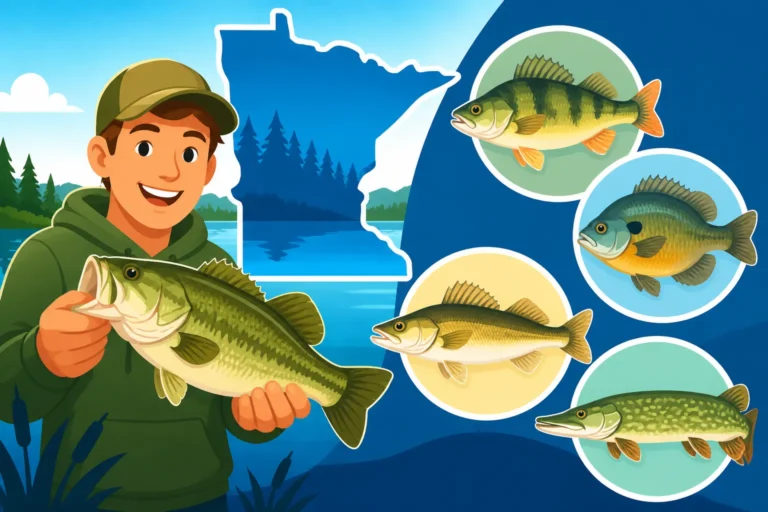
Walleye vs. Crappie and Panfish
Crappie, sunfish (bluegill, pumpkinseed, etc.), and yellow perch are often lumped together as "panfish" and are incredibly popular for their ease of catch and delicious taste. These fish are generally smaller than walleye, but they make up for it in abundance and accessibility. You can catch them through simple Crappie & Panfish Fishing Techniques from docks, shore, or small boats.
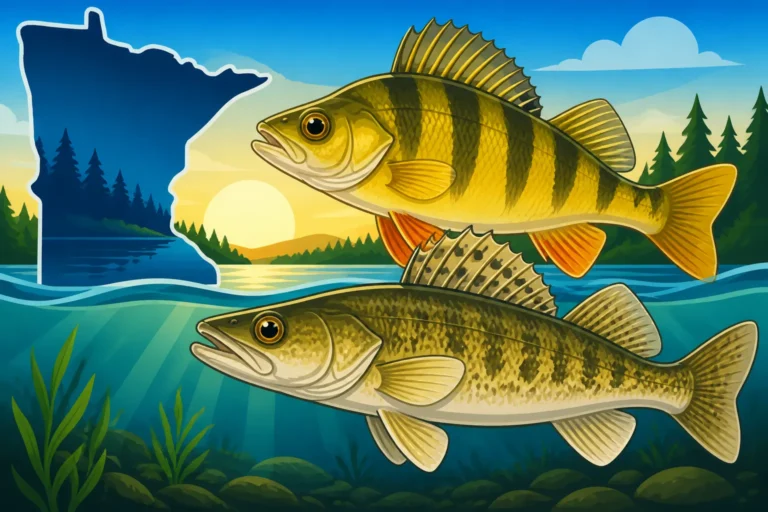
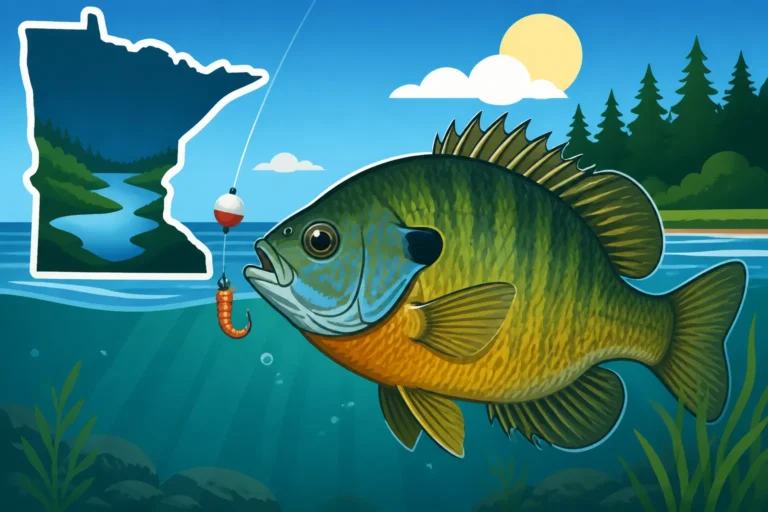
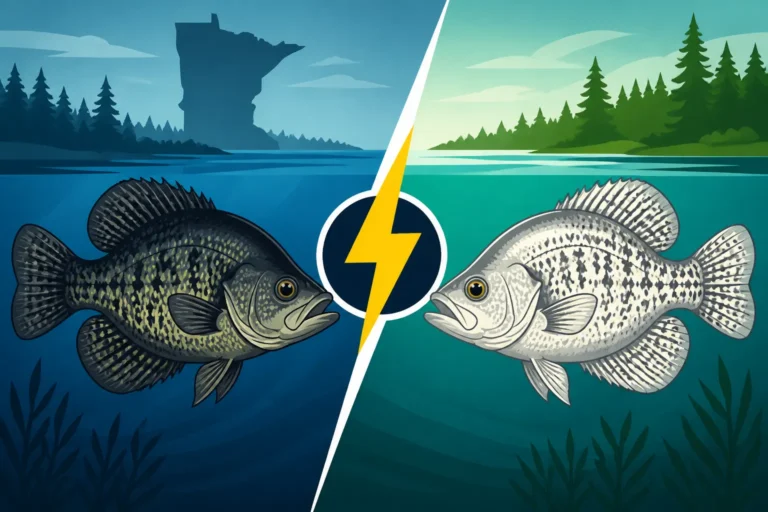
Culinary speaking, panfish are often considered quite similar to walleye in their appeal. Crappie and bluegill offer exceptionally mild, sweet, white, and flaky meat, often even more delicate than walleye due to their smaller size and typically shorter lifespan. Yellow perch are another contender for Minnesota's best-eating fish, with firm, white fillets that fry up beautifully. The main difference lies in portion size; panfish provide smaller fillets, meaning you often need to catch more to make a meal for a group. But for pure, unadulterated sweet flavor, panfish give walleye a serious run for its money, often being lauded as a delightful "poor man's walleye" by those in the know.
Walleye vs. Bass
Both largemouth and smallmouth bass are abundant in Minnesota, offering fantastic sportfishing opportunities. Bass are known for their aggressive bites and acrobatic fights, making them thrilling to catch. However, when it comes to table fare, bass are often placed a step below walleye by many anglers.
The flesh of bass can range from white to slightly pinkish, and its texture is generally firmer and meatier than walleye. The flavor is typically more pronounced, often described as "stronger" or "earthy," especially for largemouth bass caught from warmer, shallower, weedy lakes. Smallmouth bass, particularly those from cold, clear waters, tend to have a milder, cleaner taste than largemouth, but still generally not as delicate or sweet as walleye. For many, the stronger flavor of bass means they require more seasoning or a more robust cooking method to truly shine. While perfectly edible, and certainly enjoyed by many, walleye's subtle sweetness and tender flakiness often win out in a direct taste comparison for those seeking a delicate fish flavor.
Here's a quick comparison of these popular Minnesota fish for the table:
| Fish Species | Flavor Profile | Texture | Common Issues | Popularity for Eating |
|---|---|---|---|---|
| Walleye | Mild, clean, subtly sweet | Firm, white, flaky | None (if handled well) | Extremely High |
| Northern Pike | Firmer, stronger, slightly gamey | Very firm, flaky | Y-bones can be challenging | Moderate |
| Crappie | Very mild, very sweet | Delicate, extremely flaky, tender | Small fillet size | High |
| Bluegill/Sunfish | Very mild, sweet, clean | Delicate, flaky, very tender | Small fillet size | High |
| Yellow Perch | Mild, sweet, clean | Firm, white, flaky | Small fillet size | High |
| Smallmouth Bass | Mild to moderate, clean (from cold water) | Firm, meaty | Stronger flavor than walleye | Moderate |
| Largemouth Bass | Moderate to strong, often earthy | Firmer, meatier | Stronger flavor, can be muddy | Lower |
This comparison helps illustrate why walleye has earned its prestigious title as Minnesota's favorite fish. Its consistently mild flavor, firm yet flaky texture, and versatility make it a culinary delight that appeals to a wide range of palates.
Disclaimer
The information provided in this guide is for general informational purposes only and does not constitute legal advice. Fishing regulations, consumption advisories, and best practices can change. Always consult the official Minnesota Department of Natural Resources (DNR) website and current regulations booklet for the most up-to-date and accurate information before fishing. It is the angler's responsibility to know and follow all applicable laws and guidelines.