How to Catch Bowfin in Minnesota (Step by Step)
Many anglers in Minnesota overlook the bowfin, often mistakenly thinking of them as a "rough" fish or a nuisance species that gets in the way of catching more popular game fish like walleye or bass. But let me tell you, if you’re passing on the opportunity to tangle with a bowfin, you're missing out on one of the hardest-fighting, most tenacious freshwater fish you can find. These prehistoric powerhouses offer an incredible angling challenge, and once you learn their ways, you'll find targeting them to be an absolute blast. This guide is all about helping you understand and successfully catch bowfin right here in Minnesota, step by step.
Understanding Minnesota's Bowfin
Before we dive into the nitty-gritty of catching them, let's get to know the bowfin a little better. These aren't your average panfish; they're a true marvel of evolution and a formidable opponent on the end of a line.
Bowfin Basics and Where They Live
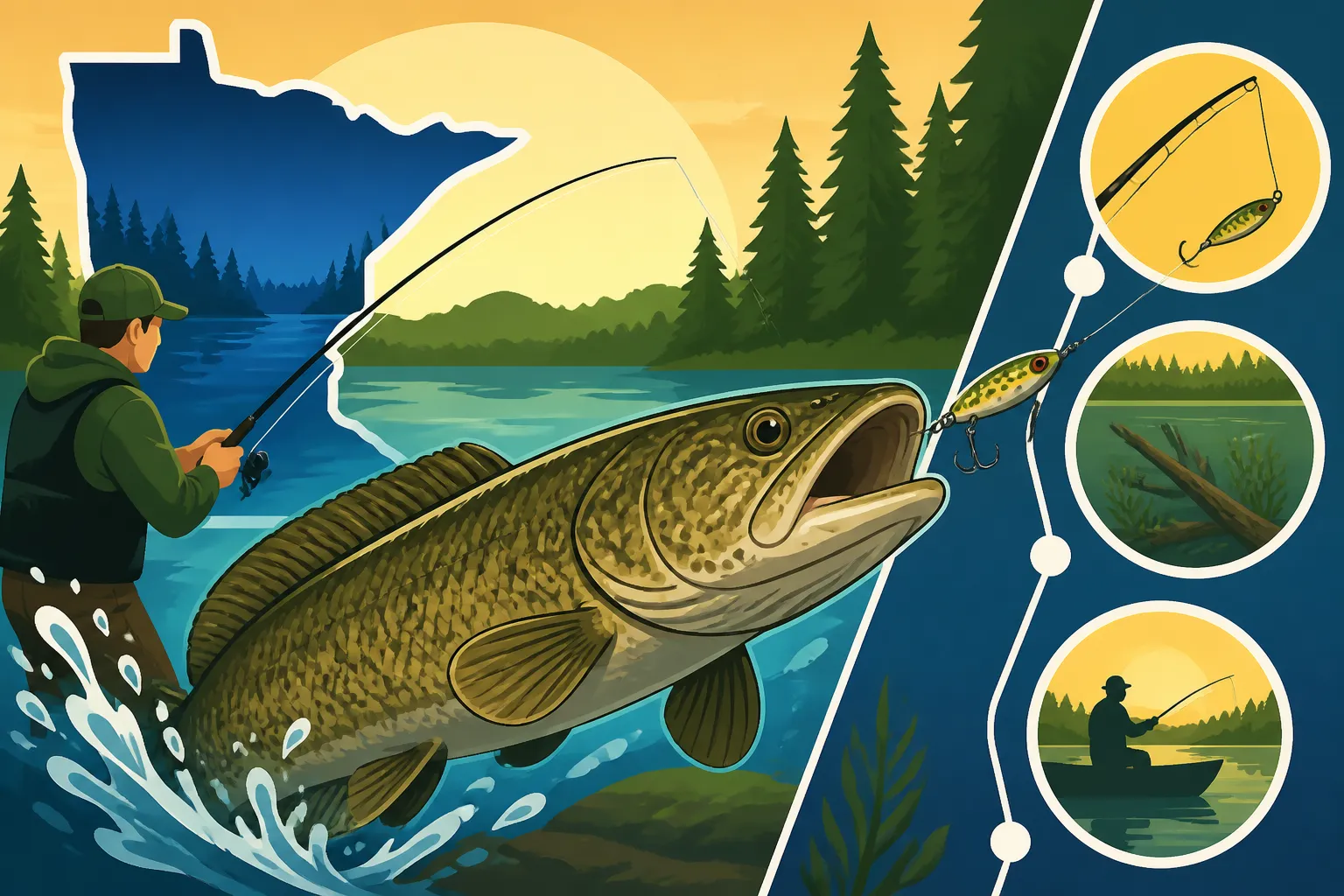
Bowfin, scientifically known as Amia calva, are truly ancient fish. They're often called "dogfish" by old-timers, or even "mudfish," but "bowfin" is the proper name for these living fossils. They have a distinctive, long dorsal fin that undulates as they swim, giving them a very unique appearance, almost like a primordial serpent. Their heads are hard and bony, their bodies are elongated, and they have incredibly strong, sharp teeth. One of their most fascinating features is their ability to breathe air using a primitive lung-like gas bladder, which allows them to survive in oxygen-depleted waters where other fish would perish. This adaptation is a big reason why they can thrive in less-than-ideal conditions.
In Minnesota, bowfin are native and can be found in many of our warmer, shallower lakes and slow-moving rivers. They absolutely love dense vegetation – think lily pads, cattail edges, submerged weed beds, and choked-out backwaters. Places like the Mississippi River backwaters, many lakes in central and southern Minnesota with extensive shallow areas, and even some of the larger lakes like Lake Minnetonka or the back channels of the St. Croix River are prime bowfin territory. They aren't particularly fussy about water clarity, and you'll often find them lurking in turbid, muddy waters that other species avoid. They are incredibly opportunistic predators, feeding on anything from small fish and crayfish to frogs and even small mammals or birds if they get the chance. You might be surprised to learn that these formidable creatures are a common resident in many of the same waters you fish for walleye or bass, just often in slightly different, denser cover. If you're looking for where to target a variety of species, our comprehensive guide to Minnesota Fish Species: Identification Guide can help you differentiate them and understand their habitats.
Why Target Bowfin?
Okay, let's address the elephant in the room. For decades, bowfin have been unfairly labeled as "trash fish" or "rough fish" by many anglers. This perception stems from a few factors: their somewhat menacing appearance, their habit of invading tackle intended for other species, and the widely held belief that they aren't good to eat. While opinions on their edibility vary (some do clean and cook them, often after bleeding them immediately), most anglers target bowfin purely for the thrill of the fight.
And what a fight it is! A 5-pound bowfin can pull harder than a 10-pound northern pike, often making explosive runs, thrashing violently, and even jumping to throw the hook. They are pure muscle and aggression. Hook into one, and you'll quickly understand why dedicated bowfin anglers consider them one of the ultimate freshwater sport fish. They offer a prolonged, intense battle that will test your gear and your angling skills. Beyond the fight, there's a certain fascination in catching a fish that has barely changed in millions of years, a true survivor from prehistoric times. It’s a chance to connect with something ancient and powerful, far removed from the more commonly pursued species. If you're tired of predictable fights and want a real challenge, targeting bowfin is an experience you won't soon forget.
Essential Gear for Bowfin Fishing
When you're gearing up for bowfin, don't skimp on your tackle. These fish are built like tanks, and they fight dirty. You need gear that can withstand abuse and the powerful surges of a truly determined fish.
Rods, Reels, and Line for the Fight
Because bowfin are such powerful fighters, you'll want to lean towards heavier tackle than you might typically use for bass or walleye. A medium-heavy to heavy power spinning or baitcasting rod, around 6'6" to 7'6" in length, is ideal. Look for a rod with a fast action tip that transitions quickly into a strong backbone. This combination allows for accurate casting into tight cover while providing the leverage needed to turn a big bowfin away from snags.
For reels, a sturdy baitcasting reel or a robust spinning reel in the 3000-4000 series size will serve you well. These fish will make drag-screaming runs, so a smooth, reliable drag system is crucial. Don't go cheap on the reel; a quality reel will make all the difference when battling a feisty bowfin. When it comes to fishing line, braid is king for bowfin. Its no-stretch properties give you excellent sensitivity and incredible hook-setting power, which is essential for penetrating their bony mouths. Furthermore, braid has superior abrasion resistance, a huge advantage when fishing around thick weeds, submerged wood, and rocks. I'd recommend a main line of 30-50 lb test braided line. You can find excellent options on online retailers like Amazon for brands like PowerPro or Spiderwire. If you prefer mono or fluorocarbon, you'll need to go even heavier, probably 17-25 lb test, but be prepared for less sensitivity and more stretch.
Baits and Lures That Get Their Attention
Bowfin are not picky eaters, which is great news for anglers. They'll hit a wide variety of offerings, but some stand out as particularly effective.
Live Bait: For sheer effectiveness, live bait is hard to beat. Large shiners, chubs, suckers, or even substantial worms like nightcrawlers are excellent choices. Rig them under a slip bobber or on a simple bottom rig with a weight and a sturdy circle hook (size 3/0 to 5/0). The natural movement and scent of live bait are often irresistible to a cruising bowfin. If you're fishing in really dense cover, a slip bobber rig allows you to present the bait precisely in pockets within the weeds, letting it drift naturally. This method is particularly effective when you're targeting fish holding tight to cover.
Cut Bait: Don't underestimate the power of cut bait. Chunks of oily fish like shad, herring, or even a smaller panfish (if legal in your area for bait) can be incredibly effective. The strong scent trail attracts bowfin from a distance. Rig it on a similar bottom rig or free-line it if the current allows. This method is great for stationary fishing, allowing the scent to do the work, especially in murkier water conditions.
Lures: If you prefer casting lures, you have plenty of options. Just remember, these fish have powerful jaws and sharp teeth, so durable lures are a must.
- Spinnerbaits: Large, thumping spinnerbaits (1/2 oz or heavier) with big Colorado or Willow blades are fantastic. The flash and vibration can trigger aggressive strikes. Use darker colors in stained water and brighter ones in clearer conditions.
- Swim Baits: Durable soft plastic swimbaits on heavy jig heads or weedless hooks work wonders. The realistic profile and swimming action are very appealing.
- Topwater Frogs/Ploppers: Fishing topwater for bowfin is an absolute blast, especially in lily pad fields or matted vegetation. The explosive strike is unforgettable. Hollow-bodied frogs like those from Snag Proof or Booyah Pad Crasher, or walking baits with propeller tails, can draw violent strikes.
- Jigs with Soft Plastics: Heavy jigs (3/8 oz or more) tipped with creature baits, large curly-tail grubs, or craw-style plastics can be worked slowly along the bottom or through weed edges.
Whatever you choose, make sure your hooks are sharp and strong. You might also want to consider a short, heavy leader (30-50 lb fluorocarbon or even a bite wire leader if you're really worried about toothy critters, though bowfin aren't generally biters like pike) to prevent bite-offs from their sharp teeth.
Must-Have Accessories
Beyond your rod and reel, a few key accessories will make your bowfin fishing experience much more enjoyable and safer:
- Long-Nose Pliers or Jaw Spreaders: These are absolutely essential. Bowfin have a mouth full of sharp teeth and can be very thrashy. Trying to unhook them by hand is a recipe for injury. A good pair of 11-inch pliers, easily found on Amazon, will keep your fingers safe.
- Heavy-Duty Gloves: Leather or heavy synthetic gloves can protect your hands from both teeth and fin spines if you need to handle the fish.
- Boga Grip or Lip Gripper: These tools allow you to safely control a thrashing bowfin without putting your hands near its mouth.
- Wire Cutters: In case a hook gets swallowed deep, wire cutters might be your only option to save the fish if you plan on releasing it. This is a last resort, but good to have.
- Net with a Large Opening: A wide-mouthed, rubberized landing net is helpful for landing and containing a feisty bowfin, especially if fishing from a boat.
Having the right accessories on hand ensures you can safely and efficiently handle these powerful fish, making for a better experience for both you and the fish.
Step-by-Step Bowfin Fishing Techniques in Minnesota
Now that we're all geared up, let's talk about how to actually get these ancient warriors to bite. It's not always about brute force; sometimes it's about subtle presentation and understanding their habits.
Locating Prime Bowfin Habitat
Finding bowfin often means looking for water that other anglers might overlook. Forget the deep, clear basins; bowfin are creatures of the dense, shallow, and often murky cover.
Weedy Bays and Backwaters: This is classic bowfin territory. Look for large bays or backwater sections of rivers and lakes that are choked with lily pads, cattails, coontail, and other thick aquatic vegetation. These areas provide excellent ambush points for bowfin and also hold their prey. Think about shallow, wind-protected areas that warm up quickly in the sun. Many smaller, overlooked lakes throughout Minnesota, especially those that are a bit shallower and weedier, can hold incredible populations of bowfin.
Sluggish Rivers and Ditches: Slow-moving rivers, canals, and drainage ditches with plenty of submerged structure and weeds are also prime spots. The Mississippi River, particularly its numerous backwater lakes and channels near cities like Brainerd, St. Cloud, and the Twin Cities metro area, can be fantastic for bowfin. These areas offer consistent flow but also plenty of calmer zones for bowfin to patrol.
Visual Cues: Sometimes, the best fish finder for bowfin is your own eyes. On calm days, you might see them "gulping" air at the surface – a tell-tale sign of their presence, especially in low-oxygen environments. Look for subtle movements in the weed beds or ripples where a large fish might be cruising. If you're fishing from a canoe or kayak, quietly paddling along weed lines can reveal their presence. While a fancy fish finder with side imaging can certainly help identify larger weed beds and potential ambush points, often simple observation is enough. Consider checking out our guide on Shore & Bank Fishing in Minnesota (No Boat) for tips on accessing these weedy spots without needing a full boat setup.
Effective Presentation Strategies
Once you've identified a promising spot, it's time to get your bait or lure in front of them. The key is often a slow, deliberate approach.
Live Bait Fishing: When using live bait like large shiners or suckers, a common and effective method is a slip bobber rig. Set your bobber stop so the bait hangs just above the weed tops or near the bottom in open pockets. Cast it out, let it sit, and watch your bobber. Bowfin will often take the bait aggressively, pulling the bobber down with authority. Alternatively, especially in areas with moderate current, a simple bottom rig with a weight just heavy enough to hold your bait down, allowing the bait to swim somewhat naturally, can be deadly. Give the fish a moment to really commit to the bait before setting the hook.
Lure Fishing: If you're casting lures, a slow to moderate retrieve is usually best. Bowfin aren't typically chasing down fast-moving baits like some pike or bass. Work spinnerbaits and swimbaits through the edges of weed beds, over submerged vegetation, or along structure. Vary your retrieve, adding pauses and erratic twitches to imitate a wounded baitfish. When your lure approaches dense cover, slow it down even more, as bowfin love to ambush prey from concealment. For topwater lures, cast them right into the thickest pads or weed mats. Let the frog sit for a moment after landing, then give it a twitch. Repeat, working it slowly and deliberately across the surface. The sight of a bowfin exploding on a topwater frog is pure adrenaline.
The Hookset and the Battle
This is where the real fun begins! Bowfin have incredibly bony mouths, making a solid hookset absolutely crucial.
The Hookset: When you feel a strike, especially with live bait, resist the urge to immediately set the hook. Give the fish a few seconds to really engulf the bait. Then, lay into a firm, sweeping hookset. With braid, you'll feel every head shake and run, and the direct contact helps drive the hook home. If you're using lures, a quick, powerful snap of the rod tip is often all it takes. Don't be shy; a weak hookset will often result in a lost fish as they quickly spit the lure or bait.
The Battle: Prepare yourself, because once hooked, a bowfin will put up a fight like few other freshwater fish. Expect powerful, head-shaking runs, often accompanied by violent thrashing at the surface. They will try to dive into the nearest weed bed, wrap you around submerged logs, or use any available cover to their advantage. Keep a tight line, but don't muscle them too hard; let your drag do its job. Apply steady pressure, keeping the rod tip up to steer the fish away from snags. If it jumps, keep the line tight but dip your rod tip slightly to absorb the shock and prevent the hook from pulling out. The key is to be patient, wear the fish down, and always anticipate its next move. Compared to a How to Catch Northern Pike in Minnesota (Step by Step), a bowfin might not have the initial speed, but its sheer power and refusal to quit are legendary.
Handling and Releasing Bowfin Responsibly
Given their feisty nature and sharp features, proper handling of bowfin is crucial for both your safety and the well-being of the fish, especially if you plan to release them.
Safe Landing and Unhooking
Landing a bowfin can be tricky due to their thrashing and snapping. If you have a landing net, guide the fish into it headfirst. Once in the net, try to subdue it quickly. This is where your long-nose pliers or jaw spreaders come in. NEVER put your fingers inside a bowfin's mouth; their teeth are razor-sharp, and their bite is powerful.
If you're using a lip gripper or Boga Grip, secure it firmly on their lower jaw. This allows you to control the fish safely while keeping its body in the water, which is less stressful for the fish. With the fish secured, use your long-nose pliers to carefully remove the hook. If the hook is deeply swallowed and you cannot easily remove it without causing significant damage, it's often better to cut the line as close to the hook as possible. A stainless steel hook will eventually rust away, and the fish has a better chance of survival than if you try to rip out a deeply embedded hook.
Catch and Release Best Practices
Most anglers targeting bowfin practice catch and release, primarily due to common misconceptions about their table fare. If you're releasing a bowfin, it’s vital to do so quickly and carefully.
- Minimize Air Exposure: Keep the fish in the water as much as possible. If you must take it out for a quick photo, do so quickly and support its body horizontally. Do not hang it vertically by its jaw alone, as this can damage its internal organs.
- Gentle Handling: Avoid squeezing or dropping the fish. Hold it firmly but gently.
- Revival: If the fish seems sluggish after the fight, hold it upright in the water and gently move it back and forth to force water over its gills. Only release it when it can swim away under its own power.
- Understand Local Regulations: While bowfin often don't have strict size or bag limits, it's always good practice to double-check the current Minnesota Fishing Limits: Bag & Possession (2026) in the specific waters you're fishing. Generally, bowfin are not considered a protected species and their populations are robust. For more general guidelines on how to care for fish you intend to release, take a look at our guide on Catch and Release Best Practices in Minnesota.
Legal Considerations in Minnesota
In Minnesota, bowfin fall under the "rough fish" category, which typically means there are no specific closed seasons or possession limits for them. However, you should always consult the current Minnesota DNR fishing regulations for the body of water you're fishing, as rules can change, and specific water bodies might have unique provisions. Generally, you’ll need a valid Minnesota fishing license to target bowfin, just like any other species. This includes understanding the various types, costs, and how to purchase them, which you can learn more about in Minnesota Fishing License: Cost, Types & How to Buy (2026). The lack of strict regulations for bowfin is largely due to their prolific nature and resilience, ensuring that anglers can enjoy targeting them without complex rules to navigate.
Common Bowfin Fishing Challenges and Solutions
Fishing for bowfin, while exhilarating, isn't without its unique challenges. Their preferred habitat often puts them in places that are tough to fish, and their fighting style can test your patience.
Dealing with Snags and Weeds
Bowfin love the thick stuff: lily pads, dense submerged weed beds, fallen trees, and shallow, woody cover. This means frequent snags are part of the game. It can be incredibly frustrating to have a perfect cast result in a hung-up lure or, worse, to hook a monster only to have it immediately bury itself in the thickest cover imaginable.
Strategies for Success:
- Weedless Rigs: Employing weedless setups is crucial. For soft plastics, use Texas rigs or weedless jig heads. When throwing topwater, hollow-bodied frogs are designed specifically to glide over mats of vegetation without snagging.
- Heavy Braided Line: As mentioned earlier, heavy braid (30-50 lb test) is your best friend. Its strength allows you to rip through many lighter weeds and retrieve snagged lures that monofilament or fluorocarbon would simply break on. Sometimes, a strong pull will free a lure from vegetation.
- Strategic Casting: Instead of casting directly into the densest part of a weed bed, try to cast along the edges, into pockets, or parallel to weed lines. These are often where bowfin patrol, offering a clearer path to hook and fight the fish.
- Boat Positioning: If fishing from a boat or kayak, position yourself to have a good angle for pulling a hooked fish out of cover. Try to keep the fish's head up and steer it towards open water as soon as you hook it.
- Patience and Persistence: Snags will happen. Carry extra lures and be prepared to re-tie. It's all part of the bowfin experience.
Avoiding Accidental Catches
Sometimes, you might be out targeting bass or northern pike, especially in weedy areas, and find yourself accidentally hooking into bowfin. While they offer a great fight, if you're specifically trying to catch other species, it can be a minor annoyance.
Adjusting Your Tactics:
- Target Depth: Bowfin tend to cruise in shallower, warmer water, often directly in or on top of cover. If you want to avoid them, try fishing slightly deeper water, or focus on areas with less dense vegetation.
- Lure Selection: While bowfin will hit many lures, they are less likely to chase down fast-moving, deep-diving crankbaits or highly aggressive jerkbaits that are often effective for suspended walleye or open-water pike. Sticking to lures that work the mid-water column or deeper structure might help.
- Bait Size: Bowfin will eat large baits, but if you're using very large, active minnows or suckers, you're more likely to attract their attention. If targeting smaller panfish or bass, using smaller baits can sometimes reduce bowfin encounters.
- Focus on Structure: While bowfin use structure, they typically prefer dense, shallow vegetation or wood. Other species might prefer rock piles, humps, or distinct drop-offs away from the thickest weeds.
Ultimately, encountering a bowfin is rarely a bad thing. It's an opportunity to experience an incredible fight, even if it wasn't the species you initially sought. Embrace the challenge!
Here's a quick look at some key gear for targeting bowfin:
| Gear Category | Recommended Item | Why It's Essential |
|---|---|---|
| Rod | Medium-Heavy to Heavy Power (6'6" – 7'6") | Leverage for fighting, handling dense cover |
| Reel | 3000-4000 series spinning or sturdy baitcaster | Smooth, reliable drag for powerful runs |
| Main Line | 30-50 lb Braided Line | Superior strength, sensitivity, abrasion resistance |
| Leader | 30-50 lb Fluorocarbon or Wire (optional) | Prevents bite-offs from sharp teeth |
| Live Bait | Large Shiners, Suckers, Chubs, Nightcrawlers | Highly effective, natural attractant |
| Lures | 1/2 oz+ Spinnerbaits, Hollow-bodied Frogs, Swimbaits | Durable, attention-grabbing, weedless options |
| Hooks | 3/0 – 5/0 Circle Hooks or Heavy-Duty Trebles | Strong, sharp for penetrating bony mouths |
| Pliers | 11-inch Long-Nose Pliers or Jaw Spreaders | Safe hook removal, keeps hands away from teeth |
| Lip Gripper | Boga Grip or similar | Secure handling, minimizes stress on fish |
| Gloves | Heavy-duty fishing gloves | Protects hands from teeth and fins |
| Net | Large, rubberized landing net | Safe landing and containment |
Disclaimer
Fishing regulations can change frequently. Always consult the latest official Minnesota Department of Natural Resources (DNR) fishing regulations before heading out on the water. This guide provides general information and recommendations.