How to Catch White Crappie in Minnesota (Step by Step)
Catching white crappie in Minnesota can feel like a real puzzle sometimes, especially when they seem to vanish right after the spawn. Many anglers get frustrated trying to pinpoint their movements and preferred habitats throughout the year. This comprehensive guide is here to unravel those mysteries, offering a clear, step-by-step approach to consistently locating and catching white crappie in Minnesota's diverse waters, ensuring you spend less time guessing and more time reeling in these delicious panfish.
Understanding Minnesota's White Crappie
Before you can consistently catch white crappie, it helps to understand a bit about them – what makes them tick, how they differ from their black crappie cousins, and where they like to hang out. They're a popular panfish for a reason, offering both a fun fight and a tasty meal, but they do have their quirks.
Identifying White Crappie
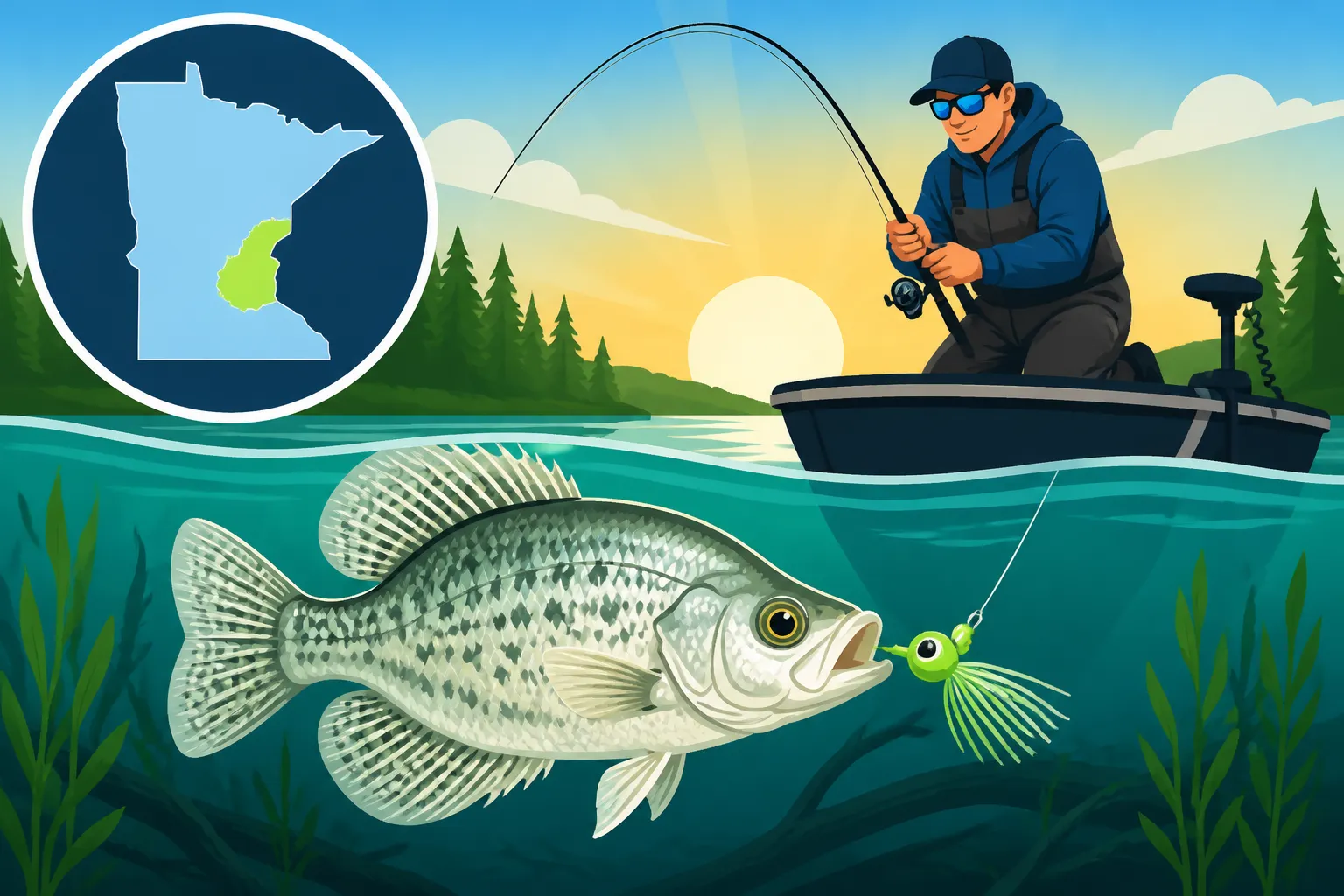
Many anglers in Minnesota might just call them "crappies," but there's a distinct difference between black and white crappie. White crappie, Pomoxis annularis, generally have a more elongated body shape compared to the rounder, deeper body of a black crappie. The easiest way to tell them apart, though, is by their markings and dorsal spines. White crappie typically have vertical bars running along their sides, which can sometimes be quite faint depending on water clarity and fish mood. Black crappie, on the other hand, have more of a mottled, speckled pattern.
Another key identifier is the dorsal fin. Count the spines on the dorsal fin: white crappie almost always have 5 or 6 dorsal spines, while black crappie will have 7 or 8. This small detail can be crucial for identification, especially when distinguishing between species in the field. Understanding these differences helps you target specific behaviors, as their preferences can vary slightly. You can learn more about how they compare in our guide on Black Crappie vs White Crappie.
Preferred Habitats and Behavior
White crappie are often found in warmer, more turbid (cloudy) waters than black crappie, although there's definitely overlap. They thrive in lakes, reservoirs, and slow-moving rivers with plenty of submerged cover like brush piles, fallen trees, docks, and weed lines. Think about the shallow, murkier bays of Lake Minnetonka or the backwaters of the Mississippi River – these are classic white crappie haunts.
Their behavior is highly influenced by water temperature and light conditions. Like many fish, they're often most active during dawn, dusk, and even into the night, especially in clear waters where they prefer lower light conditions to feed. During the day, particularly on bright, sunny days, they'll often retreat to deeper, shadier cover. This means that successful crappie fishing often involves seeking out those hidden pockets of structure where they feel safe and comfortable waiting for an easy meal to swim by. This understanding of their behavior is key to anticipating their movements throughout the day and year.
Seasonal Strategies for White Crappie
Crappie fishing in Minnesota is a year-round affair, but your tactics absolutely need to change with the seasons. What works in April won't necessarily cut it in August. Being adaptable is the name of the game, and understanding their seasonal migrations and feeding patterns is paramount to consistent success.
Spring Spawning Frenzy
Spring is arguably the most exciting time to target white crappie, as they move shallow to spawn.
Pre-Spawn Build-Up (Early Spring)
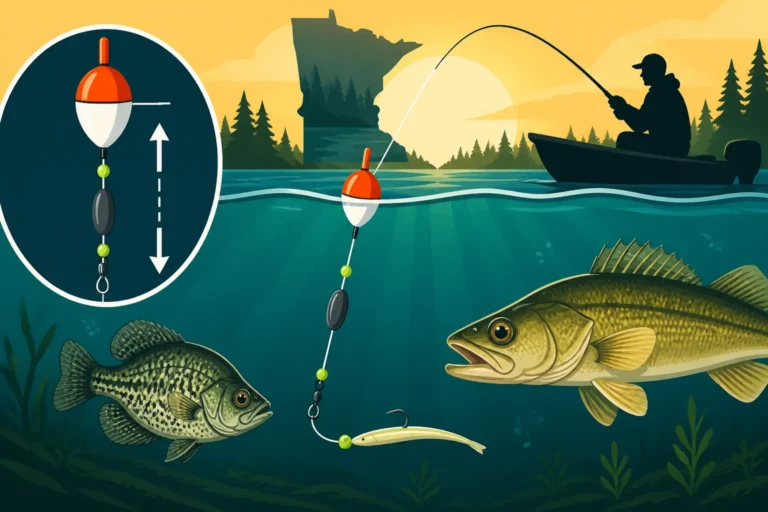
As ice recedes and water temperatures climb into the 40s (Fahrenheit), white crappie start to gather in staging areas near their eventual spawning grounds. These are typically slightly deeper waters adjacent to shallow bays, protected coves, or river backwaters with dark bottoms that warm up quickly. They're hungry and actively feeding to build energy for the spawn. This is a fantastic time for passive presentations. I've had great luck using a small jig tipped with a minnow or a soft plastic, suspended under a slip bobber. The key is to find those transitions from deeper channels to shallow flats. Look for bays with southern exposure; these spots usually warm up first.
The Spawn (Late Spring)
When water temperatures reach the upper 50s to low 60s, white crappie move into incredibly shallow water, sometimes only a few feet deep, to construct their nests. They'll often seek out submerged wood, reeds, lily pad stems, or even the bases of docks. This is when they become highly concentrated and aggressive, defending their nests. Small jigs (1/32 to 1/16 ounce) with tiny soft plastics in colors like chartreuse, white, or black are deadly. A simple cast-and-retrieve or pitching to visible cover often works wonders. On certain lakes, like Lake Waconia or Lake Pepin, finding these shallow brush piles can lead to incredible action. Just be mindful of disturbing their nests too much.
Post-Spawn Recovery (Late Spring to Early Summer)
After the rigors of spawning, white crappie will often move to slightly deeper, but still shallow, cover to recover. They're still active, but perhaps a bit more dispersed and not as aggressive as during the peak spawn. Look for them around the outer edges of the spawning bays, moving towards deeper weed lines or submerged timber. They'll still respond well to small jigs and minnows, but you might need to cover a bit more water. This phase can be a bit tougher than the peak spawn, but they're still catchable if you adapt to their slightly deeper locations.
Summer Deep Water Tactics
As the Minnesota summer truly kicks in and water temperatures rise into the 70s and beyond, white crappie generally pull away from the super shallow spawning grounds and head for deeper, cooler waters.
Finding Thermocline and Structure
In summer, white crappie often relate strongly to the thermocline – the layer of water where temperature changes rapidly. This layer often holds a good concentration of oxygen and baitfish. They'll hang out on deep weed edges, submerged humps, river channel drop-offs, and deep brush piles in 10-25 feet of water. Using your electronics to locate these features and mark schools of baitfish or crappie is crucial. A good fish finder can make all the difference. Slow trolling with small crankbaits or even spider rigging with multiple rods, each presenting a jig and minnow at a different depth, can be very effective in covering water and finding active fish. For example, on a lake like Cass Lake, checking main lake points that drop into deeper water or established cribs can be highly productive.
Night Fishing for Summer Crappie
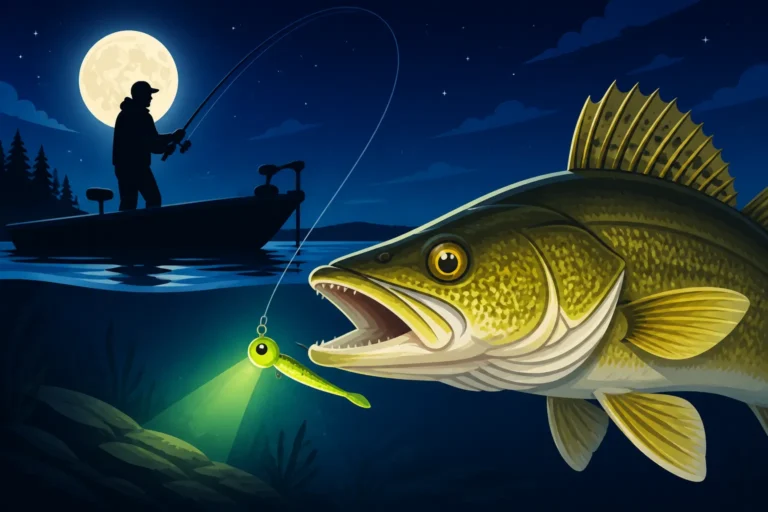
Don't overlook night fishing for white crappie in the summer. As the sun sets, crappie often move shallower to feed under the cover of darkness. Many anglers use submersible lights to attract plankton and baitfish, which in turn attract crappie. Setting up near a weed line or submerged structure in 8-15 feet of water, deploying a green or white crappie light, and fishing small jigs or minnows under a slip bobber can lead to incredible catches. It's a peaceful and often very productive way to fish when the daytime bite slows down. Remember to bring a good headlamp!
Fall Transition and Feeding
Fall sees white crappie becoming incredibly active as they feed heavily to build fat reserves for the coming winter.
Following Baitfish to Deeper Water
As water temperatures cool, baitfish move to deeper, more predictable locations, and crappie follow suit. You'll often find them schooled tightly on main lake points, sharp breaks, deep weed edges, and even offshore humps. Depths can range from 15 to 30 feet, sometimes even deeper. This is a time when vertical jigging with a small spoon or a jigging rap can be deadly once you've located a school on your electronics. They're often stacked up like cordwood, making for fast and furious action. On a lake known for crappie, like Upper Red Lake (though more famous for walleye, it has good crappie), these deeper structures become magnets for hungry crappie.
Early Ice Stage Preparation
Before the lakes fully freeze, crappie will often form massive schools in the deepest basins of bays or near deep channels. This is their staging for winter. Knowing these spots from fall fishing can give you a huge advantage when the first safe ice forms. They'll continue to feed aggressively, making them vulnerable to presentations like small jigs tipped with crappie minnows. Pay attention to local fishing reports as temperatures drop; they can give you a heads-up on exactly where these schools are congregating.
Winter Ice Fishing for White Crappie
Minnesota's long winters mean ample opportunities for ice fishing, and white crappie are a prime target.
Locating Winter Crappie
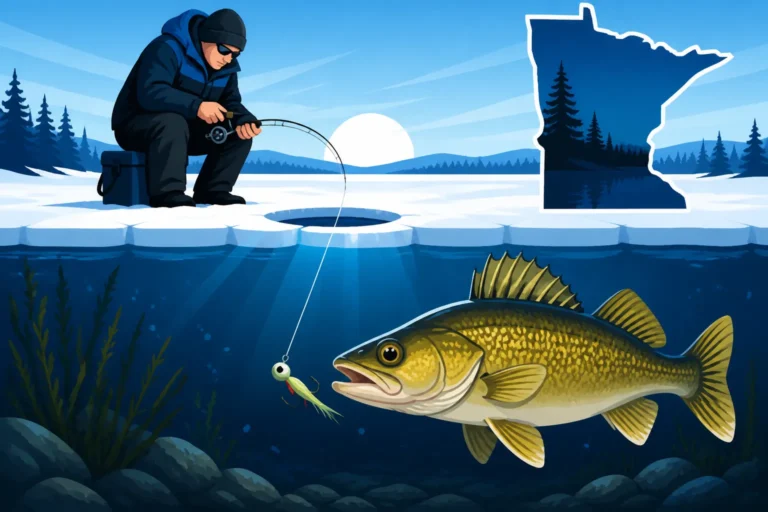
Under the ice, white crappie often suspend in the water column over deep holes, basins, or near submerged structure like humps and weed edges. They tend to school tightly, so once you find one, you're likely to find many. A portable flasher or fish finder is almost indispensable for ice fishing crappie, allowing you to see your lure and the fish in real-time. Look for schools suspended anywhere from 5 feet off the bottom to halfway up the water column in 20-40 feet of water.
Effective Ice Fishing Baits and Tactics
Small, glow-in-the-dark tungsten jigs tipped with a wax worm, a small crappie minnow head, or a tiny soft plastic are extremely effective. Spoon-style lures like a Northland Forage Minnow or a small VMC Tingler Spoon can also entice aggressive bites. The key is often a subtle presentation with slight jigging motions. Deadsticking a minnow under a rattle reel in a second hole nearby can also pick up those less aggressive biters. For a more detailed look at winter tactics, check out our guide on how to Catch Crappie Through the Ice in Minnesota. Many of these excellent tungsten jigs can be found easily on Amazon.
Essential Gear and Techniques for White Crappie
Having the right tools for the job can dramatically increase your success rate when targeting white crappie. You don't need to break the bank, but a few key items will make a world of difference.
Rods, Reels, and Line Choices
Light Action Rods for Sensitivity
For crappie, sensitivity is paramount. A light to ultra-light action spinning rod, typically 5 to 7 feet long, is ideal. The softer tip allows you to detect those subtle crappie bites, which can sometimes feel like nothing more than a slight pressure or the line going slack. For ice fishing, an ultra-light panfish rod, often 24-30 inches, with a sensitive spring bobber, is perfect. Brands like St. Croix or Fenwick offer excellent options that won't totally empty your wallet.
Small Spinning Reels and Light Line
Pair your rod with a small spinning reel, size 500 or 1000, spooled with light line. 2-4 pound monofilament or fluorocarbon is generally sufficient. Fluorocarbon offers excellent sensitivity and is nearly invisible underwater, making it a great choice for clear water or finicky crappie. Braided line in 6-10 pound test can also be used for increased sensitivity and strength, especially when fishing around heavy cover, but I'd recommend tying a 2-4 foot fluorocarbon leader to it for stealth. The thin diameter of light line allows your small jigs to sink naturally and makes casts with tiny lures much easier.
Baits and Lures That Work
White crappie aren't usually picky eaters, but presentation and size matter.
Live Bait Favorites
Small minnows are often the number one choice, especially crappie minnows or fatheads. Hook them lightly through the lips or just behind the dorsal fin. Leeches can also be effective, particularly in summer. Worms, especially small pieces of nightcrawler, can work when other baits fail. For specific advice on what live bait works best for panfish, our guide on Best Live Bait for Walleye (Leeches, Minnows, Crawlers) provides some great crossover insights.
Artificial Lures for Crappie
- Jigs and Soft Plastics: This is the bread and butter of crappie fishing. Use 1/32 to 1/8 ounce jigs, pairing them with small plastic bodies like tube jigs, paddle tails, or curly tail grubs (1-2 inches). Experiment with colors; chartreuse, white, black, and various glitter patterns are popular.
- Small Spoons: Tiny jigging spoons, often 1/16 to 1/8 ounce, can be very effective, especially for ice fishing or vertical jigging in open water. Tip them with a minnow head or wax worm for added attraction.
- Tiny Crankbaits: When crappie are aggressive, or for trolling, small crankbaits that dive shallow to medium depths can be excellent. Rapala's Ultra Light Shad or Berkley's Flicker Shad in smaller sizes can work wonders.
- Jigging Raps: These lipless crankbaits, often used for walleye, are fantastic in their smallest sizes (size 3 or 5) for aggressive crappie, especially through the ice.
Presentation and Fishing Methods
Matching your presentation to the crappie's mood and location is key.
Slip Bobber Rigs
This is a versatile setup for presenting live bait or small jigs at a precise depth. A slip bobber allows you to cast your rig without having to deal with a long line hanging below a fixed bobber. It's fantastic for fishing brush piles, weed edges, or suspended fish. You can find excellent slip bobber kits on Amazon. For a detailed walkthrough, refer to our article on How to Set Up a Slip Bobber Rig Step by Step.
Vertical Jigging
When crappie are schooled tightly, often directly beneath your boat or ice hole, vertical jigging is incredibly effective. Drop a jig or spoon directly to their depth and use small, subtle lifts and drops. Watch your line closely for any taps or pauses. This method is particularly effective in deeper water and when you've pinpointed a school with your electronics.
Casting and Retrieving
For shallower crappie, especially during the spawn or in areas with widespread cover, simply casting small jigs and retrieving them slowly can be very productive. Vary your retrieve speed and add pauses to let the jig flutter down. This is an excellent technique for covering water quickly and locating active fish.
Finding the Best White Crappie Spots in Minnesota
Knowing the general preferences of white crappie is one thing, but consistently finding them on a specific lake requires a bit more detective work. They can be found in many Minnesota lakes, from the large expanses of Lake of the Woods to the smaller, more intimate waters of the Brainerd Lakes Area.
Identifying Key Lake Structure
White crappie, like most fish, are creatures of habit and structure.
Submerged Wood and Vegetation
These are absolute crappie magnets. Look for fallen trees, brush piles, old docks, and dense weed beds (especially coontail or cabbage weeds). Crappie use these areas for ambush points, shelter from predators, and shade on bright days. If you're on a lake, cruise slowly with your side imaging or down imaging sonar to pinpoint these submerged structures. In winter, knowing where these were in open water can lead you to excellent ice fishing spots. Public fishing piers and shorelines with abundant timber are also prime targets for shore anglers.
Drop-Offs and Contours
Crappie often stage along contours and drop-offs that lead into deeper water. These are transition zones where they can easily move between shallow feeding areas and deeper refuge. Main lake points that extend into the basin, river bends, and the edges of creek channels are all prime locations. Using a good lake map, like those found on Navionics or LakeMaster, can help you identify these spots before you even hit the water. Pay close attention to subtle changes in depth or bottom composition; these can be key.
Utilizing Technology and Local Knowledge
Modern fishing tools and a bit of community wisdom go a long way.
Fish Finders and Mapping
A quality fish finder with GPS and detailed mapping is invaluable. It allows you to scan for submerged structure, identify schools of fish, and navigate precisely to productive spots. Brands like Humminbird and Garmin offer excellent units that can reveal what's hidden beneath the surface. Save waypoints of successful spots so you can return to them later. For ice fishing, a flasher like a Vexilar can show you fish reacting to your lure in real-time.
Online Resources and Local Bait Shops
Don't underestimate the power of local knowledge. Online fishing forums, local bait shop reports, and even social media groups dedicated to Minnesota fishing can provide timely insights into what's biting and where. A quick stop at a local bait shop (like Joe's Sporting Goods or Thorne Bros.) for minnows and a chat with the staff can often yield priceless information about current conditions and crappie hotspots on nearby lakes. They often know which bays are holding fish or which specific brush piles are hot.
Crappie Care and Regulations
Beyond the thrill of the catch, responsible angling is crucial for maintaining Minnesota's incredible crappie fisheries. Knowing how to handle your catch and understanding the rules ensures these opportunities remain for generations to come.
Handling Your Catch Responsibly
Whether you plan to keep your crappie for a delicious meal or release them to fight another day, proper handling is essential.
Minimizing Stress for Released Fish
If you're practicing catch and release, try to land the fish quickly, minimize air exposure, and handle them gently. Wet your hands before touching the fish to protect their protective slime coat. Remove hooks carefully with pliers or a de-hooking tool. If a fish is deeply hooked, it's often best to cut the line as close to the hook as possible rather than tearing vital organs. For fish that seem lethargic, hold them gently in the water, facing into any current, until they swim off strongly on their own. These best practices are detailed in our guide on Catch and Release Best Practices in Minnesota.
Preserving Quality for the Frying Pan
For those destined for the dinner table, getting your crappie on ice as quickly as possible is key to maintaining their quality. A cooler with ice slush is ideal. This rapid cooling prevents spoilage and keeps the meat firm. When cleaning, remember that white crappie have delicious, flaky white meat perfect for a fish fry. Some anglers even prefer their taste to that of black crappie. If you’re looking for the Best Eating Fish in Minnesota Lakes, crappie are definitely high on the list.
Minnesota's Crappie Limits and Rules
The Minnesota Department of Natural Resources (DNR) sets specific regulations to manage crappie populations and ensure sustainable fishing. These rules can vary by lake, so it's critical to check the current fishing regulations handbook or the DNR's website before you head out.
Statewide and Special Regulations
Generally, there's a statewide daily bag limit for crappie, but many individual lakes or specific water bodies have special regulations, which might include reduced bag limits, size restrictions (e.g., minimum length or slot limits), or even protected slots where certain sizes must be released. For instance, some lakes might have a daily limit of 10 crappie with only one over 12 inches. It's your responsibility as an angler to know these rules for the specific waters you're fishing. Our guide on Minnesota Crappie & Sunfish Limits can give you a general overview, but always double-check the source.
The Importance of Checking the DNR Regulations
A simple search on the DNR's official website will bring up the most current fishing regulations. There's also usually an annual fishing regulations booklet available at bait shops and DNR offices. Ignoring these rules can lead to hefty fines and loss of fishing privileges, so it's always worth taking a few minutes to confirm. Understanding how many crappie you can keep in Minnesota is not just about following the law; it's about being a good steward of our natural resources.
| Season | Typical Location | Depth (feet) | Recommended Baits/Lures | Key Technique |
|---|---|---|---|---|
| Early Spring | Bays, protected coves | 5-15 | Minnow under slip bobber, small jig | Slow presentation |
| Spawn (Late Spring) | Shallow brush, docks, reeds | 2-6 | Small jig w/ plastic, tiny minnow | Pitching to cover |
| Post-Spawn | Edges of spawning bays, deeper weeds | 8-15 | Jig & minnow, small soft plastic | Fan casting, slow retrieve |
| Summer | Deep weed lines, humps, channels | 10-25+ | Small crankbaits, jig & minnow | Trolling, vertical jigging, night fishing |
| Fall | Main lake points, deep breaks, basins | 15-30+ | Jigging spoon, jigging rap, jig & minnow | Vertical jigging, electronics |
| Winter (Ice) | Deep basins, suspended over structure | 15-40 | Tungsten jig w/ wax worm/minnow, jigging spoon | Vertical jigging, sensitive rod |
Disclaimer
Fishing regulations, conditions, and fish behavior can change rapidly. Always consult the most current Minnesota DNR fishing regulations before heading out on the water. This guide provides general information and recommendations, but local knowledge and up-to-date regulations are paramount for a safe and successful trip.