Best Lures for Ice Fishing Crappie
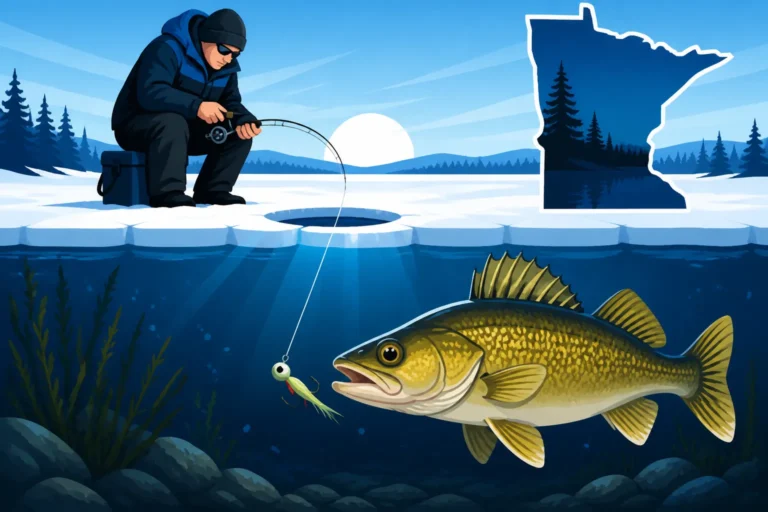
There's nothing quite as frustrating as heading out onto a frozen Minnesota lake, drilling a dozen holes, and staring blankly into your ice hole, knowing crappie are down there somewhere but refusing to bite. We've all been there, trust me. Crappie can be incredibly finicky under the ice, and choosing the right lure isn't just a suggestion—it's often the make-or-break factor between a memorable bucket of slabs and a chilly, fishless trek back to the truck. This guide is all about equipping you with the knowledge and the go-to lures to turn those frustrating outings into successful ones, helping you crack the code on Minnesota's elusive winter crappies.
Understanding Crappie Behavior Under the Ice
Before we even talk about specific lures, it's absolutely vital to understand what makes a crappie tick when the water turns to ice. They're not like a hungry northern pike that'll hit anything that moves. Crappies are often highly particular, and their behavior shifts throughout the winter, meaning your approach needs to adapt.
Crappie Habitat in Winter
When the lakes freeze over, crappies often migrate to specific areas that offer them shelter, food, and stable conditions. They tend to be suspended fish, meaning they're not always hugging the bottom like walleye. Instead, you'll frequently find them relating to main lake basins, especially those with deeper water, or suspended over submerged humps, points, and even old river channels. Sometimes, they'll hold tight to deep weed lines, particularly in early and late ice when oxygen levels are better and baitfish might still be lurking in the vegetation. Identifying these key structures on your lake map is the first step; your electronics then become crucial for pinpointing the exact depth.
Think of it like this: if you're out on a popular lake like Lake Minnetonka or Lake Pepin, crappies might be holding in 20-30 feet of water, but they could be suspended 5-10 feet off the bottom, chasing schools of shiners or young perch. Knowing this helps you understand why dropping your lure all the way to the bottom might not get you any bites. Sometimes they're in large schools, other times they're spread out, but almost always, they're looking for an easy meal without expending too much energy. Learning to read your fish finder for these suspended schools is a skill that pays off immensely.
Feeding Habits and Light Sensitivity
Crappies are visual predators with those famously large, forward-facing eyes. This means light conditions play a huge role in their feeding activity. They tend to be most active during low-light periods – dawn, dusk, and even after dark, especially if there's moonlight or ambient light from nearby ice houses. Overcast days are also often more productive than bright, sunny ones. Their vision allows them to pick up subtle movements and colors, which is why lure presentation and color choices are so critical.
During the daytime, especially on clear, sunny days, crappies can become extremely lethargic and finicky. They might hug tight to structure or suspend in dense schools, barely moving. This is when a subtle, slow presentation is key. They're not going to chase something wildly erratic. Conversely, during those prime low-light windows, they can be surprisingly aggressive, willing to hit a lure with more flash and action. They're opportunistic feeders, keying in on small baitfish, insect larvae, and zooplankton. Your lure needs to mimic these natural food sources in both appearance and action, or trigger a reaction strike. Many anglers overlook how a small change in jigging cadence or lure color can completely turn a tough bite around, highlighting the importance of finesse techniques for crappie fishing.
The Essential Crappie Ice Fishing Lures
Now that we've covered the "why" behind crappie behavior, let's dive into the "what" – the actual lures that consistently put crappies on the ice across Minnesota. These aren't just random suggestions; they're time-tested favorites that cover a wide range of crappie moods and water conditions.
Micro Jigs and Plastics
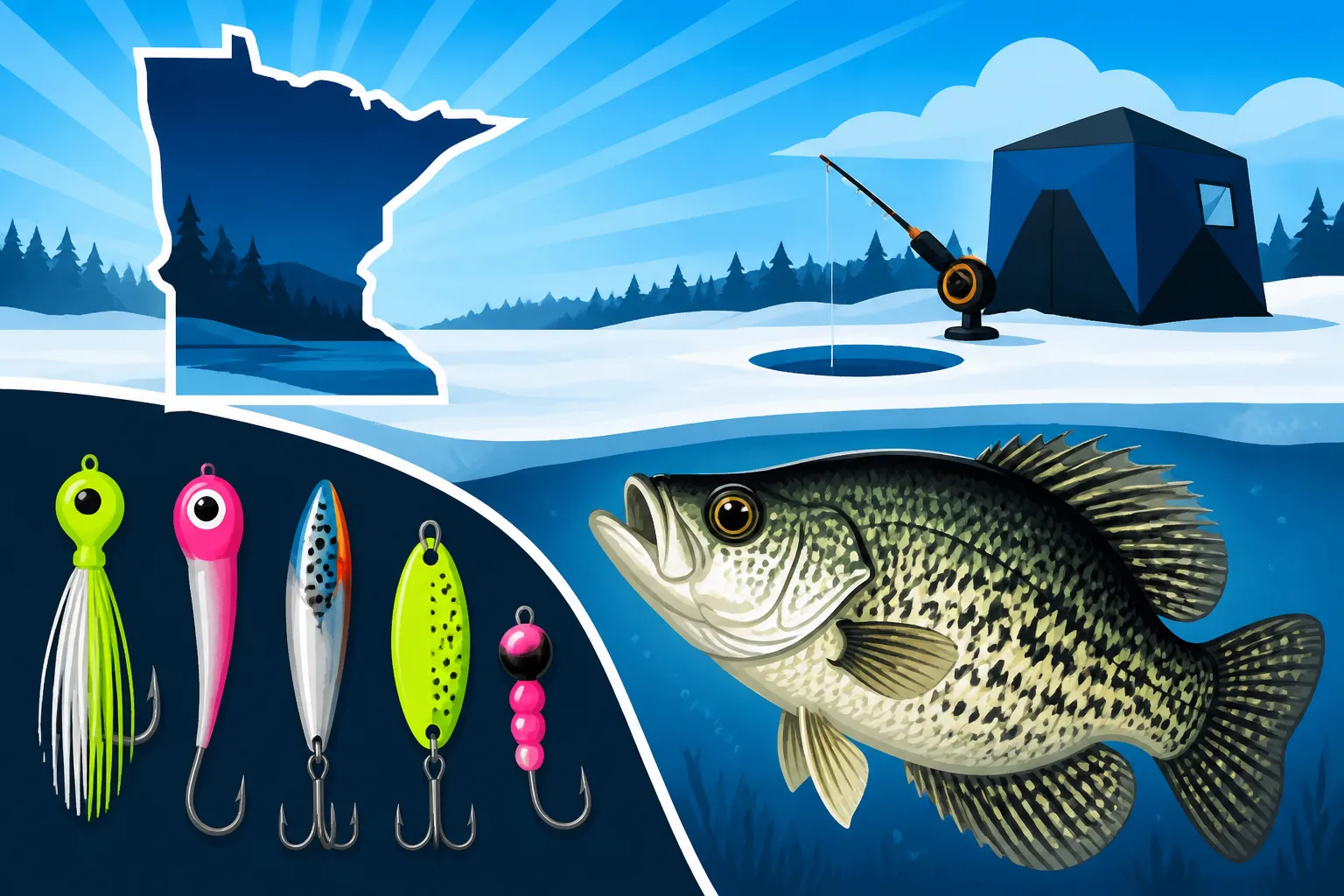
When it comes to ice fishing for crappie, micro jigs paired with tiny soft plastics are arguably the most versatile and effective combination. These lures are designed to imitate small aquatic insects, larvae, and tiny baitfish, which are primary food sources for crappie in winter. Sizes typically range from 1/64 to 1/16 ounce, though you might go slightly heavier for deeper water or strong currents. The key here is subtlety.
There's a huge variety of soft plastics available, each with a different profile and action. Think tiny hair jigs, Mico-Maki tails, small paddle tails, or even simple grub bodies. Brands like Custom Jigs & Spins, Northland Fishing Tackle, and VMC offer excellent options. The plastic itself should be very soft and pliable, allowing for maximum movement with minimal jigging action. A 1-inch or 1.5-inch grub on a 1/32 ounce jig head can be absolutely deadly. You can find massive assortments of these on Amazon, often allowing you to experiment with different shapes and colors without breaking the bank. The magic happens when you pair a delicate twitch with the natural buoyancy and movement of the plastic, making it seem alive in the water. This setup is particularly effective when crappies are finicky or when you're fishing in clear water where a natural presentation is paramount. When you're trying to figure out How to Catch Crappie Through the Ice in Minnesota, these tiny jigs are often your first line of attack.
Small Spoons and Jigging Raps
Sometimes, crappies need a bit more persuasion. This is where small spoons and jigging raps shine. These lures offer more flash, vibration, and a more aggressive profile, making them excellent choices when crappies are more active, deeper, or when you need to draw them in from a distance.
- Small Spoons: Spoons like the classic Acme Kastmaster, the Northland Forage Minnow, or the Lindy Rattl'n Flyer Spoon are fantastic options. They come in various finishes, from silver and gold to bright, flashy colors or even glow patterns. The fluttering action on the fall mimics a dying baitfish, and a sharp jigging motion sends out vibrations that crappies can detect from afar. Spoons are particularly useful in deeper water because their heavier weight helps them get down quickly, and their flash is still visible at depth.
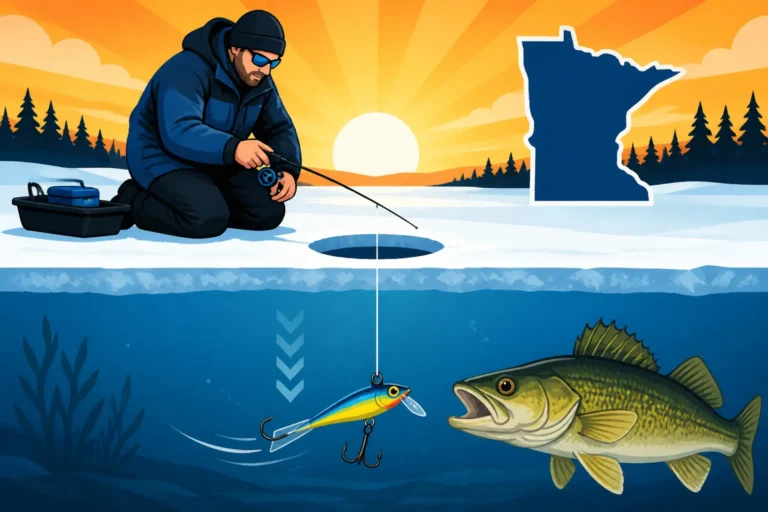
- Jigging Raps: These are a different breed altogether. Designed to swim in enticing circles when lifted and dropped, jigging raps like the Rapala Jigging Rap or the Clam Leech Flutter Spoon create a very distinct, wounded baitfish presentation. They cover a lot of water horizontally with each jig, making them great search lures. They're often equipped with a single treble hook on the belly and a single hook on the tail, making for good hookups. These lures are often a go-to for more aggressive crappies, especially during low-light periods or when you're targeting fish suspended over open basins. If you're focusing on Ice Fishing for Crappie & Panfish, mastering the jigging rap can really improve your catch rate.
Live Bait Rigs and When to Use Them
While artificial lures are incredibly effective, there are times when live bait is simply unbeatable, especially when crappies are incredibly sluggish or when you're dealing with negative feeding patterns. Live bait adds scent, natural movement, and a texture that can convince even the most hesitant crappie to bite.
- Crappie Minnows: Small fathead minnows or crappie minnows are a classic choice. Rigged on a plain hook (size 8 or 10) or a very light jig, they provide irresistible natural action. You can suspend them under a sensitive slip bobber, allowing the minnow to swim freely. This is a fantastic deadsticking presentation.
- Wax Worms, Spikes, and Euro Larvae: These tiny larvae are panfish magnets. Threaded onto a small tungsten jig (like those discussed in Best Tungsten Jigs for Panfish) or a tiny plain hook, they offer scent and protein. Their natural wiggling motion is often enough to entice a bite from even the most finicky crappie. They’re particularly effective in situations where crappies are focused on insect larvae, or when the bite is so subtle that a larger lure would spook them.
The beauty of live bait is its simplicity. When the high-tech lures aren't producing, going back to basics with a simple minnow under a bobber or a wax worm on a jig can often save the day. It’s also a great option for setting up a second line, as per How Many Lines Can You Use Ice Fishing in Minnesota? regulations, allowing you to deadstick a live bait while actively jigging another hole with an artificial lure. This strategy maximizes your chances of finding what the crappie want on any given day.
Matching Lures to Conditions and Depth
Choosing the right lure isn't just about having a tackle box full of options; it's about understanding when and where to deploy each one. Crappie fishing under the ice is a dynamic game, and successful anglers are constantly adapting their lure choices and presentations to the prevailing conditions.
Shallow Water Tactics First Ice/Last Ice
During first ice (usually November/December in Minnesota) and last ice (March/April), crappies often hold shallower than they do in mid-winter. The reasons vary: better oxygen levels in shallower, oxygen-rich waters, lingering green weeds offering cover, or baitfish still using these areas. At first ice, they might be found in 8-15 feet of water, often near the edges of weed beds or under points extending into deeper water. During last ice, they often push even shallower, staging for the upcoming spawn, sometimes found in as little as 5-8 feet.
For these shallow-water scenarios, finesse is the name of the game. You'll want to use smaller, lighter lures that fall slowly and don't spook fish in the clearer, shallower water.
- Light Micro Jigs and Small Plastics: Think 1/64 or 1/32 ounce jigs with tiny plastic tails. Colors that mimic natural forage, like clear with a little flake, brown, or black, often work well. The slow fall of these light jigs allows the crappies ample time to react without feeling pressured.
- Tiny Hair Jigs: These offer a very natural, almost invisible profile. Paired with a wax worm or a single spike, they can be deadly when crappies are cruising just beneath the ice in shallow weed pockets.
- Horizontal Jigs (e.g., small Custom Jigs & Spins Ratso): These jigs hang horizontally, presenting a larger profile to fish looking up. They can be very effective when jigged subtly.
The key is a very subtle jigging action, perhaps just a quiver or a slow lift and drop. Any aggressive movements can easily spook these shallow-water dwellers. This is also where you might explore Spring Crappie Fishing in Minnesota tactics, even if the ice is still on.
Deep Water Strategies Mid-Winter
As winter progresses into its coldest, darkest months (typically January and February), crappies often move to deeper water, frequently suspending over main lake basins, deep humps, or distinct drop-offs. In these mid-winter conditions, they might be in 20-40 feet of water, but suspended anywhere from 5 feet off the bottom to 15-20 feet below the ice. Locating these schools using your electronics is paramount.
For deep water, you need lures that get down efficiently and still offer a visible and enticing presentation.
- Heavier Spoons: While still small, spoons in the 1/8 to 1/4 ounce range become more effective. Their weight helps them drop quickly to the desired depth, and their flash and vibration help attract crappies from a distance. Gold, silver, glow white, or bright chartreuse are often excellent color choices in the reduced light of deeper water.
- Jigging Raps (and other hard baits): These are fantastic deep-water search lures. Their aggressive swimming action on the lift and drop covers a wider area, helping you locate schools of suspended crappies. The VMC Tingler Spoon is another great option, offering a unique flutter on the fall that can trigger strikes in deeper water.
- Tungsten Jigs: For finesse presentations in deep water, tungsten jigs are a game-changer. Tungsten is denser than lead, meaning a 1/16 ounce tungsten jig is much smaller in profile than a lead jig of the same weight, allowing for faster drops without sacrificing subtlety. This is crucial for maintaining contact with your lure and feeling those often-light crappie bites at depth. Always tip these with a small piece of plastic or live bait.
Clear vs. Stained Water Considerations
The clarity of the water dramatically impacts which lures and colors will be most effective. Minnesota offers a huge range of lake types, from crystal clear Boundary Waters lakes to tannin-stained waters in the north, and even turbid lakes in agricultural areas.
- Clear Water: In clear lakes, crappies are highly visual, but they can also be easily spooked. Your presentation needs to be as natural and subtle as possible.
- Colors: Opt for natural hues like clear, white, black, brown, or subtle greens. Translucent plastics with a touch of glitter can also be very effective. Avoid overly bright or flashy colors unless the fish are unusually aggressive.
- Lures: Micro jigs and small plastics are often kings here. Small hair jigs or tiny horizontally-hung jigs with a single wax worm can imitate natural forage perfectly. The goal is to blend in rather than stand out too much. A delicate touch is needed when jigging, as exaggerated movements can alert and scare away fish.
- Stained/Turbid Water: In lakes with low visibility, crappies rely more on vibration and stronger visual cues.
- Colors: Go bold! Chartreuse, orange, pink, bright green, and glow-in-the-dark colors are excellent. These hues stand out better in murky water. Lures with UV reactive paint can also provide a significant advantage.
- Lures: Spoons and jigging raps with their inherent flash and vibration become very effective. Rattling lures can also be a secret weapon, as the noise helps fish locate the bait. Heavier jigs that create a bigger splash or send out more vibration on the drop can also draw attention. Consider something like a Rapala Rippin' Rap in a small size if the crappie are very aggressive.
Experimentation is key. Start with an assumption based on water clarity, but always be willing to try something different if the fish aren't responding. A good strategy is to have a variety of colors and lure types readily available in your tackle bag, like those you can easily stock up on through Amazon.
Advanced Tips for Lure Presentation and Selection
Getting the right lure to the right depth is just half the battle. How you present that lure, and even the subtle color variations, can make all the difference in triggering a strike from a cautious crappie. This is where the art of ice fishing truly comes into play.
Color Choices and Their Impact
We touched on color in relation to water clarity, but let's dive a little deeper into how specific colors can appeal to crappie under various light and mood conditions. It's not just about visibility; it's about what the color suggests to the fish.
- Glow Colors (Chartreuse, Orange, Green, White): These are absolute staples for ice fishing. In low-light conditions (dawn, dusk, cloudy days, or after dark) and in deeper, darker water, glow lures provide essential visibility. A quick charge with a headlamp or a dedicated UV flashlight can make your lure irresistible. Many anglers swear by glow jigs tipped with a chartreuse plastic or a glow spoon for enticing bites when nothing else works.
- Bright Colors (Hot Pink, Firetiger, Bright Chartreuse): These are often "attractor" colors. They don't necessarily mimic natural forage, but they grab attention. Use them in stained water, when crappies are aggressive, or when you're trying to call fish in from a distance. Sometimes, a super bright lure can simply annoy a crappie into a reaction strike.
- Natural Colors (Black, Brown, Olive, Clear, White, Silver, Gold): These colors mimic natural baitfish, minnows, or insect larvae. They are typically best in clear water and when crappies are finicky. Silver and gold offer subtle flash that can be very appealing, especially on brighter days or when imitating shiners. Black and brown can be incredibly effective when fish are feeding on dark insect hatches or when they're very cautious.
Always remember that crappies can be highly selective, and what works one day might not work the next. Having a diverse palette of colors in your tackle box is crucial. If you're not getting bites, a simple color change can sometimes unlock the fish.
Aggressive Versus Subtle Presentations
The way you move your lure is just as important, if not more important, than the lure itself. Crappie moods fluctuate throughout the day and the season, demanding different approaches.
- Aggressive Presentation: This involves more pronounced jigging motions. Think sharp lifts, quick drops, and vigorous shimmies. This presentation is ideal when:
- Crappies are actively feeding (often during low light).
- You're using spoons or jigging raps to call fish in from a distance.
- You're trying to trigger a reaction strike from suspended fish.
- In stained water where bigger movements help with detection.
A common technique is to "pound" the bottom a few times to stir up sediment, attracting curious fish, then lift your lure a few feet and work it with quick snaps.
- Subtle Presentation: This is often the default, especially when crappies are finicky, in clear water, or during bright daylight hours.
- Deadsticking: This involves suspending a live minnow or a subtle plastic on a jig with minimal to no movement. The lure hangs enticingly, often with just the natural current or the minnow's movements providing action. This is particularly effective for those extremely wary crappies.
- Quivering/Pulsing: Barely twitching your rod tip to make a tiny micro jig or plastic quiver in the water. This mimics an injured or struggling insect or a very small baitfish. Think of it as just enough movement to be noticed, but not enough to scare.
- Slow Lift and Drop: A gradual lift of the rod tip, followed by an equally slow, controlled drop, allowing the lure to parachute down. This can be deadly with small spoons or micro jigs.
The key is to start with a moderately aggressive approach to see if you can trigger a bite, then scale back to more subtle presentations if the fish aren't responding. Watching your flasher (like a Vexilar or Humminbird) will show you how fish react to your movements and help you dial in the retrieve. Getting a handle on How to Read a Flasher (Vexilar/Humminbird) will significantly improve your ability to discern fish behavior and adjust your jigging cadence accordingly.
Utilizing Electronics for Lure Placement
In modern ice fishing, especially for suspended species like crappie, electronics are no longer a luxury—they're an essential tool. A good flasher or a forward-facing sonar unit can tell you exactly where crappies are, how they're reacting to your lure, and when to adjust your presentation.
- Flashers (Vexilar, Humminbird Ice Helix, MarCum): These iconic devices provide real-time feedback on fish location, depth, and even your lure's position. When targeting crappies, you'll see them as distinct marks (often red or yellow, depending on density) suspended in the water column. Being able to drop your lure directly into a school, or just above them, is a massive advantage. You can see how a crappie rises to investigate your lure, or how it turns away if your presentation is too aggressive. This instant feedback allows for rapid adjustments. If you're new to the game, investing in one of the Best Ice Fishing Electronics for Beginners can rapidly accelerate your learning curve.
- Forward-Facing Sonar (Garmin LiveScope, Humminbird Mega Live, Lowrance ActiveTarget): For the truly dedicated crappie angler, forward-facing sonar takes things to another level. While more expensive, these units allow you to scan a wide area around your hole, not just directly beneath it. This means you can see schools of crappie approaching, identify their direction of travel, and even see how they react to your lure before they're directly under you. This technology is a game-changer for finding and staying on nomadic crappie schools, especially on large, featureless basins. For instance, if you're out on a big lake like Upper Red Lake, being able to scan for crappie schools can save you from drilling endless holes.
| Lure Type | Best Conditions | Recommended Sizes | Ideal Presentation | Key Benefits |
|---|---|---|---|---|
| Micro Jigs | Clear water, finicky crappie, shallow to mid-depth | 1/64 – 1/32 oz | Subtle quiver, deadstick, slow lift/drop | Natural look, subtle action, high finesse |
| Small Plastics | Paired with micro jigs, all conditions | 1" – 2" | Same as micro jigs, provides scent & profile | Versatile, mimics various forage, soft texture |
| Small Spoons | Deeper water, active crappie, stained water | 1/8 – 1/4 oz | Aggressive jig, sharp lift & fall | Flash, vibration, attracts from a distance |
| Jigging Raps | Deeper water, active crappie, searching for schools | #3, #4 | Lift and drop with pause, swimming action | Covers water, aggressive profile, reaction bites |
| Live Bait | Extremely finicky crappie, cold fronts, deadsticking | Small minnow, wax worm, spike | Suspended under bobber, minimal movement | Natural scent & action, undeniable appeal |
| Tungsten Jigs | Deep water finesse, faster fall, windy conditions | 1/16 – 1/8 oz | Subtle quiver, tight action with light plastics | Fast descent, small profile for weight, sensitive |
Ultimately, a combination of the right lures, understanding crappie behavior, and leveraging your electronics will lead to more successful crappie ice fishing adventures. Don't be afraid to experiment, and always pay attention to what the fish are telling you.
Disclaimer
Fishing regulations, seasons, and limits can change. Always consult the most current Minnesota Department of Natural Resources (DNR) regulations before heading out on the ice. This guide is for informational purposes only and should not replace official DNR publications.