Cass Lake Walleye Limit & Slot
Imagine you’re out on the crystal-clear waters of the Cass Lake chain, the sun is just starting to peak over the white pines of Star Island, and your rod tip finally doubles over. You net a beautiful, healthy walleye, but suddenly that familiar anxiety kicks in: is this a keeper? Understanding the Cass Lake Walleye Limit & Slot is the only way to ensure your dream fishing trip doesn't end with a costly citation and a heavy dose of regret.
The Core Regulations for Cass Lake Walleyes
When you’re fishing a legendary destination like Cass Lake, you have to throw the standard statewide rulebook out the window—at least partially. While many lakes in Minnesota allow you to keep a certain number of fish within a broad range, the Cass Lake chain operates under special regulations designed to keep the fishery world-class. For the 2026 season, the most critical thing to remember is the protected slot.
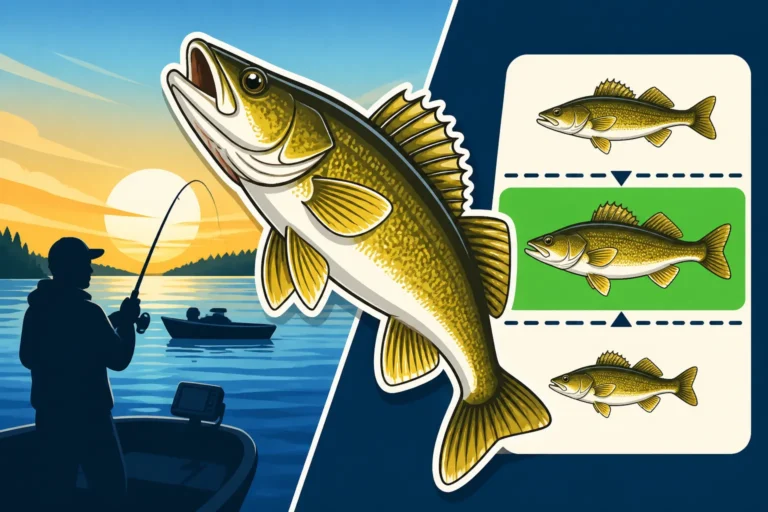
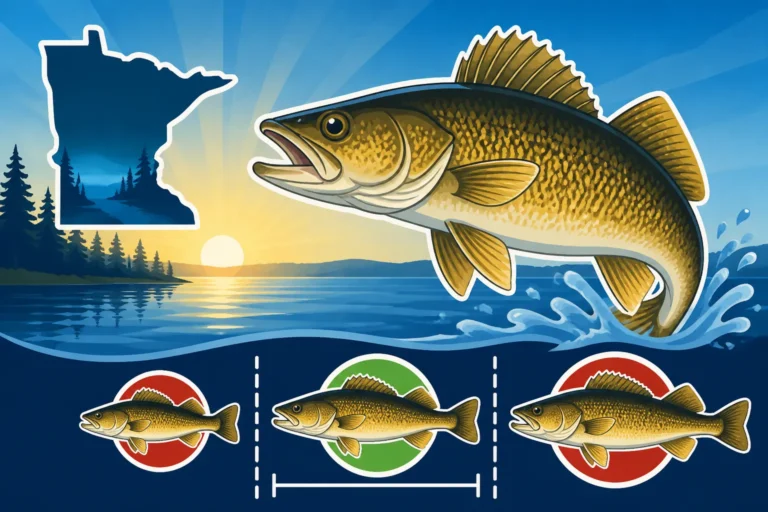
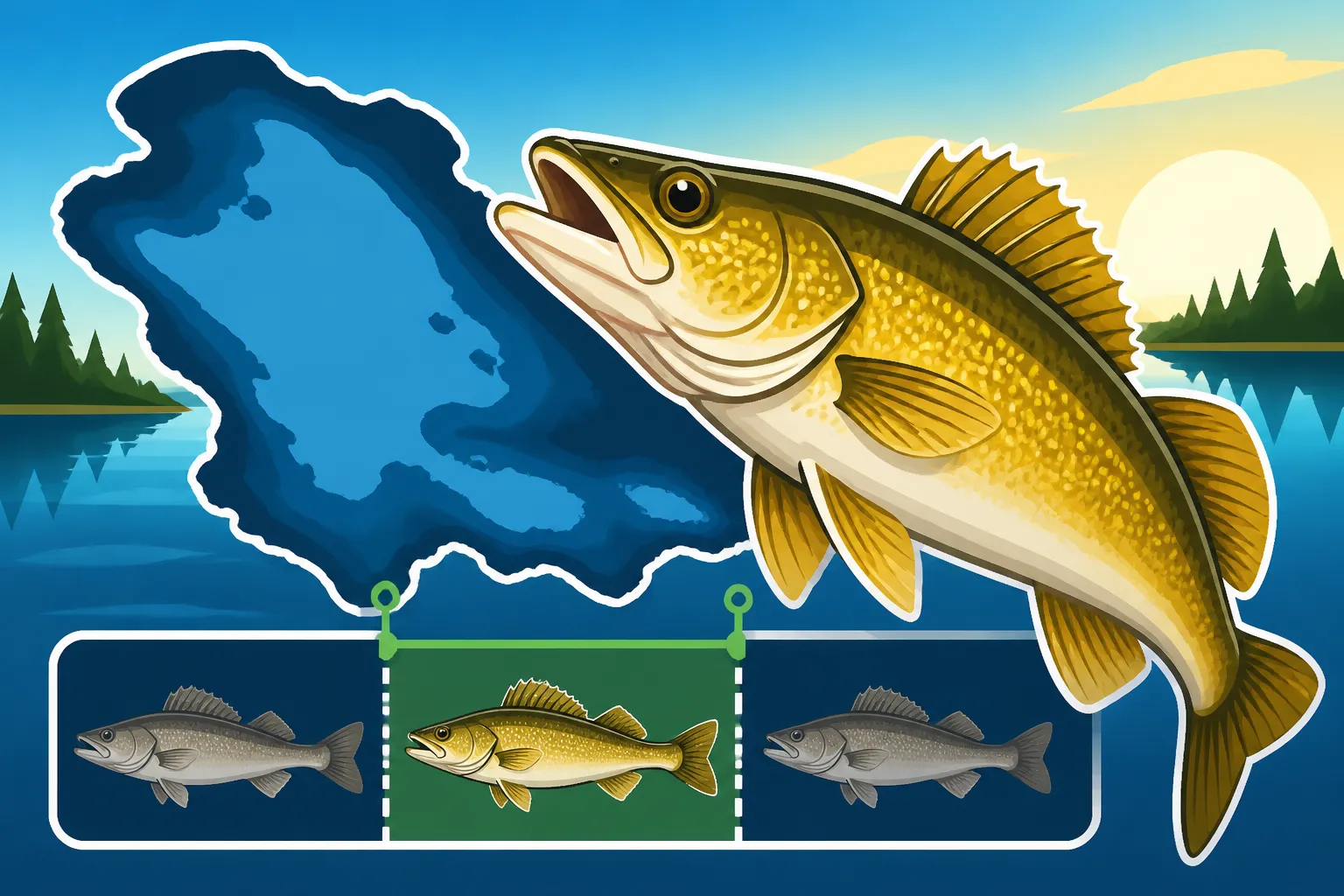
Specifically, any walleye you catch that measures between 18 and 26 inches must be immediately returned to the water. This is what we call a "protected slot," and it’s non-negotiable. You are allowed to keep a total of six walleyes in your possession, but only one of those six can be longer than 26 inches. The rest of your limit must consist of fish that are strictly under 18 inches. It sounds simple enough when you’re reading it at the kitchen table, but when you’re on a drifting boat with a 19-inch fish that looks "close enough," that’s when people get into trouble.
Why is this rule so specific? Well, those 18 to 26-inch fish are the "workhorses" of the lake. They are the prime spawners, the females that produce the highest quality and quantity of eggs to ensure the next generation of Minnesota Walleye Limit & Size Rules remains robust. If we harvested every 20-inch fish that hit a jig, the lake’s population would collapse under the heavy pressure it sees every summer. By protecting that middle tier, the DNR ensures that you’ll still be catching fish here ten years from now. If you're wondering how many fish you can have in your freezer back at the cabin, be sure to check out our guide on Minnesota Possession Limits Explained to stay fully compliant.
Navigating the Entire Cass Lake Chain
One of the biggest mistakes visiting anglers make is thinking these rules only apply to the main body of Cass Lake. In reality, the "Cass Lake Chain" is an interconnected system, and the walleye regulations follow the water. These rules apply to Cass Lake, but also to its neighbors: Buck Lake, Andrusia, Wolf Lake, Kitchi Lake, Little Wolf Lake, and even the stretch of the Mississippi River that connects them.
If you’re staying at a resort on Lake Andrusia and boat over to Cass for the afternoon, you are under the same Minnesota Fishing Limits: Bag & Possession (2026) the entire time. This connectivity is great for the fish, as it allows them to move between spawning grounds and deep-water haunts, but it means you can't escape the slot limit by simply crossing under a bridge. Pike Bay, which is connected to the south end of Cass Lake via a narrow channel, is also included in these specific regulations. Pike Bay is actually a renowned early-season hotspot, but because it’s a major spawning area, the COs (Conservation Officers) are particularly vigilant there during the Minnesota Fishing Seasons & Opener Dates (2026).
Managing your catch across multiple lakes can get confusing if you’re not organized. I always recommend keeping a physical "bump board" or a high-quality measuring tape on the floor of the boat. Do not rely on a "guesstimate" or a mark on your fishing rod. A fish that is 17.9 inches is a delicious dinner; a fish that is 18.1 inches is a $200+ ticket. When the wind is blowing and the boat is rocking, having a flat, stable surface to measure your fish is the difference between a successful day and a legal headache. For those looking to master the bite across these various spots, our Cass Lake Walleye Fishing Tips can help you find where the "eaters" are hiding versus the big breeders.
Why the Slot Limit Actually Benefits You
I know, I know. It can be incredibly frustrating to catch five fish in a row and realize they are all 20 inches long—meaning you have to put every single one of them back. It feels like the lake is teasing you. But as a veteran of these waters, I can tell you that the slot limit is the best thing that ever happened to the Cass Lake area.
Before these special regulations were implemented, the size structure of walleyes in the chain was struggling. We had plenty of tiny fish and a few lucky monsters, but the "quality" fish were being thinned out. Today, because of the 18-26 inch protection, Cass Lake has become one of the Best Walleye Lakes in Minnesota for catching a "Cinderella" fish—that 24-inch walleye that puts up a massive fight and looks great in a photo.
Think of the slot limit as a long-term investment. By releasing those 18-to-26-inchers, you are ensuring that the lake stays balanced. These fish are also the ones that keep the perch population in check, which actually helps the smaller "keeper" walleyes grow faster. When you do land that one fish over 26 inches, it truly feels like a trophy. Just remember that you only get one of those in your possession. If you've already got a 28-incher in the livewell and you catch a 27-incher, that second one has to go back, regardless of how much you want to mount it. If you're new to the sport and want to make sure you're doing things right, check out How Do You Catch Walleye for Beginners? for a solid foundation.
| Feature | Cass Lake Chain Regulation | Statewide General Regulation (Reference) |
|---|---|---|
| Daily Limit | 6 Walleyes | 6 Walleyes |
| Protected Slot | 18" to 26" (Must be released) | None (unless specified by lake) |
| Over-Size Limit | Only 1 over 26" allowed | Only 1 over 20" allowed |
| Applicable Waters | Cass, Andrusia, Wolf, Kitchi, Pike Bay | Most non-specialty lakes |
| Minimum Size | None (but fish 18"-26" are protected) | None |
Tips for Compliance and Conservation
Staying legal on Cass Lake isn't just about knowing the numbers; it's about your process. The Minnesota DNR is very active on the Cass chain because it is such a high-traffic destination. You should expect to see a green truck at the landing or a patrol boat on the water at least once during a week-long trip. If you are found with a "slot fish" in your livewell, "I didn't know" or "my tape measure was wrong" won't get you out of a ticket.
First, make sure your Minnesota Fishing License: Cost, Types & How to Buy (2026) is current and on your person (or easily accessible on your phone). Second, practice Catch and Release Best Practices in Minnesota. When you catch a fish in that 18-26 inch slot, time is of the essence. High water temperatures in mid-summer can stress these larger fish quickly. Try to unhook them while they are still in the water if possible. If you must bring them in for a quick photo, keep your fingers away from the gills and get them back into the lake within seconds.
Another common point of confusion is the Walleye vs. Sauger identification. While Sauger are less common in the Cass Lake chain than in places like Lake of the Woods, they do show up. Sauger do not usually fall under the same slot limits as walleye on most lakes, but on the Cass chain, you should treat them with the same care. If you aren't 100% sure, look for the white tip on the lower tail fin—that’s your classic Walleye marker. If you need a refresher, see our guide on How to Identify a Walleye vs Sauger. And if you’re successful in keeping a few under 18 inches, you'll want to know How to Fillet a Walleye (Step by Step) to make the most of those delicious fillets.
Finally, always be aware of where you are. If you wander too far into certain areas, you might cross into different jurisdictions or even reservation lands that have their own nuances. While the state regulations generally align with tribal rules for recreational anglers, it’s always smart to be informed. If you ever find yourself in a situation where you've lost your ID or are unsure about your status, read up on Minnesota Fishing License Without an ID to see what your options are. Staying informed is the best way to keep your focus where it belongs: on the tip of your rod and the next big bite.
H2 Disclaimer
The fishing regulations provided in this guide are for informational purposes and reflect the anticipated rules for the 2026 season. Minnesota fishing laws, specifically special lake regulations like the Cass Lake walleye slot, are subject to change by the Department of Natural Resources (DNR) based on biological surveys and management needs. Always consult the official Minnesota Fishing Regulations handbook or the DNR website before your trip to ensure you have the most current information for the specific body of water you are fishing. Failure to comply with current laws can result in fines, loss of fishing privileges, and seizure of equipment.