Muskie Season & Limit in Minnesota
It can feel overwhelming trying to keep up with Minnesota's fishing regulations, especially when it comes to a prized fish like the muskie. You want to make sure you're doing everything by the book, but finding clear, consolidated information about season dates and limits can sometimes feel like searching for a needle in a haystack. This guide is here to untangle the complexities, walking you through everything you need to know about muskie season and limits in Minnesota so you can hit the water with confidence.
Understanding Minnesota's Muskie Regulations
Minnesota is known as a premier muskie fishing destination, attracting anglers from all over who dream of battling these legendary "fish of 10,000 casts." Because of their slow growth rate and their status as apex predators in many lake ecosystems, muskie are managed very carefully. This means regulations, particularly regarding size and season, are often more stringent than for other species. It's not just about catching a fish; it's about preserving a world-class fishery for future generations. Ignoring these rules, even accidentally, can lead to hefty fines and a spoiled day on the water.
Statewide Regulations Explained
For most of Minnesota's vast waters, the muskie regulations follow a statewide standard. This framework is designed to provide a baseline level of protection, ensuring that muskie populations can thrive and reproduce successfully. These general rules are what you should commit to memory as your default, always remembering that specific lakes can, and often do, have their own, more restrictive rules. Think of the statewide regulations as the minimum bar—many waters raise that bar even higher.
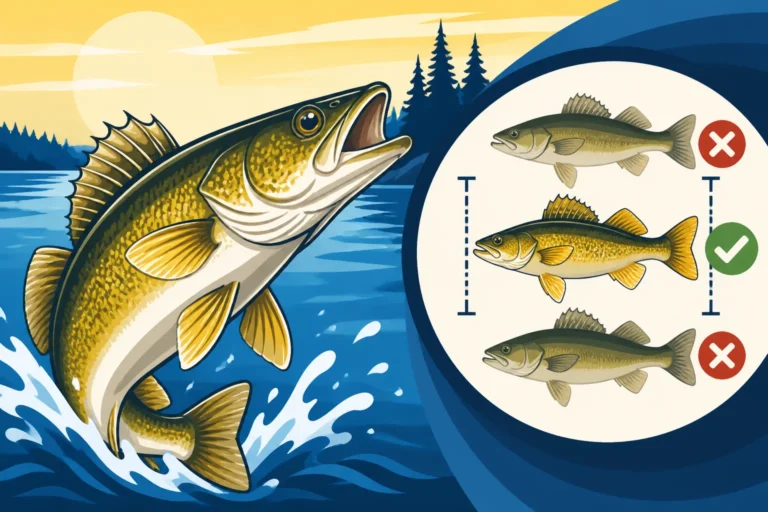
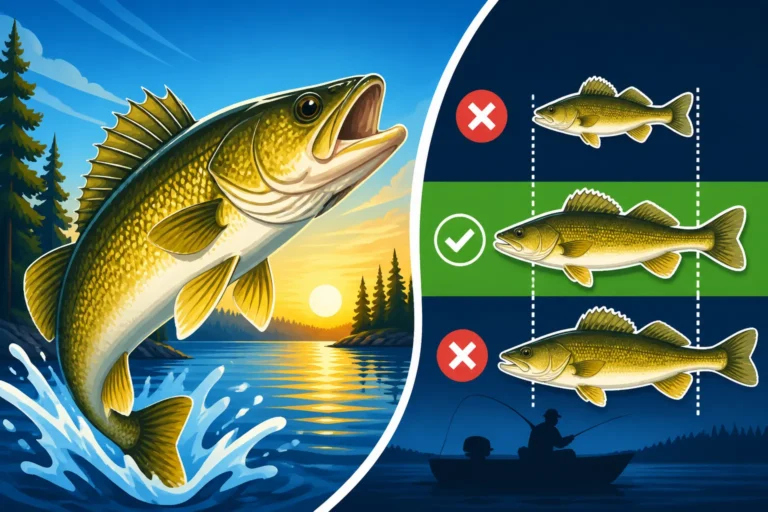
The statewide season for muskie typically opens on the first Saturday in June, aligning with the highly anticipated walleye opener on many southern lakes, though walleye regulations are certainly distinct. This timing is crucial as it generally coincides with the end of the muskie spawning period, allowing these fish to complete their reproductive cycle undisturbed. The season then usually extends through the end of November, offering a long window for anglers to pursue these magnificent fish. During this period, the statewide minimum size limit for muskie is set at 40 inches. This means any muskie shorter than 40 inches must be immediately and carefully released. The possession limit is a stark reminder of their status as a trophy fish: only one muskie is allowed in your possession. This isn't a species you fill a cooler with; it's about the pursuit and the singular reward of a truly grand catch.
Special Regulations on Specific Lakes
While the statewide regulations provide a good starting point, Minnesota is home to thousands of lakes, and many of the most renowned muskie fisheries have special, more restrictive regulations. These specific rules are put in place by the Minnesota Department of Natural Resources (DNR) to manage particular fish populations, protect unique genetics, or enhance trophy potential. Failing to check lake-specific rules is one of the most common mistakes anglers make, leading to potential violations and, more importantly, unintended harm to the fishery.
Take Leech Lake, for example. This massive central Minnesota lake is famous for its muskie fishery and has historically been managed with a higher minimum size limit to protect its strong, naturally reproducing population. Anglers targeting muskie on Leech Lake typically face a 50-inch minimum size limit, a significant jump from the statewide 40 inches. This higher threshold means that catching a legal muskie on Leech Lake is a true accomplishment, requiring patience and skill. Similarly, Lake Vermilion, another muskie mecca in the northeast, also often has special regulations, sometimes involving higher minimums or specific protected slots to ensure bigger fish remain in the system to breed and grow even larger. The Rainy Lake Fishing Regulations (2026) can also be quite different due to its status as a border water. It is absolutely critical to consult the most current Minnesota Fishing Regulations PDF: Where to Find It or the DNR's lake-specific pages before you launch your boat, especially if you're venturing to a popular muskie destination.
Minnesota Muskie Season Dates
Knowing when you can fish for muskie is just as important as knowing where and how. The season dates are strategically set to balance angling opportunity with the biological needs of the muskie population, particularly their crucial spawning period. It's a delicate dance, and the DNR monitors these populations closely to make adjustments as needed.
Key Dates for the Muskie Opener
The official statewide muskie opener typically kicks off on the first Saturday in June. This is a highly anticipated day for many avid muskie anglers, marking the start of their season-long pursuit. While the specific date shifts slightly each year depending on the calendar, it generally falls within the first week of June. For 2026, you can expect the opener to be around June 6th. This timing allows the muskie ample opportunity to complete their spring spawning rituals, ensuring that future generations of these magnificent fish are protected.
Heading out on opener weekend can be an exciting, yet sometimes challenging, experience. The water temperatures are often still on the cooler side, and muskie might be found in shallower bays and weed lines, recovering from the spawn. Anglers often find success working larger, slower presentations in these areas. It’s also a time when many other species, like walleye and northern pike, are also active, so be sure you can correctly tell the difference, especially between a muskie vs northern pike: how to tell the difference, to avoid any unintended harvest. Always double-check the exact date for the Minnesota Fishing Seasons & Opener Dates (2026) to be absolutely certain before you head out.
Muskie Season Throughout the Year
Once the opener hits, the muskie season generally runs uninterrupted until the end of November. This long season allows anglers to experience muskie fishing through a wide variety of conditions and seasonal patterns.
- Early Summer (June-July): After the spawn, muskie are often found relating to fresh weed growth in shallower areas, bays, and points. They're recovering and beginning to feed actively. This is a great time for casting bucktails and jerkbaits along weed edges. As waters warm into July, they might start moving towards deeper structure and open water, especially in clearer lakes, following schools of cisco or whitefish.
- Mid-Summer (August): This is often considered a tougher bite, as muskie can be suspended in open water or tucked deep into heavy cover during warmer temperatures. Night fishing for muskie can be particularly effective during this period, as fish move shallower under the cover of darkness. Trolling large crankbaits over deep water structure or along thermoclines becomes a popular strategy.
- Fall (September-November): Many consider the fall to be prime muskie time. As water temperatures drop, muskie feed aggressively, packing on weight for the winter. They often move to rocky points, deep breaks, and main lake basins where large forage fish are concentrated. This is when anglers often throw oversized crankbaits, gliders, and even live bait (where legal and appropriate for muskie, which is rare due to regulations). The colder water means muskie fight hard but need careful handling for catch and release. By late November, ice might start forming on smaller lakes, but larger systems can still offer incredible, albeit cold, opportunities until the official close of the season.
Muskie Size and Possession Limits
The strict size and possession limits for muskie are perhaps the most talked-about and often misunderstood aspects of their regulations. These rules are not arbitrary; they are the backbone of muskie conservation in Minnesota, reflecting decades of research and a deep understanding of the species' biology.
Statewide Minimum Length Requirements
As we touched on earlier, the statewide minimum length for muskie is typically 40 inches. This means that if you catch a muskie measuring less than 40 inches from tip to tail, it must be released immediately. This minimum length is critical because it allows muskie to reach sexual maturity and spawn multiple times before they are eligible for harvest. Muskie grow relatively slowly, and a 40-inch fish in Minnesota might be anywhere from 7 to 10 years old, sometimes even older depending on the lake's productivity and forage base.
Catching a sub-legal muskie is incredibly common, and it's a testament to healthy populations when you encounter many smaller fish. The key is to handle them with extreme care, minimizing their time out of the water. This means having the right tools on hand: a large, knotless net, long-nosed pliers or jaw spreaders, and a tape measure easily accessible. Never "boat flip" a muskie, and always support its body horizontally if you lift it for a quick photo before release. Learning about Catch and Release Best Practices in Minnesota is crucial for the survival of these magnificent creatures.
Possession Limits for Muskie
The statewide possession limit for muskie is one fish. This is a clear indicator that muskie are not intended to be a table fare species in the same way walleye or panfish might be. They are a trophy fish, pursued for the thrill of the catch and the challenge they present. This "one fish" rule emphasizes conservation and promotes the value of the angling experience over the quantity of fish harvested. For many muskie anglers, the goal isn't to keep a fish at all, but rather to catch and safely release as many as possible throughout their lifetime.
If you do choose to keep a legal muskie, understanding the Minnesota Fishing Limits: Bag & Possession (2026) is paramount. That one fish counts towards your possession limit even if it's at home in your freezer. You cannot keep one, go out the next day, and keep another. Your possession limit applies to any fish you have in your actual possession, whether on the lake or stored elsewhere. This is a common misunderstanding that can lead to unintentional violations.
Understanding Special Lake Regulations
Beyond the statewide 40-inch minimum and one-fish possession limit, many of Minnesota's top muskie lakes have even more protective regulations. These rules are tailored to the unique characteristics and goals for each specific fishery. As mentioned, waters like Leech Lake and Lake Vermilion are frequently cited examples, often featuring higher minimum length requirements, sometimes 50 inches or even 54 inches. These higher limits are designed to cultivate true trophy fisheries, allowing muskie to grow to truly massive sizes, often exceeding 50 pounds. The aim is to create opportunities for anglers to encounter true giants, while also ensuring that these large, highly fecund females remain in the population to contribute to future spawning classes.
Always assume that the lake you are fishing might have special regulations. The DNR publishes an annual fishing regulations booklet, and it's your responsibility to be aware of the specific rules for the body of water you intend to fish. These special regulations are often posted at public accesses or can be easily found on the DNR website by searching for the specific lake. For instance, if you're planning a trip to one of the Best Muskie Lakes in Minnesota, make it a point to check that lake's specific rules before you even pack your gear. You might find regulations for particular strains of fish, like the Leech Lake Muskie Strain Explained, which sometimes influences unique management approaches.
Why Muskie Regulations Matter: Conservation Efforts
Muskie regulations aren't just about making fishing challenging; they are a critical component of a comprehensive conservation strategy. These fish represent a significant ecological and economic asset for Minnesota, and robust management ensures their long-term health and the sustainability of the sport.
Protecting a Fragile Fishery
Muskellunge, or muskie, are not like panfish that reproduce in vast numbers. They are slow-growing, late-maturing, and require very specific conditions for successful spawning. Females don't typically reach sexual maturity until they are several years old and of a decent size, usually in the 30-inch range, but larger fish produce many more eggs. Harvesting too many smaller muskie would drastically reduce the reproductive potential of a lake, leading to declining populations.
The "fish of 10,000 casts" nickname isn't just a marketing slogan; it reflects the effort often required to catch one. This low catch rate, combined with their ecological importance as top predators, makes them particularly vulnerable to overfishing if not properly managed. The strict size limits ensure that most fish have several opportunities to spawn before they are eligible for harvest, contributing to the genetic diversity and overall resilience of the population. Without these regulations, Minnesota's incredible muskie fisheries would quickly diminish, impacting both the environment and the countless anglers who cherish the pursuit of these magnificent fish. Anglers interested in learning more about this pursuit can explore a comprehensive guide on Muskie Fishing in Minnesota: The Fish of 10,000 Casts.
Catch and Release Best Practices for Muskie
Given the strict limits and the conservation-focused mindset surrounding muskie, mastering proper catch and release techniques is absolutely essential. Most muskie caught in Minnesota waters are released, either by choice or by law, due to size limits. A poorly handled release can negate all the good intentions of the regulations.
Here are some crucial steps for ensuring a successful muskie release:
- Preparation is Key: Before you even cast, have your tools ready. This includes a large, rubberized, knotless landing net (at least 36-40 inches deep), long-nosed pliers, bolt cutters (for cutting hooks if necessary), and a jaw spreader. Make sure your camera is ready for a quick photo, too.
- Minimize Fight Time: Use appropriate gear for muskie fishing. A light walleye rod might be fun for a smaller fish, but it can prolong the fight to the point of exhaustion for a larger muskie, significantly reducing its chances of survival. A heavy action rod and strong line are necessary to bring the fish in quickly.
- Use a Large Net: Once the muskie is boat-side, gently guide it into a large, rubberized net. Keep the fish in the water as much as possible. Avoid dragging it onto the boat floor, as this can strip its protective slime coat and cause internal damage.
- Unhook Quickly and Carefully: With the fish secured in the net, ideally still submerged or partially submerged, use your long-nosed pliers to remove the hooks. If a hook is deeply embedded or difficult to remove, use bolt cutters to snip the hook, allowing the fish to swim off with the remaining pieces, which will rust out. Never try to rip a hook out.
- Limit Air Exposure: Muskie gills are delicate, and prolonged air exposure can cause severe damage. If you must lift the fish for a quick photo, support its body horizontally with both hands (one under the belly, one supporting the tail) and lift it just above the water for a few seconds. Do not hang large muskie vertically by the jaw or gills.
- Revive if Necessary: If the fish seems lethargic, hold it gently by the tail in the water, facing into the current or move it gently back and forth to force water over its gills. Release it only when it kicks strongly and swims away on its own power. Never simply toss a tired muskie back into the water. For beginners, understanding Muskie Fishing Techniques for Beginners also includes learning how to properly release your catch.
By adhering to these practices, you play a direct role in maintaining the health and vitality of Minnesota's muskie populations, ensuring that these incredible fish continue to provide thrilling angling opportunities for generations to come.
Minnesota Muskie Season & Limit Quick Reference
To help you keep track of the most important muskie regulations in Minnesota, here’s a quick reference table. Remember, always consult the official DNR regulations for the most up-to-date information, especially for specific lakes!
| Regulation Category | Statewide Rule (Typical) | Common Lake-Specific Exception (e.g., Leech, Vermilion) |
|---|---|---|
| Season Opener | First Saturday in June | Same as Statewide |
| Season Close | End of November | End of November |
| Minimum Length | 40 inches | 50 inches or more (e.g., Leech Lake 50", Vermilion often 54") |
| Possession Limit | One (1) fish | One (1) fish (but note higher minimum lengths) |
Please note that this table represents common regulations and does not account for every possible special regulation. Always double-check for the specific lake you plan to fish.
Navigating the nuances of muskie season and limits in Minnesota can seem like a lot to take in, but with this guide, you're well-equipped to understand the rules and contribute to the conservation of these incredible fish. Remember, the journey to catching a muskie is often as rewarding as the catch itself, and following the regulations responsibly ensures that future anglers will have the same opportunities. So, gear up, understand the rules, and get ready for your next exciting adventure on Minnesota’s beautiful waters. If you still need to purchase your fishing credentials, you can learn all about the Minnesota Fishing License: Cost, Types & How to Buy (2026).
Disclaimer
Fishing regulations are subject to change. While we strive to provide accurate and up-to-date information, it is the angler's responsibility to consult the official Minnesota Department of Natural Resources (DNR) fishing regulations booklet or website for the most current rules and any lake-specific exceptions before heading out on the water. This article is intended for informational purposes only.