Northern Pike Season & Limit in Minnesota
One of the biggest headaches for any Minnesota angler is trying to keep up with all the fishing regulations. It feels like every season brings new changes, and knowing the specific rules for a species like Northern Pike, especially with their unique zone system, can be downright confusing. This comprehensive guide is here to clear up all that uncertainty, walking you through the Northern Pike season dates, bag limits, and size restrictions across our great state, so you can fish with confidence and stay on the right side of the law.
Understanding Northern Pike Regulations
Let’s face it, keeping tabs on fishing regulations in Minnesota can feel like a full-time job. It’s not just a simple statewide “opener” and “closer” for every species, especially when it comes to Northern Pike. These toothy critters have their own set of rules, often broken down by distinct management zones, which is where many anglers scratch their heads. It’s crucial to understand these nuances not just to avoid a hefty fine, but also to contribute to the sustainable management of our incredible pike fisheries.
Statewide Seasons for Northern Pike
For most of Minnesota’s waters, the fishing season for Northern Pike kicks off on the Saturday two weeks prior to the Saturday of Memorial Day weekend. This generally means it opens around mid-May each year. It’s a date etched into the minds of many anglers, signaling the return to open water after a long winter of ice fishing. From that opener, the season typically runs continuously through late February of the following year, encompassing the entire summer, fall, and much of the ice fishing season. This long season allows ample opportunity to target pike, whether you’re casting spoons from a boat on a warm July evening or setting tip-ups on a frozen lake in January. For specific dates, it’s always a good idea to check the official Minnesota Fishing Seasons & Opener Dates (2026) page, as these dates can shift slightly from year to year based on the calendar.
However, there's a significant exception to this general rule: Lake Superior and its tributaries. These waters have their own distinct season, which often aligns more closely with trout and salmon regulations, usually running from early December through October the following year, with specific closures during certain spawning periods in the tributaries. The St. Croix River, as part of the border waters, also has unique rules that might differ from the statewide standard, so if you're venturing to these areas, always double-check.
Navigating Minnesota’s Pike Zones
Here’s where things get a bit more complex, but for good reason! Minnesota manages its Northern Pike through a zone system – North Central, and Southern – each with its own set of daily bag and possession limits, and even size restrictions. This system was put in place to address the varied pike populations and ecological conditions across the state. In some northern lakes, pike can be overabundant and stunted, while in the south, they might be fewer but larger. Understanding these zones is paramount.
The North Zone encompasses a vast portion of northern Minnesota, characterized by many large, shallow lakes and numerous smaller, fertile waters. This zone aims to reduce the number of smaller pike to improve the overall size structure of the population.
The Central Zone is a transitional area, stretching across the middle of the state, featuring a mix of lake types. The goal here is to maintain a balanced pike population with a good range of sizes.
The Southern Zone covers the southern third of Minnesota, where pike populations are generally less dense but often produce larger individuals. The regulations here are designed to protect these larger, fewer pike.
Knowing which zone your chosen lake falls into is the first step to understanding the rules. You can usually find a clear map of these zones in the Minnesota fishing regulations booklet or online. If you're planning a trip to a new area, a quick search for "Minnesota Northern Pike Limits by Zone" will give you the precise details you need.
Special Regulations and Lake-Specific Rules
Just when you thought you had the zones down, Minnesota throws in another curveball: special regulations on individual lakes. While the zones provide a general framework, certain lakes, or even specific bodies of water within a zone, might have unique rules tailored to their particular fishery. This could include different size slot limits, reduced bag limits, or even catch-and-release only rules.
For example, a lake known for producing trophy pike might have a stricter protected slot limit to ensure those big fish have a chance to reproduce. Conversely, a lake struggling with an overpopulation of small, "hammer handle" pike might have a very liberal limit, encouraging anglers to harvest more of the smaller fish. It's not uncommon to find lakes with a 24-36 inch protected slot or similar variations.
These special regulations are often printed in the fishing regulations booklet or on signs at public accesses for those specific lakes. Never assume that the general zone rules apply to every single body of water. Before you cast a line, especially on an unfamiliar lake, take a moment to confirm if any special regulations are in effect. A quick check of the Minnesota Department of Natural Resources (DNR) website or the current regulations guide is always a good idea. This diligence is part of being a responsible angler and helps ensure our pike fisheries remain healthy for generations to come.
Northern Pike Bag and Possession Limits
Understanding the difference between bag and possession limits, and then factoring in size restrictions, is where many anglers get tangled up. It’s not just about how many fish you can keep in a single day, but also how many you can have with you or stored at home. Ignoring these distinctions can lead to serious penalties, and nobody wants their fishing trip to end that way.
Daily Bag Limits Explained
The “daily bag limit” is the number of fish you are allowed to keep in one calendar day. This limit applies to the fish you harvest from the moment you start fishing until the end of that day. Once you’ve reached your daily bag limit for Northern Pike, you must stop fishing for pike for the rest of that day. This doesn’t mean you have to pack up and go home; you can still fish for other species if their seasons are open and you haven’t reached their limits.
For Northern Pike, these daily limits vary significantly by zone:
- North Zone: Anglers can keep up to 10 Northern Pike per day. The twist here is that only two of those 10 can be longer than 24 inches, and all pike from 24 to 36 inches must be immediately released. This is designed to encourage harvest of smaller pike while protecting the middle-sized fish that are crucial for growth and reproduction.
- Central Zone: The daily bag limit is 3 Northern Pike. All pike from 22 to 26 inches must be immediately released. This means if you catch a pike in that slot, it goes right back in the water.
- Southern Zone: Here, the daily bag limit is 2 Northern Pike. The rule is that all pike from 24 to 36 inches must be immediately released, and only one pike over 36 inches is allowed in your bag. This zone is focused on protecting larger, less abundant pike.
It's a lot to remember, right? Think of the daily bag limit as your "on-the-water" allowance for that particular day. If you're out with a friend, each of you gets your own daily bag limit, but you cannot combine your limits to keep more fish than legally allowed individually. This is especially important for groups, as wardens will check individual compliance.
Possession Limits: What’s the Difference?
While the daily bag limit dictates what you can keep in a single day, the “possession limit” refers to the maximum number of fish you can have in your possession at any given time. This includes fish at your home, at a cabin, in your cooler, or in your vehicle. For most fish species in Minnesota, the possession limit is simply one day’s bag limit. However, for Northern Pike, particularly in the North Zone, the possession limit can sometimes be more complex due to the higher daily bag.
Generally, your possession limit cannot exceed the daily bag limit, regardless of how many days you've been fishing. This means if the daily limit is 10 in the North Zone, you can't have 20 pike in your freezer at home just because you fished for two days. The exception often comes into play if you've processed your fish into fillets, making them unidentifiable by species or count. In such cases, there are specific rules about how to transport and store them, often requiring a piece of skin to remain attached to the fillet for identification. Always check the "Minnesota Possession Limits Explained" section of the regulations to avoid any misunderstandings.
The easiest way to think about it is that your possession limit is your cumulative total. If you keep 3 pike on Monday in the Central Zone, you cannot keep any more pike until you have consumed or otherwise legally disposed of some of those fish, bringing your possession count below the limit again. This system is designed to prevent overharvesting by limiting the total number of fish an individual can accumulate.
Size Restrictions and Protected Slots
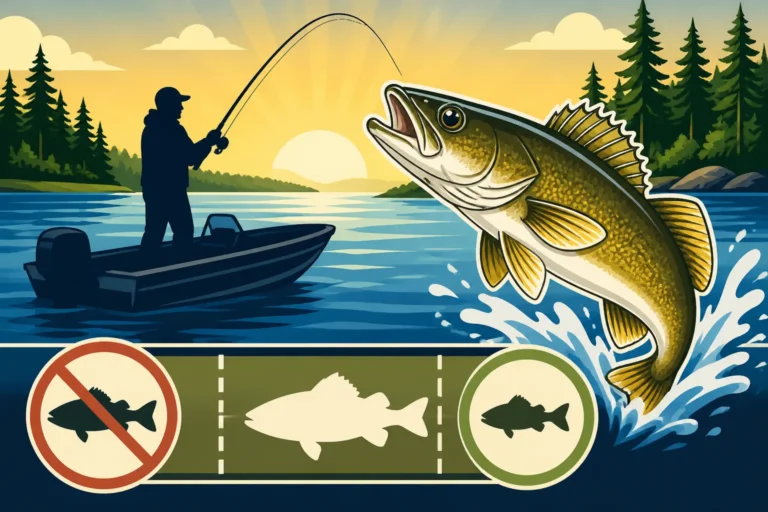
Beyond the sheer number of fish, the size of the Northern Pike you keep is equally, if not more, important in Minnesota. As mentioned earlier, each zone has specific size restrictions, often involving “protected slot limits.” A protected slot means that any fish caught within a certain size range *must* be immediately released back into the water. This is a critical conservation tool to manage the age and size structure of the pike population.
Let's revisit the zones and their slots:
- North Zone: All Northern Pike from 24 to 36 inches must be immediately released. You can keep 10 pike, but only two can be over 24 inches. This encourages anglers to keep the smaller, more abundant pike and release the mid-sized fish that are reaching prime spawning age and growth potential.
- Central Zone: All Northern Pike from 22 to 26 inches must be immediately released. This zone has a moderate approach, protecting those key breeding-age fish.
- Southern Zone: All Northern Pike from 24 to 36 inches must be immediately released. Similar to the North Zone in its slot, but with a much lower overall bag limit, reflecting the sparser population of larger pike.
These slot limits are not suggestions; they are strict rules. If you catch a pike within a protected slot, you must release it carefully and quickly. This is where techniques like practicing Catch and Release Best Practices in Minnesota become incredibly important. Mishandling a fish in the slot that you intend to release can result in its death, which defeats the purpose of the regulation. Always use a tape measure or a marked net to quickly verify the fish's length before deciding to keep or release.
Here’s a quick summary table for Northern Pike regulations by zone:
| Zone | Daily Bag Limit | Possession Limit | Protected Slot (Must Release) | Special Rule (Over Slot) |
|---|---|---|---|---|
| North Zone | 10 | 10 | 24 to 36 inches | Only 2 over 24 inches; all 24-36 must be released |
| Central Zone | 3 | 3 | 22 to 26 inches | No pike within the slot may be kept |
| Southern Zone | 2 | 2 | 24 to 36 inches | Only 1 over 36 inches; all 24-36 must be released |
| Lake Superior | 5 (Aggregate) | 5 (Aggregate) | None specific for Pike | Consult specific Lake Superior regulations |
Note: Always consult the current official Minnesota fishing regulations for the most up-to-date and complete information.
Why These Regulations Matter
It’s easy to look at all these rules and feel a little overwhelmed, perhaps even frustrated. Why can’t it just be simpler? But when you step back, you realize that these regulations aren’t just arbitrary lines drawn in the sand. They are carefully crafted management tools, developed by fisheries biologists, to ensure that our pike populations remain healthy and abundant for generations of anglers to enjoy. It’s about balancing the desires of anglers to catch and keep fish with the ecological needs of the fish themselves.
The Biology Behind the Rules
Northern Pike are a fascinating species, known for their aggressive strikes and powerful fights. But their biology also makes them uniquely susceptible to overharvesting, especially the larger, mature females. Different populations of pike, depending on their habitat and forage base, will grow at different rates and exhibit different size structures.
In the North Zone, for example, many lakes are teeming with pike, but a lack of larger predatory fish or forage can lead to a phenomenon known as "stunting," where a high density of small pike compete for food and don't grow to impressive sizes. The regulation to keep more smaller pike and release the mid-sized ones directly addresses this. By removing smaller fish, competition is reduced, allowing the remaining pike to grow larger. It's a proactive measure to improve the quality of the fishery, providing more opportunities for anglers to catch bigger fish over time, and perhaps even improve the eating quality of the "Are Northern Pike Good to Eat? (Y-Bones Explained)" you do decide to keep.
Conversely, in the Southern Zone, where fewer lakes are ideal pike habitat, the populations are often less dense but can produce some truly massive fish. These large females are vital for reproduction, laying hundreds of thousands of eggs. Protecting these "Best Lakes for Big Northern Pike in Minnesota" ensures that these trophy fish can continue to contribute to the gene pool and maintain the population. The slots and lower bag limits are designed to safeguard these critical spawning individuals. Fisheries biologists study growth rates, spawning success, and population dynamics to determine the optimal regulations for each region, often adjusting them based on annual surveys and angler feedback.
Contributing to Sustainable Pike Populations
Every time you adhere to the Northern Pike regulations, you’re not just avoiding a ticket; you’re actively participating in the conservation of Minnesota’s natural resources. Sustainable fishing is about ensuring that we can continue to enjoy the sport and the bounty of our lakes and rivers for years, decades, and even centuries to come. It’s a concept that applies to all species, whether you’re chasing them on the ice or during open water.
These regulations help prevent localized depletion of pike, maintain genetic diversity, and ensure a healthy ecosystem balance. If anglers indiscriminately harvested all sizes of pike, especially the larger, breeding females, it could lead to a rapid decline in population numbers and a shift towards an unhealthy size structure, predominantly small, stunted fish.
Beyond simply following the rules, anglers play a vital role in reporting any unusual observations, such as diseased fish or potential poaching activities, to the DNR. Our collective efforts, from understanding "How Many Northern Pike Can You Keep in Minnesota?" to practicing careful handling of released fish, create a positive impact. It's a shared responsibility that allows Minnesota to boast some of the best fishing opportunities in the country, attracting anglers from all over to experience the thrill of catching a magnificent Northern Pike.
Tips for Staying Compliant and Enjoying Your Pike Fishing
Navigating the world of fishing regulations can be tricky, but it doesn’t have to be a source of stress. With a few simple habits, you can ensure you’re always compliant and fully enjoy your time on the water chasing Northern Pike. Remember, the goal is always to have fun and make memories, all while being a responsible steward of our natural resources.
Always Check the Latest Regulations
This might sound like a broken record, but it’s the single most important piece of advice: **always check the latest Minnesota fishing regulations before you go fishing**. Regulations, especially for species like Northern Pike, can and do change. What was true last year might be different this year. The Minnesota DNR typically publishes a new fishing regulations booklet annually, usually available both in print at bait shops and online. You can also find detailed, up-to-date information on the DNR website. Sometimes, there are even mid-season updates or special announcements about “Minnesota Fishing Regulations Changes for 2026” that you need to be aware of.
Print a copy of the regulations for the specific lake or zone you're fishing, or at least save a digital copy on your phone. Better yet, get familiar with one of the many fishing apps that integrate regulation data, like Fishbrain or Navionics, which can give you real-time updates and lake-specific rules. Don't rely on hearsay or what a buddy told you they did last year. An ounce of prevention (or regulation checking) is worth a pound of cure (or a hefty fine).
Responsible Catch and Release Practices
Given the prevalence of slot limits and the emphasis on releasing certain sizes of Northern Pike, mastering responsible catch and release techniques is essential. It’s not enough to just throw the fish back; how you handle it can determine its survival.
Here are a few key practices for any angler targeting Northern Pike, especially if you're planning to release fish:
- Minimize Fight Time: While a long fight is exciting, it exhausts the fish. Use appropriately sized tackle for the pike you're targeting to bring it in quickly. If you're wondering about your setup, check out "Northern Pike Fishing Tips for Minnesota Anglers" for some guidance.
- Use Barbless Hooks: Pinching down the barbs on your hooks makes removal much easier and less damaging to the fish's mouth. Many anglers do this as a standard practice for all species they intend to release.
- Careful Handling: Always handle pike gently, supporting their full body weight horizontally. Avoid holding them vertically by the jaw, as this can damage their spine and internal organs. If you need to net them, use a knotless, rubberized net to protect their slime coat and fins.
- Quick Hook Removal: Have your pliers or hook removers ready. Identify the hook location quickly. If the fish is deeply hooked and bleeding heavily, it might be better to cut the line as close to the hook as possible rather than trying to rip it out, which can cause more trauma.
- Revive the Fish: If a pike seems sluggish after a fight, hold it gently in the water, facing into a mild current, allowing water to flow over its gills. Move it slowly back and forth until it regains strength and swims off on its own.
- Know Your Fish: It’s also important to be able to quickly differentiate a Northern Pike from its close cousin, the Muskie, as their regulations and rarity differ significantly. You can learn more about how to identify them in "What's the Difference Between a Muskie and a Pike?" to ensure you're applying the correct rules.
By integrating these practices into your fishing routine, you're not just following the letter of the law, but truly contributing to the health and vitality of Minnesota's incredible Northern Pike populations. This kind of mindful angling ensures that the thrill of hooking a powerful pike remains a possibility for all of us, year after year. For even more detailed instructions, consider reading "How to Catch Northern Pike in Minnesota (Step by Step)".
Disclaimer
Fishing regulations in Minnesota are subject to change. While every effort has been made to provide accurate and up-to-date information in this guide, it is essential for all anglers to consult the official Minnesota Department of Natural Resources (DNR) fishing regulations booklet or website before heading out on the water. This guide is for informational purposes only and should not be considered a substitute for the official regulations.