Best Ice Fishing Heater for a Shelter
There’s nothing quite like the crisp, cold air of a Minnesota winter day, especially when you're out on the ice, waiting for that tell-tale tug on your line. But let's be honest, staying warm is the biggest battle for most ice anglers. Battling the frigid temperatures inside your shelter can quickly turn a fun day into a miserable one. This comprehensive guide is here to help you navigate the world of ice fishing heaters, ensuring your time on the hard water is as comfortable and productive as possible.
Types of Ice Fishing Heaters: Finding Your Warmth Match
When it comes to keeping cozy in your ice house, you've got a few solid options, each with its own personality and perks. Understanding these differences is key to picking the heater that will truly make your ice fishing experience better.
Propane Heaters: The Workhorses of the Ice
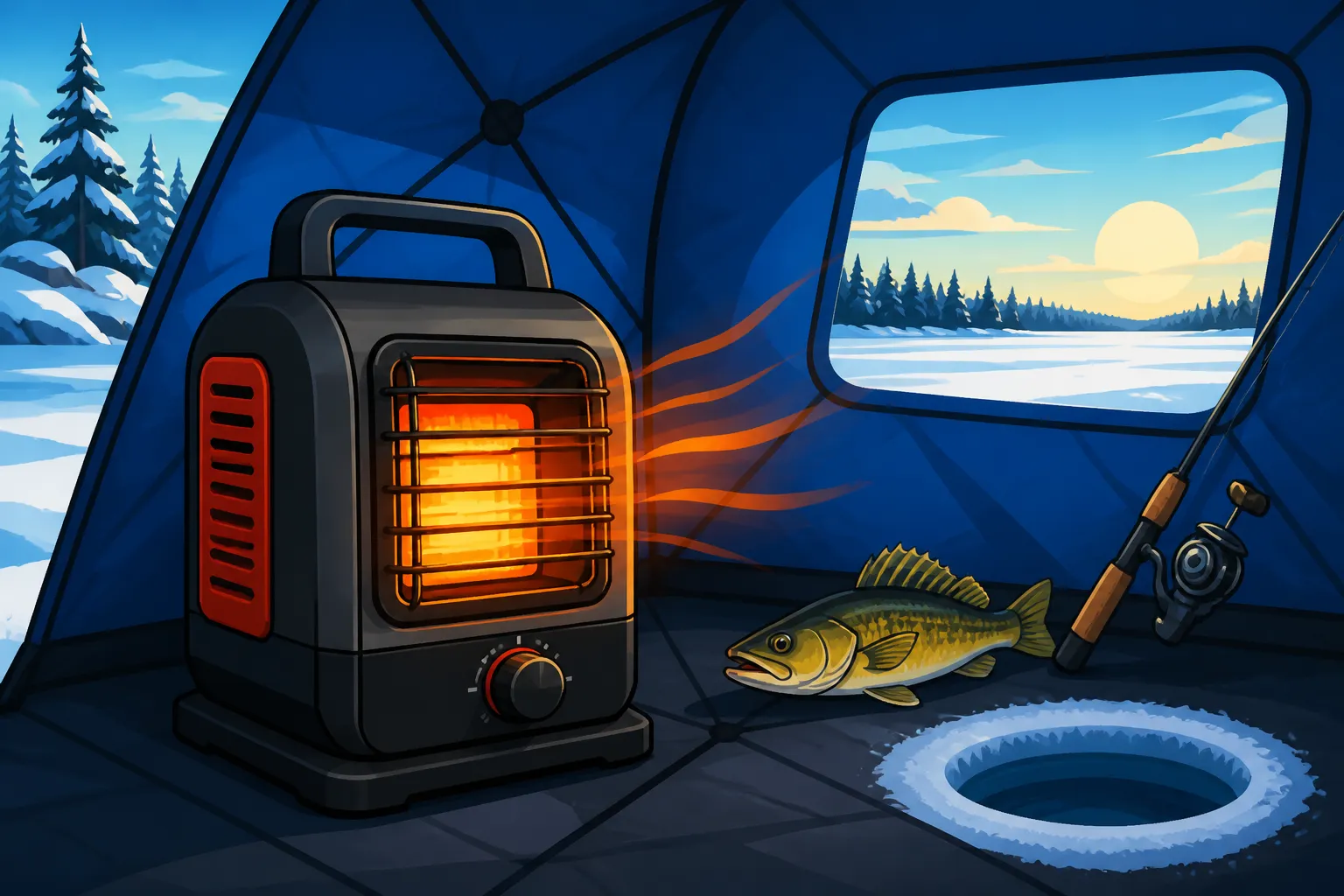
Ah, propane heaters. These are probably what most of us picture when we think about warming up an ice shelter, and for good reason! They’re reliable, readily available, and can really crank out the heat when you need it most. Brands like Mr. Heater and Buddy are practically household names in the ice fishing community, and you'll see them in just about every portable shelter on a busy lake.
These heaters work by burning propane gas, producing a direct flame that radiates warmth and heats the air around it. They come in various BTU (British Thermal Unit) outputs, from smaller units perfect for a one-person flip-over to larger ones designed to heat spacious hub shelters or even permanent ice houses. The beauty of them is how quickly they can transform a frosty tent into a comfortable haven. You can often connect them to small 1-lb cylinders for portability, or run a hose to a larger 20-lb tank stored safely outside your shelter, which is a fantastic option for longer trips or bigger groups. The direct flame provides a comforting visual, too, though it’s also the source of their main drawback: they produce combustion byproducts, including carbon monoxide and water vapor. This means ventilation is absolutely critical, and you'll want to crack a window or vent and always use a Best Ice Fishing Electronics for Beginners carbon monoxide detector.
Catalytic Heaters: Gentle and Efficient Warmth
If propane heaters are the roaring campfire, catalytic heaters are the warm, glowing embers. These often-misunderstood heaters provide a different kind of warmth – a flameless, radiant heat that feels incredibly comfortable. Instead of a direct flame, catalytic heaters use a chemical reaction to oxidize propane gas over a heated catalyst pad, producing warmth without open combustion. This means significantly lower levels of carbon monoxide and moisture in the air compared to traditional propane heaters.
Anglers who prefer a quieter, drier heat often swear by catalytic heaters. They're fantastic for smaller shelters or for those who are particularly sensitive to the air quality in their ice house. Since they don't produce an open flame, the fire risk is generally lower, and the air inside your shelter tends to feel less stuffy. However, they typically don't put out the same intense blast of heat as their direct-combustion cousins, meaning they might take a bit longer to warm up a very cold shelter, especially if it's large. They also tend to be a bit pricier upfront. Nonetheless, their efficiency and reduced safety concerns (when properly ventilated, which is still important!) make them a strong contender for many ice anglers, especially those valuing a calm, consistent heat.
Wood Stoves: Old-School Charm and Serious Heat
For the ultimate cozy, rustic ice fishing experience, or for those with larger, more permanent ice houses or canvas wall tents, a wood stove is hard to beat. There’s something undeniably charming about the crackle and warmth of a small wood stove on the ice, reminiscent of old trappers and adventurers. These aren't your typical portable heaters; they require a dedicated stove pipe through the roof of your shelter and a ready supply of dry wood.
The heat generated by a wood stove is incredibly powerful and incredibly dry. This means your shelter will be toasty warm, and any condensation issues are practically non-existent. The radiant heat off the steel stove body is a true comfort, and the ritual of tending the fire adds to the experience for many. However, they do come with significant considerations. They are bulky and heavy, requiring a substantial setup. You'll need to constantly feed them wood, which means more packing and less fishing time if you’re not prepared. Safety is paramount here – fire risks are higher, and proper installation and clearance from flammable materials are non-negotiable. Plus, dealing with ash cleanup isn't exactly glamorous. But for some, the ambiance and raw power of a wood stove are worth every bit of effort, turning a mere fishing trip into a truly memorable winter camping adventure.
Key Factors to Consider When Choosing an Ice Fishing Heater
Picking the right heater isn't just about grabbing the first one you see at Bass Pro Shops. It's about matching the heater to your specific needs, your shelter, and your fishing style. Let's break down the crucial elements to think about.
BTU Output vs. Shelter Size: Don't Overheat or Underheat
One of the most common mistakes anglers make is either buying a heater that's too small for their space, leaving them shivering, or one that's overkill, making them sweat buckets and burn through fuel unnecessarily. BTU, or British Thermal Unit, is the standard measurement for heat output. The higher the BTU, the more heat the unit can produce.
To figure out what you need, consider the cubic footage of your shelter. A rough rule of thumb is that you'll need about 20 BTUs per cubic foot to raise the temperature by 1 degree Fahrenheit. However, for ice fishing, we're dealing with extreme cold and often breezy conditions, so it's generally better to err on the side of slightly more power.
- Small, one-person flip-over (e.g., a Clam Kenai or Otter Vortex): A 4,000-9,000 BTU unit, like a small Mr. Heater Buddy, is often plenty. These shelters are compact, and a higher BTU output might make it uncomfortably warm or consume too much oxygen too quickly.
- Medium two-person flip-over or a small hub shelter (e.g., a Clam Ice Team Hub or a medium Otter XT Hideout): You'll likely want something in the 9,000-18,000 BTU range. This provides enough warmth to combat the larger air volume and heat loss through the fabric.
- Large hub shelters or permanent wheelhouses: Here, you might be looking at 18,000-30,000+ BTU heaters. For truly spacious shelters, some anglers even run two smaller heaters, positioned strategically for even heat distribution, or opt for a dedicated unit designed for larger spaces.
Remember, insulation plays a huge role. A fully insulated shelter will retain heat much better than a non-insulated one, allowing a smaller BTU heater to be more effective. When you're looking at different options on Amazon, pay close attention to the BTU rating and compare it to your shelter's dimensions.
Safety Features and Ventilation: Your Life Depends On It
This cannot be stressed enough: safety is paramount when operating any combustion heater in an enclosed space. The primary concern is carbon monoxide (CO) poisoning, a silent, odorless killer. Modern propane heaters have come a long way in incorporating crucial safety features.
- Oxygen Depletion Sensor (ODS): This is a non-negotiable feature. If the oxygen levels in your shelter drop to unsafe levels, the ODS will automatically shut off the heater.
- Tip-Over Switch: If your heater gets accidentally knocked over (which can easily happen in a cramped ice shelter or on uneven ice), this sensor will shut off the fuel supply, preventing a fire.
- Carbon Monoxide Detector: Even with ODS, an independent, battery-powered CO detector is an absolute must-have. Keep it charged, test it regularly, and place it at breathing level (not on the floor or ceiling, as CO mixes evenly with air).
Beyond these built-in features, proper ventilation is your responsibility. Always crack a window, vent, or door of your ice shelter. Even a small opening creates enough airflow to bring in fresh oxygen and let out combustion byproducts. Neglecting ventilation is incredibly dangerous, regardless of your heater's safety features. Many modern Best Ice Shelters: Clam vs Otter (Flip vs Hub) are designed with integrated vents specifically for this purpose.
Fuel Type and Consumption: Propane Tanks and Beyond
Most ice fishing heaters run on propane, but how you manage that fuel can significantly impact your day.
- 1-lb Propane Cylinders: These are incredibly convenient for portable shelters and shorter trips. They're easy to carry, swap out, and take up minimal space. However, they're more expensive per pound of fuel and run out quickly, especially higher BTU heaters. Always bring extra, and store them safely.
- 20-lb Propane Tanks: These are the standard BBQ tank size and offer a much longer run time and better value. For longer trips, overnight stays, or larger shelters, connecting your heater to a 20-lb tank via a hose and filter (a filter is essential to prevent oil from the tank from fouling your heater) is the way to go. You typically keep these tanks outside your shelter to save space and minimize any potential leak risk in the enclosed space. If you're planning an extended stay in a wheelhouse, you might even consider larger 30- or 40-lb tanks.
- Catalytic Heater Specifics: While still using propane, catalytic heaters tend to be more fuel-efficient for the heat they produce, as they don't lose as much heat through exhaust gases.
Consider how long you plan to fish and how cold it will be to estimate your fuel needs. There's nothing worse than running out of propane when the walleye are biting and the temperature is plummeting.
Portability and Ease of Use: On-the-Go vs. Stationary
Your fishing style should heavily influence your heater choice.
- Run-and-Gun Anglers: If you're constantly moving, drilling new holes, and relocating your portable flip-over or hub, you'll want a lightweight, compact heater that ignites easily. A smaller Mr. Heater Buddy or a similar portable unit that connects directly to a 1-lb tank is ideal. You want minimal setup and teardown time. Check out our guide on How to Ice Fish for the First Time in Minnesota for more tips on portability.
- Stationary Anglers/Permanent Houses: If you fish from a large hub shelter that stays put for hours or days, or if you have a permanent ice house or wheelhouse, portability becomes less of an issue. You can opt for a larger, higher BTU heater, potentially connected to a big 20-lb propane tank. Ease of lighting and consistent heat output over long periods will be more important than lugging weight.
Consider the igniter type (piezo igniter is common and reliable), how easy it is to adjust the heat, and how stable the unit is on uneven ice. Some heaters have handles, others have stands, all designed to make your life on the ice a little bit easier.
| Feature | Propane Heaters (e.g., Mr. Heater Buddy) | Catalytic Heaters (e.g., Coleman BlackCat) |
|---|---|---|
| Heat Type | Direct radiant heat, convective heat | Flameless radiant heat |
| Heat Output (BTUs) | 4,000 to 30,000+ | 3,000 to 10,000 (generally lower) |
| Warm-up Time | Very fast | Slower, more gradual |
| Carbon Monoxide | Higher levels (requires strict ventilation) | Significantly lower levels |
| Moisture Output | Higher (can lead to condensation) | Very low (dry heat) |
| Fuel Efficiency | Good, but can consume quickly at high BTUs | Excellent for the heat produced |
| Noise Level | Minimal (fan models might have some) | Virtually silent |
| Cost | Generally more affordable | Often a bit more expensive |
| Safety Features | ODS, tip-over switch (standard on good models) | ODS, tip-over switch (standard on good models) |
| Best For | Quick heat-up, larger shelters, extreme cold | Constant, gentle heat, smaller shelters, sensitive individuals |
Essential Safety Tips for Operating Your Ice Fishing Heater
No matter which heater you choose, responsible operation is paramount. A heater is a fantastic tool for comfort, but improper use can lead to serious consequences.
Carbon Monoxide Awareness: The Silent Killer
I touched on this earlier, but it truly deserves its own section. Carbon monoxide (CO) is an odorless, colorless, tasteless gas produced by incomplete combustion. It binds to your blood cells far more effectively than oxygen, essentially suffocating you from the inside out.
- Always Use a CO Detector: This is your primary defense. Place it where you sleep or spend most of your time, ideally about chest height, as close to you as possible. Test it before every trip and replace batteries regularly.
- Ensure Adequate Ventilation: Even if it feels counterintuitive to let cold air in when you're trying to stay warm, it's absolutely necessary. Crack a window, open a vent, or leave a small gap in your door. Fresh air dilutes CO and ensures your heater has enough oxygen to burn efficiently. You can find more comprehensive safety guidelines in any Ice Fishing in Minnesota: Complete Beginner-to-Pro Guide.
- Recognize the Symptoms: Early signs of CO poisoning include headache, dizziness, nausea, shortness of breath, and fatigue. These can often be mistaken for the flu or simply feeling rundown from the cold. If you or anyone in your shelter experiences these symptoms, immediately get outside into fresh air and seek medical attention.
Placement and Clearance: Preventing Fires
A portable heater can get very hot, and even catalytic heaters radiate a lot of heat. Proper placement is crucial to prevent accidental fires.
- Stable Surface: Always place your heater on a flat, stable, non-flammable surface. Uneven ice or a wobbly tackle box is not a good base. Many heaters come with their own stands or bases for stability.
- Clearance from Flammables: Keep your heater well away from any flammable materials. This includes your tent fabric, sleeping bags, clothing, fishing line, and even your propane cylinders (if you're using a 1-lb bottle directly attached). The manufacturer's instructions will specify minimum clearance distances, usually a foot or more from all sides and above. When you’re all bundled up in your Best Ice Fishing Suits & Bibs (Float Suits), make sure you don't accidentally brush against the hot surface.
- No Blocking Vents: Ensure that the heater's air intake and exhaust vents are not obstructed. Blocking these can lead to inefficient burning, increased CO production, and potential overheating.
Fuel Storage and Handling: Safe Practices
Propane is a safe fuel when handled correctly, but it is highly flammable and under pressure.
- Store Outside, Not Inside: If using a 20-lb tank, always keep it outside your ice shelter in a well-ventilated area. If you’re using 1-lb cylinders, only bring into your shelter what you intend to use. Store spares outside or in a vented storage compartment.
- Check for Leaks: Before connecting your propane tank and hose, always check for leaks. A simple method is to spray a soapy water solution on the connections. If you see bubbles, you have a leak. Tighten connections or replace faulty components.
- Transport Safely: When transporting propane tanks, ensure they are secured upright and in a well-ventilated area of your vehicle, such as the bed of a truck, rather than in an enclosed cabin.
- Refueling: Never attempt to refuel a 1-lb cylinder in your shelter, or a 20-lb tank near an open flame or spark.
By keeping these safety tips in mind, you can ensure that your ice fishing heater is a source of comfort and not a cause for concern. Enjoy those days out on the ice, chasing Ice Fishing for Walleye: Tactics & Setups and other species, knowing you're warm and safe. And remember, before you head out, always double-check the Ice Shelter Removal Deadlines in Minnesota and any specific regulations like How Many Lines Can You Use Ice Fishing in Minnesota? or Do You Need a License to Ice Fish in Minnesota?. Your heater is just one piece of the puzzle for a successful and safe trip!
Disclaimer
The information provided in this guide is for general informational purposes only and does not constitute professional advice. Always refer to the manufacturer's instructions and warnings for any heating device. Ice fishing conditions can be dangerous; always prioritize safety, adhere to local regulations, and exercise caution on the ice.