Best Gear for Ice Fishing Smallmouth Bass in Minnesota
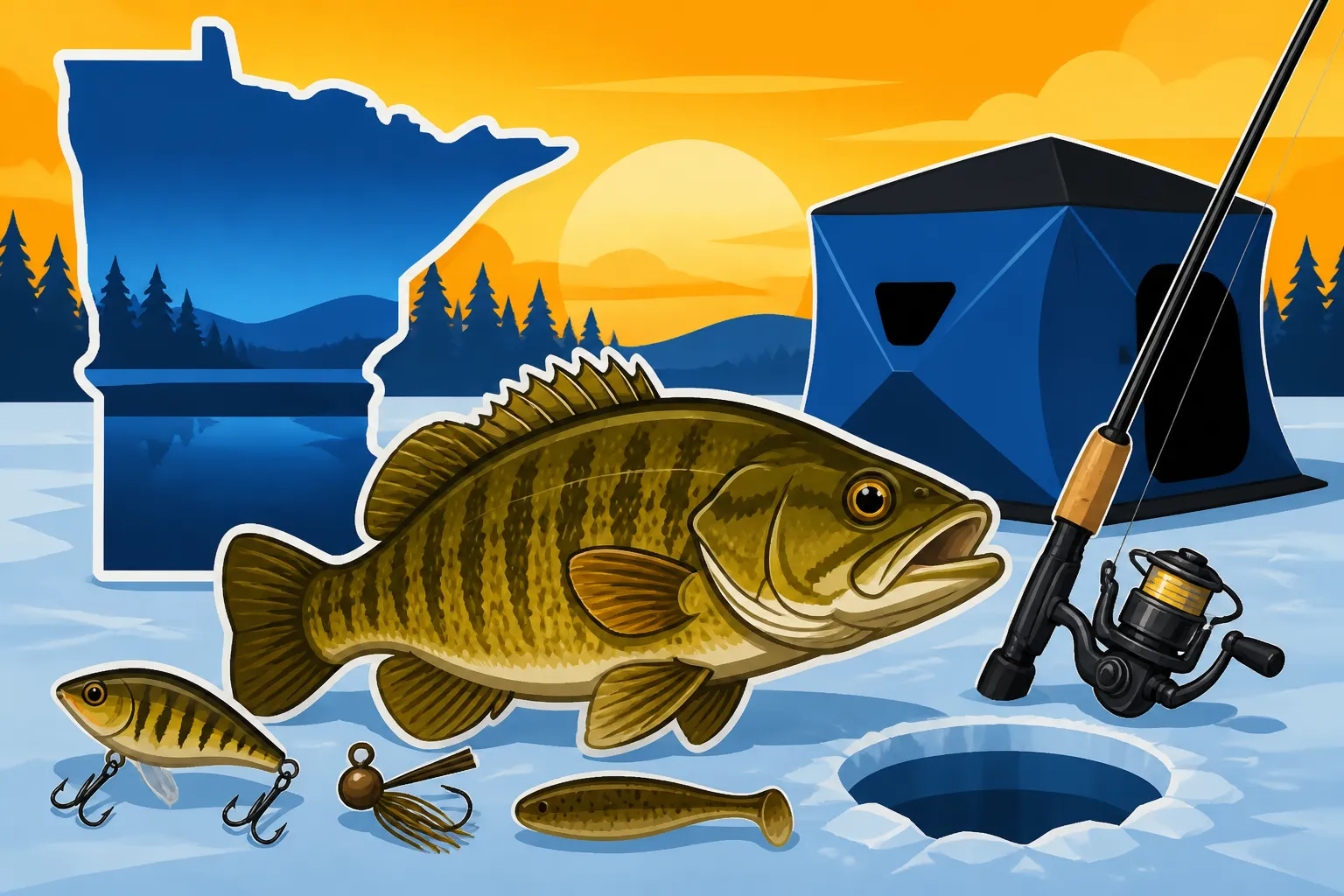
For many anglers, the idea of targeting smallmouth bass through the ice in Minnesota sounds a bit… unconventional. We often think of these bronzebacks as warm-water dynamos, battling hard on summer days. But let me tell you, when the lakes freeze over, smallmouth bass don't just disappear; they simply change their patterns, often frustratingly so, making them a true challenge to locate and entice. This comprehensive guide will arm you with the specialized gear, tactics, and knowledge you need to conquer the unique demands of ice fishing for smallmouth bass, turning those winter frustrations into thrilling hooksets.
Decoding Smallmouth Bass in Minnesota's Winter Waters
Before you even think about drilling a hole, understanding how smallmouth bass behave when the water turns to ice is absolutely crucial. They aren't the same aggressive, chase-oriented fish they are in July. Their metabolism slows down significantly, and they become much more selective and structure-oriented.
Where Smallmouth Hide in Winter
Smallmouth bass in winter are largely dictated by structure and depth, especially in Minnesota's clear, deep lakes. Unlike walleyes that might cruise expansive mud flats, or panfish that stick to green weeds, smallmouth often gravitate towards distinct, hard-bottom features that offer both cover and access to deeper water. Think rocky points, steep breaks, humps, and submerged islands. These are their winter condos, offering sanctuary from current (if any) and a stable environment.
Consider a popular smallmouth fishery like Mille Lacs Lake or Lake Minnetonka. On these lakes, you'll want to pore over your contour maps, looking for those abrupt changes in depth – a sharp break from 20 feet down to 40 feet, for instance. Rock piles that top out at 25-30 feet surrounded by deeper water are often magnets for wintering smallmouth. They use these features as ambush points, or simply as resting areas where they can expend minimal energy. It's not uncommon to find them suspended just off these structures, or tight to the bottom right on top of them. You might also find them in main lake basins near drop-offs, especially if there's an abundance of forage like tullibees or perch.
Seasonal Movements and Feeding Habits
Smallmouth bass behavior under the ice isn't static; it evolves as the winter progresses. Ignoring these subtle shifts can lead to endless hours of staring at a blank flasher screen.
- Early Ice: During early ice, typically November and December, smallmouth activity can still be relatively high. They might be found shallower than mid-winter, sometimes in 15-25 feet of water, still relating to the edges of deeper summer haunts. They can be more willing to chase a bait, and you might even find them schooling up. This is a great time to be aggressive with your presentations.
- Mid-Winter: As January and February roll around, and the ice thickens, smallmouth generally become much more lethargic. They retreat to deeper water, often 30-50 feet, sometimes even deeper in lakes like Lake Vermilion. Their feeding windows become shorter and more sporadic. Your presentation needs to slow down drastically; subtle movements and long pauses are key. They're conserving energy, and you need to tempt them with something easy to catch. This is when the "deadsticking" technique really shines.
- Late Ice: In March, as the sun begins to warm the water under the ice and melt starts to show, smallmouth can experience a surge in activity. They may begin to move shallower again, preparing for the pre-spawn. They'll feed more actively, and you might find them in similar depths to early ice, though often still focused on hard-bottom structure. This period can offer some of the most exciting smallmouth action of the hardwater season. Understanding these Seasonal Fishing Patterns in Minnesota can make all the difference.
Rods, Reels, and Line: The Foundation of Your Smallmouth Ice Setup
Your gear choices for ice fishing smallmouth bass are critical. These fish are notorious fighters, even in cold water, and they'll exploit any weakness in your setup. You need gear that combines sensitivity for subtle bites with the backbone to handle powerful runs under the ice.
Rods Designed for Smallmouth Bass
Forget those ultralight panfish rods; smallmouth demand more. A dedicated smallmouth ice rod will typically be a bit longer and have more power. You’re looking for a rod that gives you leverage, a strong hookset, and the ability to absorb head shakes.
A good starting point is a rod length between 28 to 36 inches. Longer rods provide better hooksetting power over a deep hole and absorb the shock of a hard-fighting smallmouth, preventing break-offs. As for power, a medium-light to medium power rod is usually ideal. This gives you enough strength to control a big fish, but still enough flex to feel those delicate winter bites. The action should be fast to extra-fast, meaning the tip is very sensitive, but the rod quickly transitions to backbone. This sensitive tip allows you to detect the slightest tap or weight on your line, which is often how a cold-water smallmouth bite feels. For reliable performance, many anglers in Minnesota swear by rods from companies like St. Croix, especially their Legend Silver Ice or Avid Ice series, known for their sensitivity and durability. These rods are built to withstand the elements and the fight.
Reels and Line Choices
Pairing the right reel and line with your rod ensures a balanced system that can handle anything a bronzeback throws at it.
For reels, a high-quality spinning reel in the 1000 to 2500 size range is perfect. The key here is a smooth, reliable drag system. Smallmouth bass will make powerful, surging runs, and a sticky drag will lead to snapped lines and lost fish. Brands like Shimano and Daiwa consistently deliver reels with the buttery-smooth drags needed for battling these bruisers. Look for models known for their durability in cold conditions.
When it comes to line, you have a few excellent options, each with its own advantages. For your main line, many anglers prefer a high-quality fluorocarbon between 4-8 pound test. Fluorocarbon is nearly invisible in water, highly sensitive due to its low stretch, and abrasion-resistant – all crucial factors when fishing clear water and around rocky structure. Alternatively, you can opt for a braided main line (8-15 pound test) for ultimate sensitivity and strength, but you must tie on a fluorocarbon leader (6-10 pound test). The leader provides the necessary invisibility and abrasion resistance that braid lacks. The longer the leader, usually 4-6 feet, the better the stealth. Remember that braid can absorb water and freeze on your reel or in your guides in extreme cold, so fluorocarbon often simplifies things.
Here’s a quick overview of ideal rod and line characteristics:
| Gear Type | Recommended Specs | Why It Matters for Smallmouth |
|---|---|---|
| Rod Length | 28-36 inches | Improves hooksets, leverage, and shock absorption |
| Rod Power | Medium-Light to Medium | Balances sensitivity for bites with power for the fight |
| Rod Action | Fast to Extra-Fast | Detects subtle strikes and provides quick, strong hooksets |
| Reel Size | 1000-2500 Spinning | Offers smooth drag, essential for powerful runs |
| Main Line | 4-8lb Fluorocarbon (or) | Nearly invisible, sensitive, abrasion-resistant |
| 8-15lb Braid | Extreme sensitivity and strength, no stretch | |
| Leader (with braid) | 6-10lb Fluorocarbon (4-6 ft) | Adds stealth and abrasion resistance where braid lacks it |
Lures and Live Bait: Tempting the Telltale Tug of Winter Bass
The right presentation is everything when ice fishing for smallmouth bass. They're often hesitant, inspecting baits closely before committing. Your lure choices need to capitalize on their slower metabolism and desire for an easy meal. This isn't the time for erratic, high-speed retrieves; think subtle, enticing, and natural.
Jigging Lures that Trigger Bites
When smallmouth are in a neutral or slightly active mood, jigging lures are incredibly effective at drawing them in and triggering a strike. Flash and subtle vibration often seal the deal.
- Jigging Spoons: These are absolute staples for ice fishing smallmouth. Lures like the Northland Buck-Shot Rattle Spoon, the classic Kastmaster, or the VMC Tingler Spoon excel at imitating baitfish. Their flash and flutter on the drop, combined with a subtle jigging motion, can provoke even lethargic bass. Colors like gold, silver, firetiger, or glow patterns are consistently productive, especially in deeper or stained water. A 1/8 oz to 3/8 oz spoon is a good range, depending on depth and current. Often, tipping a spoon with a small minnow head or a grub can add that extra bit of scent and appeal that pushes a hesitant smallmouth to bite.
- Jigging Raps and Horizontal Jigs: The Rapala Jigging Rap and similar horizontal-profile jigs are phenomenal for smallmouth. Their unique darting action on the lift and glide on the fall perfectly mimics a struggling baitfish. You can work them with aggressive snaps or subtle lifts and drops. Sizes #3, #5, or #7 are most common, again depending on the depth and size of the forage. Other horizontal offerings, like the Clam Tikka Mino or a Eurotackle Z-Viber, offer similar fish-attracting actions. The key is to experiment with your retrieve; sometimes a quick, sharp snap followed by a long pause is deadly, while other times, tiny twitches are all it takes. You can find a wide variety of these proven lures at Bass Pro Shops, ensuring you're stocked for any scenario.
Plastics and Live Bait Strategies
When smallmouth are finicky, or in those tough mid-winter periods, finesse presentations with plastics or the undeniable appeal of live bait can be your secret weapon.
- Soft Plastics: Small, realistic soft plastics fished on a lightweight jig head can be incredibly effective. Think tiny paddle tails, tube jigs (1.5-2.5 inches), or small grubs. Brands like Keitech with their Swing Impact swimbaits or Berkley Gulp! Minnows are excellent choices, offering realistic action and scent. Fish these with very subtle twitches and long pauses, letting the plastic do the work. Often, the bite will feel like a slight "thump" or simply added weight on your line. These presentations are often best when you see fish on your sonar but they refuse to commit to more aggressive lures.
- Live Bait: There's simply no substitute for live bait when smallmouth are at their most passive. A lively minnow, such as a shiner, fathead, or crappie minnow, suspended under a small plain hook or a tiny jig head, is often irresistible. The "deadsticking" technique, where you leave a rod with live bait completely still in a separate hole, is a tried-and-true method for winter smallmouth. The minnow's natural movements are enough to entice a strike from even the most lethargic fish. Using a slip bobber setup can help you present your minnow at the exact depth you want, often just a foot or two off the bottom near those key structures. When shopping for soft plastics and other terminal tackle, Amazon can be a convenient option for specific items not readily available elsewhere. For more detailed insights on general Best Live Bait for Walleye (Leeches, Minnows, Crawlers), many of the same principles for minnow presentation apply to smallmouth.
Electronics and Essential Accessories for Successful Smallmouth Ice Fishing
Ice fishing for smallmouth bass is rarely a blind endeavor. These fish are constantly on the move, even if subtly, and they relate heavily to specific structures. Having the right electronics and accessories significantly increases your chances of success and safety.
Fish Finders and Mapping for Structure
You absolutely cannot consistently target smallmouth bass through the ice without solid electronics. They are too structure-oriented and often too deep to find them by guesswork.
- Flashers: A reliable flasher, like a Vexilar FLX-28 or a MarCum LX-7, is non-negotiable. These units provide real-time feedback, showing you your lure, the fish, and their reaction to your presentation. This allows you to adjust your jigging cadence, depth, and retrieve to trigger a strike. Seeing a smallmouth rise to your bait on the flasher screen and then commit is one of the most exciting parts of ice fishing. Being able to see if they're ignoring a fast retrieve or getting interested in a subtle lift and fall provides instant feedback, helping you fine-tune your approach. Check out a detailed comparison of Best Ice Fishing Flashers: Vexilar vs Humminbird vs Garmin to help make your choice.
- Sonar/GPS Combos and Mapping: For finding smallmouth, especially on vast lakes, a sonar/GPS combo unit with detailed lake mapping is a huge advantage. Units like the Humminbird Ice Helix series or Garmin Echomap with LiveScope capability allow you to view high-definition contour maps (LakeMaster or Navionics are popular choices in Minnesota). These maps highlight those critical humps, sharp drop-offs, and rocky points where smallmouth congregate. You can mark waypoints on these structures, precisely drill holes, and then use the sonar to find fish. Technologies like Garmin LiveScope, which offers forward-facing sonar, can give you an even broader view under the ice, helping you spot cruising bass before they're directly under your hole. This is especially useful for quickly identifying productive areas without drilling dozens of holes.
Essential Accessories and Safety Gear
Beyond your core fishing setup and electronics, a few key accessories will make your smallmouth ice fishing experience more comfortable, efficient, and most importantly, safe.
- Ice Auger: Smallmouth fishing often involves a lot of hole hopping to find active fish and pinpoint structure. A powerful and efficient ice auger is a must. Many anglers are gravitating towards electric augers like the StrikeMaster Lithium 40V or the ION G2 due to their quiet operation, lack of fumes, and consistent power. They make drilling numerous holes a breeze, especially when you’re scouting deep structure. If you prefer gas, a reliable Eskimo or Jiffy auger will also get the job done. Learn more about the Best Ice Augers for Minnesota: Electric vs Gas to pick the right one for you.
- Ice Shelter: Given that smallmouth often inhabit open, exposed waters, wind and cold can be brutal. A portable ice shelter – either a flip-over like those from Otter or Clam, or a hub-style shelter – provides much-needed protection. This allows you to stay comfortable and focused, especially during those long mid-winter days. Having a heater inside can make a huge difference, allowing you to shed bulky gloves and feel subtle bites better.
- Safety Gear: Never compromise on safety. Smallmouth often reside on larger, deeper lakes where ice conditions can vary. Always carry a spud bar for checking ice thickness, especially during early and late ice. Wear proper ice cleats for traction, a personal flotation device (PFD) or a float suit for warmth and buoyancy, and a reliable headlamp for early morning setups or late evening retrieves. A set of ice picks is also crucial, worn around your neck, allowing you to pull yourself out should you break through. Always inform someone of your fishing plans and location.
Disclaimer
Fishing conditions, regulations, and fish behavior can change rapidly. Always consult the most current Minnesota Department of Natural Resources (DNR) fishing regulations before heading out on the ice. Stay safe and prioritize ice safety at all times.