Ice Shelter Removal Deadlines in Minnesota
There's nothing quite like the joy and camaraderie of ice fishing in Minnesota, spending crisp winter days out on the frozen lakes, but as the days grow longer and the sun starts to feel warmer, a new kind of anxiety can creep in for many anglers: the looming ice shelter removal deadlines. Forget to pull your portable or permanent ice house off the ice in time, and you could be looking at hefty fines, the loss of your valuable shelter, and even environmental damage. This guide is here to walk you through everything you need to know about Minnesota's ice shelter removal deadlines, ensuring you pack up safely, legally, and without a hitch.
Why Are Ice Shelter Removal Deadlines So Important?
It might seem like a bit of a hassle when you're packing up after a long season, but these deadlines aren't just arbitrary rules dreamt up by the Department of Natural Resources (DNR). They are critical for public safety, environmental protection, and ensuring our beautiful lakes remain enjoyable for everyone, all year round.
Environmental Impact and Public Safety
When the ice starts to melt, it doesn't do so uniformly. You might have several feet of solid ice in one spot, and just yards away, a dangerous soft spot or even open water could be forming. An ice shelter, whether it's a small portable flip-over or a large, permanent wheelhouse, left behind as the ice deteriorates poses significant environmental risks. These structures can break through the weakening ice, sinking to the bottom of the lake. Not only do they become submerged hazards for boaters, swimmers, and wildlife, but they also introduce foreign materials like wood, metal, plastics, and sometimes even trash and waste into our pristine waters. Imagine the frustration of a boater hitting a submerged shack, or the environmental damage caused by debris littering the lakebed. It’s a real problem, and these regulations are designed to prevent it.
Furthermore, these unattended shelters can act as a magnet for curious kids or unsuspecting adults, enticing them onto dangerously thin ice. The state has a responsibility to minimize these risks, and enforcing removal dates is a key component of that strategy. It protects the fish, the lakes themselves, and every person who uses them, making sure our Minnesota Ice Fishing & Shelter Rules are followed for the good of all.
Preventing Hazards for Anglers and Boaters
Think about the sheer weight and bulk of some permanent ice shelters. If one of those breaks through the ice, it doesn't just sink and disappear. It becomes a massive obstacle. During the transition from ice fishing to open water boating, submerged shacks can be incredibly dangerous. Propellers can be damaged, hulls can be punctured, and in the worst cases, serious accidents can occur. These sunken structures can remain a hazard for years, becoming navigational nightmares and potential snag points for fishing lines, anchors, and even scuba divers.
For anglers transitioning to early open-water fishing, especially those venturing out in smaller boats or kayaks, the last thing they need is to encounter a partially submerged or completely hidden ice shack. The deadlines ensure that the ice is cleared of these potential dangers before the spring thaw fully sets in and recreational boating season truly begins. It's about maintaining a safe and clear pathway for all water enthusiasts once the ice fishing season wraps up.
Understanding Minnesota's Ice Shelter Removal Zones
Minnesota is a big state, and the ice doesn't melt at the same rate from the Canadian border down to Iowa. That's why the DNR has wisely divided the state into two distinct zones for ice shelter removal, each with its own specific deadline. Understanding which zone your favorite lake falls into is the first crucial step to avoiding a violation.
The Two Primary Zones: South and North
Minnesota's ice fishing regulations are split into a Southern Zone and a Northern Zone. This division is based on a geographical line that roughly follows a series of highways. Historically, the line generally follows U.S. Highway 210 from the North Dakota border to Aitkin, then Minnesota Highway 210 to Carlton, and then U.S. Highway 23 to Wisconsin. However, these boundary lines can sometimes be adjusted slightly by the DNR, so always double-check the most current regulations for the year you are fishing. The core idea is that the southern parts of the state typically experience earlier thaws and thus require earlier removal of shelters. The northern regions, with their longer, colder winters, are afforded a bit more time. This sensible approach acknowledges the natural progression of the seasons across our diverse landscape.
It's important to remember that these zones apply to all bodies of water within them, regardless of the size or depth of a particular lake. Just because your small, shallow lake in the Northern Zone might lose its ice earlier than a deep lake further south doesn't mean your deadline changes. The zone designation is the law.
How to Determine Your Zone
Figuring out which zone your fishing spot is in usually just takes a quick check of a map or the official DNR regulations. The easiest way is to consult the annual Minnesota Fishing Regulations PDF, which is readily available online through the DNR's website. These publications will clearly outline the dividing line, often with a visual map, and explicitly state the deadlines for each zone. If you're fishing on a major lake that straddles the boundary, like parts of Mille Lacs Lake depending on the exact highway designation, it's always best to err on the side of caution and adhere to the earlier Southern Zone deadline.
You can also use online mapping tools or fishing apps that sometimes integrate these regulatory lines, but always confirm with the official DNR source. A quick call to your local DNR office can also clarify any ambiguity. Don't rely on word-of-mouth from fellow anglers; while they often mean well, regulations can change, and getting it wrong can cost you. Knowing your zone is as fundamental as knowing When Is the Minnesota Walleye Opener 2026? or checking your Minnesota Fishing License: Cost, Types & How to Buy (2026) before you even hit the ice.
The Official Deadlines You Absolutely Cannot Miss
These dates are etched in stone for a reason, and missing them is not an option if you want to avoid serious repercussions. It's not just about getting your gear off the ice; it's about doing your part to protect our environment and ensure safe recreational opportunities for everyone.
Southern Zone Deadlines and What They Mean
For those fishing in Minnesota's Southern Zone, the official deadline for removing all ice fishing shelters from the ice is the first Monday in March. This date is chosen because, by early March, the southern part of the state typically experiences significantly warmer temperatures, leading to rapidly deteriorating ice conditions.
Let's break down what this means in practice. If the first Monday in March falls on, say, March 3rd, then by the end of the day on March 3rd, every single piece of your ice fishing shelter – the main shack, any extension porches, even leftover blocking or anchoring materials – must be completely off the ice. This doesn't mean "mostly off" or "just the walls, I'll get the floor later." It means everything. Anglers often use the weekend leading up to this Monday as their last hurrah for ice fishing and the primary time for removal. However, relying on that last weekend can be risky. Unseasonably warm weather or heavy rain can accelerate ice decay, making access to your shelter dangerous or impossible even before the deadline. It's always a good idea to start planning your removal process well in advance, monitoring ice conditions and the weather forecast closely.
Northern Zone Deadlines and What They Mean
Anglers enjoying the longer ice seasons in Minnesota's Northern Zone have a bit more breathing room. The deadline for removing all ice shelters in this zone is the third Monday in March. This later date acknowledges that winter weather and solid ice often persist longer in the northern counties, allowing for a more extended ice fishing season.
Just like in the Southern Zone, "removed" means completely removed. If the third Monday in March is, for example, March 17th, your entire setup needs to be off the ice by the end of that day. While the ice might be thicker and more stable further north, the same cautionary principles apply. A sudden warm spell or early spring rain can change conditions rapidly. Don't wait until the last minute, especially if your shelter is heavy or requires significant effort to move. Planning a strategic removal date, perhaps the weekend before the deadline, can save you a lot of stress and potential danger. Remember, even if you think the ice is still strong, the deadline is fixed and legally binding. These strict timelines are part of the broader Minnesota Fishing Seasons & Opener Dates (2026) designed to protect resources and anglers alike.
What Happens if You Miss the Deadline?
Missing the ice shelter removal deadline isn't just a minor oversight; it's a serious violation that carries significant penalties. The DNR takes these regulations very seriously for all the safety and environmental reasons we've discussed.
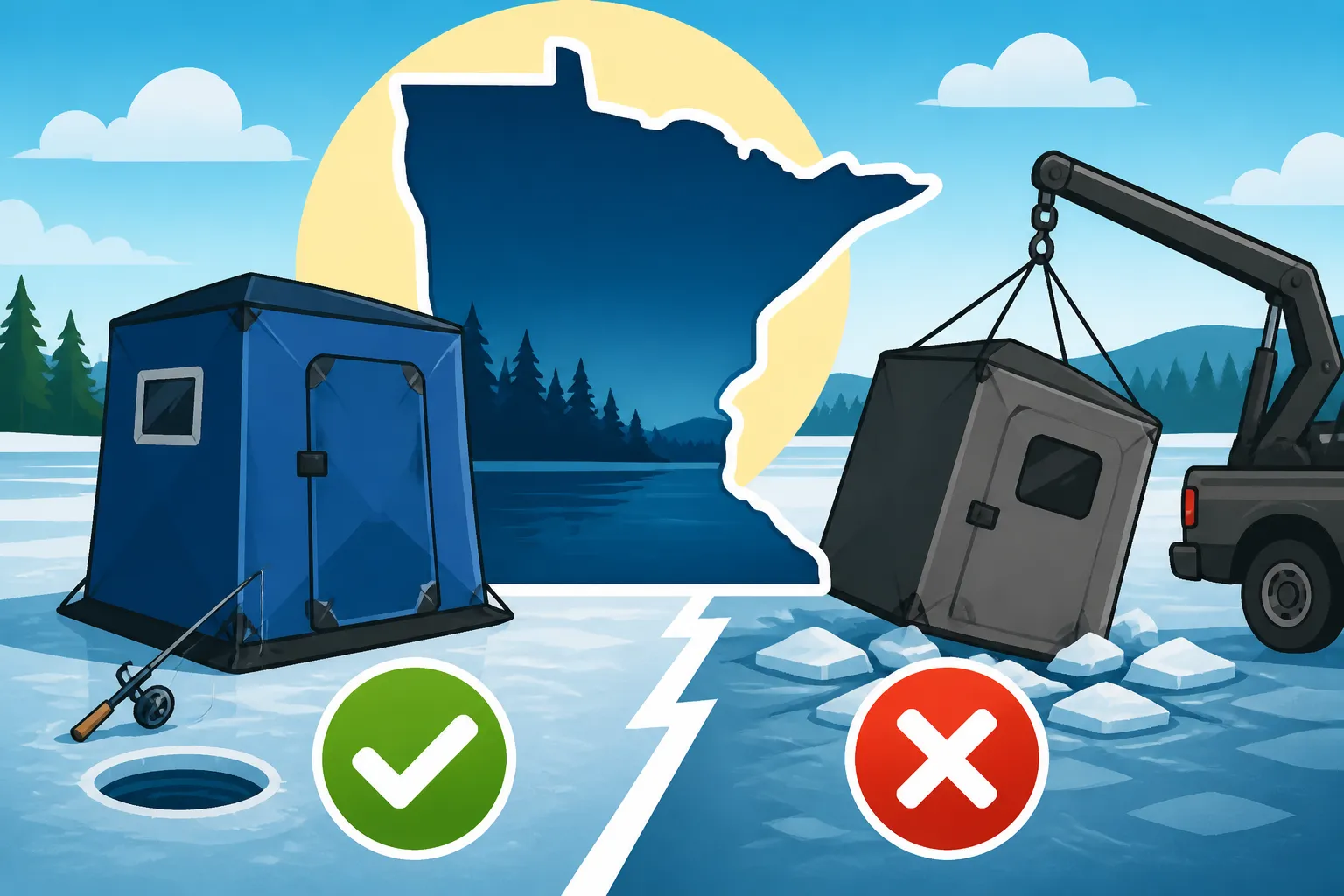
First and foremost, if your shelter is found on the ice after the deadline, it's considered abandoned property. The DNR has the authority to remove it, and they will charge you for all costs associated with its removal, recovery, and disposal. And let me tell you, those costs can be substantial, easily running into hundreds or even thousands of dollars, especially for larger, heavier permanent shelters that might require heavy equipment or specialized crews to extract if they've partially sunk. Imagine being hit with a bill for a crane or a dive team!
Beyond the recovery costs, you'll also likely face a fine. The exact amount can vary depending on the circumstances, the type of shelter, and whether it's your first offense, but these fines are typically not trivial. You could be looking at hundreds of dollars in fines on top of the removal fees. In some cases, repeated violations could lead to more severe penalties, potentially even including the confiscation of your fishing license or equipment. It's a stark reminder that ignoring regulations has real consequences, much like exceeding Minnesota Fishing Limits: Bag & Possession (2026). The best advice is to treat these deadlines as absolute and plan your removal well in advance to avoid these costly and frustrating situations.
Here’s a quick summary of the removal deadlines:
| Zone | Deadline | Description | Key Actions |
|---|---|---|---|
| Southern Zone | First Monday in March | Applies to lakes south of the defined highway line (e.g., US Hwy 210, MN Hwy 210, US Hwy 23). | Monitor weather, plan removal early, especially the preceding weekend. |
| Northern Zone | Third Monday in March | Applies to lakes north of the defined highway line. Longer season due to generally colder temperatures. | Don't wait until the last minute, even if ice seems solid. |
Always consult the current year's official Minnesota Fishing Regulations for exact dates and boundary lines.
Best Practices for Timely and Responsible Removal
Successfully removing your ice shelter isn't just about meeting a deadline; it's about doing it safely and responsibly. A little planning and forethought can save you a lot of headache, backache, and potential fines.
Planning Ahead: Your Pre-Deadline Checklist
The key to a smooth removal is preparation. Don't wait until the day before the deadline to realize you're missing essential tools or that the access road has turned into a slushy mess. Start your planning process a couple of weeks out. First, keep a close eye on the weather forecast. Rapid warming trends, heavy rain, or significant snowfall can dramatically alter ice conditions and access routes. If you have a permanent shelter, you might need extra hands, a larger vehicle, or even a specialized ice recovery service, especially if the ice is already getting soft. Contact friends or local services early if you anticipate needing help.
Before you even head out for removal, ensure you have all the necessary equipment: sturdy ropes, possibly a winch or come-along for heavy shelters, shovels, and appropriate safety gear like ice picks and a life vest, especially if conditions are questionable. If you plan to use an ATV or snowmobile, ensure it's in good working order. Charge your phone, tell someone where you're going, and consider bringing a portable power bank. It's also smart to empty your shelter of all personal items, trash, and loose gear before the final removal day to lighten the load and prevent anything from falling out and becoming litter. This kind of preparation is as crucial as knowing How Many Lines Can You Use Ice Fishing in Minnesota? or understanding Minnesota Ice House License & Rules.
Leave No Trace: Cleaning Up After Your Shelter
Responsible angling doesn't end when you pull your shelter off the ice; it extends to ensuring you leave no trace behind. This principle is fundamental to preserving the natural beauty and health of Minnesota's lakes. Before you haul your shack away, do a thorough sweep of the area where your shelter was located. This means picking up any stray fishing line, bait containers, cigarette butts, food wrappers, plastic bags, and even small pieces of wood or plastic that might have broken off your shelter. It’s surprising how much small debris can accumulate over a season.
Also, be mindful of any holes you drilled. While they'll eventually freeze over, large holes can remain a hazard for a while, so if possible, mark them if you're leaving shortly before the complete thaw. Leaving the area cleaner than you found it is not just good etiquette; it’s vital for preventing litter and pollution. These simple actions contribute directly to the health of our aquatic ecosystems and complement efforts to combat Aquatic Invasive Species (AIS) Rules for Boaters, ensuring our lakes remain vibrant for generations of anglers to come.
Special Circumstances and Exceptions
While the core rules for ice shelter removal are straightforward, a few unique situations and types of shelters sometimes cause confusion. Let's clarify these so you're never caught off guard.
What About Border Waters?
Minnesota shares some fantastic fishing opportunities with neighboring states and Canada, particularly with Wisconsin to the east and North Dakota and South Dakota to the west. These "border waters" often have unique reciprocal agreements or specific regulations that can differ from Minnesota's inland lake rules. When it comes to ice shelter removal, it's absolutely crucial to check the specific rules for that particular border water.
For example, on the Minnesota-Wisconsin border waters like Lake Pepin or the St. Croix River, the ice shelter removal deadlines might not perfectly align with Minnesota's inland zones. Wisconsin's regulations might dictate a different date, or there could be a special agreement between the two states. Generally, you'd follow the more restrictive (earlier) deadline to be safe. The same goes for the Red River of the North (North Dakota border) or certain lakes along the Canadian border. Always consult the specific "Border Water Fishing Rules (Minnesota-Ontario, Wisconsin)" section in the current Minnesota Fishing Regulations handbook. Don't assume. Getting it wrong on border waters could mean facing penalties from both state agencies!
Permanent vs. Portable Shelters
Minnesota's ice shelter removal deadlines apply to all ice fishing shelters, regardless of whether they are permanent or portable. There's no exception for your fancy new pop-up tent that you can technically move in five minutes. The rule is simple: if it's on the ice, it needs to be off by the deadline for its respective zone.
However, the practical implications can differ slightly. A small portable shelter that can be packed up and carried by hand usually presents less of a recovery challenge for the DNR if left behind. A large, insulated permanent wheelhouse, on the other hand, is a much bigger problem. If a permanent shelter breaks through the ice, its recovery is incredibly complex, dangerous, and expensive. This is why the penalties for leaving a permanent shelter are often much higher, reflecting the greater resources required for removal and the increased environmental and safety risks. While a Ice Fishing in Minnesota: Complete Beginner-to-Pro Guide might focus on getting started, a seasoned angler knows the nuances of managing both types of shelters as the season winds down. Always be proactive, especially with heavy permanent shelters, and don't take any chances with rapidly thinning ice.
Disclaimer
Please remember that fishing regulations, including ice shelter removal deadlines, can change. While every effort has been made to provide accurate and up-to-date information for 2026, it is always your responsibility to consult the official Minnesota Department of Natural Resources (DNR) regulations handbook or website for the most current rules and any last-minute updates. This guide is for informational purposes only and should not be considered legal advice.