Best Lakes for Shore Fishing Near Minneapolis
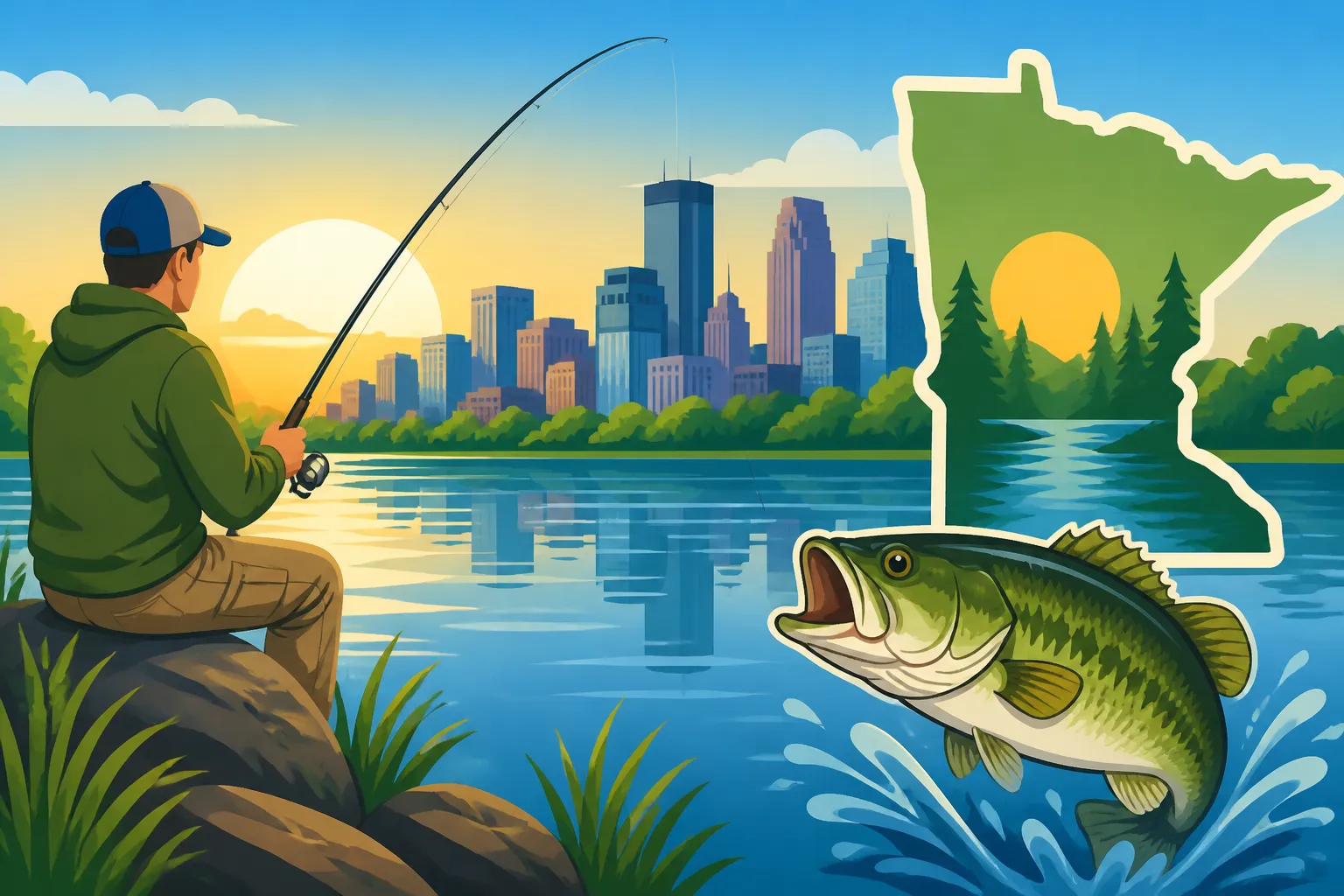
It's a familiar feeling for many of us living in the bustling Minneapolis area: you're craving some time by the water, the peaceful rhythm of casting and retrieving, but you don't have a boat, and getting out to the remote wilderness isn't always an option. The thought of being stuck to the shore can feel limiting, but I'm here to tell you that some of Minnesota's best fishing opportunities are absolutely accessible from the bank, right in your backyard. This guide will walk you through the prime shore fishing spots near Minneapolis, helping you find success without ever stepping foot on a boat.
The Simple Joys of Metro Shore Fishing
There's something incredibly satisfying about shore fishing, especially in an urban setting. It strips away the complexities of boat ownership, trailering, launching, and all the associated costs. For many, it’s fishing in its purest form—just you, your rod, and the water.
Accessibility and Unmatched Convenience
One of the biggest advantages of shore fishing near Minneapolis is the sheer convenience. We're talking about lakes that are often just a short drive, bike ride, or even walk from your front door. This means less time commuting and more time fishing. You can spontaneously decide to go for an hour or two after work, or easily take the kids out for a quick outing without a major logistical operation. Public access points, parks, and designated fishing piers make it incredibly easy to find a spot. You don't need a heavy-duty truck or specialized trailer; a car or even public transit can get you to many of these spots.
Diverse Fish Species at Your Fingertips
While you might think shore fishing limits your quarry, that's far from the truth, especially in the Twin Cities metro. Our lakes are surprisingly diverse and well-managed. You can target panfish like crappies and bluegills, which are perfect for beginners and provide consistent action. Beyond that, many metro lakes hold impressive populations of largemouth and smallmouth bass, northern pike, and even walleye. It's not uncommon to pull a respectable northern or a chunky bass from a spot just off a busy park. The variety means you can switch up your tactics and targets, keeping things fresh and exciting every time you head out.
Embracing Community and Simplicity
Shore fishing often brings a sense of community. You'll likely encounter other anglers, families enjoying the outdoors, and people simply soaking in the scenery. There's a shared camaraderie among those casting from the bank, a mutual understanding of the simple pleasure it brings. It's also a fantastic way to introduce new people to fishing without overwhelming them with gear or complex techniques. Plus, there's a certain charm in the simplicity of it all – a cooler, a tackle box, a couple of rods, and you're ready to go. It reminds us that you don't need all the bells and whistles to enjoy a day on the water.
Top Lakes for Shore Anglers Near Minneapolis
The Minneapolis area is blessed with an abundance of lakes, many of which offer fantastic shore fishing opportunities. Each lake has its own character, accessibility, and unique fishing prospects.
Lake Minnetonka: West Metro Gem
Lake Minnetonka, the crown jewel of the West Metro, is famous for its vastness and multi-species fishery. While it's primarily known for boating, there are several key spots that offer excellent shore access.
Public Piers and Parks for Easy Access
One of the best ways to tackle Minnetonka from shore is by utilizing its numerous public piers and parks. Excelsior Commons in Excelsior and Lord Fletcher's Old Lake Lodge area in Spring Park offer excellent pier fishing. These spots often put you over deeper water or near structure that attracts fish. The public docks at Wayzata Beach or the docks in Mound are also popular. For anglers looking for a more secluded experience, try some of the smaller public access points or parks in towns like Deephaven or Shorewood, which might have less crowded shoreline. Always check local ordinances for specific park hours and fishing regulations.
Target Species and Seasonal Tips
Minnetonka is a fantastic lake for a wide range of species from shore. Panfish, particularly bluegills and crappies, are abundant, especially in the shallower bays and around submerged vegetation near piers. A simple slip bobber rig with a worm or a small jig can keep you busy all day. For bass, both largemouth and smallmouth, target areas with rocky bottoms, docks, or overhanging trees. Topwater lures at dawn or dusk can be incredibly exciting. Northern pike are also common, often lurking in weed beds. Consider throwing a spinnerbait or a spoon. Walleye can be caught from shore, especially during low-light conditions in the spring and fall. Use a jig and minnow or a lipless crankbait around points and drop-offs near access areas. Check the Minnesota Fishing Seasons & Opener Dates (2026) to know when each species is fair game.
Bde Maka Ska (Lake Calhoun): Urban Oasis
Nestled right within Minneapolis, Bde Maka Ska is a popular lake for recreation, but it also holds its own as a prime shore fishing destination. Its urban setting doesn't detract from its fishing potential.
Expansive Shoreline and Fishing Piers
Bde Maka Ska boasts an almost entirely accessible shoreline, thanks to its extensive paved walking and biking paths. There are several dedicated fishing piers, particularly on the north and east sides, which extend into deeper water and often feature benches. The fishing pier near the "Lake Calhoun Executive Center" is a local favorite, offering good access to deeper water and potential drop-offs. The areas near the various boat launches (even if you're not launching a boat) often provide good casting opportunities. For more detailed insights on access points, many local guides listed on platforms like FishingBooker can offer up-to-the-minute advice on the best current spots.
What to Catch and How to Fish
Bde Maka Ska is a fantastic lake for panfish, especially crappies and sunfish, which gather in large schools, particularly around structure like the fishing piers or submerged weeds. Small jigs tipped with plastics or live bait under a bobber are highly effective. For anglers interested in Bass Fishing Techniques for Minnesota Lakes, Bde Maka Ska has a healthy population of largemouth bass, especially in the shallower, weedier sections of the lake. Cast soft plastics, wacky worms, or spinnerbaits into weed pockets. Northern pike are also frequently caught, often patrolling the edges of weed lines. Try a spoon or a larger lipless crankbait. While not known as a walleye hotspot from shore, patient anglers can still find them, particularly at night or during twilight hours near the deeper access points.
Lake Harriet: South Minneapolis Favorite
Just south of Bde Maka Ska, Lake Harriet offers another wonderful urban fishing experience with a slightly more tranquil feel, despite being surrounded by activity.
Designated Shore Access and Amenities
Lake Harriet provides ample shore access, with a well-maintained path circling the entire lake. The fishing pier on the north side, near the bandshell and public boat launch, is a hub of activity and a great starting point. This pier offers excellent access to deeper water. Other spots along the shoreline path, especially where reeds or lily pads offer cover, can be very productive. The park amenities, including restrooms and food vendors during summer, make it a comfortable spot for a long day of fishing with the family.
Species to Target and Essential Tactics
Like its neighbors, Lake Harriet is a panfish paradise. You'll find plenty of bluegills and crappies, especially around the pier pilings and shallower weed lines. Small hair jigs or micro plastics under a bobber work wonders. Largemouth bass are also plentiful, particularly in the many lily pad fields and docks found along the eastern and western shores. Work a frog imitation or a weedless jig into these areas. Northern pike are always a possibility, so be prepared with a wire leader if you're targeting them, especially with larger spoons or swimbaits. Lake Harriet also gets stocked with walleye occasionally, offering a bonus for persistent anglers, especially around the deeper humps and points accessible from shore during the evening. For general guidance on what gear to use, check out Best Fishing Gear for Beginners in Minnesota (By Budget).
Lake Nokomis: Family-Friendly Fun
Lake Nokomis, located in South Minneapolis, is another accessible and family-friendly option perfect for a day of shore fishing. It’s known for its sandy beaches and welcoming atmosphere.
Piers, Beaches, and Open Shoreline
Lake Nokomis offers excellent shore access along much of its perimeter. There's a great fishing pier on the northeast side of the lake that extends into deeper water, providing a popular spot for many anglers. The areas around the main beaches, while sometimes busy with swimmers, can also be productive during off-peak hours. There are also several smaller, quieter sections of shoreline that can be found by exploring the walking paths that loop the lake. These quieter spots are often fantastic for those seeking a bit more solitude.
Best Bets for Fish and Simple Setups
Lake Nokomis is an outstanding spot for panfish, making it perfect for kids and new anglers. Bluegills and crappies are abundant, and they respond well to simple live bait setups (worms, minnows) under a bobber or tiny jigs. Largemouth bass are also present in good numbers, particularly in the weedier areas and around fallen trees. Cast plastic worms, jigs, or spinnerbaits along these edges. Northern pike cruise the lake, and they can be caught using spoons or larger shiners. Consider bringing along a medium-action spinning rod for versatility, capable of handling both panfish and larger predators. Sometimes, the simplest setups are the most effective, especially when you're just learning the ropes of Crappie & Panfish Fishing Techniques.
White Bear Lake: Northeast Metro Potential
A bit further northeast from Minneapolis, White Bear Lake is a large and popular lake known for its clean water and good fishing. Several parks and public accesses make it viable for shore anglers.
Access Points and Prime Locations
While a significant portion of White Bear Lake’s shoreline is private, there are crucial public access points that shine for shore fishing. White Bear Lake County Park (also known as Bellaire Beach) offers good shoreline access and a fishing pier that extends into productive water. Matoska Park in downtown White Bear Lake also has shoreline access and a pier, putting you in a great spot for various species. Exploring the public accesses off popular thoroughfares like Highway 96 can also yield hidden gems with shore access.
What to Target and Specialized Approaches
White Bear Lake is well-regarded for its walleye fishery, and dedicated shore anglers can find success, especially during the low-light hours of dawn and dusk, or at night. Tossing crankbaits or casting a jig-and-minnow combination from piers that extend into deeper water can be effective. Northern pike are also prevalent, often hugging weed lines and drop-offs accessible from shore. Bass, both largemouth and smallmouth, are also present, with smallmouth favoring rocky areas and largemouth preferring weedy cover. Panfish are, of course, a reliable target here too. For more detailed info, you might consider booking a local guide through FishingBooker to get insights on specific shore spots or current bite patterns on White Bear Lake. They can often share nuanced tips even for land-based angling.
Lake Waconia: Southwest Metro Adventure
For those willing to venture a bit further southwest, Lake Waconia offers a fantastic fishing experience with several great shore opportunities, known for its healthy populations of game fish.
Parks, Piers, and Island Views
Lake Waconia provides several excellent shore fishing spots. Lake Waconia Regional Park is a prime example, offering a large fishing pier that extends into productive waters. This pier is known for its depth and structure, attracting a variety of species. Other parks, such as the public access points in the city of Waconia, also provide ample shoreline to cast from. Even though you're on shore, the views of Coney Island and the open water add to the feeling of a true lake fishing adventure.
Species and Strategies for Success
Lake Waconia is a particularly good walleye lake, and shore anglers have a legitimate shot at them. Focus on the main fishing pier at Lake Waconia Regional Park, especially during evening hours, using jigs, shiners, or crankbaits. The lake also boasts a healthy population of largemouth bass, which can be found in the shallower, weed-rich areas accessible from shore. Use weedless baits like Texas-rigged worms or soft plastic frogs. Northern pike are aggressive and can be caught with spoons, spinnerbaits, or large shiners fished along drop-offs. Of course, abundant panfish ensure consistent action for all skill levels. Remember that Catch and Release Best Practices in Minnesota are important, especially for larger game fish you might encounter.
Here's a quick comparison of these fantastic metro shore fishing spots:
| Lake Name | Primary Access Points | Target Species (Common from Shore) | Best Times/Tactics | Notes |
|---|---|---|---|---|
| Lake Minnetonka | Excelsior Commons, Wayzata Beach, Mound docks | Panfish, Largemouth/Smallmouth Bass, Northern Pike, Walleye | Early/late day, piers, weed edges, jig & minnow, topwater | Huge lake, diverse spots, requires some exploration. |
| Bde Maka Ska | North/East side fishing piers, shoreline path | Panfish, Largemouth Bass, Northern Pike | All day for panfish, low-light for bass/pike, jigs, worms | Urban, easily accessible, good for quick trips. |
| Lake Harriet | North side fishing pier, shoreline path | Panfish, Largemouth Bass, Northern Pike | Around bandshell pier, lily pads, small jigs, spinnerbaits | Scenic, often stocked, good family spot. |
| Lake Nokomis | Northeast fishing pier, beach areas, shoreline path | Panfish, Largemouth Bass, Northern Pike | All day action for panfish, weed edges for bass, bobber rigs | Very family-friendly, good for beginners. |
| White Bear Lake | Bellaire Beach pier, Matoska Park pier | Walleye, Northern Pike, Bass, Panfish | Evening for walleye, piers, weed lines, crankbaits, shiners | Good walleye potential, some private shoreline. |
| Lake Waconia | Lake Waconia Regional Park pier, city accesses | Walleye, Largemouth Bass, Northern Pike, Panfish | Evening for walleye, pier, weed lines, jigs, shiners, plastics | Bit of a drive, but great mixed bag, known for walleye. |
Essential Gear and Tactics for Shore Success
You don't need a boatload of gear to be successful at shore fishing, but having the right tools and a solid understanding of basic tactics will significantly improve your chances.
Versatile Tackle Choices
When you're limited to casting from the bank, versatility is key. You'll want a setup that can handle smaller panfish but also has enough backbone for a surprise northern pike or a feisty bass.
Rods and Reels for Diverse Fishing
A medium-light to medium power spinning rod, typically in the 6'6" to 7'6" range, is your best friend for shore fishing. This length provides good casting distance to reach productive water from the bank, while the medium power allows for a good fight with larger fish without overpowering smaller panfish. Pair it with a 2500 or 3000 size spinning reel spooled with 6-10 lb monofilament or fluorocarbon, or 10-15 lb braided line with a fluorocarbon leader. Braided line offers superior casting distance and sensitivity, which can be a huge advantage when you're trying to feel light bites from afar. Having a small tackle box with essential terminal tackle like hooks, sinkers, bobbers, and swivels is crucial. For specific recommendations, check out a guide on Best Walleye Rods & Reels, as many of those setups can be adapted for diverse shore fishing.
Essential Lures and Baits
Your tackle box doesn't need to be huge, but it should be well-stocked with a few key items. For panfish, think small: tiny jigs (1/32 to 1/16 oz) tipped with a piece of worm, a Berkley Gulp! Alive! minnow, or a soft plastic grub. Small bobbers are essential. For bass and pike, a selection of spinnerbaits, lipless crankbaits, plastic worms (Texas or wacky rigged), and a few spoons will cover most situations. Live bait like nightcrawlers, leeches, and minnows are universally effective, especially under a bobber. Remember to adhere to local bait regulations, as some lakes might have restrictions on certain live baits to prevent the spread of Aquatic Invasive Species (AIS) Rules for Boaters.
Reading the Shoreline and Structure
Unlike boat fishing where you can cruise around looking for structure, shore fishing requires you to "read" the water from a fixed position. This means paying attention to subtle clues.
Identifying Productive Areas
Look for natural features that provide cover or ambush points for fish. These include weed lines, lily pad fields, fallen trees, brush piles, rocky points, and docks. Fish often relate to these structures for safety, food, or shade. Cast your lure parallel to these features or directly into pockets within them. Also, pay attention to depth changes. A fishing pier that extends into deeper water often indicates a drop-off nearby, which can hold fish. Currents, even subtle ones, can also concentrate baitfish and, consequently, predator fish. Using a pair of polarized sunglasses can help you see below the surface and spot submerged structure or even cruising fish.
Adapting to Conditions
Fishing success often comes down to adapting to the conditions. On sunny, clear days, fish might retreat to deeper, shadier areas or dense cover. On overcast days or during low-light hours, they might be more active and willing to cruise shallower. Wind can also be your friend or foe; a gentle breeze rippling the surface can break up light penetration and make fish more comfortable moving shallow, while strong winds can make casting difficult. Don't be afraid to experiment with different baits and presentations until you find what the fish are biting on that day. For a comprehensive overview, look into Shore & Bank Fishing in Minnesota (No Boat) for more specific techniques.
Navigating Regulations and Best Practices
Even when fishing from shore, understanding and respecting the rules is paramount. It ensures sustainable fishing for everyone and keeps our natural resources healthy.
Understanding State and Local Rules
Minnesota has specific fishing regulations that apply statewide, with special regulations for certain lakes. It's crucial to be aware of these.
Licenses, Seasons, and Limits
First and foremost, if you're 16 or older, you'll need a Minnesota Fishing License: Cost, Types & How to Buy (2026). Always have it with you when fishing. Each fish species has specific open seasons and daily bag and possession limits. For instance, walleye and northern pike typically have a protected slot limit or size restrictions in many lakes. Panfish limits, like for crappies and sunfish, can also vary by lake, especially with the state’s proactive efforts to improve panfish populations. Before heading out, always consult the current Minnesota fishing regulations pamphlet, which can be found as a Minnesota Fishing Regulations PDF: Where to Find It on the DNR website. Also, be aware of how many lines you can use. Typically, you can use up to two lines in open water, but it's always good to double-check.
Local Ordinances and Park Rules
Beyond state regulations, many city and county parks around Minneapolis have their own rules regarding fishing, especially concerning hours of operation, permitted areas, and sometimes even bait restrictions. Always look for signage at park entrances or fishing piers. Disregarding these local rules can lead to fines or conflict with park officials, so a quick check can save a lot of hassle. Some locations might even prohibit certain types of fishing, like spearing, which is only allowed in specific scenarios for certain species, requiring a special Dark House Spearing in Minnesota: Rules & License.
Respecting the Environment and Fellow Anglers
Part of being a responsible angler is not just following the rules, but also practicing good outdoor etiquette and stewardship.
Leave No Trace and Be Mindful
Always pack out everything you pack in, including any fishing line, bait containers, and other trash. Our metro lakes are beautiful and heavily used, so keeping them clean is vital. Dispose of unwanted bait properly – never dump live bait into the lake. Be mindful of others using the park or shoreline; cast responsibly and avoid snagging trees, swimmers, or other people. Give fellow anglers space, especially on crowded piers, and avoid loud noises that might disturb wildlife or other visitors.
Catch and Release Considerations
While keeping a few fish for a meal is part of the fun, practicing catch and release for larger fish, or species you don't intend to eat, helps maintain healthy fish populations. If you do practice catch and release, ensure you handle the fish gently, minimize its time out of water, and release it in good condition. Learning proper fish handling techniques can significantly increase a fish's survival rate. For example, wetting your hands before handling a fish protects its protective slime coat. These small actions make a big difference for the future of our urban fisheries.
Disclaimer
The information provided in this guide is for general informational purposes only and does not constitute legal advice. Fishing regulations, seasons, and limits are subject to change by the Minnesota Department of Natural Resources (DNR) and local authorities. Always consult the most current official Minnesota DNR fishing regulations before heading out to fish.