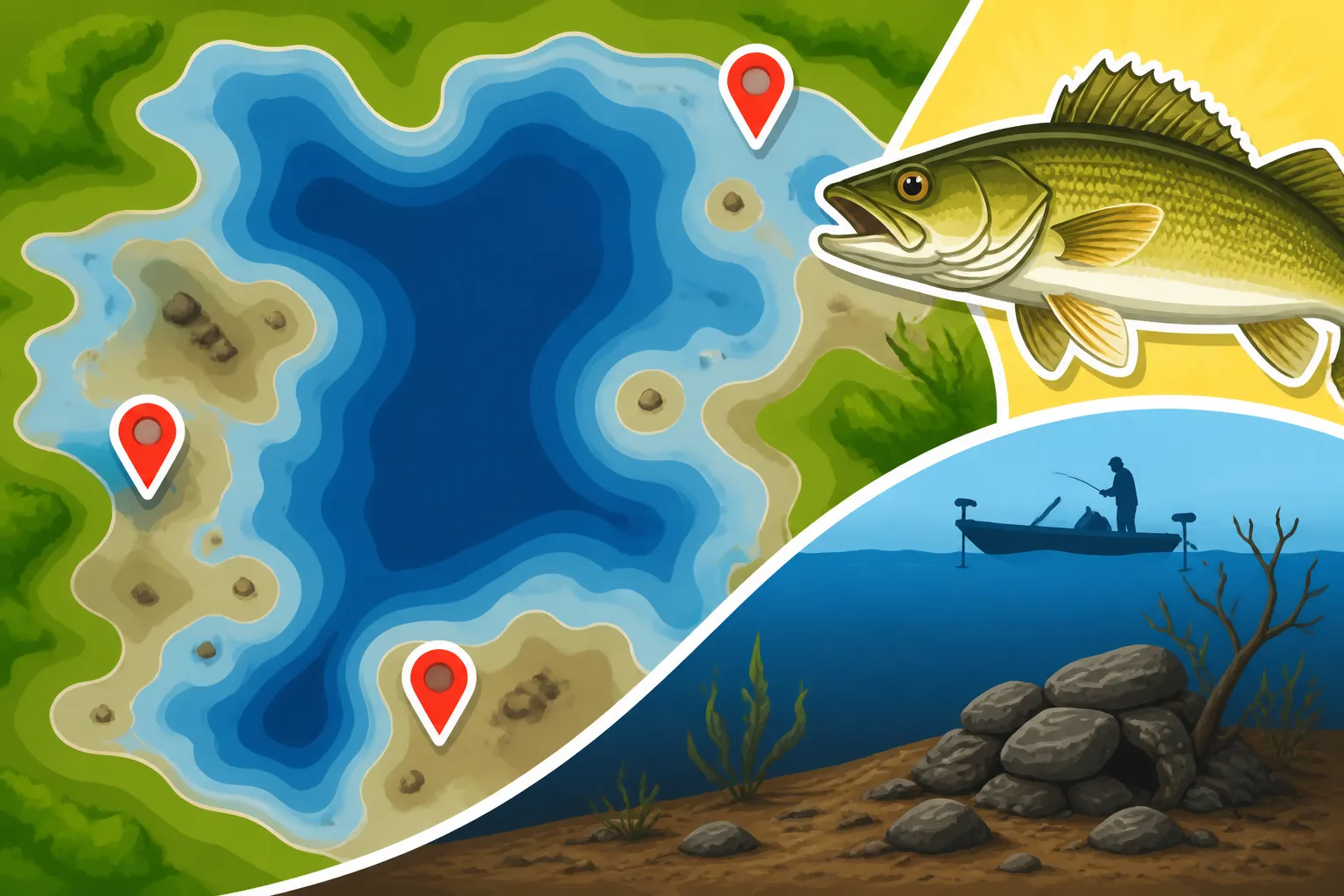
Mille Lacs Lake Map: Mud Flats & Structure
There's nothing quite like the vastness of Mille Lacs Lake, is there? You stare out at those 132,000 acres of water, and it's easy to feel utterly overwhelmed. Where do you even begin to look for fish? The sheer scale of it can be daunting, but the key to unlocking its secrets lies beneath the surface – in understanding its intricate mud flats and hard structure. This guide is here to demystify Mille Lacs' underwater topography, helping you pinpoint those crucial fish-holding areas and turn your next trip into a success.
Understanding Mille Lacs Lake's Unique Geography and Formations
Mille Lacs isn't just a big bowl of water; it's a dynamic, complex ecosystem with a fascinating geological history that has shaped its incredible fishing. Knowing a bit about why the lake looks the way it does on your map can give you a massive advantage in understanding where the fish will be and when.
The Glacial Legacy: Shaping the Depths
Our beloved Mille Lacs Lake is a true masterpiece of glacial action. Thousands of years ago, massive ice sheets carved out this basin, leaving behind a unique blend of deep trenches, expansive shallow areas, and scattered boulders. As the glaciers receded, they deposited vast amounts of sediment, forming the massive mud flats that are so characteristic of the lake. They also scoured bedrock in other areas, leaving us with rocky reefs and gravel points. This isn't just ancient history; it directly impacts how fish behave today. Walleyes, smallmouth bass, and perch relate to these features in very specific ways, using them for forage, cover, and spawning. Think of the glaciers as the original architects, and the fish as the residents who've learned every nook and cranny.
Why Structure Matters So Much on Mille Lacs
On a lake as large and relatively uniform in depth as Mille Lacs (with an average depth around 20-30 feet and a maximum of 42 feet), "structure" isn't just a buzzword; it's the lifeline for fish. Structure refers to any change in the bottom contour or composition. This could be a sudden depth change, a transition from soft mud to hard rock, or even submerged vegetation. For a walleye, a subtle rise in the mud flat might be all it needs to ambush baitfish. For a smallmouth, a pile of boulders offers the perfect hiding spot and hunting ground. Without these changes, fish would simply scatter randomly across the lake, making them impossible to find consistently. Understanding and identifying these structural elements, whether using your electronics or a detailed lake map like a Navionics or LakeMaster chip, is the absolute foundation of successful fishing here.
Breaking Down the Mud Flats: What They Are and Why They're Key
Mille Lacs is perhaps most famous for its vast, fertile mud flats. These aren't just featureless expanses; they are complex feeding grounds, especially for walleyes. Learning to read and fish these areas effectively is a true skill that pays off immensely.
The Subtle World of Soft Bottoms
When we talk about mud flats on Mille Lacs, we're talking about huge areas of relatively soft, silty, or sandy bottom that often span miles. These flats might only have subtle depth changes, perhaps rising or falling a mere foot or two over a quarter-mile distance. But don't let their subtle nature fool you; these slight variations are critical. These soft bottoms are teeming with invertebrate life – insects, worms, and small crustaceans – which in turn attract an abundance of baitfish like tullibees and perch. Walleyes cruise these flats, particularly during low-light conditions or specific seasons, gorging on the readily available forage. They blend in with the bottom, making them masters of ambush in these open-water cafeterias. It can feel like fishing a giant hayfield, but with the right approach, you'll find the needles.
Key Features and Fishing Strategies for the Flats
Within these vast mud flats, specific features act as magnets for fish. Look for:
- Subtle Humps and Ridges: Even a 2-foot rise can concentrate baitfish and predatory walleyes. These act as staging areas.
- Deep Water Edges: Where the flat meets a deeper basin or trough, walleyes will often patrol, moving up onto the flat to feed.
- Harder Bottom Patches: While mostly mud, you'll occasionally find areas with a slightly firmer bottom composition, often mixed with gravel. These transitions are crucial.
- Scattered Rocks/Boulders: Sometimes glaciers left behind isolated rocks on the flats. These small pieces of cover offer immediate ambush points.
Fishing the mud flats typically involves covering a lot of water. Trolling with crankbaits or spinner rigs is a classic approach, allowing you to present your bait to a wide area and identify active schools. Consider a classic bottom bouncer and crawler harness setup, which is deadly for covering ground while keeping your bait near the bottom. Drifting with Lindy Rigs using live bait like jumbo leeches or shiners is another highly effective technique, especially when you're trying to pick off scattered, finicky fish. On calm days, sometimes you need to slow down and really "feel" the bottom. Using a service like FishingBooker to hire a guide who specializes in Mille Lacs mud flat fishing can give you a huge leg up, as they often have years of experience reading the subtle nuances of these massive areas.
Navigating Reefs, Rock Piles, and Other Hard Structure
While the mud flats are king for many, Mille Lacs also boasts an incredible array of hard structure that holds fish year-round. These rocky havens offer different opportunities and require slightly different tactics.
The Allure of Rock and Gravel
Hard structure on Mille Lacs includes everything from massive reefs that rise steeply from the surrounding depths to isolated rock piles and gravel bars. These features are generally found in shallower to mid-depth areas, often peaking anywhere from 5 to 25 feet. What makes them so attractive to fish?
- Cover and Ambush Points: Rocks provide immediate shelter from current, sun, and predators, while also offering perfect spots for predators like walleye and smallmouth bass to hide and ambush passing baitfish.
- Forage Diversity: Algae grows on rocks, attracting invertebrates, which then attract baitfish. Crayfish also thrive in rocky environments, providing a crucial food source, especially for smallmouth.
- Oxygen and Temperature: Hard structure often creates currents and upwellings that can bring in oxygenated water or hold specific thermal layers, making them comfortable for fish.
Some of the most well-known hard structures include the famous "gravel bars" like those off Garrison, or the "red rocks" areas that smallmouth bass absolutely adore. Don't forget the prominent deep reefs like the 8-Mile and 9-Mile reefs, which consistently hold walleyes, especially during the summer months when they move to deeper, cooler water.
Tactics for Attacking Hard Structure
Fishing hard structure demands precision and often a more vertical presentation than fishing the flats.
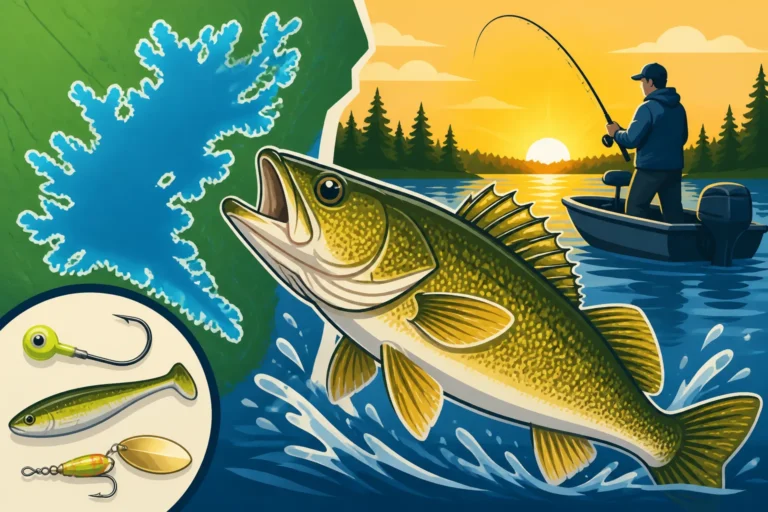
- Jigging: This is king on rocky reefs and rock piles. A jig and minnow or a jig and plastic combination is incredibly effective. You can vertically jig directly over fish you see on your sonar, or cast and retrieve, feeling for rocks and subtle bites. Many anglers swear by the "snap jigging" technique on Mille Lacs, which can really trigger reaction bites.
- Slip Bobbers: When fish are suspended over the top of a reef or cruising its edges, a slip bobber with a leech or a shiner can be deadly. It presents the bait naturally and allows you to keep it in the strike zone for extended periods. This is often an excellent choice for panfish too, which can be found around some of these rocky areas.
- Crankbaits (Casting/Trolling): For reefs that taper off gently or have distinct weed lines nearby, casting shallow-diving crankbaits can be fantastic, especially for bass. Deeper diving crankbaits can be trolled along the edges of larger reefs.
Remember, boat control is paramount here. Using your trolling motor to stay on top of a reef or meticulously work its edges will make all the difference. Modern electronics, especially side imaging and forward-facing sonar, are incredible for spotting these isolated rock piles or groups of fish relating to a specific boulder on a reef. To really hone your skills, consider a trip with a guide from FishingBooker who can show you the ropes on these challenging but rewarding spots.
Putting It All Together: Fishing Strategies for Mille Lacs Structure
Successfully fishing Mille Lacs isn't about choosing one type of structure; it's about understanding how to use them together and adapt to changing conditions. The lake is a living, breathing body of water, and the fish are constantly on the move.
Interpreting Your Electronics: Your Underwater Eyes
Your fish finder is your absolute best friend on Mille Lacs. Without good electronics, you're essentially fishing blind on such a massive lake.
- 2D Sonar: This is your bread and butter for seeing fish directly under your boat, identifying bait balls, and seeing how deep the bottom is. Look for arches (fish!), bait clouds, and changes in bottom hardness (a thicker line often means harder bottom).
- Down Imaging/Side Imaging: These technologies give you a photographic-like view of the bottom. Down Imaging is great for seeing structure directly below, while Side Imaging allows you to scan wide areas to the left and right of your boat, revealing rock piles, subtle humps, and even fish relating to them that you might have otherwise missed. This is especially useful on the vast mud flats where subtle changes are key.
- GPS Mapping: Modern GPS lake maps (like those from Humminbird LakeMaster or Navionics) are invaluable. They show detailed contours, identify known reefs, and allow you to mark waypoints for productive spots or navigate safely. You can mark a specific "spot on the spot" where you caught fish or saw significant structure.
Learning how to read a flasher, like those made by Vexilar or Humminbird, is also critical, especially for ice fishing on Mille Lacs. It provides real-time feedback on what's directly beneath your hole.
Seasonal Patterns and Adaptability
Fish on Mille Lacs relate to structure differently throughout the year.
- Spring (Post-Spawn): After the walleye opener, fish are often transitioning from spawning grounds to feeding areas. Shallow reefs, rocky points, and the edges of flats where baitfish are abundant become hotspots. Check out our guide on Early Season Walleye After the Opener for more specific tactics.
- Summer: As water temperatures rise, many walleyes and smallmouth bass move to deeper hard structures, like the deep reefs and humps in the middle of the lake, or they will scatter across the expansive mud flats. Understanding Summer Walleye Patterns: Deep Structure will be essential for success. They'll also use areas of submerged vegetation if present.
- Fall: During the fall turnover, fish can be anywhere. As water cools, they often move back to shallower rocky areas to feed aggressively before winter. Big walleyes especially will gorge on forage on the flats. Our article on Fall Walleye Fishing: Turnover & Cold Water offers great tips for this transition period.
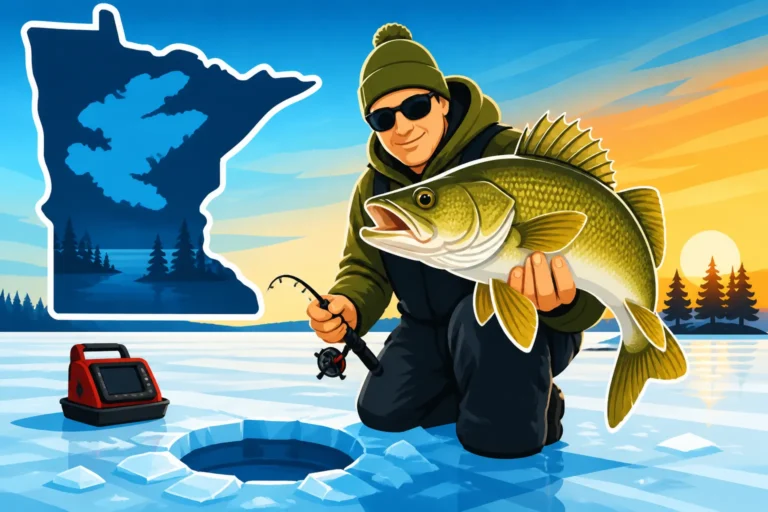
- Winter (Ice Fishing): Ice fishing on Mille Lacs is legendary. Walleyes will still relate to the mud flats, especially the edges and subtle rises, but also to prominent reefs. Deep water adjacent to shallower feeding areas is often key. You can find more detail on Ice Fishing for Walleye: Tactics & Setups.
The absolute best advice for Mille Lacs is to be adaptable. If one spot isn't producing, don't be afraid to move and try a different type of structure or depth. Pay attention to what the fish are telling you. Your tackle box should be equipped with a variety of lures and baits that can handle both deep and shallow, soft and hard bottom presentations. For walleye, this might mean having a good selection of jigs, crankbaits, and live bait like minnows, leeches, and nightcrawlers (check out Best Live Bait for Walleye (Leeches, Minnows, Crawlers) for more info).
Pro Tips for Mille Lacs Structure Fishing
- Start Small: Don't try to fish the entire lake at once. Pick a specific section, like the north end or the south end, and really learn its contours.
- Waypoint Everything: Found a nice rock pile? Marked a school of fish? WAYPOINT IT! Even if you don't catch anything, it builds your knowledge base.
- Observe and Learn: Watch other boats. Are they all clustered on a certain hump? Are they trolling or jigging? While you should fish your own style, paying attention can offer clues. Many top guides from FishingBooker share their daily reports, giving you a general idea of what's working.
- Check the Regulations: Mille Lacs has unique and often changing regulations, especially for walleye. Always double-check the current Mille Lacs Walleye Regulations (2026) before you go to avoid any issues.
- Consider a Guide: Especially for your first few trips, a local guide is an invaluable resource. They can show you the hotspots, teach you specific techniques for the lake, and help you understand how to read the complex structure. Many fantastic guides are available through platforms like FishingBooker, offering tailored experiences from Mille Lacs Walleye Fishing: Tips & Best Spots to targeting Mille Lacs Smallmouth Bass: World-Class Fishery.
| Structure Type | Description | Best for Species | Typical Fishing Depth | Key Techniques |
|---|---|---|---|---|
| Mud Flats | Vast, soft bottom areas with subtle humps/ridges | Walleye, Perch | 15-30 feet | Trolling crankbaits, Lindy rigging, Bottom Bouncing |
| Rocky Reefs/Humps | Hard bottom elevations rising from deeper water | Walleye, Smallmouth | 10-25 feet (peaks) | Jigging, Slip Bobbers, Casting crankbaits |
| Isolated Rock Piles | Small clusters of boulders on otherwise flat bottom | Walleye, Smallmouth | 5-30 feet | Vertical jigging, Slip Bobbers, Careful scanning |
| Gravel Bars | Shallower, harder bottom areas with mixed gravel | Walleye, Smallmouth | 5-15 feet | Trolling shallow cranks, Jigging, Casting |
| Shoreline Breaks | Steep drops near the shore, often rocky or sandy | Smallmouth, Walleye | 5-20 feet | Casting jigs/cranks, Slip Bobbers (especially early season) |
Understanding the mud flats and hard structure of Mille Lacs Lake is a journey, not a destination. Each trip brings new lessons, but by focusing on these key underwater features and employing the right strategies, you'll dramatically increase your chances of finding and catching fish on this incredible body of water.
Disclaimer
Fishing regulations, seasons, and limits can change frequently. Always consult the most current Minnesota Department of Natural Resources (DNR) regulations before heading out on the water. This guide is for informational purposes only and does not constitute legal advice.