Lake Waconia Fishing Report & What’s Biting
Trying to figure out what's biting on a specific lake, especially one as popular and dynamic as Lake Waconia, can feel like a constant battle against outdated information. You scroll through old forums, see reports from last month, or stumble upon vague mentions that don't help you plan today's or this weekend's trip. This guide cuts through that noise, offering a comprehensive, realistic look at Lake Waconia's current fishing scene and what you can expect to reel in right now.
Understanding Lake Waconia's Fishery Dynamics
Lake Waconia, located just southwest of Minneapolis, isn't just a pretty face; it's a bustling hub for anglers, boasting a diverse and healthy fishery. It's a larger, shallower lake with plenty of varying structure, which makes it a fantastic place to fish for multiple species. But its dynamic nature means understanding the lake itself is the first step to a successful outing.
Key Species and Lake Structure Insights
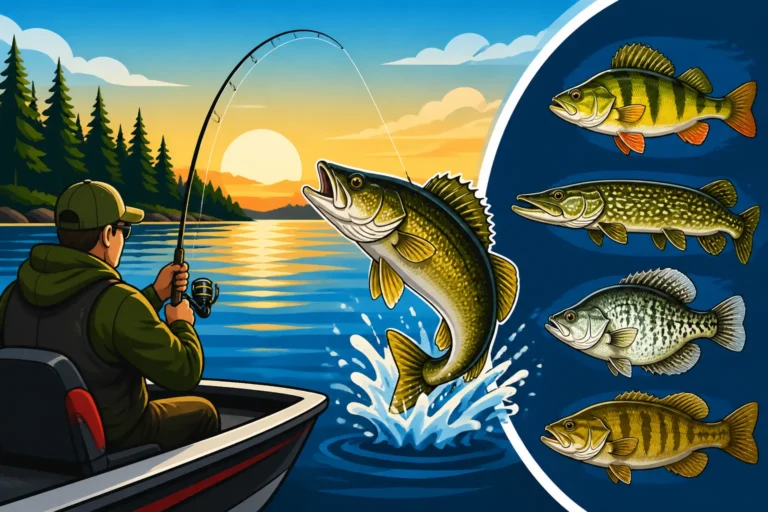
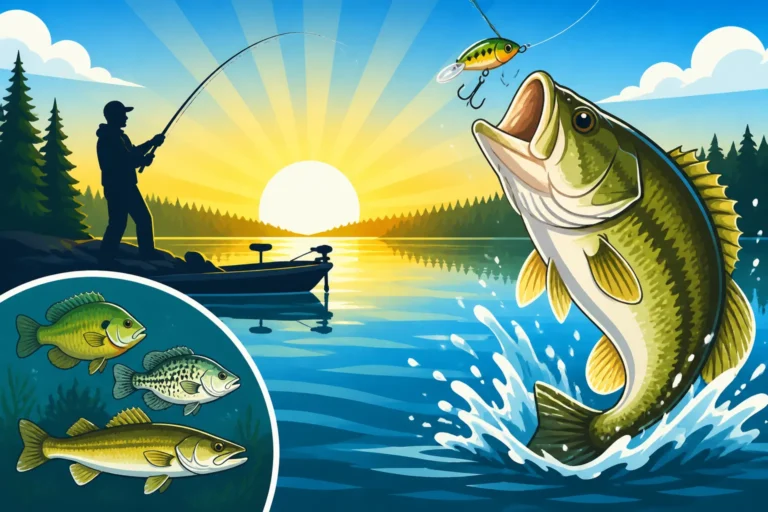
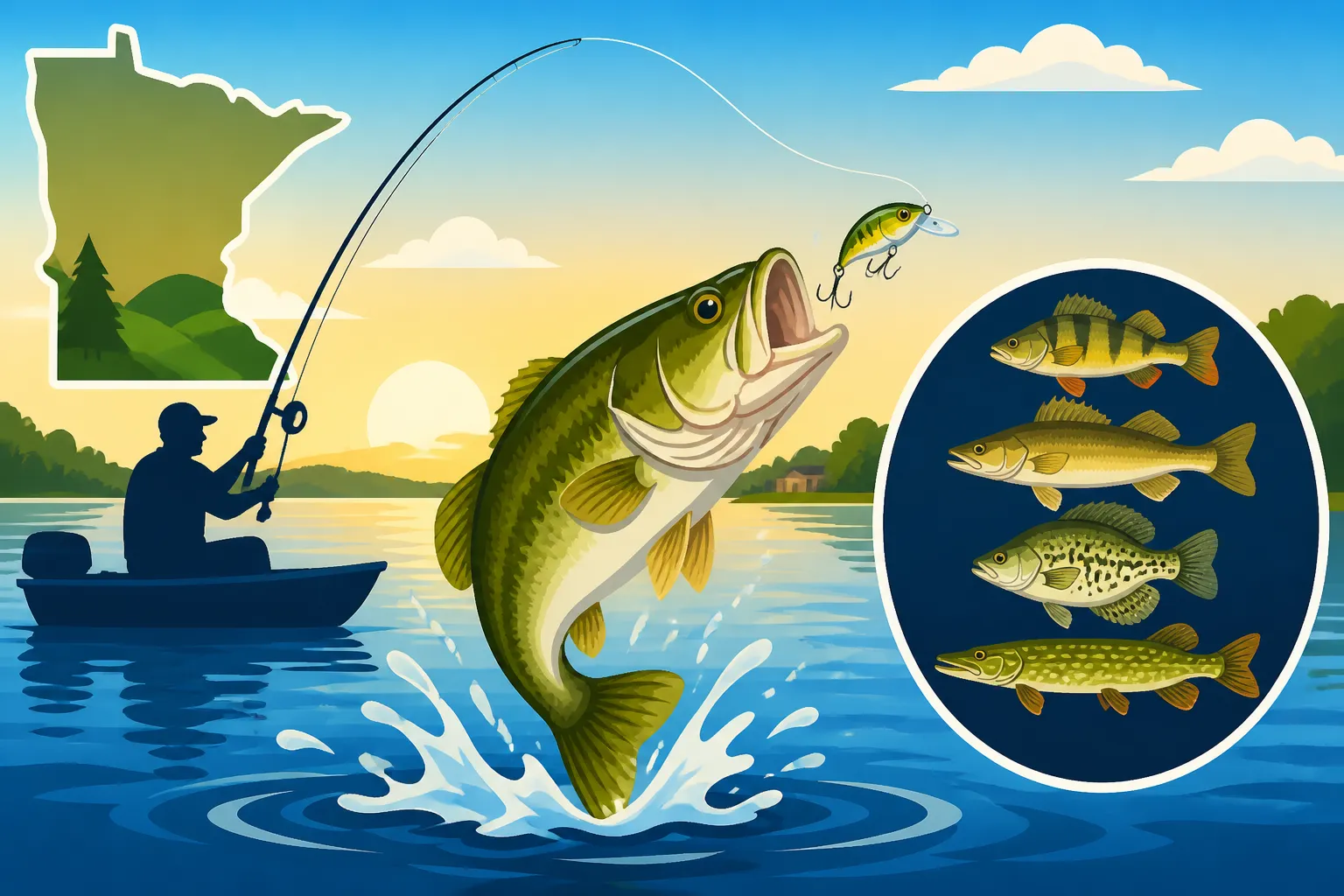
Lake Waconia is renowned for several key species, each seeking out particular types of structure throughout the year. Knowing what to target and where they typically hang out is half the battle.
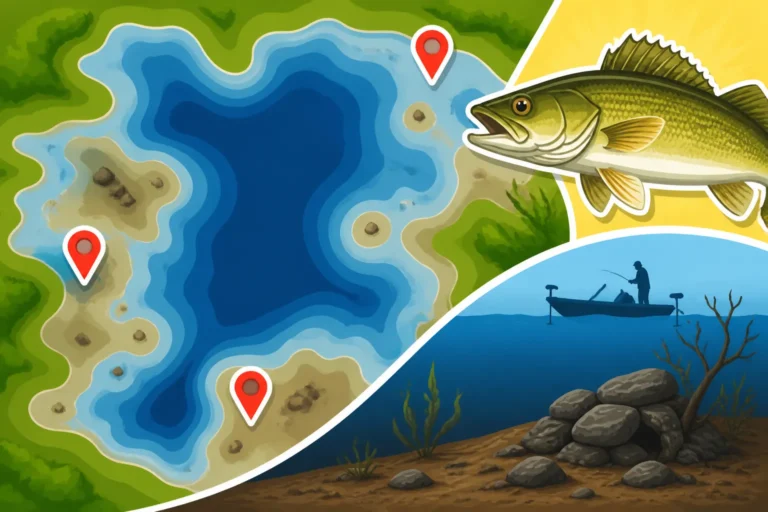
- Walleye: While often overshadowed by Minnesota's northern giants, Lake Waconia holds a solid population of walleye, with many anglers finding respectable keepers and even trophy fish. They tend to relate to deeper breaks, main lake points, and the edges of weed lines, especially where hard bottom meets softer sediment. The lake's unique structure, including its deeper basin areas and submerged islands, provides excellent walleye habitat. Pay particular attention to the drop-offs near reefs or sudden depth changes, as these are classic ambush points.
- Crappie and Sunfish: These panfish are abundant and provide fantastic action, especially for families or those looking for a consistent bite. Crappies often suspend over deeper water or school up around submerged brush piles, docks, and thicker weed edges. Sunfish, including impressive bluegills, are typically found in shallower, vegetated bays and around docks or fallen timber. They are less prone to suspending than crappies, preferring to hug cover.
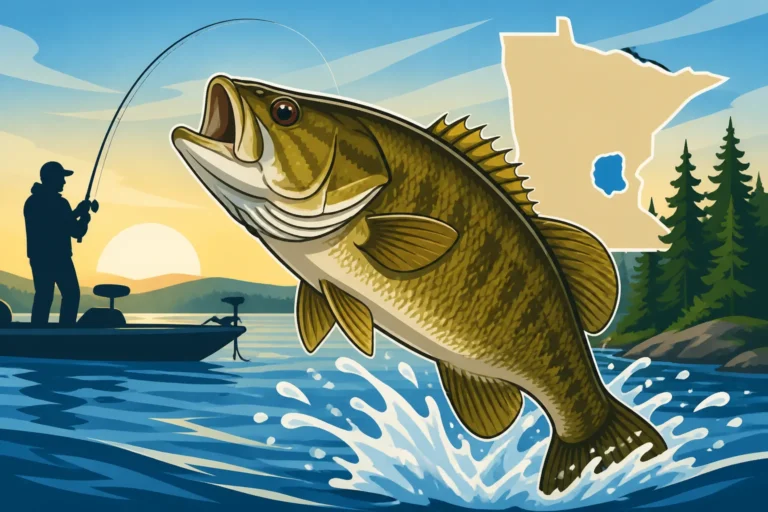
- Largemouth Bass: Lake Waconia is a prime largemouth bass lake, offering exciting topwater action in the warmer months. These fish are masters of ambush, preferring dense cover like lily pads, reed beds, emergent weeds, and docks. They'll also patrol shallow rocky areas and submerged wood. The numerous bays and shallower areas of the lake provide ideal habitat for largemouth.
- Northern Pike: Pike are present throughout the lake, often found lurking in the same weed lines and breaklines as bass and walleye, though they prefer slightly cooler water temperatures. They are opportunistic predators, often found cruising the edges of expansive weed flats or near sudden drop-offs where they can ambush baitfish. There are opportunities for both hammer handles and larger, respectable pike here.
Seasonal Fishing Shifts and Fish Behavior
Like all Minnesota lakes, Lake Waconia's fish behavior is heavily influenced by the seasons. What works in spring won't necessarily work in late summer, and knowing these shifts is critical.
- Spring Transition: After the ice melts, fish are shallow, hungry, and often looking to spawn. Walleye move to shallower rocks and sand flats, while crappies flock to shallow bays and channels. Largemouth bass will be in pre-spawn mode, staging near spawning flats. This is a fantastic time for aggressive jigging or slow-rolling crankbaits.
- Summer Patterns: As water temperatures rise, fish spread out. Walleye often move to deeper main lake structures, mud flats, or the outer edges of weed lines. Panfish might suspend or hold tighter to deeper weed beds. Largemouth bass continue to dominate the shallow, weedy cover, and topwater action can be incredible. Trolling with crankbaits or using bottom bouncers and crawler harnesses are excellent tactics for deeper-holding walleye.
- Fall Feeding Frenzy: This is a magical time for many species as they pack on weight for winter. Fish can be found both shallow and deep, often following baitfish schools. Walleye might move back to shallower main lake points during low light. Crappies can be found in deeper holes or tight to structure. Large northern pike become more active as water cools. Jigging raps, large spoons, and aggressive jerkbaits can be highly effective.
- Winter Ice Fishing: Lake Waconia is a popular ice fishing destination. Walleye can be found on main lake humps, points, and deep breaklines. Panfish typically school up in deeper basins or around established weed edges and submerged brush. Pike are often caught on tip-ups set along weed lines or sharp drop-offs. Understanding How Many Lines Can You Use Ice Fishing in Minnesota? is crucial here, as it differs from open water.
Current Lake Waconia Fishing Report What's Biting Now (Early Summer)
As we swing into early summer, the fishing on Lake Waconia is heating up! The water temperatures are comfortable, the fish are active, and there's a good bite to be found if you know where to look. While conditions can change daily with weather fronts, here's a snapshot of what anglers are reporting and what patterns are generally holding true.
Walleye Hotspots and Current Tactics
The walleye bite on Lake Waconia has been consistent, though you'll need to adapt to changing light conditions and boat traffic. The fish are transitioning from their shallower post-spawn hangouts to more traditional summer structures.
Anglers are finding walleye primarily on the deeper sides of weed lines, especially in the 12-18 foot range. Look for areas where healthy green weeds meet a sharp drop-off to soft bottom or a transition to hard gravel. The edges of the main lake points and the deeper fringes of the large mud flats, like those near the center of the lake, are also holding fish. A reliable strategy has been using a classic jig and minnow or a jig and plastic combination, especially during low light conditions in the mornings and evenings. Gold, orange, and chartreuse jigs have been productive. For those willing to troll, smaller crankbaits in perch or natural baitfish patterns pulled along these same breaklines at 1.5-2.0 mph are picking up active feeders. Don't be afraid to experiment with a slip bobber rig over deeper weed pockets or rock piles if you mark fish suspending. If you're looking for a guide to help you pinpoint these spots, checking out services like FishingBooker can connect you with local experts who know the subtle nuances of Waconia's walleye movements.
Panfish Bonanza Crappie and Sunfish
Crappies and sunfish are providing fantastic action for anglers of all skill levels, making Lake Waconia a true panfish paradise right now.
Crappie: The crappie bite is strong, with many fish still holding in the 8-12 foot range, often suspending over slightly deeper water near submerged brush piles or along the deeper edges of the larger weed beds. Early mornings and late evenings are prime times, but overcast days can extend the bite. Small jigs tipped with a crappie minnow or tiny plastic tails (like a Northland Tackle Impulse Smelt Minnow) under a bobber have been deadly. Look for brush piles marked on your electronics or visible structure along the shoreline. Remember, crappies are notorious for schooling, so if you catch one, there are likely more below.
Sunfish (Bluegill): Big bluegills are plentiful in the shallow, weedy bays. Target docks, lily pads, and areas with dense emergent vegetation in 4-8 feet of water. A small worm piece, waxworm, or Gulp! bait on a tiny jig or fly under a sensitive bobber is almost guaranteed to get bites. Patience is key when working these shallow areas, and a stealthy approach will lead to more hookups.
Bass and Pike Action
For those seeking hard-fighting predators, Lake Waconia's largemouth bass and northern pike are offering exciting opportunities.
Largemouth Bass: The largemouth bite is absolutely on fire, especially in the early mornings and evenings. They are holding tight to shallow cover: think lily pad fields, dense cabbage beds, and man-made structures like boat lifts and docks. Topwater lures like hollow-body frogs (e.g., Livetarget Hollow Body Frog) and poppers are producing explosive strikes over matted vegetation. When the sun gets higher, switch to weedless Texas-rigged plastics or wacky worms fished into the thicker cover. The many bays and shallower flats around the lake's perimeter are prime bass territory.
Northern Pike: Pike are active and aggressive, patrolling the same weed lines and breaklines as the walleyes and bass. Trolling larger spoons or crankbaits along the outer weed edges in 10-15 feet of water can pick up some nice pike. Casting spinnerbaits or jerkbaits into pockets within the weed beds is also effective. Don't be surprised to hook into a pike while targeting walleyes or bass; they're everywhere! If you're specifically targeting pike, consider using a steel leader to prevent bite-offs.
| Species | Current Location (Early Summer) | Best Baits/Lures | Key Tactics |
|---|---|---|---|
| Walleye | Deeper weed edges (12-18 ft), main lake points, mud flat fringes | Jig & minnow/plastic, small crankbaits (perch/natural) | Jigging, slow trolling, slip bobber |
| Crappie | Suspending over deeper water (8-12 ft), brush piles, weed edges | Tiny jigs + minnows/plastics, micro-jigs | Bobber fishing, vertical jigging, slow retrieve |
| Sunfish | Shallow bays (4-8 ft), docks, lily pads, emergent weeds | Small worms, waxworms, Gulp! bait, tiny jigs | Bobber fishing, sight fishing |
| Largemouth | Lily pads, dense cabbage, docks, shallow rock | Topwater frogs/poppers, Texas-rigged plastics | Casting, flipping, pitching, topwater |
| Northern Pike | Outer weed lines (10-15 ft), pockets in weed beds | Larger spoons, spinnerbaits, jerkbaits, crankbaits | Trolling, casting |
Essential Gear and Tips for Lake Waconia Anglers
Having the right equipment and knowing a few tricks can significantly improve your success rate on Lake Waconia. From rod choices to reading the water, every detail can make a difference.
Recommended Baits and Lures
For Lake Waconia, versatility is your friend. Carry a range of options to adapt to different species and conditions.
- Live Bait is King (Often): For walleye, a good supply of shiner minnows or fatheads is always a smart move. Leeches are incredibly effective in summer, especially on a Lindy Rig, and nightcrawlers can catch almost anything. For panfish, small crappie minnows, waxworms, or spikes are reliable. Check with local bait shops like Westons Bait & Tackle or Lake Waconia Bait & Tackle for the freshest stock and the most up-to-date local recommendations; they'll tell you what's working best.
- Artificial Versatility:
- Jigs: From 1/16 oz panfish jigs to 1/4 oz walleye jigs, carry a variety. Colors like chartreuse, white, orange, and natural dark colors are staples. Pair them with soft plastics like paddletails, grubs, or minnow imitators.
- Crankbaits: Medium-diving crankbaits in natural perch, shad, or firetiger patterns are great for trolling walleye or casting for pike and bass. Brands like Rapala (Shad Raps) or Berkley (Flicker Shads) are popular choices.
- Topwater: For bass, a few frog imitations and poppers are a must-have for shallow, weedy areas. Try a hollow-body frog over thick pads to draw explosive strikes.
- Spinnerbaits/Jerkbaits: Excellent for aggressive pike and bass in weedier cover or along breaklines. Consider ChatterBaits for largemouth bass as well.
Maximizing Your Catch Techniques and Electronics
Modern angling combines traditional skill with technology. Utilizing both will give you an edge on Lake Waconia.
- Understanding Your Electronics: A quality fish finder is almost non-negotiable for finding structure and fish on a lake of Waconia's size. Look for humps, submerged points, hard bottom transitions, and baitfish schools. GPS mapping is invaluable for marking hotspots and navigating. Whether you're using a Humminbird, Garmin, or Lowrance, spend time learning how to interpret the sonar returns. For deeper diving into what's available, you might want to read our guide on Best Fish Finders & Electronics for Minnesota Fishing.
- Effective Walleye Strategies: Beyond basic jigging, consider slow trolling with bottom bouncers and spinner rigs (like a Northland Tackle Butterfly Blade Rig) tipped with nightcrawlers along contours. This allows you to cover water effectively. On calm evenings, a stealthy approach with slip bobbers and leeches or minnows over known rock piles can be incredibly productive.
- Panfish Precision: For crappies, watch your electronics for suspended schools, then use a vertical presentation with small jigs or spoons. For sunfish in thick weeds, a long panfish rod with a sensitive tip will help you feel those subtle bites.
- Bass and Pike Power Fishing: For largemouth, master pitching and flipping into heavy cover. For pike, cover water with casting large spoons or spinnerbaits, targeting weed edges and points. These species often respond well to aggressive retrieves.
Planning Your Lake Waconia Fishing Trip
A successful fishing trip involves more than just lures and techniques; it's also about preparation and knowing where to go and who to talk to.
Public Access Points and Local Amenities
Lake Waconia offers good public access and a few local spots to get your gear and bait.
- Public Boat Launches: The primary public access is located on the northwest side of the lake, right off Highway 5. It has ample parking and multiple launch lanes. There's also a smaller launch on the south side of the lake near the City of Waconia, offering another option depending on where you're staying or want to fish. Always ensure your boat is clean and drained to comply with Aquatic Invasive Species (AIS) Rules for Boaters before launching or leaving.
- Bait Shops: Before you hit the water, always stop at a local bait shop. Westons Bait & Tackle in nearby Victoria is a long-standing institution, and Lake Waconia Bait & Tackle in Waconia itself are excellent resources. Not only do they have fresh bait and tackle, but their staff often have the most current, real-time fishing reports directly from anglers who've just come off the water. This local intel is golden!
- Lodging and Dining: The city of Waconia offers various dining options and some lodging. If you're planning a multi-day trip, consider looking into local resorts or Airbnb options for a comfortable stay.
Consulting Local Resources and Regulations
Staying informed about local conditions and regulations is paramount for a responsible and enjoyable fishing experience.
- DNR Regulations: Always check the current Minnesota DNR fishing regulations for Lake Waconia before you head out. Regulations, especially bag and possession limits, can change annually or even mid-season for specific species like walleye. You can find detailed information, including specific lake regulations, on the DNR website or by picking up a physical copy of the regulations handbook. Understanding statewide rules, such as Minnesota Fishing Seasons & Opener Dates (2026) and Minnesota Fishing Limits: Bag & Possession (2026), is your responsibility as an angler.
- Online Forums and Social Media: While sometimes hit-or-miss, local fishing groups on Facebook or dedicated Minnesota fishing forums can provide recent snippets of information and photos from other anglers. Just remember to take everything with a grain of salt and cross-reference with more reliable sources like bait shops.
- Local Fishing Guides: For a truly immersive and educational experience, consider hiring a local fishing guide. They spend countless hours on the water, know the lake intimately, and can put you on fish quickly while teaching you effective techniques. Services like FishingBooker allow you to find and book experienced local guides for Lake Waconia, offering tailored trips for walleye, bass, or panfish. A guide can significantly shorten your learning curve and make your trip incredibly productive. Don't forget, you'll still need your Minnesota Fishing License: Cost, Types & How to Buy (2026) even with a guide!
Disclaimer
Fishing conditions, regulations, and fish behavior are subject to frequent change due to weather, environmental factors, and management decisions by the Minnesota Department of Natural Resources. Always consult the most current official Minnesota DNR fishing regulations before heading out. This guide provides general information and recommendations based on typical patterns and available public knowledge.