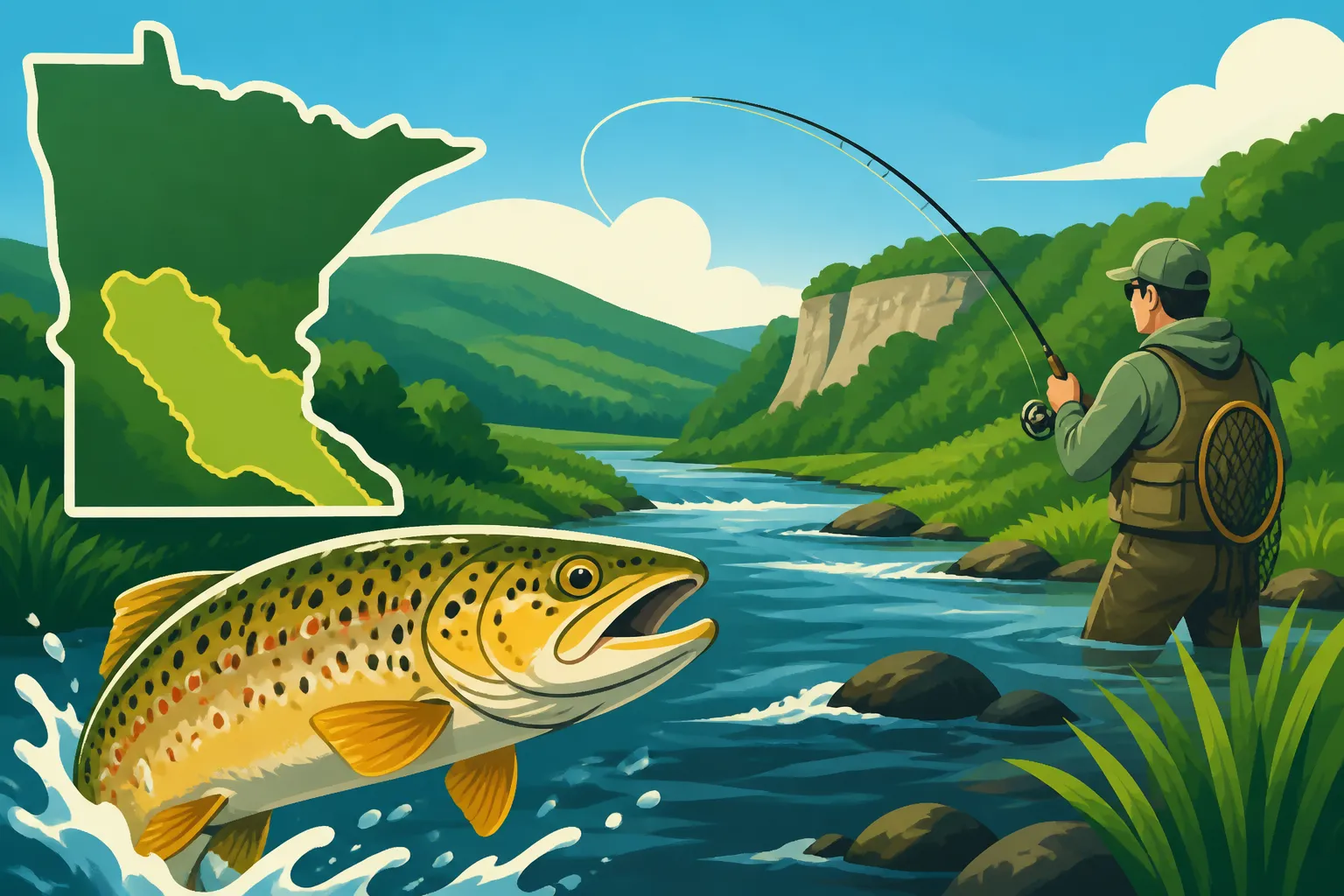
Driftless Area Trout Streams (Southeast Minnesota)
There's a special kind of magic that happens when you're searching for trout, a quest that often feels as much about the journey and the wild places you explore as it is about the fish itself. For many anglers, the thought of pristine, coldwater streams conjures images of distant mountain ranges, but here in Minnesota, we have our own hidden gem: the Driftless Area. If you've ever felt frustrated by overcrowded lakes or yearned for the tranquility of a winding creek filled with beautiful, wild trout, this guide is your entry ticket to understanding and experiencing the incredible trout streams of Southeast Minnesota's Driftless region.
What Exactly is the Driftless Area?
Before we dive into fishing spots and techniques, it's really helpful to understand why the Driftless Area is such a unique and prolific trout fishery. It's not just a name; it describes a geological wonder that sets this region apart from much of the Midwest.
A Geological Marvel Explained
Imagine a vast, ancient landscape that somehow escaped the crushing, scraping power of the last ice age. While glaciers bulldozed and flattened much of Minnesota, leaving behind fertile plains and countless lakes, a significant pocket in the southeastern corner, extending into Wisconsin, Iowa, and Illinois, remained untouched. This is the "Driftless Area," so named because it lacks the glacial "drift" (deposits of rock and sediment) that defines the surrounding terrain. Instead, you'll find a landscape of deeply carved river valleys, towering limestone bluffs, and intricate networks of spring-fed streams.
These deep valleys were formed over millions of years by the slow erosion of water, creating a stunning topography unlike anywhere else in the state. The limestone bedrock acts like a natural filter, allowing groundwater to percolate through, emerging as consistently cold, clean springs. These constant temperature springs are the lifeblood of the Driftless, providing the perfect conditions for trout. The cold water is rich in oxygen, essential for trout survival, and the consistent flow maintains stable habitats even during dry spells. You can almost feel the history under your feet as you wade these ancient waters.
Why It's Perfect for Trout
The unique geology of the Driftless Area creates an ideal environment for trout, transforming these streams into vibrant aquatic ecosystems. The consistent flow of cold, oxygen-rich spring water is paramount. Trout, especially native brook trout and wild brown trout, thrive in water temperatures that rarely exceed the mid-60s Fahrenheit. The springs keep the water cool even on the hottest summer days, preventing thermal stress that can devastate trout populations in other regions.
Furthermore, the limestone bedrock doesn't just filter the water; it also contributes to its alkalinity, which fosters a rich invertebrate life. This means a buffet of insects for the trout – caddisflies, mayflies, stoneflies, scuds, and more – forming the base of a healthy food web. The stream beds themselves offer a diverse habitat of gravel riffles for spawning, deeper pools for resting, and undercut banks and submerged logs for cover. This combination of stable water temperatures, abundant food, and complex habitat makes the Driftless Area trout streams incredibly productive and resilient, supporting robust populations of both wild and stocked fish.
Understanding the Different Trout Species You'll Encounter
When you head out to the Driftless, you're likely to encounter a few different species of trout, each with its own charm, habits, and fishing challenges. Knowing what you're casting to can greatly improve your success and appreciation for these beautiful fish.
Brown Trout: The Wary & Rewarding Target
Ah, the brown trout. For many fly anglers, these are the ultimate prize in the Driftless. Originally from Europe, brown trout have adapted incredibly well to the spring creeks and rivers of Minnesota. They are often the most common wild trout you'll encounter in the larger, more developed streams of the Driftless, growing to impressive sizes. A 16-inch brown trout from one of these creeks is a magnificent fish, and specimens pushing 20 inches are certainly possible, though they are notoriously cunning.
Brown trout are incredibly wary, masters of camouflage, and often hold in deeper pools, under undercut banks, or near submerged structure, darting out to feed on insects or small baitfish. Their diet is diverse, shifting from aquatic invertebrates to terrestrial insects, and even small sculpins or minnows as they grow larger. This makes them a fascinating target for various How to Catch Stream Trout: Nymphs & Dries techniques, from delicate dry fly presentations to stripping streamers. They are also known for their incredible fight, often making powerful runs and acrobatic jumps when hooked. Catching a wild Driftless brown trout is a truly rewarding experience, one that speaks volumes about your stealth and presentation skills.
Brook Trout: Minnesota's Native Gems
If you're looking for true native beauty, the brook trout is your fish. These are the only trout species indigenous to Minnesota, and they are absolutely stunning with their vibrant colors – dark green backs, speckled sides with red and blue spots, and white-edged fins. While typically smaller than brown or rainbow trout, often ranging from 6 to 10 inches in the Driftless, they make up for it in sheer beauty and the pristine environments they inhabit.
Brook trout are indicator species; they thrive only in the coldest, cleanest, most oxygenated water. This means you'll often find them in the headwaters of streams, smaller tributaries, or in stretches where spring flow is most dominant. They can be less selective than brown trout, sometimes eagerly rising to dry flies or readily hitting small nymphs. Finding a stream with a healthy population of wild brook trout means you've stumbled upon a truly special piece of nature. These fish are a testament to the ongoing conservation efforts in the Driftless.
Rainbow Trout: The Stocked & Spirited Fighters
Rainbow trout, another species introduced to Minnesota waters, are primarily found in the Driftless streams through stocking programs by the Minnesota Department of Natural Resources (DNR). While not native, they provide fantastic angling opportunities, especially for those looking for a spirited fight. They are characterized by a pinkish-red stripe along their side and numerous small black spots. In the Driftless, stocked rainbows can grow quite quickly, often reaching 10-14 inches, and sometimes larger if they survive multiple seasons.
Rainbows tend to be less particular about their habitat than brook or wild brown trout, often tolerating slightly warmer water. This means they can be found in a wider range of stream sections, including those closer to public access points. They are generally aggressive feeders, making them a great target for both fly anglers and spin fishermen using small inline spinners or bait. Their willingness to strike and their energetic runs make them a favorite among many anglers, providing consistent action throughout the season. You'll often find them in stretches that are easily accessible, making them a good option for beginners or those introducing kids to trout fishing.
Top Driftless Area Trout Streams in Southeast Minnesota
The sheer number of trout streams in Southeast Minnesota's Driftless Area can be overwhelming. Each has its own character, challenges, and rewards. Here's a look at some of the most popular and productive areas, alongside a few lesser-known gems. Remember, conditions can change, so always check the latest Minnesota DNR stream reports before heading out.
Preston Area Gems: Root River and its Tributaries
The Preston area, nestled in Fillmore County, is a prime hub for Driftless trout fishing. The Root River system, particularly its South Branch and the numerous tributaries that feed into it, offers an incredible diversity of angling experiences. The town of Preston itself is a welcoming base camp, with easy access to many quality streams.
The South Branch Root River is perhaps the most famous. It's a relatively larger stream compared to many of its feeder creeks, offering good populations of brown trout, both wild and stocked. The river winds through scenic valleys, often paralleled by the Root River State Trail, which provides excellent access for wade fishing. You'll find a mix of riffles, runs, and deeper pools, making it suitable for various techniques. Upstream of Preston, the river narrows and offers more secluded fishing, while downstream it becomes wider. Many sections are designated as "special regulation" waters, so be sure to consult the DNR regulations carefully.
Beyond the main stem, the tributaries truly shine. Forestville Creek, within Forestville/Mystery Cave State Park, is a fantastic option. It's known for its consistent cold water and often holds a mix of brown and brook trout. The state park setting offers beautiful scenery, and its "catch-and-release, artificial lures only" designation helps maintain a healthy population of larger, wilder fish. Other notable tributaries in the Preston vicinity include Watson Creek and Camp Creek, both offering excellent opportunities for wild browns, particularly in their upper reaches. These smaller creeks often require a stealthier approach and more precise casting, but the reward of a wild, stream-born brown trout is well worth the effort.
Lanesboro and Rushford Highlights
Just a stone's throw from Preston, the charming towns of Lanesboro and Rushford also sit amidst an abundance of fantastic trout water. Lanesboro, often called the "B&B Capital of Minnesota," is a popular destination, and for good reason—it's surrounded by prime trout real estate.
Mill Creek, near Lanesboro, is a perennial favorite. It's a gorgeous stream with crystal-clear water, healthy aquatic insect populations, and a strong presence of both brown and brook trout. Certain sections of Mill Creek are designated as "catch-and-release" or "artificial lures only," which helps foster a more robust fishery with larger, more experienced fish. The access is generally good, with numerous public easements, but anglers should always be mindful of private property boundaries. Mill Creek’s varied structure, from faster riffles to gentle glides and deeper holes, provides engaging fishing for all skill levels. You can spend an entire day exploring its winding course, discovering new pockets where trout lie in wait.
Further east, closer to Rushford, you'll find other excellent options. Duschee Creek is another standout, particularly known for its challenging but rewarding wild brown trout fishing. It’s a slightly smaller stream in places, demanding a stealthy approach and accurate casts, but it holds some truly impressive fish. Like many Driftless streams, its cold, clear waters make sight fishing possible on sunny days, adding an exciting dimension to the hunt. For those looking to hire a guide to navigate the best spots around Lanesboro or Rushford, services found on platforms like FishingBooker can connect you with experienced local experts who know these waters intimately. They can offer invaluable insights into current conditions and the most effective presentations.
Lesser-Known but Rewarding Streams
While the popular streams around Preston and Lanesboro offer phenomenal fishing, sometimes you crave a bit more solitude and the thrill of discovering your own honey hole. The Driftless Area is vast, and many smaller, equally productive streams fly under the radar, rewarding those willing to explore a little further.
One such area is the network of creeks feeding into the larger Beaver Creek system, especially those east towards Caledonia and Houston. These streams, such as Trout Run Creek or Gribben Creek, can be smaller and more brushy, but they often hold excellent populations of wild brook trout and smaller browns. Access might be more limited, sometimes requiring a bit of a hike or careful navigation of public easements, but the reward is a tranquil fishing experience away from the crowds. These are the kinds of places where you truly feel immersed in nature, with nothing but the sound of rushing water and birdsong.
Another region worth exploring is south of Spring Valley, near the Iowa border. Streams like the Deer Creek system or some of the tributaries of the Upper Iowa River (which eventually flows into Iowa) can offer fantastic fishing, often with less pressure. These areas tend to be a bit more remote, so a good map and an adventurous spirit are essential. What they lack in easy access, they make up for in wildness and the potential for an unpressured, memorable day on the water. Always be sure to consult the Minnesota DNR's "Trout Stream Maps" for precise public access points and special regulations, as these smaller, less-trafficked streams might have unique rules. The quiet beauty and solitude you find in these hidden corners of the Driftless are often as satisfying as the fish themselves.
Essential Gear and Techniques for Driftless Trout Fishing
Trout fishing in the Driftless Area can be as simple or as technical as you want to make it. Whether you're a seasoned fly-fisher or prefer the straightforward approach of spin fishing, having the right gear and understanding effective techniques will significantly improve your chances of success.
Fly Fishing Fundamentals for Driftless Streams
Fly fishing is incredibly popular in the Driftless, and for good reason – it's an immersive way to present small, realistic imitations of the insects trout feed on. For most Driftless streams, a 7'6" to 9' fly rod in a 3 or 4-weight is ideal. This lighter setup allows for delicate presentations and protects fine tippets while still having enough backbone to handle a decent brown trout. A weight-forward floating line that matches your rod weight is standard, typically paired with a 7.5 to 9-foot tapered leader ending in a 4x-6x tippet, depending on fly size and conditions.
When it comes to flies, diversity is key.
- Nymphs are often the most productive, as trout do most of their feeding subsurface. Patterns like Pheasant Tail Nymphs, Hare's Ear Nymphs, Copper Johns, and various Scud patterns in sizes #14-20 are indispensable. Presenting these with a How to Set Up a Slip Bobber Rig Step by Step (or strike indicator) to detect subtle bites is crucial.
- Dry flies truly shine when trout are actively feeding on the surface. Elk Hair Caddis, Adams, Parachute Adams, and various ant or beetle patterns in sizes #12-20 are great choices. Matching the hatch (identifying the natural insects on the water) can be incredibly effective.
- Streamers like Woolly Buggers or Clouser Minnows can be deadly for larger brown trout, especially when fished in deeper pools or along undercut banks, mimicking baitfish.
The key to successful fly fishing here is often presentation: making accurate, delicate casts that land your fly naturally without spooking the fish. Stealth, reading the water to identify likely holding lies, and patient observation will pay dividends. For a complete deep dive into this elegant art, check out our guide on Fly Fishing the Driftless Area: A Beginner's Guide.
Spin Fishing Strategies That Work
If fly fishing isn't your style, don't worry – spin fishing can be incredibly effective for Driftless trout. The key is to downsize your gear and lures for a more delicate approach. A light or ultralight spinning rod, typically 5' to 6'6" long, paired with a small spinning reel (1000-2000 series) spooled with 4-6 pound test monofilament or fluorocarbon line is perfect. This setup allows for accurate casts of lightweight lures and offers excellent feel for subtle bites.
Small inline spinners are classic trout attractors. Brands like Mepps and Panther Martin in sizes #0 to #2 are extremely popular and effective. Colors like silver, gold, black, or natural patterns often work well. Cast them upstream and retrieve just fast enough to get the blade spinning, allowing the current to carry the lure naturally downstream past likely holding lies. Small spoons, such as Kastmasters or Little Cleos in 1/16 to 1/8 oz, can also be very productive, especially in deeper pools.
Another highly effective method is fishing live bait or artificial bait under a small float or simply drifting it along the bottom. Small worms (like red wigglers), wax worms, or even corn kernels can entice bites. However, always check specific stream regulations, as some areas are artificial lures or flies only. For artificial baits, products like Berkley PowerBait Trout Nuggets or Gulp! Worms can be surprisingly effective. The key with spin fishing, like fly fishing, is stealth and presentation. Avoid heavy splashes, wear subdued clothing, and always approach the stream carefully.
Wading Safety and Stream Etiquette
Navigating the often slippery, rocky bottoms of Driftless streams requires proper gear and a mindful approach to safety and etiquette. Waders are essential for staying dry and comfortable, especially in cold water. Chest waders are typically preferred for deeper sections. Pair them with wading boots that have felt soles or studded rubber soles for maximum grip on slick rocks. A wading staff can provide crucial stability, preventing falls and allowing you to probe deeper spots safely. Always be aware of your surroundings, potential drop-offs, and strong currents, particularly after heavy rains.
Beyond safety, practicing good stream etiquette is vital for preserving these fragile fisheries.
- Respect Private Property: Much of the land along Driftless streams is privately owned. Always look for DNR easements or public access points, and if in doubt, stay out.
- Wade Smart: Avoid disturbing the stream bed unnecessarily, especially during spawning seasons. Move slowly and deliberately to minimize siltation and avoid spooking fish.
- Practice Catch and Release: While keeping a few legal fish is certainly allowed, many anglers choose to release most of their catches, particularly larger wild trout, to sustain the fishery. If you do keep fish, handle them minimally and wet your hands before touching them. Our guide on Catch and Release Best Practices in Minnesota offers excellent tips for ensuring the fish's survival.
- Leave No Trace: Pack out everything you pack in, and perhaps even pick up any litter you find. Let's keep these beautiful places pristine for everyone.
Navigating Regulations and Conservation Efforts
Fishing in Minnesota, especially for trout, comes with a set of specific rules designed to protect our natural resources. Understanding these regulations and appreciating the conservation efforts in the Driftless Area is crucial for every angler.
Decoding Minnesota Trout Regulations
Minnesota's trout stream regulations can seem a little complex at first glance, but they are incredibly important. The Minnesota DNR manages hundreds of miles of designated trout streams in the Driftless Area, and rules can vary from stream to stream, or even within different sections of the same stream. Generally, you'll need a valid Minnesota Fishing License: Cost, Types & How to Buy (2026) and a Minnesota Trout Stamp if you're 18 years or older and fishing for trout. Our detailed guide, Do You Need a Trout Stamp in Minnesota?, can help clarify this.
Key regulations to pay attention to include:
- Season Dates: The general stream trout season typically runs from mid-April through October, with a winter catch-and-release season often in effect. However, specific stream segments might have unique opener and closure dates. Always check the current year's DNR fishing regulations handbook. You can find comprehensive information in our article about Stream Trout Season & Limit in Minnesota.
- Bag and Possession Limits: These specify how many trout you can keep per day and how many you can have in your possession. Again, these vary widely. Some streams might have a limit of 5 fish, while others have a reduced limit or are strictly catch-and-release.
- Size Restrictions: Minimum and maximum size limits are common. For example, some streams might have a 12-inch minimum for brown trout, or a slot limit where fish between certain sizes must be released.
- Tackle Restrictions: Many high-quality streams are designated "artificial lures only" or "flies only." This means no live bait is permitted, which helps reduce mortality rates for released fish. Always confirm what's allowed on the specific stream you plan to fish.
Before any trip, your best friend is the current Minnesota DNR Fishing Regulations Handbook, available online as a Minnesota Fishing Regulations PDF: Where to Find It or at license vendors. It's truly a must-read.
Aquatic Invasive Species AIS Prevention
The health of our trout streams is constantly under threat from aquatic invasive species (AIS). These unwanted plants, animals, and pathogens can wreak havoc on delicate ecosystems, outcompeting native species, altering habitats, and even introducing diseases. As anglers, we have a critical role to play in preventing their spread.
The "Clean, Drain, Dry" mantra is paramount here, though it applies slightly differently for wade anglers than for boaters.
- Clean: Before leaving the stream, remove all visible aquatic plants, mud, and debris from your waders, boots, fishing vest, nets, and any other gear. Pay special attention to boot laces, Velcro straps, and seams where tiny organisms can hide.
- Drain: If you've used a live well or bait bucket (check regulations first!), drain all water before leaving the access site. This applies more broadly to Aquatic Invasive Species (AIS) Rules for Boaters but the principle of draining water applies to any equipment that holds it.
- Dry: This is perhaps the most important step for waders and boots. Thoroughly dry all your gear for at least 5 days (or longer in cold/humid conditions) before using it in another water body. If you can't dry it, freeze it, or chemically treat it (e.g., with a mild bleach solution, being careful not to damage gear).
The simple act of ensuring your gear is clean and dry between fishing trips is one of the most effective ways to protect the Driftless Area's trout streams from devastating invasives like New Zealand mud snails or various fish diseases.
Protecting the Resource for Future Generations
The incredible trout fishing we enjoy in the Driftless Area today is not by accident; it's the result of decades of dedicated conservation work. Organizations like Trout Unlimited (TU) and various local watershed districts play a vital role in habitat improvement, stream bank stabilization, and advocating for clean water policies. This work involves everything from planting trees along stream banks to prevent erosion and provide shade (keeping water temperatures cool), to installing in-stream structures that create better fish habitat, like plunge pools and undercut banks.
As anglers, we can contribute in many ways:
- Follow Regulations: Adhering strictly to all fishing regulations is the most basic form of conservation.
- Support Conservation Groups: Joining or donating to organizations like TU helps fund critical habitat projects and advocacy efforts.
- Report Violations: If you see suspicious activity or clear violations, report them to a local DNR conservation officer.
- Educate Others: Share your knowledge of ethical angling practices and conservation principles with fellow anglers, especially beginners.
By being responsible stewards of these waters, we ensure that the Driftless Area remains a premier trout fishing destination, not just for us, but for generations to come.
Planning Your Driftless Trout Fishing Trip
A successful and enjoyable fishing trip to the Driftless Area involves more than just knowing where to cast. Thoughtful planning can make all the difference, from choosing the right time of year to knowing where to lay your head after a long day on the water.
Best Times of Year to Visit
The Driftless Area offers fantastic trout fishing throughout much of the year, but each season presents unique opportunities and challenges. Understanding these Seasonal Fishing Patterns in Minnesota can help you plan your trip for optimal enjoyment.
- Spring (April – May): The official trout season opener in April is a highly anticipated event. This is when water levels are typically higher, and the trout are actively feeding after the long winter. Hatches of caddisflies and early mayflies can provide incredible dry fly action. The weather can be unpredictable, ranging from warm and sunny to cold and rainy, so layering is key. The fish are often aggressive, making it a great time for both fly and spin anglers.
- Summer (June – August): As summer progresses, water temperatures rise, pushing trout into colder spring-fed sections and deeper pools. Early mornings and late evenings are often the most productive times. Terrestrial insects (grasshoppers, ants, beetles) become important food sources, offering exciting dry fly opportunities. This is also a beautiful time to explore, with lush greenery. However, vigilance regarding water temperatures is crucial; if surface temperatures approach the upper 60s, it's best to give the trout a break to avoid stressing them.
- Fall (September – October): Many seasoned Driftless anglers consider fall the prime season. The crowds thin out, the autumn foliage is spectacular, and cooling water temperatures reinvigorate the fish. Brown trout become particularly active as they prepare for their spawning season, often aggressively chasing streamers. Late season hatches can still provide dry fly opportunities, and nymphs remain highly effective. The weather is generally more stable and pleasant for long days on the water.
Remember to always check the specific Minnesota Fishing Seasons & Opener Dates (2026) for the most up-to-date information before planning your trip.
Lodging, Guides, and Local Resources
The towns within and around the Driftless Area are generally very welcoming to anglers. Preston, Lanesboro, and Rushford are excellent bases of operation, offering a variety of lodging options from charming bed & breakfasts and cabin rentals to basic motels and campgrounds. These towns also have local tackle shops where you can get up-to-date stream conditions, purchase local fly patterns, and grab any last-minute gear.
If you're new to the Driftless or want to maximize your time on the water, hiring a local fishing guide is an excellent investment. These guides know the streams intimately, understand the current hatches and fish behavior, and can teach you specific techniques for the region. You can often find reputable guides through local fly shops or by searching online platforms. For instance, websites like FishingBooker list various guides in the region, offering guided trips tailored to different skill levels and preferences. A good guide can significantly shorten the learning curve and put you on fish you might otherwise miss.
Beyond guides, always consult the Minnesota DNR website for real-time stream flow data (via USGS gauges) and the latest fishing reports. Local Facebook groups or forums dedicated to Driftless fishing can also be a goldmine of information, offering insights into what flies are working and which streams are fishing well.
Preparing for a Successful and Enjoyable Outing
A well-prepared angler is a happy angler. Beyond your rod and reel, consider these essentials for a comfortable and productive Driftless trip:
- Layered Clothing: The weather in Southeast Minnesota can change quickly, so dress in layers that you can add or shed as needed. Quick-drying, moisture-wicking materials are always a good idea.
- Rain Gear: A good quality waterproof jacket and pants are non-negotiable. Don't let a sudden shower cut your day short.
- Sun Protection: Even on cloudy days, UV rays reflect off the water. Wear a hat, polarized sunglasses (essential for spotting fish and reading water), and apply sunscreen.
- Water and Snacks: Staying hydrated and fueled will keep your energy up for long days of wading and casting.
- First-Aid Kit: A small kit with essentials like bandages, antiseptic wipes, pain relievers, and any personal medications is always wise.
- Navigation: While many streams are well-marked, a physical map or a reliable fishing app with GPS capabilities (like those on FishingBooker, which often include detailed maps of fishing spots) can help you navigate public access points and avoid trespassing.
- Camera: The beauty of the Driftless, and the fish you'll catch, are definitely worth documenting!
By taking the time to plan and prepare, you're setting yourself up for an incredible experience exploring the pristine trout streams of Minnesota's unique Driftless Area.
| Trout Species | Key Identification | Preferred Habitat | Average Size (Driftless) | Notable Characteristics |
|---|---|---|---|---|
| Brown Trout | Tan/brown, dark spots with light halos, red spots (sometimes), pale belly | Larger streams, deeper pools, undercut banks, woody cover | 10-18 inches (can exceed 20") | Wary, strong fighters, opportunistic feeders (insects, baitfish) |
| Brook Trout | Dark green/black back, worm-like markings, red/blue spots, white-edged fins | Coldest headwaters, small spring-fed creeks, high oxygen levels | 6-10 inches (native, smaller) | Indicator species for pristine water, vibrant colors, less selective |
| Rainbow Trout | Pinkish/red stripe along side, numerous small black spots, silver belly | Stocked streams, various stream sections, slightly warmer tolerance | 10-14 inches (stocked) | Aggressive strikers, spirited jumpers, good for consistent action |
Disclaimer
Fishing conditions and regulations in Minnesota can change. Always consult the latest Minnesota Department of Natural Resources (DNR) fishing regulations before heading out on the water. This guide is for informational purposes only and does not constitute legal advice.