White Bear Lake Fishing
Ah, White Bear Lake. It's a gorgeous slice of classic Minnesota lake life, but for many anglers, especially those new to its waters, it can feel a bit daunting. With its mix of residential areas, popular recreation, and diverse fish populations, knowing where to start, what to target, and how to navigate the fishing can be a real head-scratcher. This guide is here to cut through the confusion and equip you with the knowledge to make your next White Bear Lake fishing trip a productive and enjoyable one.
A Closer Look at White Bear Lake's Fishery
White Bear Lake, located just northeast of St. Paul, is one of the larger lakes in the Twin Cities metro area. It's known for its clear waters, beautiful scenery, and, yes, some pretty fantastic fishing opportunities if you know where to look.
Understanding the Lake's Unique Characteristics
White Bear Lake spans approximately 2,416 acres and boasts a maximum depth of around 49 feet, though much of its basin is shallower. The lake bottom varies significantly, offering a diverse array of habitats for different fish species. You'll find expansive sand flats, sharp drop-offs, developing weed lines, and rocky points. This varied structure means fish have plenty of places to hide, forage, and spawn, which can make locating them a rewarding challenge.
One notable characteristic of White Bear Lake is its generally good water clarity, especially for a metro lake. This clear water means fish can be a bit more wary, especially during bright daylight hours, making early morning, late evening, or overcast days prime fishing times. The lake is also heavily used for recreation during the warmer months, so recreational boat traffic can definitely influence fish behavior and your fishing strategy. Anglers often find success by targeting fish during off-peak hours or by exploring less-pressured areas.
Primary Fish Species You'll Encounter
White Bear Lake is a multi-species powerhouse, offering something for every type of angler. While it's probably best known for a few key species, there's a good mix to keep things interesting year-round.
Walleye: The prized walleye population in White Bear Lake can be a bit challenging, but the rewards are well worth the effort. They tend to stick to deeper breaks and structure during the day, moving shallower to feed during low-light conditions. These fish often grow to respectable sizes here, making them a top target for many.
Northern Pike: White Bear Lake holds a healthy population of northern pike, including some true trophies. You'll often find them lurking in and around weed beds, ready to ambush unsuspecting prey. They're an aggressive species that can provide thrilling action, especially when other fish are slow to bite. If you're looking for a fight, pike are your fish here.
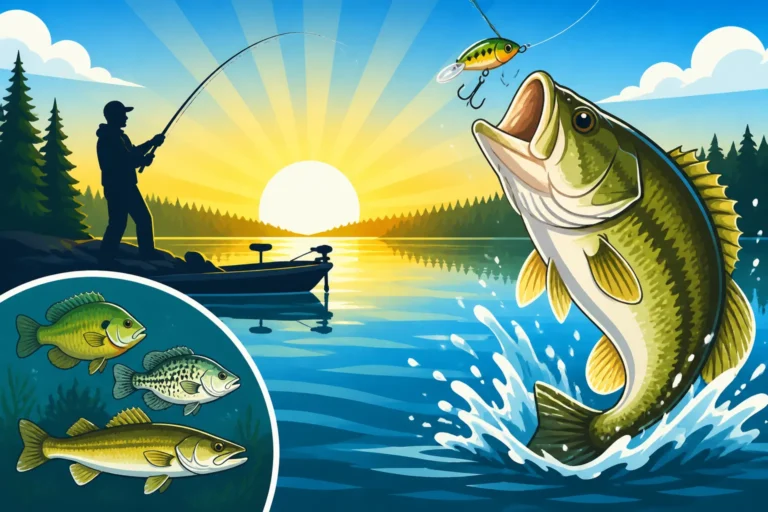
Largemouth and Smallmouth Bass: Bass fishing has really taken off on White Bear Lake in recent years. Largemouth bass are abundant in the extensive weed beds, especially in the shallower bays and along emergent vegetation. Smallmouth bass prefer rockier habitats and deeper structures, and they offer an incredibly strong fight on light tackle. Anglers often report excellent action for both species throughout the open water season.
Panfish (Crappie, Bluegill, Sunfish): White Bear Lake is a fantastic spot for panfish, making it a popular choice for families and those looking for consistent action. Crappies, bluegills, and sunfish are plentiful and can be found in various depths, often congregating around docks, weed edges, and submerged brush piles. These fish provide excellent opportunities for beginners and seasoned anglers alike.
Other Species: While less commonly targeted, you can also find yellow perch, channel catfish, and even the occasional muskie in White Bear Lake. Muskie fishing in particular, while requiring patience and specialized gear, can be a rewarding pursuit for those looking for the ultimate freshwater challenge.
Seasonal Fishing Strategies for White Bear Lake
Understanding how fish behavior changes with the seasons is crucial for consistent success on any lake, and White Bear Lake is no exception. Each season presents unique challenges and opportunities.
Spring Excitement and Spawning Patterns
When the ice finally melts, and the water starts to warm, White Bear Lake comes alive. This is a time of renewed activity for fish as they move into shallower waters for spawning and feeding.
Walleye and Northern Pike: Early spring, especially right after the ice-out and into the period around the Minnesota Walleye Opener, sees walleye moving shallower, often staging on points and flats adjacent to deeper water before and after their spawn. Northern pike are often the first to become active, aggressively feeding in shallow, warmer bays and weed pockets immediately after ice-out. Casting spinnerbaits or shallow-diving crankbaits into these areas can be incredibly effective. For walleye, pitching jigs with minnows or plastics to shallow breaks in the mornings and evenings can yield good results. Learn more about the best tactics by reading our guide on Early Season Walleye After the Opener.
Bass and Panfish: Largemouth bass will start to become active in the warming shallow bays, especially those with dark bottoms that absorb sunlight. Smallmouth bass will be found around rocky areas. Panfish, like crappies and bluegills, also flock to these shallow, sun-warmed areas, often congregating in large schools near docks, fallen trees, and new weed growth. A small jig tipped with a waxworm or a tiny plastic under a bobber is often all you need for eager panfish. Remember that bass seasons often open later than walleye, so always check the specific Minnesota Fishing Seasons & Opener Dates (2026) to ensure you're fishing legally.
Summer Structure and Weed Line Action
Summer fishing on White Bear Lake can be fantastic, but it demands a shift in strategy as fish move to deeper, cooler waters or denser cover. The increase in recreational traffic means you might have to adjust your timing.
Walleye: As water temperatures rise, walleye often retreat to deeper structures during the day. This means focusing on main lake points, sunken islands, and deep breaks. Trolling crankbaits or fishing with a Bottom Bouncer & Crawler Harness for Walleye can be very productive on these deeper contours. Look for them to move onto shallower flats and weed edges during low-light hours or after dark. For night fishing enthusiasts, this is a prime opportunity, as walleye eyes are adapted to low light.
Northern Pike and Bass: Northern pike will continue to patrol weed lines and dense vegetation. Casting larger spoons, inline spinners, or soft plastic swimbaits parallel to these weed edges can provoke aggressive strikes. Both largemouth and smallmouth bass will also relate heavily to weed beds, docks, and rock piles. For largemouth, flipping jigs or Texas-rigged plastics into thick cover works wonders. Smallmouth will be found deeper on rocky breaks and humps, where drop-shot rigs or Ned rigs can be very effective. Consider hiring a local guide through platforms like FishingBooker to quickly pinpoint these summer hotspots.
Fall Turnover and Feeding Frenzies
As autumn approaches and water temperatures begin to drop, White Bear Lake undergoes a phenomenon called "turnover." This can temporarily make fishing challenging as water mixes, but once settled, it often triggers an intense feeding frenzy.
Walleye: Post-turnover, walleye become very active as they fatten up for winter. They'll often be found transitioning between deep and shallow water, making them accessible to various techniques. Trolling crankbaits along expansive flats or casting blade baits and jigging spoons on deeper breaks can be highly effective. They'll be feeding aggressively, so don't be afraid to try larger baits.
Northern Pike and Muskie: Fall is prime time for trophy pike and muskie. These apex predators are on the hunt, packing on calories. Look for them along the edges of remaining green weed beds, deep points, and over rocky structure. Larger jerkbaits, glide baits, and big spinnerbaits are the go-to lures for targeting these giants. If you're serious about chasing a true monster, a fall trip to White Bear Lake can be incredibly rewarding. If you're new to the area, guides listed on FishingBooker specialize in locating these elusive fish.
Panfish: Panfish will also be feeding heavily in the fall. They'll often school up in deeper main lake basins or along deep weed edges, preparing for winter. Using your electronics to locate these schools is key. Small jigs tipped with live bait or plastics fished vertically can produce steady action.
Winter Ice Fishing Opportunities
When White Bear Lake freezes over, a whole new world of fishing opens up. Ice fishing is hugely popular, offering incredible opportunities for nearly all species.
Walleye: For walleye through the ice, focus on main lake points, humps, and areas where shallow flats drop into deeper water. Jigging spoons, like Northland Buck-Shot Rattle Spoons, tipped with a minnow head or small shiner minnows on tip-ups are popular choices. Early morning and late afternoon/evening are typically the best times. You can learn more about specific tactics in our guide on Ice Fishing for Walleye: Tactics & Setups.
Northern Pike: Northern pike are very active under the ice. Set up tip-ups with large shiner or suckers minnows in shallower bays or along weed lines. These aggressive eaters will often provide exciting flag-raising action. Be sure to use heavy line and a strong leader to prevent bite-offs. Consider referring to our Minnesota Ice Fishing & Shelter Rules to ensure you're compliant with regulations.
Crappie and Bluegill: Panfish are a staple for White Bear Lake ice anglers. Look for crappies suspended over deeper basins, often near the mud flats, or relating to submerged brush piles. Small tungsten jigs tipped with waxworms, plastics, or maggots are deadly. Bluegills will often be found shallower, especially near weed edges or around structure like old docks. For targeting these species, checking out articles like How to Catch Crappie Through the Ice in Minnesota can provide excellent insights. For a successful multi-species trip, booking a guide through FishingBooker can help you find those honey holes.
Essential Tips for Maximizing Your White Bear Lake Fishing Trip
Fishing White Bear Lake, like any busy urban lake, requires a bit of savvy. Knowing the right gear, where to go, and how to respect local rules makes all the difference.
Best Baits, Lures, and Techniques
Having the right tackle box for White Bear Lake means being prepared for its diverse species and changing conditions.
Walleye: When jigging for walleye, stick to 1/8 to 1/4 ounce jigs in bright colors like chartreuse, orange, or classic white, tipped with a live shiner or fathead minnow. Plastics like Berkley Gulp! minnows can also be highly effective. For trolling, Rapala Shad Raps or Berkley Flicker Shads in natural perch or silver colors are consistent producers. Remember that the walleye limit in Minnesota can vary by lake, so always check the current regulations.
Northern Pike: For pike, spoons like Daredevils or Johnson Silver Minnows, and larger inline spinners, are classics. You can't go wrong with a suspending jerkbait, especially in brighter colors or a natural perch pattern. If you're using live bait under a bobber or on a quick-strike rig, larger shiner or sucker minnows are irresistible.
Bass: For largemouth bass in the weeds, Texas-rigged creature baits, senkos, or weedless jig-and-trailer combos are excellent. Topwater baits like frogs or poppers can provide explosive action during summer mornings and evenings. Smallmouth bass respond well to drop-shot rigs with small plastics, Ned rigs, or tube jigs fished along rocky breaks. Check out our comprehensive guide on Bass Fishing Techniques for Minnesota Lakes for more in-depth strategies.
Panfish: For crappies, small plastics on a 1/32 or 1/16 ounce jig head, or a small minnow under a slip bobber, are deadly. Bluegills and sunfish love tiny tungsten jigs tipped with waxworms, spikes, or micro-plastics. Keep it light, use a sensitive rod, and you'll have a blast.
Access Points, Regulations, and Local Insights
Knowing where to launch your boat or find a good shore fishing spot, alongside adhering to regulations, is paramount for a smooth fishing trip.
Public Access: White Bear Lake has several public boat launches, including those at Lake Avenue and Bellaire Beach. These ramps can get busy, especially on weekends during peak season, so plan accordingly for launch and retrieval. For those without a boat, there are some decent shore fishing opportunities at places like Bellaire Beach, Ramsey County Beach, and various smaller parks along the shoreline. These spots are great for catching panfish and even the occasional bass or pike.
Regulations: It’s crucial to be aware of statewide and specific White Bear Lake fishing regulations. You'll always need a valid Minnesota Fishing License: Cost, Types & How to Buy (2026). White Bear Lake often has specific slot limits or possession limits for certain species, particularly walleye and northern pike, that can change year-to-year based on DNR surveys. Always consult the current Minnesota DNR Fishing Regulations Handbook before you head out. These details are vital, so don't skip this step. Also, remember the Aquatic Invasive Species (AIS) Rules for Boaters to prevent the spread of invasives.
Local Insights: Locals often recommend fishing early in the morning or late in the evening during summer to avoid heavy recreational boat traffic and take advantage of prime feeding windows. Pay attention to wind direction; a consistent wind blowing into a point or shoreline can stack baitfish and, consequently, game fish. Fishing reports from local bait shops are invaluable resources for current conditions and what's biting.
Hiring a Guide or Charter for an Edge
For visitors or those looking to fast-track their learning curve on White Bear Lake, hiring a professional fishing guide is an investment that pays dividends.
A local guide brings years of experience and intimate knowledge of the lake's ever-changing patterns, current hotspots, and effective techniques. They can teach you specific presentations, help you understand the lake's structure, and dramatically increase your chances of success, especially for elusive species like walleye or muskie. This can save you countless hours of trial and error.
Platforms like FishingBooker make it incredibly easy to find and book experienced local fishing guides and charters for White Bear Lake. You can browse different guides, read reviews, compare prices, and find someone whose expertise matches the species you're most interested in targeting. Many guides offer half-day or full-day trips and provide all the necessary gear, making it a hassle-free experience. If you’re visiting from out of state, a guide can also help you navigate local nuances and make sure you’re compliant with all Nonresident Fishing in Minnesota: Licenses & Rules.
It's not just about catching fish; it's about learning the lake, understanding fish behavior, and picking up tips and tricks that you can use on future trips. A knowledgeable guide, easily found through services like FishingBooker, can truly enhance your understanding and enjoyment of White Bear Lake fishing.
White Bear Lake Fishing Snapshot
Here's a quick overview of what to expect when fishing White Bear Lake:
| Species | Best Seasons | Common Depths | Preferred Baits/Lures | Key Structures |
|---|---|---|---|---|
| Walleye | Spring, Fall, Winter | 10-30 feet (deeper in summer) | Jigs & Minnows, Crankbaits, Blade Baits | Points, Drop-offs, Humps, Deep Weed Edges |
| Northern Pike | All Year | 5-20 feet | Spoons, Inline Spinners, Jerkbaits, Large Minnows | Weed Beds, Bays, Drop-offs |
| Largemouth Bass | Spring, Summer, Fall | 3-15 feet | Texas Rigs, Senkos, Topwater, Jig & Trailers | Thick Weeds, Docks, Fallen Trees |
| Smallmouth Bass | Spring, Summer, Fall | 10-25 feet | Drop-Shot, Ned Rig, Tube Jigs, Crankbaits | Rocky Areas, Deep Gravel, Humps |
| Crappie | Spring, Fall, Winter | 8-25 feet (variable by season) | Small Jigs & Plastics, Minnows, Waxworms | Deep Weeds, Brush Piles, Suspended over Basins |
| Bluegill/Sunfish | All Year | 2-15 feet | Tiny Jigs & Waxworms/Spikes, Small Plastics | Docks, Shallow Weeds, Submerged Cover |
Disclaimer
The information provided in this guide is for general informational purposes only and is subject to change. Fishing regulations, seasons, and limits are determined by the Minnesota Department of Natural Resources (DNR) and can be updated annually. Always consult the most current official Minnesota DNR Fishing Regulations Handbook before any fishing trip to White Bear Lake or any other body of water. Stay safe, respect the resource, and enjoy your time on the water.