Best Fishing Lakes in Minnesota
For many anglers, the sheer number of fishing lakes in Minnesota can feel overwhelming. With over 10,000 bodies of water to choose from, knowing where to cast your line for the best experience can be a real head-scratcher. This guide is here to cut through the confusion, helping you discover the premier fishing destinations across the state, whether you're after trophy walleye, monster muskie, or buckets of panfish.
The Land of 10,000 Lakes: A Minnesota Angler's Paradise
Minnesota truly lives up to its "Land of 10,000 Lakes" nickname, offering an incredible aquatic playground for anyone who loves to fish. It's more than just a number; it's a testament to the diverse and vibrant fishing opportunities that make this state a bucket-list destination for anglers from all walks of life. From the bustling metropolitan areas to the serene wilderness, there's a fishing experience waiting for everyone.
Why Minnesota is a Premier Fishing Destination
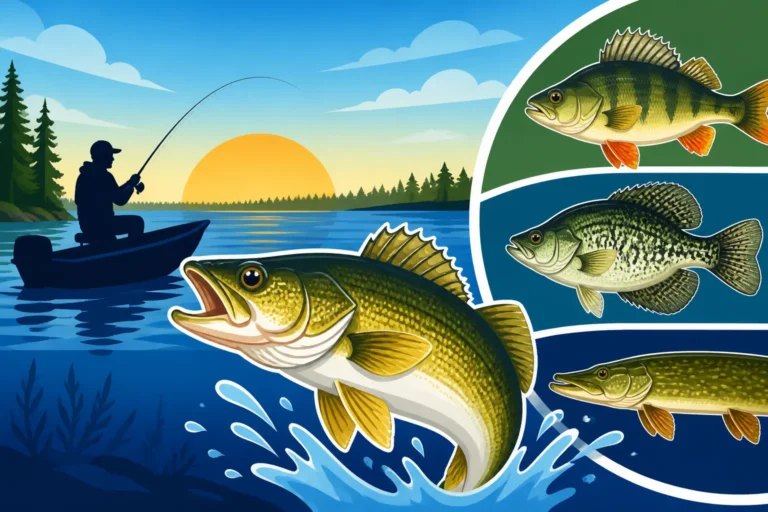
What makes Minnesota stand out in the angling world? For starters, it's the sheer diversity. We're not just talking about catching a few different types of fish; we're talking about a landscape that supports everything from cold-water trout to warm-water bass, northern pike, and, of course, the beloved walleye. You can target a wide array of species, adapting your techniques to the season and the specific lake characteristics. This means that whether you prefer jigging for walleye on a calm evening or chasing giant muskie with heavy gear, Minnesota has a spot that caters to your passion.
Beyond the variety of fish, Minnesota boasts a deep-rooted fishing culture. It's woven into the fabric of life here, passed down through generations. The Minnesota Department of Natural Resources (DNR) works tirelessly to manage fish populations and habitats, ensuring healthy fisheries for today and for future anglers. This commitment to conservation and smart management is a big part of why our lakes continue to produce impressive catches year after year. There's a real sense of community among anglers, whether you're swapping stories at a bait shop or participating in one of the many local fishing tournaments.
Understanding Minnesota's Diverse Lake Ecosystems
One of the fascinating aspects of Minnesota fishing is how distinct our lake ecosystems are, dramatically influencing the types of fish you'll find and the best ways to catch them. Up north, you have the classic "shield lakes" – often deep, clear, and rocky, carved by glaciers. These lakes are prime territory for walleye, lake trout, and muskie, with their complex structures offering endless hiding spots and foraging grounds. Think of the deep drops, rock reefs, and expansive points where fish love to ambush their prey.
Then you move south and west, where the landscape transitions to more fertile "prairie lakes." These lakes tend to be shallower, often with richer sediment and extensive weed growth, which creates fantastic habitat for northern pike, largemouth bass, and prolific panfish like crappie and sunfish. These waters warm up faster in the spring and hold baitfish in abundance, leading to rapid growth rates for many species. Even within the Twin Cities metropolitan area, you'll find a mix of lake types, from deep, clear reservoirs to shallower, weedy ponds, each with its own character and fish populations. Understanding these ecological differences is key to becoming a more effective and versatile angler in Minnesota.
Northern Giants: Legendary Walleye Lakes
When you think of Minnesota fishing, it's almost impossible not to think of walleye. These golden-sided beauties are not just a state symbol; they're a way of life. The northern part of the state is particularly blessed with immense lakes that consistently produce some of the best walleye fishing in the world. These are the lakes that draw anglers from across the globe, eager to test their skills against Minnesota's most prized game fish.
Mille Lacs Lake: A Walleye Factory with Regulations
Mille Lacs Lake is, without a doubt, one of Minnesota's crown jewels for walleye fishing. This massive, sprawling body of water, located less than two hours north of the Twin Cities, has earned a reputation as a world-class fishery. Its expansive mud flats, numerous rock reefs, and diverse underwater structure provide ideal habitat for walleye to thrive. The lake can be challenging to learn due to its size, but once you crack the code, the rewards are immense. Many anglers swear by the mud flats, trolling crankbaits or dragging Lindy Rigs, while others prefer jigging minnows on the rock reefs.
However, fishing on Mille Lacs isn't always straightforward, as its walleye population is carefully managed. The Mille Lacs Walleye Regulations (2026) are often dynamic and can change annually, sometimes even mid-season, to ensure the health and sustainability of the fishery. This can be frustrating for anglers planning trips, but it's crucial for the lake's long-term health. Always check the latest DNR regulations before heading out. If you're new to Mille Lacs, or want to maximize your chances, consider booking a guide. Services like FishingBooker can connect you with experienced local guides who know the lake's nuances and current hot spots, which is invaluable on such a vast and regulated body of water.
Lake of the Woods: Walleye and More on the Canadian Border
Up on the northern border, where Minnesota meets Canada, lies the truly enormous Lake of the Woods. This lake is so vast it sometimes feels more like an inland sea, offering an unparalleled fishing adventure. While its sheer size can be intimidating, it's precisely this immensity that contributes to its incredible productivity. The lake is a primary destination for walleye, offering consistent action year-round, including legendary ice fishing in the winter where entire "villages" pop up on the ice.
Beyond walleye, Lake of the Woods boasts an impressive array of other species. You can target massive northern pike, plentiful crappie in various bays, and even prehistoric lake sturgeon, especially in the Rainy River which feeds into it. If you're looking for guidance on how to navigate this giant, our comprehensive Lake of the Woods Fishing Guide can help you plan your trip. The unique Northwest Angle, only accessible by boat through Canadian waters or by driving through Canada, offers a truly remote and unforgettable experience, characterized by thousands of islands and pristine wilderness fishing.
Leech Lake: Classic Up North Walleye and Muskie
Nestled in the heart of Minnesota's north-central region, Leech Lake is another iconic destination, famous for its excellent walleye fishing and burgeoning muskie population. What makes Leech Lake special is its diverse structure, featuring numerous islands, expansive shallow bays, and deep main-lake humps. This variety provides different fishing opportunities depending on the season and the fish's mood. Anglers often find success drifting weed lines with live bait or trolling crankbaits over open water and structural elements.
Leech Lake is also a renowned muskie fishery, attracting trophy hunters from all over. The lake's healthy forage base, including large tullibees, allows muskie to grow to impressive sizes. Our Leech Lake Fishing Guide provides an in-depth look at everything you need to know before visiting. Beyond the fishing, the surrounding area, including the charming town of Walker, offers a classic "Up North" experience with plenty of resorts and amenities. Understanding the lake's distinct areas, like Walker Bay or Portage Bay, is key to successful fishing here, as each offers different depths and habitat types.
Trophy Waters: Bass and Muskie Hotbeds
While walleye often steal the spotlight, Minnesota's lakes are also phenomenal for trophy-sized bass and muskie. These powerful, aggressive fish offer a different kind of thrill, demanding specific techniques and a good understanding of their habits. From crystal-clear wilderness lakes to productive urban waters, the opportunities for chasing these formidable predators are abundant.
Lake Vermilion: Elite Muskie and Walleye Fishing
When it comes to raw, rugged beauty combined with world-class fishing, Lake Vermilion is in a league of its own. Located in the picturesque Arrowhead region of Northeastern Minnesota, this sprawling lake is a true gem, famous for its trophy muskie and robust walleye populations. Its intricate shoreline, dotted with thousands of islands and submerged reefs, creates an almost endless maze of potential fishing spots. The clear, deep waters here challenge anglers to adapt their presentations, but the reward can be the fish of a lifetime.
Muskie anglers flock to Vermilion, often dedicating countless hours to chasing the "fish of 10,000 casts." It’s an immersive experience that combines breathtaking scenery with the thrill of the hunt. Beyond the muskie, Vermilion offers fantastic walleye fishing, particularly around its numerous rocky points, humps, and deep weed lines. Successfully navigating and fishing such a complex lake often requires good electronics and a solid understanding of lake maps. If you're serious about battling a true monster, check out our Muskie Fishing in Minnesota: The Fish of 10,000 Casts guide for tips on these elusive giants.
Lake Minnetonka: Metro Area Bass Paradise
It might surprise some, but one of Minnesota's premier bass fishing lakes is practically in the backyard of the Twin Cities metropolitan area: Lake Minnetonka. This expansive, multi-basin lake offers incredible opportunities for both largemouth and smallmouth bass, often producing tournament-winning bags and trophy catches. Despite its heavy recreational use, Minnetonka's diverse structure—including expansive weed beds, rocky points, docks, and residential shoreline—provides ample habitat for healthy bass populations.
Largemouth bass are typically found in the shallower, weedier bays, where they ambush prey from cover. Smallmouth bass, on the other hand, tend to prefer the deeper, rockier main lake points and humps. The challenge on Minnetonka is often navigating the boat traffic, especially on weekends, but early mornings and weekdays can provide serene and highly productive fishing. For those who live in or visit the metro area, it's an unparalleled convenience to have such a quality fishery so close by. If you're exploring urban fishing, our guide to Twin Cities Metro Fishing: Best Lakes Near Minneapolis & St. Paul might have some surprising tips.
Winnibigoshish and Cass Lake: Pike and Jumbo Perch Powerhouses
Part of the mighty Mississippi River headwaters chain, Lake Winnibigoshish (affectionately known as "Winnie") and Cass Lake are two more northern Minnesota staples that offer fantastic multi-species action, with a particular reputation for northern pike and jumbo yellow perch. These interconnected lakes provide a vast network of fishing grounds, with distinct characteristics that appeal to different angling styles. Winnie is known for its expansive main lake, offering large flats and submerged structure, while Cass Lake features numerous bays and islands.
Northern pike thrive in these waters, growing to impressive sizes, particularly in the extensive weed beds and shallower areas. Anglers targeting pike often use large spinnerbaits, spoons, or live bait under a bobber. But perhaps the true hidden gem here is the opportunity for jumbo yellow perch. These succulent panfish are a favorite among ice anglers, providing fast-paced action and delicious table fare. While walleye are also present and popular, the consistent action for pike and perch makes Winnie and Cass particularly attractive for families or those looking for steady bites.
Panfish Galore: Crappie and Sunfish Sanctuaries
Sometimes, the most enjoyable fishing trips are those focused on quantity and consistent action, and that's where Minnesota's panfish lakes shine. Crappie and sunfish (bluegill, pumpkinseed, green sunfish) are abundant across the state, providing excellent sport for anglers of all skill levels, especially families and beginners. The thrill of a bobber disappearing or a light jig dancing on your line is hard to beat, and the taste of fresh panfish fillets is legendary.
Upper Red Lake: Crappie Ice Fishing Mecca
Upper Red Lake, located in north-central Minnesota, has become an absolute sensation in recent years, particularly for its phenomenal crappie fishing during the hardwater season. While traditionally known for its walleye, a crappie boom has transformed this shallow, expansive lake into a winter wonderland for panfish enthusiasts. Anglers flock here to target slab crappies, often finding them in impressive numbers. However, just like Mille Lacs, Upper Red Lake's crappie population is managed with specific regulations that can differ from statewide limits, so always check the current rules before heading out.
The fishing experience on Upper Red Lake in winter is unique, with ice roads stretching for miles and countless ice shelters dotting the horizon. It's a testament to the lake's productivity and the dedication of Minnesota ice anglers. Our Ice Fishing in Minnesota: Complete Beginner-to-Pro Guide delves into all the details you'll need for a successful winter outing. Beyond crappie, Upper Red also offers excellent walleye fishing, making it a truly versatile winter destination for those willing to brave the cold.
Pelican Lake (Otter Tail County): Consistent Panfish Action
Nestled in the heart of Otter Tail County, a region boasting over 1,000 lakes itself, Pelican Lake stands out as a consistently productive panfish factory. This lake is a fantastic example of a central Minnesota fishery that offers reliable action for crappie, bluegill, and even some quality largemouth bass. Its diverse structure, including numerous bays, points, and extensive weed beds, creates ideal habitat for panfish to flourish. Anglers often find success targeting crappie in the deeper holes or along weed edges, while bluegills will readily bite near docks, lily pads, and submerged vegetation.
Pelican Lake is also a popular summer destination, with many resorts and cabins lining its shores, making it an ideal choice for a family fishing vacation. The relatively clear waters allow for sight fishing on calm days, adding another layer of excitement to panfishing. The key to consistent panfish success here often involves finding the optimal depth, which can vary with the season and time of day. Light tackle and small jigs tipped with live bait or plastics are usually all you need to fill a bucket with delicious panfish.
Smaller, Local Lakes: Unsung Panfish Heroes
While the marquee lakes get all the attention, Minnesota is absolutely teeming with thousands of smaller, often overlooked lakes that can provide incredible panfish action. These are your local gems, lakes that might not be on the national fishing radar but hold healthy populations of crappie and sunfish, often with less fishing pressure. Discovering these unsung heroes can be one of the most rewarding aspects of Minnesota fishing.
The trick is to do your homework. The Minnesota DNR website is an invaluable resource, providing lake surveys, fish population data, and public access information for countless smaller bodies of water. Local bait shops are also goldmines of information, as the people working there live and breathe local fishing. These smaller lakes are often easier to navigate, perfect for a kayak, canoe, or even bank fishing, providing a more intimate angling experience. Focusing on areas with good cover like fallen trees, docks, or healthy weed lines will usually put you on the fish. Sustainable harvest is important in these smaller lakes, so consider taking only what you need and practicing catch-and-release for larger specimens to maintain healthy populations.
Unique Adventures: Trout, Sturgeon, and More
Beyond the conventional pursuit of walleye, bass, and panfish, Minnesota offers a host of unique and specialized fishing adventures that cater to different tastes and challenges. From battling cold-water species in Lake Superior to wrestling prehistoric giants in major rivers, or delicately presenting a fly in pristine streams, the state's diverse waters hold something truly special for every adventurous angler.
Lake Superior and its Tributaries: North Shore Trout and Salmon
Along Minnesota's North Shore, the vast and majestic Lake Superior offers an entirely different fishing experience. This "great lake" is home to a variety of cold-water species, including lake trout, coho salmon, Chinook salmon, and the highly prized steelhead (rainbow trout). Trolling the deep, cold waters of Lake Superior for lake trout or salmon from a boat is a thrilling pursuit, often requiring specialized downriggers and electronics to reach the fish. The challenge of the unpredictable big lake weather and finding the elusive temperature breaks adds to the adventure.
Equally exciting is the opportunity to fish the numerous tributaries that flow into Lake Superior. These pristine rivers and streams, especially in spring and fall, see runs of steelhead and various salmon species, offering incredible shore-fishing and fly-fishing opportunities. Anglers brave the cold and often swift currents to intercept these powerful fish as they migrate upstream. Our detailed guide on Trout Fishing in Minnesota: Streams & Lakes provides an excellent starting point if you're looking to explore these unique cold-water fisheries.
Rainy River: Sturgeon Fishing World-Class Destination
For those seeking a truly unique and powerful angling experience, the Rainy River, which forms part of the border between Minnesota and Ontario, is a world-class destination for lake sturgeon. These ancient, armor-plated fish can grow to enormous sizes, often exceeding 70 inches and living for decades. The Rainy River is particularly famous for its incredible sturgeon fishing during the spring and fall migrations, when these giants move through the river system. It's a catch-and-release fishery, emphasizing conservation of these magnificent creatures.
Fishing for sturgeon requires heavy-duty tackle – stout rods, large reels, and strong line – to handle their immense power. Common baits include gobs of nightcrawlers or cut bait fished on the bottom in deep holes and current seams. The fight of a large sturgeon is legendary, a true test of an angler's strength and patience. It's an unforgettable experience to hook into one of these living fossils. For more in-depth information on this incredible fishery, consult our guide on Lake Sturgeon in Minnesota: Rainy River Giants.
Driftless Area Streams: Fly Fishing for Brook, Brown, and Rainbow Trout
Venture into the southeastern corner of Minnesota, and you'll discover a landscape entirely different from the state's northern lakes: the "Driftless Area." This unique region, untouched by the last glacial advance, is characterized by steep bluffs, deep valleys, and, most importantly, cold, clear spring-fed streams. These streams are a fly angler's paradise, teeming with brook, brown, and rainbow trout. It's a tranquil and challenging form of fishing that demands stealth, precise casting, and an understanding of trout behavior.
The Driftless Area offers miles upon miles of publicly accessible trout streams, many of which are designated as "Catch and Release" or have special regulations to protect the delicate fishery. Fly anglers can spend hours wading through scenic valleys, casting dry flies to rising trout, or nymphing deep pockets for elusive browns. It's a truly immersive experience that connects you with nature in a profound way. For those interested in this niche but incredibly rewarding style of fishing, exploring the nuances of Stream Trout Season & Limit in Minnesota will be essential for a successful outing.
Planning Your Minnesota Fishing Trip
Successfully planning a fishing trip in Minnesota goes beyond just picking a lake. It involves a bit of homework, understanding the nuances of the seasons, and ensuring you have the right gear and support for a rewarding adventure. A well-planned trip minimizes surprises and maximizes your time on the water, leading to more enjoyable and productive fishing.
Researching Lake-Specific Regulations and Conditions
One of the most critical steps in planning any Minnesota fishing trip is to thoroughly research the specific regulations for your chosen lake. While statewide limits exist for many species, numerous lakes have special regulations, slot limits, or length restrictions designed to manage their unique fisheries. Failing to check these can lead to fines or, worse, harm the fish population. The Minnesota DNR website is your absolute best friend here, providing up-to-date fishing regulations, lake maps, and even recent fish population surveys.
Beyond regulations, staying informed about current fishing conditions can make or break your trip. Local bait shops are invaluable resources for real-time fishing reports, bait preferences, and hot spots. Online forums and local guide services can also offer insights into what's biting and where. Consider using a service like FishingBooker to find and book a local guide or charter; these professionals have their finger on the pulse of the lake and can quickly put you on fish, especially if you're unfamiliar with the area. They'll also be intimately aware of any Aquatic Invasive Species (AIS) Rules for Boaters you need to follow to protect our precious waters.
Choosing the Right Time of Year for Your Target Species
Minnesota offers fantastic fishing year-round, but the best time to target a specific species can vary dramatically with the seasons. Understanding these seasonal patterns is crucial for maximizing your success. For example, the walleye opener in mid-May is a huge event, signaling the start of open-water walleye season, which continues strong into early summer. However, late fall can also offer incredible walleye fishing as fish feed heavily before winter. Our Minnesota Fishing Seasons & Opener Dates (2026) guide can provide you with all the essential dates.
Bass fishing typically heats up in late spring and summer when water temperatures are warm, while muskie fishing often peaks in the fall as these apex predators feed aggressively. Panfish like crappie and sunfish can be caught almost year-round, with specific patterns in spring during their spawn, in summer around weed beds, and through the ice in winter. If you're hoping for an exciting ice fishing adventure, the colder months from December through March are prime, offering unique opportunities for various species. Deciding on your target species first will greatly inform the best time of year to plan your visit.
Essential Gear and Accommodations for Your Adventure
Having the right gear is fundamental for a successful and comfortable fishing trip. For open water, a good quality fishing rod and reel combo, appropriate for your target species (e.g., medium action for walleye, heavy action for muskie), is essential. Don't forget a tackle box stocked with the right lures, hooks, and sinkers. If you're ice fishing, a portable shelter, an auger, and warm clothing are non-negotiable. Always remember to acquire your Minnesota Fishing License: Cost, Types & How to Buy (2026) before heading out.
When it comes to accommodations, Minnesota offers everything from rustic campgrounds to luxurious resorts and private cabin rentals. Many fishing-focused resorts cater specifically to anglers, offering boat rentals, bait shops, and even guide services directly on-site. If you're bringing your own boat, ensure you have proper docking or launching facilities. For those looking for an immersive experience, consider hiring a local guide. Not only do they provide expert knowledge and equipment, but they can also offer insights into local culture and fishing traditions, making your trip even more memorable.
| Lake Name | Primary Species | Key Characteristics | Best Fishing Seasons |
|---|---|---|---|
| Mille Lacs Lake | Walleye, Smallmouth Bass, Northern Pike | Large, shallow, diverse structure (mud flats, rocks) | Spring, Summer, Fall, Winter |
| Lake of the Woods | Walleye, Northern Pike, Crappie, Sturgeon | Massive, border lake, island-filled, Rainy River access | Year-round |
| Leech Lake | Walleye, Muskie, Yellow Perch | Many islands, bays, complex structure, clear water | Spring, Summer, Fall |
| Lake Vermilion | Muskie, Walleye, Northern Pike | Rugged beauty, deep clear water, complex shoreline | Summer, Fall |
| Lake Minnetonka | Largemouth Bass, Smallmouth Bass | Multi-basin, urban, diverse cover (weeds, docks, rocks) | Spring, Summer, Fall |
| Upper Red Lake | Crappie, Walleye | Shallow, expansive, renowned for ice fishing | Winter, Early Spring |
| Pelican Lake | Crappie, Bluegill, Largemouth Bass | Resort-heavy, diverse panfish & bass habitat | Spring, Summer |
| Lake Superior | Lake Trout, Salmon, Steelhead | Deep, cold, unique big water fishing | Year-round (seasonal runs) |
| Rainy River | Lake Sturgeon, Walleye | Border river, catch-and-release sturgeon fishery | Spring, Fall |
| Driftless Area Streams | Brook Trout, Brown Trout, Rainbow Trout | Spring-fed, clear, scenic streams | Spring, Summer, Fall |
Disclaimer
The information provided in this guide is for general informational purposes only and is not intended as legal advice. Fishing regulations in Minnesota are subject to change by the Minnesota Department of Natural Resources (DNR). Always consult the official Minnesota DNR website or their latest fishing regulations handbook for the most current and accurate information before planning any fishing activity. It is the angler's responsibility to know and follow all applicable laws and regulations.