Lake Vermilion Fishing Guide
Navigating Lake Vermilion for the first time, or even the tenth, can feel like trying to solve a colossal, watery puzzle. With its countless islands, intricate shorelines, and varied depths, many anglers feel overwhelmed trying to pinpoint fish hotbeds. This comprehensive guide is designed to unravel Lake Vermilion's fishing secrets, equipping you with the knowledge to confidently target its diverse fish populations and maximize your time on this iconic Minnesota lake.
A Deep Dive into Lake Vermilion's Unique Character
Lake Vermilion, often called the "Lake of the Sunset Glow," is a true jewel of Northern Minnesota, presenting both a challenge and a reward to every angler. Its immense size and complex geology make it unlike many other simpler basin lakes, demanding respect and a thoughtful approach to fishing.
Geographical Splendor and Ecological Riches
Spanning over 40,000 acres, Lake Vermilion is a sprawling expanse of clear, cool water dotted with over 365 islands – one for every day of the year, as the saying goes! This impressive structure provides an incredible variety of habitats for fish. You'll find everything from shallow, dark-bottomed bays warmed by the sun to steep, rocky drop-offs plunging to depths of over 76 feet. The shoreline itself is a mosaic of granite outcroppings, sandy beaches, and dense stands of pine and birch forests, reflecting the rugged beauty of the Superior National Forest that surrounds it.
The lake’s intricate structure extends beneath the surface, featuring extensive weed beds, deep rock reefs, vast mud flats, and numerous points and humps. This incredible diversity means that fish have an abundance of places to hide, feed, and spawn, making it a truly rich ecosystem. The water clarity is generally good, especially in the main lake basins, which influences how fish behave and how you might choose your presentation. Understanding the sheer scale and varied topography of Vermilion is the first step to unlocking its angling potential.
The Lake's Storied Fishing History and Conservation Efforts
Lake Vermilion's fishing legacy runs deep, intertwined with the history of the Bois Forte Band of Chippewa, who have fished these waters for centuries. European settlers and early tourists quickly recognized its abundance, solidifying its reputation as a premier fishing destination. Over the decades, generations of anglers have pursued its legendary walleye and muskie populations. The lake has maintained a healthy fishery through careful management, a testament to the combined efforts of the Minnesota Department of Natural Resources (DNR) and local conservation groups.
The DNR plays a crucial role in managing the lake through regular fish surveys, stocking programs, and implementing specific regulations designed to maintain a balanced ecosystem. For instance, selective harvest regulations are often in place for species like walleye, promoting the health of the population by protecting certain size classes. Local resort owners, guides, and anglers also contribute significantly by practicing responsible angling and advocating for conservation measures. This long history of stewardship ensures that Lake Vermilion continues to offer exceptional fishing experiences for everyone who visits.
Prime Fish Species to Target in Lake Vermilion
Lake Vermilion is renowned for its diverse and robust fish populations, making it a multi-species angler's dream. While some lakes might specialize in one or two species, Vermilion offers world-class opportunities for several, keeping every fishing trip exciting.
Walleye: The King of Vermilion
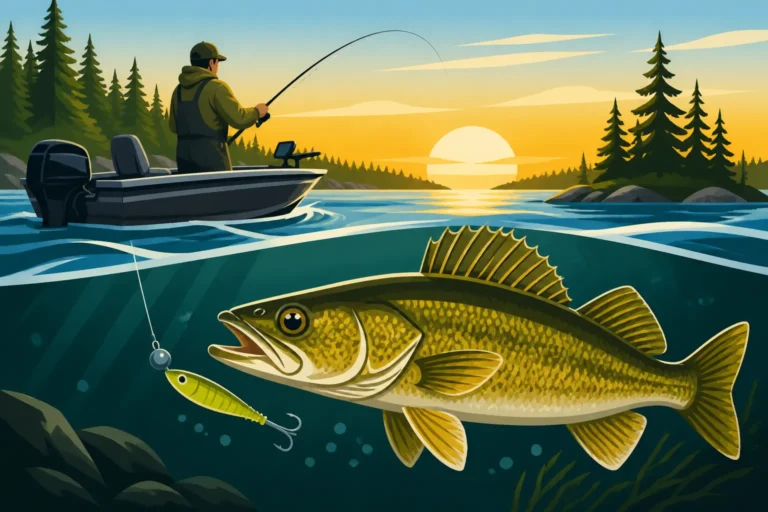
Without a doubt, walleye are the reigning monarchs of Lake Vermilion. Anglers flock to these waters specifically for the chance to catch these delicious and challenging fish. Vermilion walleyes are known for their strong fight and often impressive size, with plenty of fish in the 18-24 inch range, and legitimate trophies pushing over 30 inches. Their abundance is a testament to the lake's rich forage base, including tullibees, perch, and various minnows, which keep them well-fed and growing.
Targeting walleye on Vermilion means understanding their movements through different structures. Early in the season, they often hang out in shallower bays and near river mouths, transitioning to deeper reefs, humps, and mud flats as the water warms in summer. The "mud flats" of Vermilion, vast expanses of soft bottom, are particularly famous walleye haunts, offering a unique challenge and incredible rewards. Learning to read your electronics to find schools of fish relating to these subtle bottom transitions is key.
Muskie: Chasing the Giants
Lake Vermilion stands shoulder-to-shoulder with the best muskie waters in the state, if not the entire country. This lake consistently produces some truly gigantic muskies, making it a bucket-list destination for serious muskie hunters. The average size is impressive, and fish over 50 inches are caught here every season, leading to incredible stories and heart-pounding battles. Vermilion's clear waters and abundant forage allow these apex predators to grow to immense proportions.
Muskie fishing on Vermilion is often about covering water and relentlessly casting large baits. Look for them cruising along steep breaks, near large weed beds, around rocky points, and especially where structure meets open water. The many islands and reefs also provide prime ambush points. It's truly the "fish of 10,000 casts" adage brought to life, but the potential for a personal best makes every cast worthwhile. For those looking to dive deeper into these elusive giants, check out our guide on Muskie Fishing Techniques for Beginners These fish are a true testament to Vermilion's wild nature.
Smallmouth Bass: Pound-for-Pound Fighters
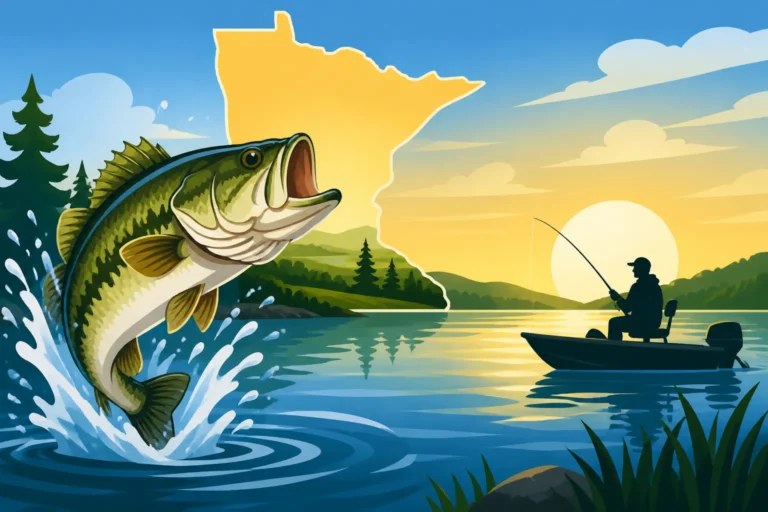
If you love a hard fight, Lake Vermilion's smallmouth bass population will not disappoint. These bronze battlers thrive in the lake's rocky environment, offering some of the most exciting light-tackle action you can find. Vermilion is consistently ranked among the top smallmouth bass fisheries in Minnesota, with fish commonly ranging from 14 to 20 inches, and heavier fish providing an incredible challenge on appropriate gear.
Smallmouth bass are typically found relating to rocky points, island shorelines, boulders, and steep breaks. They are aggressive feeders and will readily strike a variety of lures, from crankbaits and spinnerbaits to soft plastics and topwater presentations. During the summer, fishing for smallmouth can be a fantastic way to break up a walleye trip, providing consistent action and spectacular acrobatic jumps. Their sheer power, especially in the clear water, makes them incredibly fun to catch. Learn more about optimal strategies in our Bass Fishing Techniques for Minnesota Lakes.
Northern Pike: Abundant Action
For sheer numbers and consistent action, Northern Pike are hard to beat on Lake Vermilion. While the lake does produce trophy pike, often exceeding 40 inches, it's also teeming with smaller, aggressive "hammer handle" pike that offer endless entertainment, especially for families and beginner anglers. These fish are predators with a voracious appetite and will strike almost anything that moves.
Pike are often found in and around weed beds, shallow bays, and along the edges of drop-offs where they can ambush baitfish. Casting spoons, spinnerbaits, and large crankbaits are effective methods. They provide fantastic sport and can be a great target when other species are finicky. Just remember to bring a heavy leader; their sharp teeth will make short work of light mono or fluorocarbon.
Other Notable Catches: Panfish, Lake Trout, and More
While walleye, muskie, smallmouth, and pike get most of the attention, Lake Vermilion also offers excellent opportunities for other species. You'll find healthy populations of black crappie and bluegill in many of the lake's bays and weed lines, providing fantastic panfish action, especially for kids. Yellow perch are also abundant and serve as a critical forage base for the larger predators, but can also be targeted for a tasty meal.
Occasionally, anglers might even tie into a lake trout, especially in the deeper, colder sections of the lake during specific times of the year, though Vermilion is not primarily known as a lake trout fishery. Given its connection to the vast wilderness, the ecosystem supports a wide array of aquatic life, making every cast a potential surprise.
Here's a quick overview of Vermilion's key species:
| Species | Primary Habitat | Key Lures/Baits | Notes |
|---|---|---|---|
| Walleye | Deep reefs, mud flats, rocky points, weed edges | Jigs, minnows, leeches, crankbaits, slip bobbers | Main target, strong population, often regulated by slot limits. |
| Muskie | Rocky shorelines, weed edges, deep breaks | Large bucktails, jerkbaits, topwaters, large soft plastics | Trophy potential, requires dedication and specialized gear. |
| Smallmouth Bass | Rocky points, boulder fields, island shorelines | Crankbaits, tubes, swimbaits, topwaters, Ned Rigs | Excellent fighters, abundant, found in clear, rocky areas. |
| Northern Pike | Weed beds, shallow bays, log jams | Spoons, spinnerbaits, large minnows, jerkbaits | Abundant, aggressive, good for consistent action. |
| Black Crappie | Shallow bays, submerged timber, weed edges | Small jigs, live minnows, micro plastics | Fun for families, often school up in large numbers. |
| Bluegill | Shallow weeds, docks, protected bays | Worms, small jigs, tiny plastics | Excellent for kids, can provide steady action. |
| Yellow Perch | Weed lines, soft bottom, humps | Small jigs, worms, minnows | Critical forage, can be caught in good numbers, tasty. |
Seasonal Fishing Strategies for Lake Vermilion
Understanding the seasonal movements and behaviors of fish is paramount to success on Lake Vermilion. The lake transforms throughout the year, offering unique opportunities and challenges depending on the month.
Spring: Opener Excitement and Spawning Patterns
Spring on Lake Vermilion, particularly around the walleye opener, is a time of immense excitement and anticipation. As the ice recedes and water temperatures slowly begin to rise, many fish species move into shallower areas, driven by spawning instincts and the availability of newly warmed water. For walleye, this means congregating near river mouths, such as the Pike River, and in shallow, protected bays with rocky or gravel bottoms where they spawn.
After the spawn, which typically occurs shortly before or around the opener, walleye remain relatively shallow as they recover and begin to feed aggressively. Targeting depths of 8-20 feet near these spawning areas with jigs tipped with minnows or plastics, or slowly trolling shallow-diving crankbaits, can be incredibly effective. Northern Pike will also be active in similar shallow, weedy bays, looking to feed. Smallmouth bass typically begin their spawning rituals a bit later in the spring, once water temperatures hit the mid-50s, so they might be found staging on rocky points leading into spawning flats. Always double-check the Minnesota Fishing Seasons & Opener Dates (2026) for exact dates and regulations.
Summer: Deep Water and Structure Fishing
As summer progresses and the surface water warms considerably, many species, especially walleye, will transition to deeper, cooler waters. This is when Lake Vermilion's extensive underwater structure truly comes into play. Walleye will migrate to deep rock reefs, underwater humps, and the famous mud flats, often suspending or relating tightly to bottom transitions in 25-40 feet of water, or even deeper. Locating the thermocline and understanding how fish relate to it can be a game-changer.
Techniques like Lindy rigging with leeches or nightcrawlers, bottom bouncing with spinner rigs, or precision jigging with vertical presentations become highly effective. Trolling deep-diving crankbaits or using lead core can also be successful for covering large areas of open water or deep breaks where walleye might be feeding on tullibees. Muskie will often patrol deep weed edges, rocky breaks, and open water near schools of baitfish, requiring large, persistent presentations. Smallmouth bass can be found on deep rock piles and offshore humps, often suspended or ambushing prey. For comprehensive strategies, our guide to Summer Walleye Patterns: Deep Structure offers detailed insights.
Fall: Feeding Frenzy and Trophy Hunters
Fall on Lake Vermilion is a magical time for serious anglers. As water temperatures cool and turnover occurs, fish sense the approaching winter and engage in an intense feeding frenzy to bulk up. This period often offers some of the best opportunities for trophy-sized fish across multiple species. Walleye move shallower again, especially during low-light conditions, targeting green weed edges and rocky points where baitfish are abundant. Trolling crankbaits, casting jigs, and using live bait can all be highly productive.
Muskie fishing in the fall is legendary on Vermilion. These giants become incredibly aggressive, often chasing larger baits as they seek substantial meals. Big jerkbaits, glide baits, and large rubber baits are favorites, and the "figure-8" at the boat is an absolute must. Northern Pike also become very active, aggressively hitting large spoons and crankbaits near dying weed beds. Smallmouth bass will school up on deeper rock structures before retreating to their wintering grounds. Understanding Fall Walleye Fishing: Turnover & Cold Water can drastically improve your success during this prime season.
Winter: Ice Fishing Adventures
When Lake Vermilion finally freezes over, a whole new world of angling possibilities opens up for ice fishing enthusiasts. The lake transforms into a vast playground for snowmobiles, portable shelters, and permanent ice houses. Walleye, northern pike, perch, and crappie are the primary targets through the ice. Walleye can be found on shallower reefs and humps during low-light periods, transitioning to deeper breaks and mud flats during the day.
Jigging spoons tipped with minnow heads or small minnows, and deadsticking with live minnows are classic walleye tactics. Crappies often suspend in basin areas or relate to deep weed edges, responding well to small tungsten jigs tipped with plastics or wax worms. Perch can be found in large schools over mud flats. Safety is paramount on the ice, especially on such a large, complex lake. Always check ice conditions, tell someone your plans, and carry safety gear. For a comprehensive overview, see our Ice Fishing in Minnesota: Complete Beginner-to-Pro Guide.
Mastering Lake Vermilion Fishing Techniques and Tackle
Successfully fishing Lake Vermilion isn't just about knowing where the fish are; it's about knowing how to catch them. The lake's varied environment calls for a versatile approach and a well-stocked tackle box.
Essential Walleye Techniques
Walleye fishing on Vermilion is often a game of adapting to conditions. During the spring and fall, when walleye are shallower, pitching jigs tipped with live minnows (shiners are often a local favorite) or soft plastics to rocky points and weed lines can be deadly. A 1/8 to 1/4 ounce jig is usually sufficient, but be prepared to go heavier in windy conditions or deeper water.
As summer progresses, deeper water tactics dominate. Lindy rigging is a staple, involving a walking sinker, a swivel, and a snell with a hook, fished with a lively leech or nightcrawler. This presentation allows you to slowly drag bait along the bottom, presenting it naturally to walleyes hugging the structure. Bottom bouncing with a crawler harness is another incredibly effective method, especially for covering ground on the expansive mud flats. For those who prefer artificials, trolling crankbaits like Rapalas or Berkley Flicker Shads can be highly effective, especially when trying to locate schools of fish. Our Walleye Fishing Techniques: Complete Minnesota Guide offers a deeper dive into these strategies.
Muskie and Pike Strategies
Muskie fishing demands heavy-duty gear and unwavering persistence. Most muskie anglers on Vermilion primarily cast large bucktails, oversized jerkbaits, and topwater lures around prime muskie haunts like rocky points, deep weed edges, and isolated boulders. The "figure-8" maneuver at the boat, where you trace a large figure-eight with your lure at the side of the boat before lifting it out of the water, is crucial for enticing follows to strike. Trolling large crankbaits or rubber baits can also be effective for covering open water or deep breaks, especially during the fall.
Northern Pike, being less finicky, can be caught on a wider range of presentations. Casting spoons (like a Daredevil or Johnson Silver Minnow), inline spinners, and spinnerbaits into weed beds or along weed edges will often draw aggressive strikes. Large crankbaits, particularly those with a strong wobble, also work well when trolled or cast in likely pike holding areas. Always use a steel or heavy fluorocarbon leader to prevent bite-offs from their razor-sharp teeth.
Bass and Panfish Approaches
Smallmouth bass fishing on Vermilion is a blast on lighter tackle. Crankbaits (both shallow and deep divers), jerkbaits, tube jigs, creature baits on a Texas rig, and drop shot rigs are all highly effective. During low-light conditions or over rocky flats, topwater baits like poppers or walk-the-dog style lures can provide explosive action. Focus on rocky shorelines, points, and humps, and don't be afraid to experiment with retrieve speeds.
For panfish like crappie and bluegill, finesse is key. Small jigs (1/32 to 1/16 ounce) tipped with a piece of live bait (wax worm, crappie minnow) or tiny soft plastics are the go-to. A slip bobber setup is excellent for presenting bait at a precise depth over submerged timber or along weed edges, allowing for a natural, subtle presentation. Look for sheltered bays with plenty of submerged cover, especially in spring and early summer.
Recommended Gear for Vermilion's Waters
Given the diverse species and techniques, a versatile tackle setup is beneficial for Lake Vermilion. For walleye, a sensitive medium-light to medium power spinning rod (6'6" to 7'6") paired with a 2500-3000 size spinning reel spooled with 8-10 lb braid and a fluorocarbon leader is a good all-around choice. This setup handles jigs, slip bobbers, and lighter trolling applications. For heavier trolling or bottom bouncing, a medium-heavy baitcasting setup is preferred. Consider our guide to Best Walleye Rods & Reels for specific recommendations.
Muskie fishing requires specialized gear: heavy action baitcasting rods (8' to 9' and beyond) with robust reels spooled with 65-100 lb braided line. A long, heavy fluorocarbon or wire leader is absolutely essential. For smallmouth, a medium power, fast action spinning rod with 8-10 lb braided line and a fluorocarbon leader is perfect. Panfish anglers will appreciate ultra-light rods with small reels and light line (2-4 lb test). Don't forget a quality fish finder or depth locator, essential for finding structure and fish in such a vast lake. For general guidance, our Best Fishing Gear for Beginners in Minnesota (By Budget) can help you get started.
Navigating Lake Vermilion: Maps, Access, and Guides
Lake Vermilion's sheer size and complexity can be daunting, but with the right tools and information, you can navigate its waters effectively and find prime fishing spots.
Understanding Lake Structure and Navigational Challenges
Lake Vermilion is not a simple bowl-shaped lake. Its multitude of islands, narrow channels, and underwater structures create a fascinating, but sometimes challenging, environment. Navigational charts and a reliable GPS unit are not just recommended, they are absolutely essential. Humminbird LakeMaster and Navionics charts are popular choices that provide detailed contours, depths, and highlight key structural features like reefs, humps, and drop-offs. Always pay close attention to depth readings and be aware of potential hazards like shallow rock piles, especially when traversing unfamiliar areas or at high speeds. The channels can be particularly tricky, with sudden depth changes and hidden rocks.
Beyond physical navigation, understanding why fish relate to certain structures is key. For example, walleye might be found on the deeper side of a main lake reef during midday, but move up onto the shallower top of the reef during low light. Smallmouth bass will hug rocky island shorelines, especially where a strong wind is pushing baitfish. Learning to interpret contour lines on your map and relating them to current conditions will dramatically improve your ability to locate fish.
Public Access Points and Resorts
Lake Vermilion offers several public access points managed by the DNR, providing boat launches and parking. Popular access points include McKinley Park, Frazee's Landing, and the Pike River access. These allow anglers to launch their boats and explore different sections of the lake. It's always a good idea to arrive early, especially on busy weekends, as parking can fill up quickly.
In addition to public access, Lake Vermilion is home to numerous resorts and lodging options, many of which offer their own private boat launches, dock space, and sometimes even boat rentals. Resorts like Vermilion Dam Lodge, Pehrson Lodge Resort, and Gruben's Marina & Resort provide not only comfortable accommodations but also valuable local knowledge and services for anglers. Staying at a resort often gives you easier access to specific fishing areas and allows you to chat with seasoned anglers or resort staff for up-to-date fishing reports.
Hiring a Professional Guide: Maximizing Your Experience
For those new to Lake Vermilion, or even experienced anglers looking to unlock its deeper secrets, hiring a professional fishing guide is an invaluable investment. A local guide knows the lake intimately – its underwater contours, seasonal fish movements, and the most effective techniques for current conditions. They can quickly put you on fish, teach you specific presentations, and help you understand the nuances of this vast waterbody. This can save you countless hours of searching and experimenting, significantly increasing your chances of success and enjoyment.
Many of Lake Vermilion's guides are independent operators, but you can also find them associated with resorts or through online booking platforms. Platforms like FishingBooker make it easy to find and compare experienced guides operating on Lake Vermilion, read reviews, and book your trip with confidence. Whether you're targeting trophy muskie, a limit of walleye, or simply want a memorable day on the water, a guide can tailor the experience to your preferences. A day with a good guide can provide a lifetime of learned lessons, helping you understand how to approach not just Vermilion, but complex fisheries in general.
Conservation and Responsible Angling on Lake Vermilion
As custodians of this incredible natural resource, it's every angler's responsibility to practice conservation and adhere to all regulations. Sustainable fishing ensures that Lake Vermilion remains a vibrant fishery for future generations.
Understanding Regulations and Slot Limits
Minnesota has a robust set of fishing regulations designed to protect and enhance its fisheries. Lake Vermilion often has specific regulations for certain species, particularly walleye and muskie, which can differ from statewide rules. These often include protected slot limits, where fish within a certain size range must be immediately released, and reduced possession limits to manage fish populations effectively. For example, a common walleye regulation might allow anglers to keep a certain number of fish, with only one over a specific length. This helps protect the breeding stock and allows younger fish to grow.
It's absolutely critical to obtain a current Minnesota Fishing License: Cost, Types & How to Buy (2026) and consult the official Minnesota DNR fishing regulations booklet before you head out. This booklet details all statewide rules, as well as special regulations for specific lakes like Vermilion. Ignorance of the rules is not an excuse, and penalties for violations can be steep. Always carry a measuring device and be prepared to release fish safely if they fall within a protected slot. Understanding the Minnesota Fishing Limits: Bag & Possession (2026) is fundamental to responsible angling.
Aquatic Invasive Species Prevention
Aquatic Invasive Species (AIS) pose a significant threat to Minnesota's lakes, including Lake Vermilion. Species like zebra mussels, spiny water fleas, and Eurasian watermilfoil can devastate ecosystems, disrupt food webs, and make fishing more difficult. Preventing their spread is a collective effort, and anglers play a critical role.
Before leaving any body of water, and especially before entering Lake Vermilion, you must follow the "Clean, Drain, Dry" protocol:
- Clean: Remove all visible aquatic plants and animals from your boat, trailer, and fishing gear.
- Drain: Drain all water from your boat, livewell, bait buckets, and motor before leaving the access ramp. Pull your drain plug.
- Dry: Allow your boat and gear to dry completely for at least five days before launching into another body of water. If you can't dry it, wash it thoroughly with high-pressure, hot water.
These steps are legally mandated in Minnesota, and compliance is regularly checked by conservation officers. Take them seriously; a small effort on your part can prevent irreversible damage to our precious waters. More information on legal requirements can be found in the Aquatic Invasive Species (AIS) Rules for Boaters.
Catch and Release Best Practices
While many anglers enjoy a fresh fish fry, practicing responsible catch and release, particularly for larger, older fish and those within protected slot limits, is vital for maintaining healthy fisheries. Large fish are often the most prolific breeders, and releasing them ensures they can continue to contribute to the population.
When practicing catch and release:
- Minimize Fight Time: Land the fish as quickly as possible to reduce stress.
- Handle with Care: Use wet hands or a wet, rubberized net. Avoid touching gills or eyes.
- Keep it Wet: Keep the fish in the water as much as possible, especially during photos. Hold it horizontally, supporting its belly.
- Remove Hook Quickly: Use needle-nose pliers or a de-hooking tool to remove hooks. If a fish is deeply hooked, cut the line as close to the hook as possible.
- Revive Gently: If the fish is lethargic, hold it upright in the water and gently move it back and forth to push water over its gills until it swims away on its own.
These simple practices ensure that released fish have the best chance of survival, contributing to Lake Vermilion's incredible angling future. For more detailed instructions, refer to our guide on Catch and Release Best Practices in Minnesota.
Lake Vermilion's Fishing Outlook and Future
Lake Vermilion continues to be a crown jewel of Minnesota fishing, and its future looks bright thanks to ongoing management and dedicated anglers.
Current Trends and Stocking Programs
The Minnesota DNR consistently monitors fish populations in Lake Vermilion through netting surveys, creel surveys (interviewing anglers about their catches), and other research. These efforts help them understand population health, growth rates, and angler harvest trends. Based on this data, stocking programs are sometimes implemented for specific species, though Vermilion largely relies on natural reproduction for its walleye. The muskie fishery, however, benefits significantly from stocking efforts, ensuring a continuous supply of these trophy predators.
Recent trends suggest a healthy and stable fishery for most major species. Walleye populations remain robust, with good numbers of harvestable fish and a strong presence of larger individuals. Smallmouth bass continue to thrive in the rocky environments, and the muskie fishery consistently produces giants, cementing Vermilion's status as a top-tier destination. The DNR, often in conjunction with local groups like the Lake Vermilion Sportsmen's Club, works tirelessly to adapt management strategies to ensure long-term sustainability.
Tips for Planning Your Ultimate Vermilion Fishing Trip
Planning a trip to Lake Vermilion requires a bit of foresight, but the rewards are well worth it.
- Best Time to Go: If walleye is your primary target, the opener in mid-May and the fall (September-October) are prime times. Summer offers excellent multi-species action, and winter provides fantastic ice fishing. For trophy muskie, the cooler waters of fall are hard to beat.
- Lodging: Book your accommodations well in advance, especially for peak seasons. There's a wide range of options from rustic cabins to full-service resorts. If you're looking for an all-inclusive experience, consider checking resorts listed on platforms like FishingBooker that cater specifically to anglers.
- Boat Rental/Guide: If you don't have your own boat, many resorts offer rentals. For first-timers, or those seeking an edge, a guided trip is highly recommended. It’s an investment that pays dividends in knowledge and fish.
- Gear Prep: Ensure your gear is in top shape. Have a variety of lures and baits to match the diverse species and conditions you might encounter. Don't forget safety gear, rain gear, and appropriate clothing layers for unpredictable Northwoods weather.
- Flexibility: Be prepared to adapt. Lake Vermilion is a big lake, and weather conditions can change rapidly. Wind can make certain areas unfishable, so having a backup plan or knowing alternative spots in sheltered bays is always a good idea.
Embrace the challenge and the beauty of Lake Vermilion. With proper planning, respect for the resource, and a little local insight, your fishing trip to this Minnesota treasure is bound to be an unforgettable adventure.
Disclaimer
Please note that fishing regulations, season dates, and limits are subject to change by the Minnesota Department of Natural Resources (DNR). It is the angler's responsibility to consult the most current official Minnesota DNR fishing regulations booklet before fishing. This guide provides general information and recommendations and should not be considered a substitute for official DNR publications.