Can You Eat Fish From Minnesota Lakes Safely?
It's a question that echoes in the mind of every angler as they pull a beautiful fish from one of Minnesota's pristine lakes: "Can I safely eat this?" We all love the idea of a fresh fish fry, a taste of our hard-earned catch, but with growing awareness about environmental factors, it's completely natural to wonder about contaminants like mercury or PFAS. This guide is here to demystify the complexities of fish consumption advisories in Minnesota, helping you make informed, realistic choices so you can enjoy your catch with peace of mind.
Understanding Minnesota's Fish Consumption Advisories
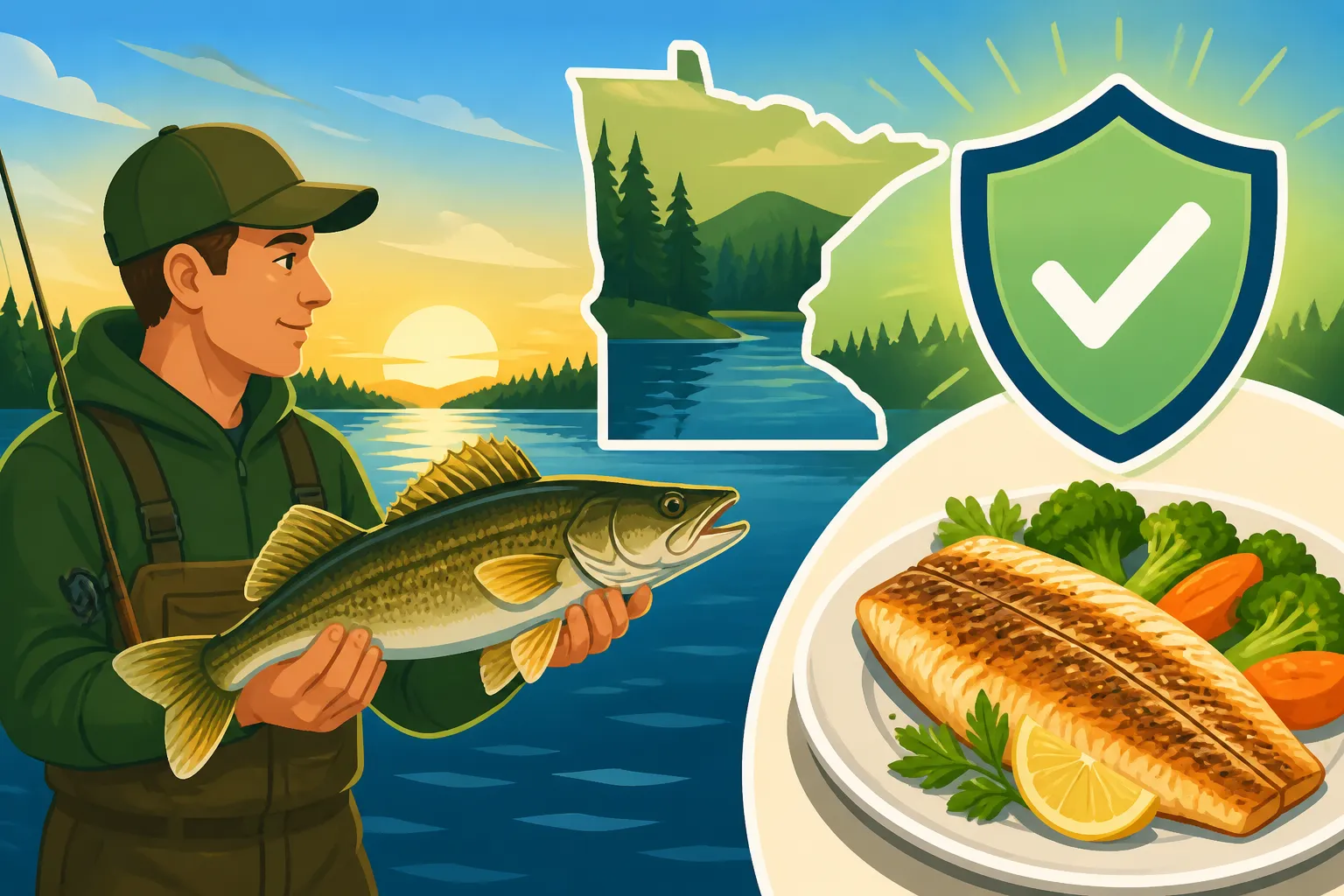
The thought of pulling a trophy walleye out of Lake of the Woods and then having to question whether it's safe to eat can be a real buzzkill, can't it? Many anglers, myself included, have stood there, admiring a beautiful fish, only to have that little voice in the back of our heads pipe up with concerns about safety. The truth is, most fish from Minnesota's waters are perfectly fine to eat, but there are important guidelines to be aware of, especially for certain species, specific lakes, and vulnerable populations. This isn't about scaring you away from enjoying your catch; it's about providing the information you need to make smart choices.
What are Fish Consumption Advisories?
Fish consumption advisories aren't blanket warnings to stop eating fish altogether. Instead, they are science-based recommendations from the Minnesota Department of Health (MDH) and the Minnesota Department of Natural Resources (DNR) that guide how much and what type of fish can be safely consumed from specific bodies of water. These advisories take into account various factors like the species of fish, its size, the particular lake or river it was caught in, and who will be eating it (e.g., pregnant women, children, general adults). It's a nuanced approach, acknowledging that not all fish or all eaters are the same. Ignoring these guidelines means you might be missing out on valuable information that could affect your long-term health, so taking a few minutes to understand them is time well spent.
Think of it like this: You wouldn't put just any fuel in your boat without checking the manual, right? Similarly, you shouldn't just eat any fish without understanding the "manual" for that particular catch. The advisories help you navigate the waters, so to speak, of safe consumption. They are designed to protect public health by minimizing exposure to contaminants that can accumulate in fish tissue over time, without completely depriving us of the joys and nutritional benefits of fresh fish.
Why Do We Need Them? The Environmental Reality
The need for fish consumption advisories is a direct reflection of environmental realities. Over decades, contaminants like mercury, PCBs, and more recently, PFAS, have entered our ecosystems through industrial activity, coal-fired power plants, waste disposal, and even historical applications of chemicals. These substances don't just disappear; many of them are persistent, meaning they break down very slowly, and bioaccumulate, meaning they build up in the food chain. When smaller organisms ingest these contaminants, they transfer them to the fish that eat them, and then to us when we eat the fish. Larger, older fish, particularly those at the top of the food chain, tend to have higher concentrations of these contaminants.
It's a stark reminder that what happens upstream or miles away can directly impact the fish we catch. Minnesota has thousands of lakes and rivers, and each one has its own story, its own environmental profile. Some lakes might have higher mercury levels due to geological factors or historical industrial runoff, while others might show elevated PFAS levels from fire-fighting foams or manufacturing processes. The advisories are continuously updated as new information and testing data become available, providing the most current snapshot of fish health in specific waters. It's a proactive measure to ensure that while we enjoy our natural resources, we're also staying safe.
Navigating the Minnesota DNR's Fish Consumption Guidelines
Alright, so you've caught a beautiful stringer of crappies or a couple of nice walleye, and now you want to know what's safe to keep and eat. This is where the Minnesota Department of Health (MDH) and DNR come in with their detailed, yet sometimes overwhelming, guidelines. It can feel like deciphering a cryptic code at first, but once you understand the logic, it becomes a powerful tool for responsible angling. The key is knowing where to find the information and how to interpret it for your specific situation.
Where to Find the Official Advisories
The most comprehensive and up-to-date source for Minnesota's fish consumption advisories is the Minnesota Department of Health's website, specifically their "Fish Consumption Advice" section. They maintain an interactive map and a searchable database that allows you to look up advisories by lake, river, or fish species. While the DNR also provides information, the MDH website is generally the primary resource for the actual health advice.
It's really helpful to check this resource before you even head out to a new lake or river. Knowing the advisories in advance can influence where you decide to fish and what species you target for eating. For instance, if you're planning a trip to a popular spot like Lake Vermilion, you can quickly see if there are any specific guidelines for walleye, northern pike, or other species caught there. The information is always subject to change as new data comes in, so making it a habit to check periodically is a good idea. You can also find a Minnesota Fishing Regulations PDF: Where to Find It which often includes a summary or link to these advisories.
Understanding the Advisory Table
When you access the MDH's fish consumption advice, you'll typically see a table or a map with color-coded alerts. These advisories break down recommendations by specific fish species, size ranges, and how many meals per month are considered safe for different population groups. It's important to pay attention to these details because a small panfish from one lake might have a different recommendation than a large northern pike from another, or even a different size class of the same species from the same lake.
For example, a typical entry might look like this:
| Lake/River | Fish Species | Size | General Population (Meals/Month) | Women & Children (Meals/Month) | Primary Contaminant |
|---|---|---|---|---|---|
| Lake X | Walleye | <18" | 4 | 2 | Mercury |
| Lake X | Walleye | 18-24" | 2 | 1 | Mercury |
| Lake X | Walleye | >24" | 1 | 0 | Mercury |
| Lake Y | Crappie | All | 8 | 4 | PFAS |
| Lake Z | Northern Pike | >30" | 0 | 0 | Mercury, PCBs |
| Mississippi River (Pool 2) | Carp | All | 1 | 0 | PCBs, PFAS |
As you can see, the advice is highly specific. "General Population" refers to healthy adults. "Women & Children" (often defined as women who are or may become pregnant, nursing mothers, and children under 15) have more conservative recommendations because they are more vulnerable to the developmental effects of certain contaminants like mercury. If you're targeting Walleye Fishing in Minnesota: Complete Guide or Crappie & Panfish Fishing Techniques, understanding these specific limits is crucial.
The "Primary Contaminant" column tells you what they're concerned about, which can sometimes influence how you prepare the fish, as some contaminants are stored in fat (which can be trimmed) and others are in the muscle tissue. When you look at the Minnesota Walleye Limit & Size Rules, remember that harvest limits are about conservation, while consumption advisories are about health. They're two different, albeit equally important, sets of rules.
Special Considerations for Vulnerable Groups
This is a critical point that often gets overlooked. If you are pregnant, planning to become pregnant, breastfeeding, or if you're preparing fish for young children, you need to be extra cautious. The developing nervous systems of fetuses and young children are particularly susceptible to the effects of mercury, which can impair brain development. PCBs and PFAS also pose risks, though the specific impacts can vary.
This isn't to say these groups can't eat fish at all! Fish, especially oily fish, are packed with essential nutrients like omega-3 fatty acids, which are incredibly beneficial for brain and eye development. The key is moderation and choosing fish with lower contaminant levels. Stick to the lower end of the meal recommendations, focus on smaller fish, and consider species known to have lower mercury levels, such as sunfish, crappie, or yellow perch, from lakes without specific advisories. It's all about balancing the immense health benefits with the potential risks.
Common Contaminants and Their Impacts
When we talk about fish consumption advisories, there are a few usual suspects in the contaminant world that tend to pop up. It's not just some vague, scary "chemical" in the water; these are specific compounds with known sources and impacts. Understanding what these contaminants are helps you appreciate the advisories and make more informed decisions about the fish you eat.
Mercury: The Ubiquitous Concern
Mercury is probably the most widely known and talked about contaminant in fish. It's a naturally occurring element, but human activities—primarily coal-fired power plants and some industrial processes—release large amounts of it into the atmosphere. This atmospheric mercury then settles into lakes and rivers, where certain bacteria convert it into methylmercury, the highly toxic form that accumulates in fish.
Methylmercury is particularly problematic because it biomagnifies, meaning its concentration increases as you go up the food chain. So, the smallest minnows might have a little, the crappie that eats the minnows will have more, and the large northern pike or walleye that eats the crappie will have even more. This is why larger, older predatory fish often carry the highest mercury burdens. When consumed by humans, methylmercury primarily affects the nervous system, with developing brains of fetuses and young children being the most vulnerable. Symptoms can range from subtle neurological issues to more severe developmental problems in high doses. It's a heavy metal that sticks around in the body for a long time, which is why consistent, high exposure is a concern.
PFAS: The "Forever Chemicals"
PFAS, or per- and polyfluoroalkyl substances, are a more recent and growing concern in Minnesota's waters. These are a class of thousands of man-made chemicals used in a vast array of consumer and industrial products since the 1940s—think non-stick cookware (like Teflon), water-repellent fabrics, stain-resistant carpets, food packaging, and even firefighting foams. They've earned the nickname "forever chemicals" because they break down extremely slowly, persisting in the environment and in our bodies for decades.
The widespread use of PFAS has led to their presence in soil, water, and even the air. In Minnesota, the focus has often been on areas near manufacturing plants or sites where firefighting foams were used extensively. PFAS can accumulate in fish, and research is ongoing to fully understand their long-term health effects on humans. What we know so far is that exposure has been linked to potential health issues including increased cholesterol, changes in liver enzymes, decreased vaccine response in children, increased risk of high blood pressure in pregnant women, and even some cancers. Unlike mercury, which concentrates more in muscle tissue, PFAS can be found throughout the fish, including the fatty tissues, making trimming less effective for reducing exposure. The MDH and DNR are actively monitoring PFAS levels in Minnesota's fish and updating advisories as new data emerges.
PCBs: Historical Lingering Pollutants
Polychlorinated biphenyls, or PCBs, are another group of man-made chemicals that were widely used in electrical equipment, plastics, and other industrial applications until their production was banned in the United States in 1979. While their production has ceased for decades, PCBs are incredibly persistent in the environment and are still present in many older systems and contaminated sites. Like PFAS and mercury, they accumulate in the food chain and can build up in the fatty tissues of fish.
Exposure to PCBs has been linked to a range of adverse health effects, including developmental problems in children, immune system effects, reproductive issues, and certain types of cancer. Because PCBs are fat-soluble, trimming the fat from fish can help reduce exposure, which is a key preparation tip we'll discuss later. While the focus has largely shifted to newer contaminants like PFAS, PCBs remain a concern in certain waterways, particularly those with a history of heavy industrial activity. The advisories will explicitly mention PCBs when they are a concern for a specific body of water or fish species, such as in certain stretches of the Mississippi River.
Best Practices for Catching and Preparing Fish Safely
Okay, so we've covered the why and the where of fish consumption advisories. Now let's get down to the practical stuff that can help you enjoy your catch with confidence. A little knowledge about fish species, cleaning techniques, and cooking methods can go a long way in minimizing potential risks and maximizing the enjoyment of your Minnesota fish fry.
Choosing Wisely: Species and Size Matter
This is perhaps the most important proactive step you can take. Remember, not all fish are created equal when it comes to contaminant levels.
- Go for Smaller Fish: Generally, smaller, younger fish of any species tend to have lower levels of contaminants like mercury because they haven't had as much time to accumulate them. When you're making a decision on the water, often a mid-sized fish is a better choice for the dinner table than a true trophy-sized monster, especially for predatory species. If you're on a lake known for large walleye, like a Mille Lacs Lake Fishing Guide: Walleye, Bass & More destination, it might be wise to release the biggest ones and keep those in the 15-20 inch range for eating.
- Target Panfish: Species like crappies, sunfish, and yellow perch are often excellent choices for eating because they are generally lower on the food chain and don't live as long, meaning they accumulate fewer contaminants. If you're new to fishing or just want a delicious, safe meal, targeting these panfish is a fantastic option. You can learn more about specific tactics in our guide to Crappie & Panfish Fishing Techniques.
- Check the Advisories for Your Specific Lake/River: Always, always check the MDH website for the specific body of water you're fishing. An advisory for walleye on Lake X might be completely different from walleye on Lake Y. This is the most direct way to get hyper-local, accurate information.
- Consider Catch and Release: For those truly massive, old fish, especially top predators like large northern pike or muskie, or any fish from a highly impacted waterbody, practicing Catch and Release Best Practices in Minnesota is often the safest and most responsible option. These big fish are crucial for maintaining healthy populations and are often the ones with the highest contaminant levels.
Proper Cleaning and Preparation Techniques
How you clean and prepare your fish can actually help reduce your exposure to certain contaminants, especially those that accumulate in fat.
- Trim the Fat: For contaminants like PCBs and some PFAS that are fat-soluble, trimming away the fatty parts of the fish can significantly reduce the amount you ingest. This includes the belly fat, the dark meat along the sideline, and the skin. While this might slightly reduce the yield of your fillet, it’s a small price to pay for greater peace of mind. For species like northern pike, learning How to Fillet a Northern Pike (Remove Y-Bones) is a critical skill that not only removes bones but also much of this fatty tissue.
- Remove Skin: Always remove the skin from fish you plan to eat. The skin often contains a higher concentration of fat and, consequently, fat-soluble contaminants.
- Proper Cooking Methods: While cooking won't remove mercury (which is in the muscle tissue), certain methods can help render out some of the fat and, by extension, fat-soluble contaminants. Grilling, baking, or broiling fish on a rack that allows fat to drip away can be beneficial. Frying, while delicious, tends to seal in fats, so if you're concerned about fat-soluble contaminants, it might not be the best method for all fish.
- Handle Fish Safely: Beyond contaminants, proper food safety is paramount. Always keep your catch cold on ice, fillet it promptly, and refrigerate or freeze the fillets immediately. Use clean cutting boards and utensils to prevent cross-contamination.
Balancing Benefits and Risks
It's easy to get caught up in the fear of contaminants, but it's vital to remember that fish, particularly wild-caught fish, offer incredible nutritional benefits. They are a lean source of protein, rich in vitamins (like D and B2), calcium, phosphorus, and essential minerals like iron, zinc, iodine, and magnesium. Most importantly, fish are a fantastic source of omega-3 fatty acids, which are crucial for heart health, brain function, and reducing inflammation.
The goal of these advisories and best practices isn't to tell you to stop eating fish. It's to empower you to enjoy this healthy, delicious, and deeply rewarding part of the angling experience responsibly. By making informed choices about where you fish, what species and sizes you keep, and how you clean and prepare your catch, you can confidently enjoy the bounty of Minnesota's waters for years to come.
Disclaimer
The information provided in this guide is for general informational purposes only and does not constitute medical or legal advice. Always consult the official Minnesota Department of Health (MDH) and Minnesota Department of Natural Resources (DNR) websites for the most current and specific fish consumption advisories for particular bodies of water and species. Health recommendations, especially for vulnerable populations, should always come from qualified medical professionals.